The author argues that Republicans may have a real chance to deliver meaningful health-care reform with the "Great Healthcare Plan," which emphasizes price transparency, reducing middleman costs, and redirecting ACA subsidies into tax-advantaged HSAs to increase consumer control. While these changes could improve affordability and choice, the piece warns that the "Most Favored Nation" drug-pricing approach could undermine innovation and access over time. The author urges lawmakers to prioritize market-friendly, transparent reforms ahead of the midterm elections.
Can Republicans Finally Deliver Lasting Health-Care Reform With the “Great Healthcare Plan”?
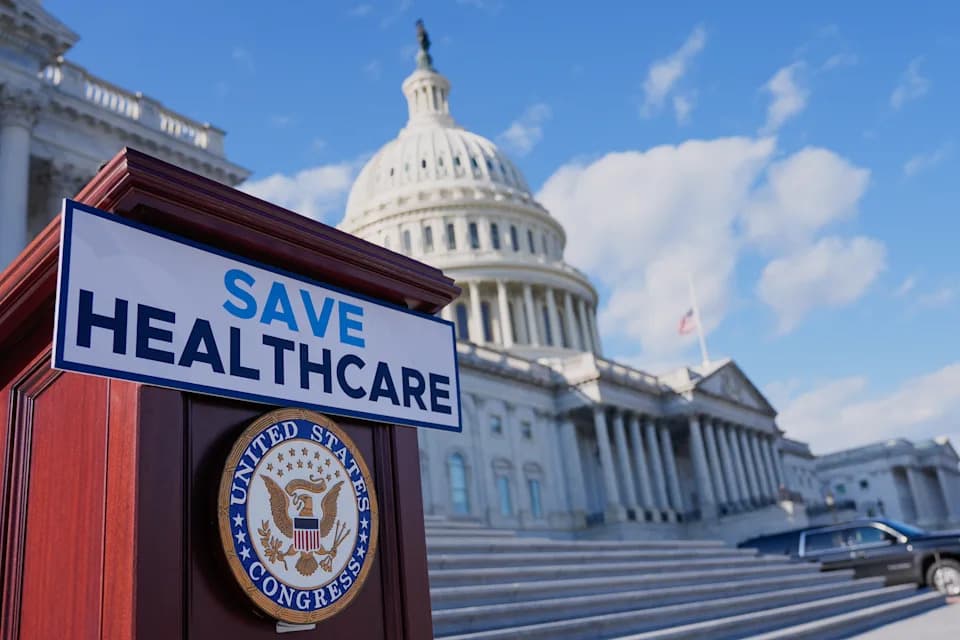
Republicans have struggled for two decades to produce a durable alternative to the Affordable Care Act. The party’s new proposal — billed as the "Great Healthcare Plan" and released in January — aims to change that by shifting how subsidies flow, increasing price transparency, and reining in middlemen costs. Whether it can unite a narrowly divided GOP in Congress and avoid unintended consequences remains an open question.
A Narrow Window and Fragile Coalition
With razor-thin Republican margins in Congress, building consensus around a single blueprint will be difficult. Yet conservatives point to recent wins achieved under similar constraints as evidence there is a path forward. If lawmakers can prioritize broadly popular, market-oriented reforms, the package could find enough support to pass.
Policy Proposals Worth Considering
Several elements of the plan have the potential to reduce out-of-pocket costs and improve consumer choice:
- Price Transparency: Requiring clearer pricing information from providers and insurers would help patients comparison-shop and discourage surprise billing.
- Tackling Middleman Inefficiencies: Pharmacy benefit managers (PBMs) currently capture a significant share of drug spending; greater oversight and transparency could ensure savings flow to patients.
- Redirecting Subsidies to Consumers: Instead of routing Affordable Care Act (ACA) premium subsidies through insurers, the Republican plan would deposit assistance into tax-advantaged health savings accounts (HSAs). Advocates say this could increase consumer control and make aid more visible and flexible.
Concerns About Price-Control Approaches
Not all proposals in the package are uncontroversial. The plan’s so-called "Most Favored Nation" (MFN) provision would tie some U.S. drug prices to levels paid in other countries. Proponents argue this could lower prices for certain brand-name medicines in the short term. Critics warn that importing prices set under different health systems risks reducing incentives for pharmaceutical innovation, narrowing patient options, and creating shortages over time.
It is also important to note that generic drugs already make up roughly nine in ten prescriptions in the U.S. and are typically cheaper than branded medications. That reality tempers the potential upside of blunt price controls while highlighting the need for targeted reforms aimed at where prices are highest.
What Success Would Look Like
For reform to be durable, lawmakers should focus on measures that:
- Increase transparency so patients understand true costs;
- Preserve incentives for medical innovation and timely access to new therapies;
- Give consumers more direct control over health-care dollars without undermining coverage access for low- and moderate-income people.
Balancing these goals will be difficult but necessary if any enacted plan is to survive political and market pressures.
Bottom Line
The "Great Healthcare Plan" includes promising reforms that could reduce costs and increase consumer control. However, provisions that resemble heavy-handed price controls risk long-term harm to innovation and access. Republicans have a narrow opportunity to pass meaningful changes before the midterm elections; success will require prioritizing transparent, market-friendly policies while avoiding measures likely to produce unintended consequences.
About the author: Dr. Tom Price served as the 23rd U.S. Secretary of Health and Human Services and is a former member of Congress from Georgia.
Copyright 2026 Nexstar Media, Inc. All rights reserved. This material may not be published, broadcast, rewritten, or redistributed.
Help us improve.