A Lancet Planetary Health study using satellite observations across nearly 1,700 California ZIP codes (2019–2023) found that every 200 additional electric vehicles corresponded with about a 1.1% drop in nitrogen dioxide (NO2). Satellite coverage allowed researchers to detect local changes that sparse EPA ground monitors could not. Experts say the results confirm model predictions, underscore public health benefits of EV adoption, and highlight the need for equitable policy measures and further study of particulate impacts.
Even a Few EVs Clean the Air: Study Shows 200 More Electric Cars Cut Local NO2 by 1.1%
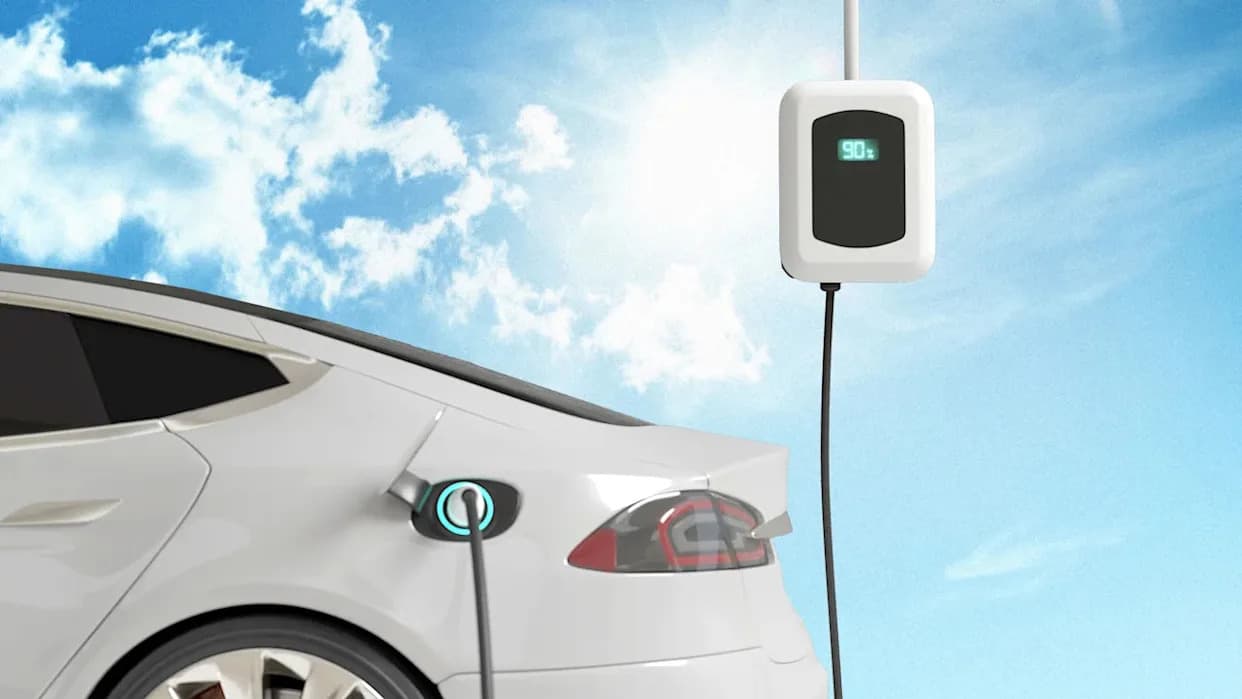
New satellite-based research provides strong, ground-level evidence that electric vehicles (EVs) are already improving neighborhood air quality in California.
Study And Key Findings
A peer-reviewed paper published in Lancet Planetary Health analyzed satellite observations of nitrogen dioxide (NO2) across nearly 1,700 ZIP codes in California from 2019–2023. The researchers found that for every increase of 200 electric vehicles in a ZIP code, NO2 concentrations fell by roughly 1.1 percent. NO2 is a combustion-related pollutant linked to respiratory and cardiovascular problems and increased risk of premature death.
A pretty small addition of cars at the ZIP code level led to a decline in air pollution, said Sandrah Eckel, a public health professor at the University of Southern California’s Keck School of Medicine and the study’s lead author. It’s remarkable.
Why Satellites Mattered
Previous attempts to show this effect using Environmental Protection Agency ground monitors were limited: California has only about 100 monitors, and earlier datasets covered 2013–2019 when EV adoption was much lower. The satellite instrument used in the new study provided near-statewide coverage, giving researchers the statistical power to detect changes in NO2 across many communities despite measuring only that single pollutant.
Expert Reactions And Implications
Independent researchers praised the scale and methodology. Mary Johnson of Harvard T.H. Chan School of Public Health noted the study controlled for confounding factors such as the COVID-19 pandemic and shifts to working from home. Daniel Horton of Northwestern University said the findings confirm predictions made by air quality models and provide a valuable proof of concept for satellite-based analyses.
The study found that the median ZIP code in the sample saw an increase of about 272 electric vehicles during the 2019–2023 period, suggesting many communities are already experiencing measurable air quality benefits from modest EV adoption.
Caveats And Next Steps
There are important caveats. The satellite instrument measured only NO2, so the study does not capture other pollutants such as fine particulate matter (PM2.5). Future satellites may allow broader detection, which is important because EVs are typically heavier than comparable gasoline cars and can generate greater tire and brake wear that contributes to particulate pollution.
Nonetheless, the overall evidence indicates that replacing internal combustion vehicles with EVs reduces harmful tailpipe emissions and improves local air quality. The research underscores policy priorities: sustaining EV adoption (which has slowed recently) and ensuring an equitable transition so lower-income communities that historically bear the worst traffic pollution can access EV benefits.
Policy Relevance
Detailed, local data like this can help policymakers target incentives, charging infrastructure, and subsidies to neighborhoods that will gain the most from reduced emissions. The authors and external experts suggest expanding satellite-based monitoring and coupling air-quality studies with health data to quantify direct benefits such as reductions in asthma or cardiovascular events.
Correction: The pollutant analyzed in the study is nitrogen dioxide (NO2).
Note: This article is based on reporting from Grist and a study published in Lancet Planetary Health.
Help us improve.