Power The Future and other critics say this winter’s Arctic blast revealed oversight gaps across Biden‑era electric bus and EV infrastructure programs representing more than $8 billion in funding. An EPA Inspector General audit found the agency failed to track deployment of roughly $836 million in Clean School Bus rebates, and only about 7% of districts had completed steps to place buses in service. Local examples in Vermont, Maine and Western New York underscore cold‑weather and recall‑related problems, prompting calls for immediate review and stronger accountability.
Arctic Blast Prompts Scrutiny Of $8B Biden‑Era Electric Bus Programs Over Oversight Concerns
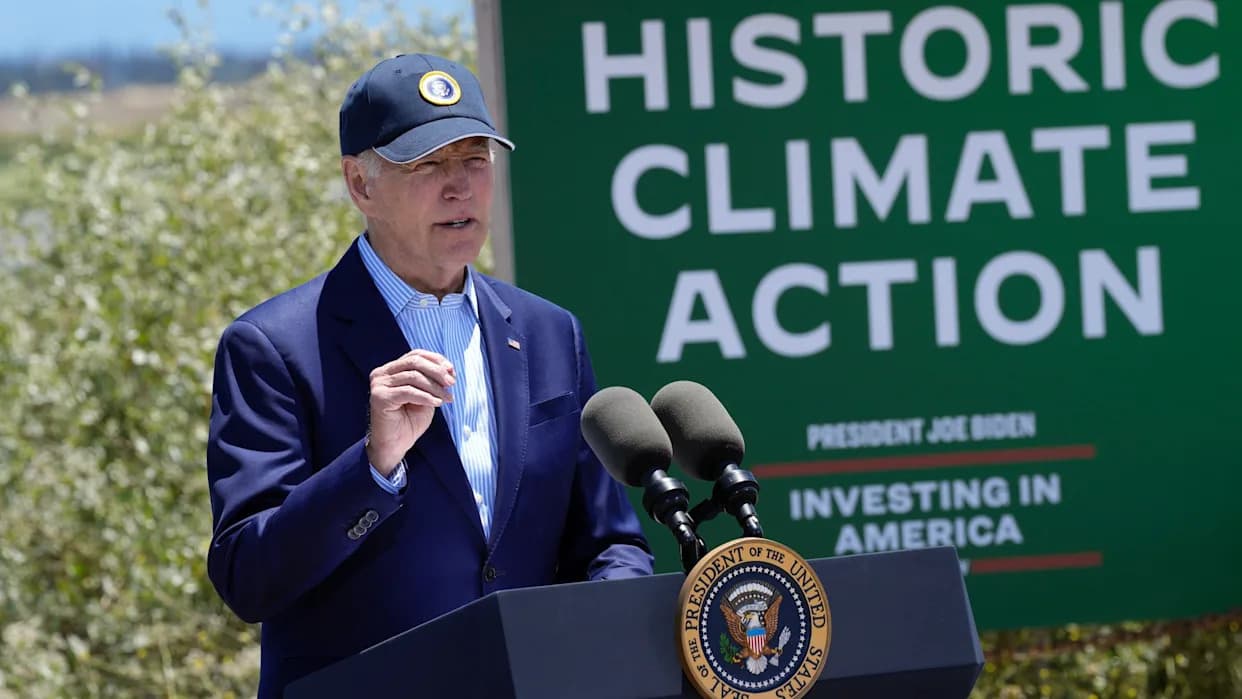
Arctic blast fuels scrutiny of Biden’s $8B electric bus push as watchdogs cite oversight failures
Critics say this winter’s Arctic blast exposed weaknesses in federal electric-bus and EV‑infrastructure programs that together represent more than $8 billion in spending during the Biden administration. Energy watchdog Power The Future (PTF) and other critics argue that gaps in monitoring and follow‑up raise questions about whether taxpayer dollars produced reliable, deployable transit assets.
Watchdog Allegations
PTF has compared the administration’s disbursement of funds across multiple programs — including the Federal Transit Administration’s Low‑No Emissions Grant Program and the EPA’s Clean School Bus rebates — to high‑profile oversight failures seen in other recent state and federal programs. PTF President Daniel Turner urged immediate review, arguing that large awards should be accompanied by meaningful verification that vehicles and infrastructure are delivered and operational.
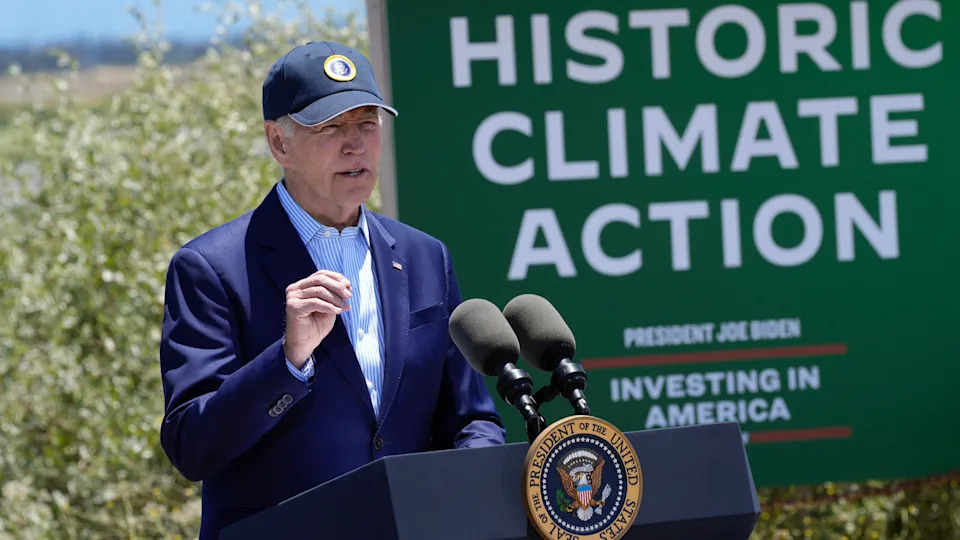
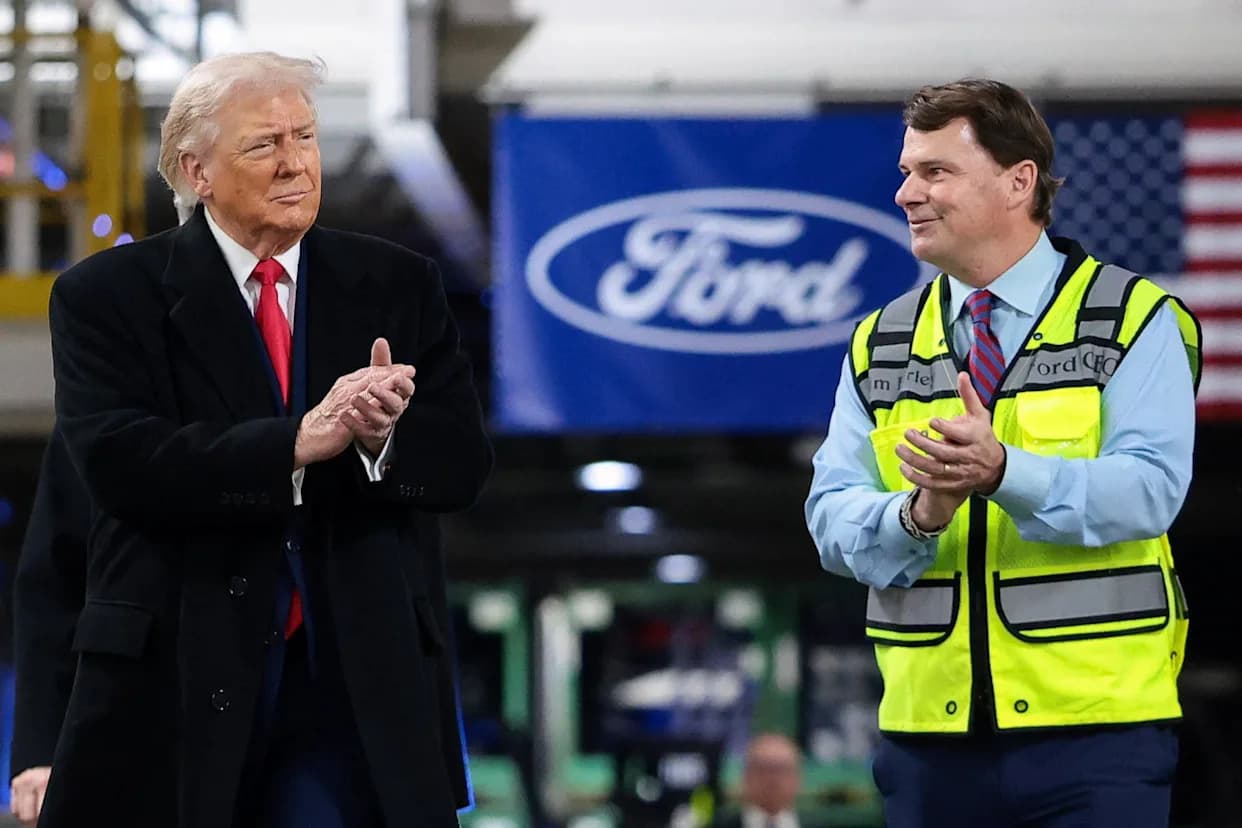
President Joe Biden speaks at the Lucy Evans Baylands Nature Interpretive Center and Preserve in Palo Alto, Calif., June 19, 2023.(AP Newsroom)
Inspector General Findings
In 2024, the U.S. Environmental Protection Agency (EPA) Inspector General reported material weaknesses in oversight of the 2022 Clean School Bus rebate program. The audit found the EPA did not meaningfully track deployment or recipient use of roughly $836 million in rebates, and that only about 7% of participating school districts had completed the necessary steps — such as installing charging infrastructure — to place electric buses into service.
Local Examples Highlight Operational Challenges
PTF and local officials cited examples in Vermont, Maine and Western New York to illustrate problems encountered during cold weather and following manufacturer recalls. Green Mountain Transit in Vermont purchased five electric buses with federal support; critics said the vehicles struggled in freezing temperatures, while the transit agency reported the buses are currently sidelined due to a manufacturer battery recall. A Maine district reported receiving buses from a now‑bankrupt Canadian EV maker, and local media reported at least one bus slid into a snowbank after brake issues.
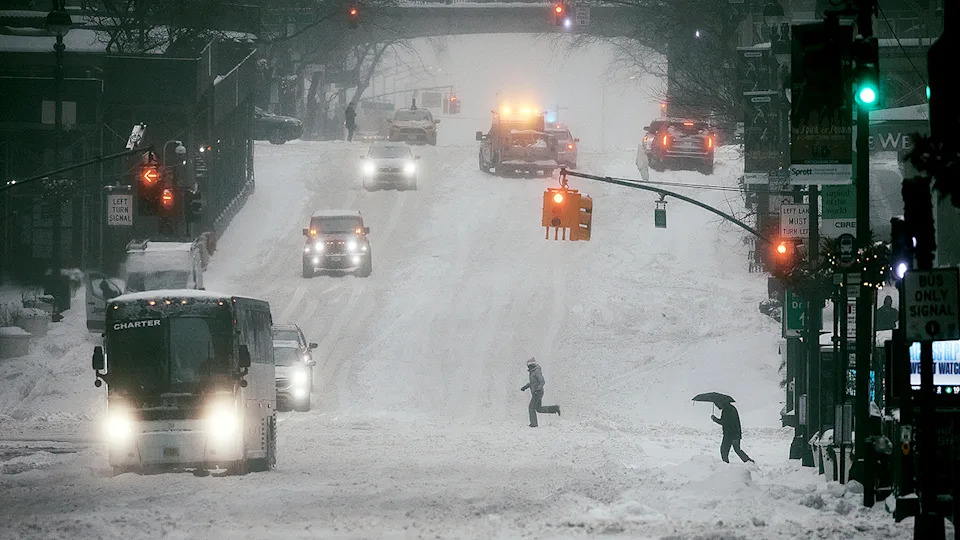
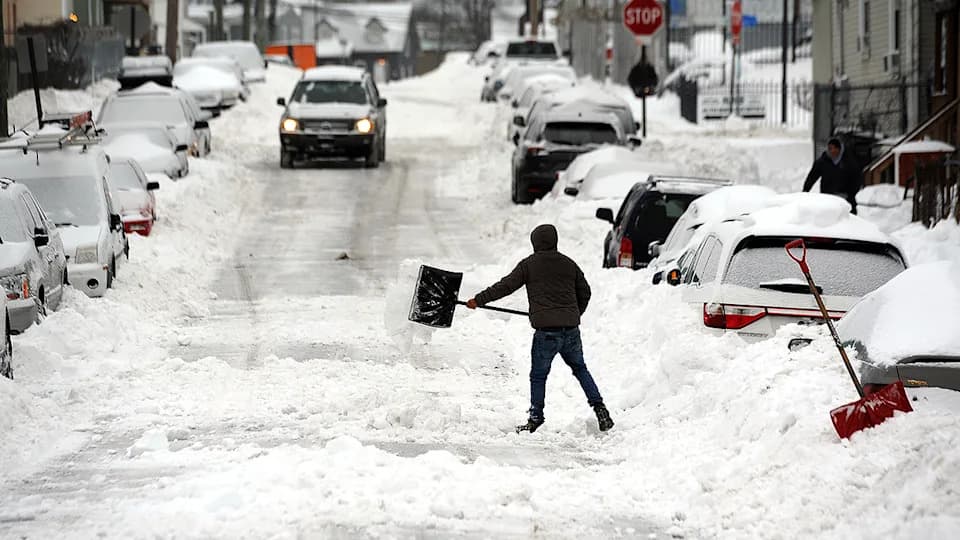
Buses and cars struggle in New York city snow.
PTF: When hundreds of millions of dollars are awarded without confirmation that buses are delivered, operable or in service, the absence of oversight raises serious concerns.
Responses From Transit Officials And The EPA
Green Mountain Transit’s general manager said the buses were operable before a recent manufacturer recall and that replacement batteries may take 18–24 months to arrive. He described the issue as a safety recall comparable to recalls that affect diesel vehicles.
An EPA spokesperson told reporters the agency is revising the Clean School Bus Program under new leadership and emphasized its commitment to stewardship of taxpayer dollars. The spokesperson also said the agency has taken actions to review and cancel certain grants and contracts it views as wasteful.
What Watchdogs Want
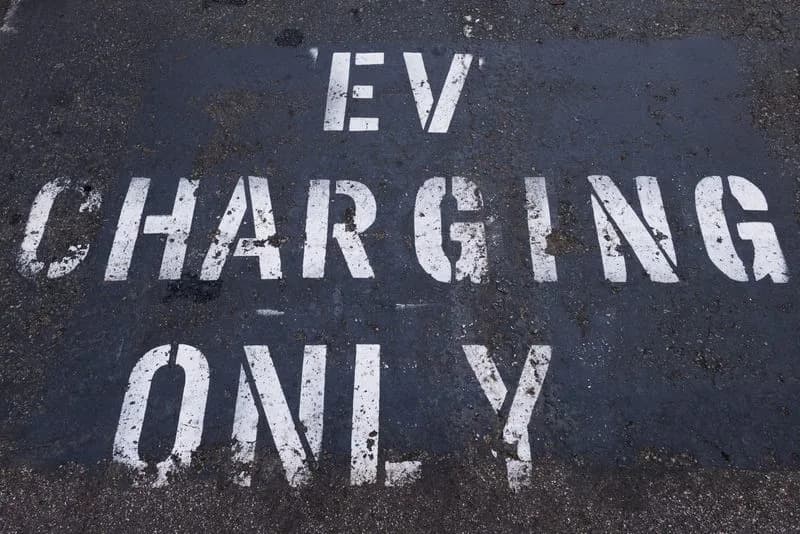
PTF and allied critics are calling for congressional and administrative reviews to determine whether the problems stem from incompetence, inadequate program design, or potential fraud and misrepresentation. They also point to related concerns about the National Electric Vehicle Infrastructure (NEVI) program, which PTF says has produced fewer than 400 charging ports in its early rollout.
Bottom line: The debate centers on whether rapid, large‑scale investments in zero‑emission transit and charging infrastructure were matched by adequate oversight, performance standards and contingency planning for known technology limits such as battery performance in cold weather.
Help us improve.