U.S. Representative Jasmine Crockett has built national prominence in two House terms through sharp critiques and high-profile moments, including a viral clash with Marjorie Taylor Greene. Running in a close Texas Senate primary, she argues her confrontational authenticity and outreach to disengaged voters can flip the seat. Her background as a public defender informs her policy focus, while controversies over certain remarks have drawn criticism she says mischaracterizes her record.
If Jasmine Crockett Wins, She’ll Do It Her Way — Inside Her Texas Senate Bid
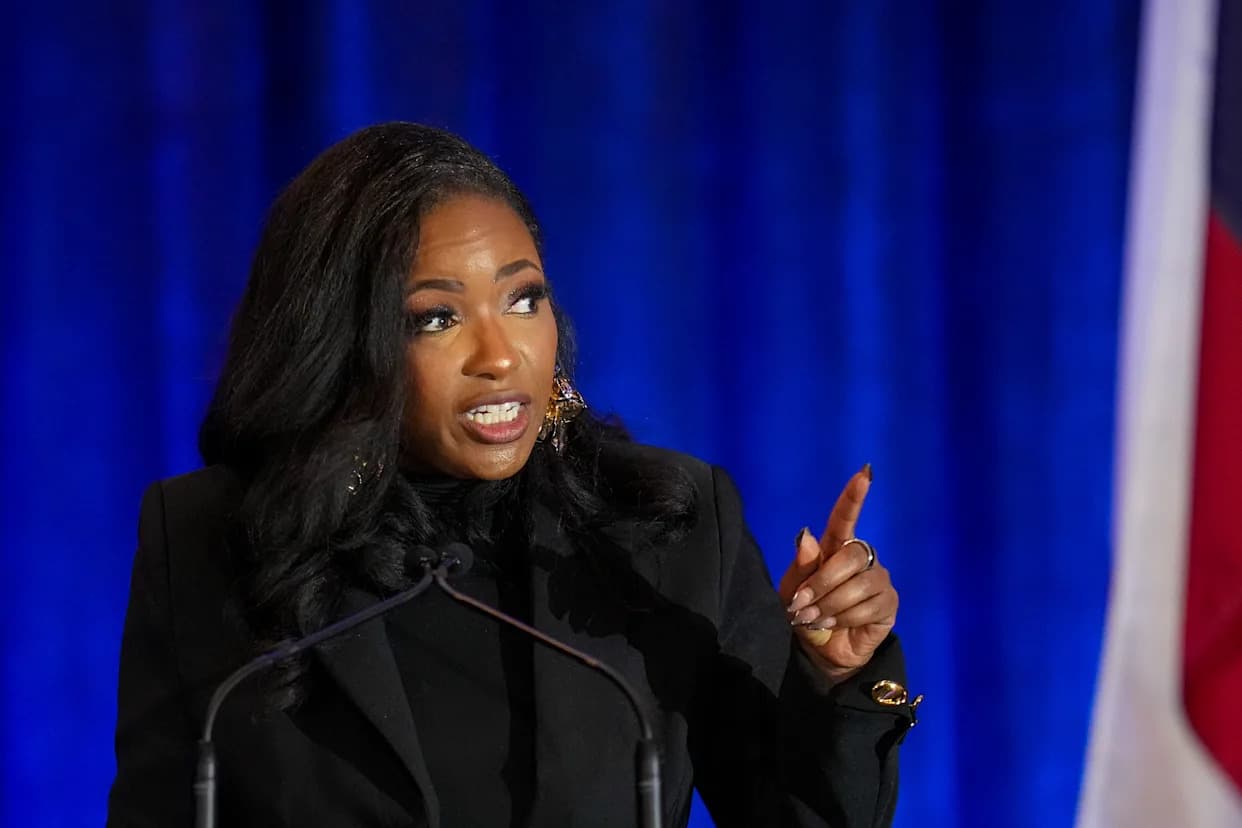
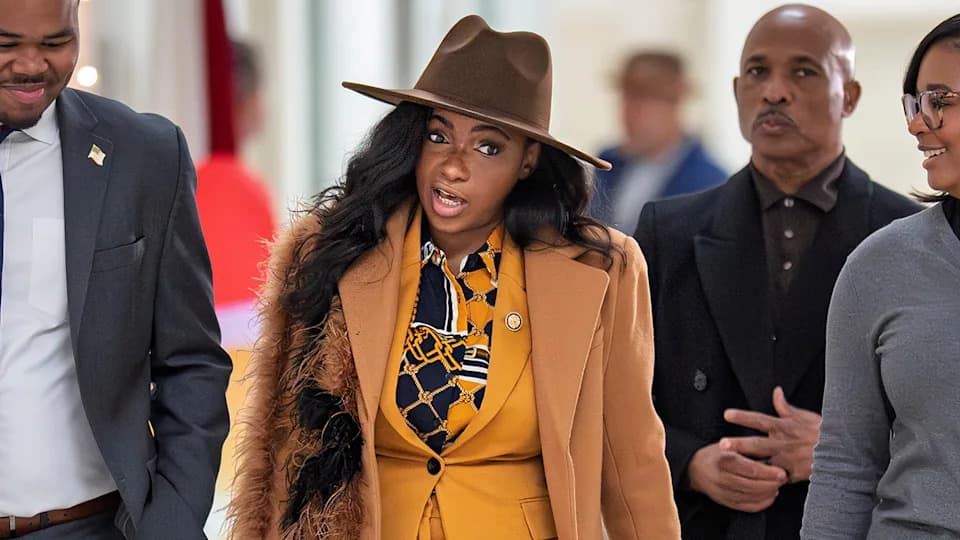
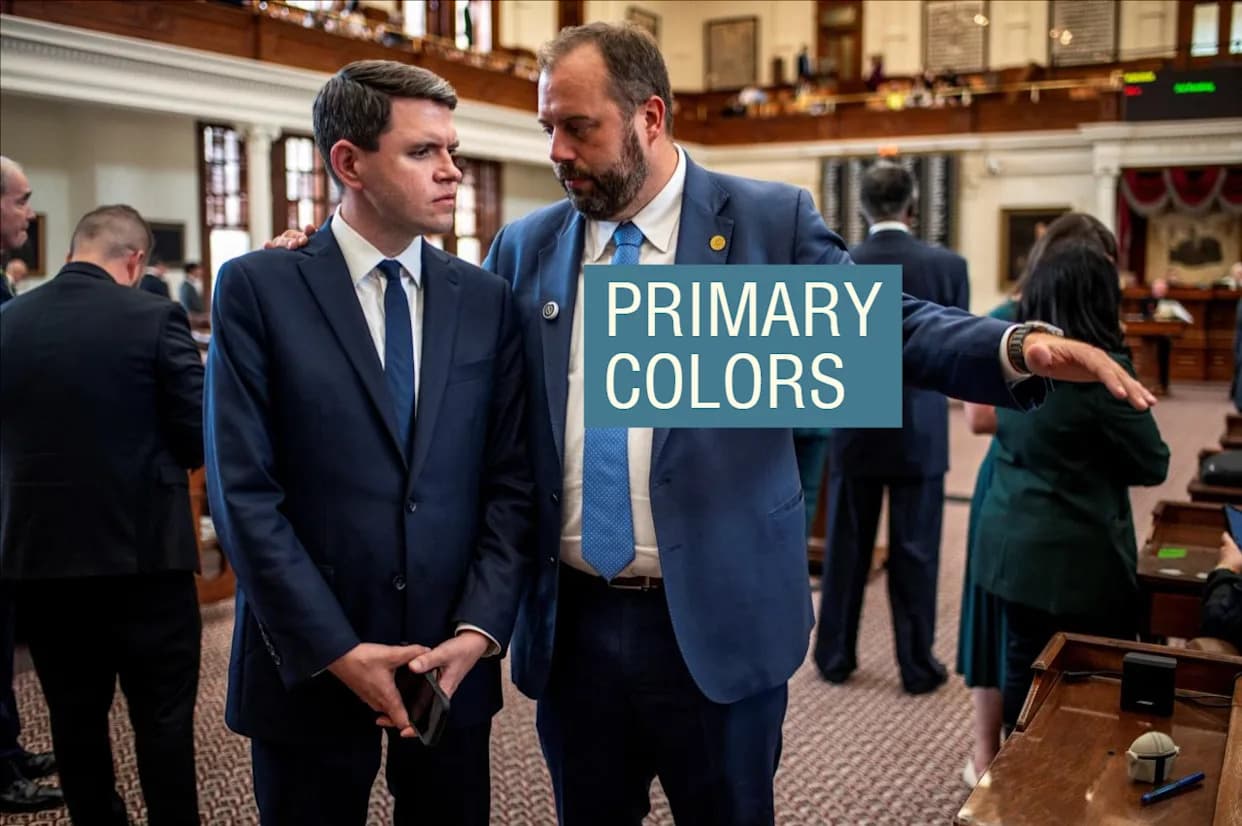
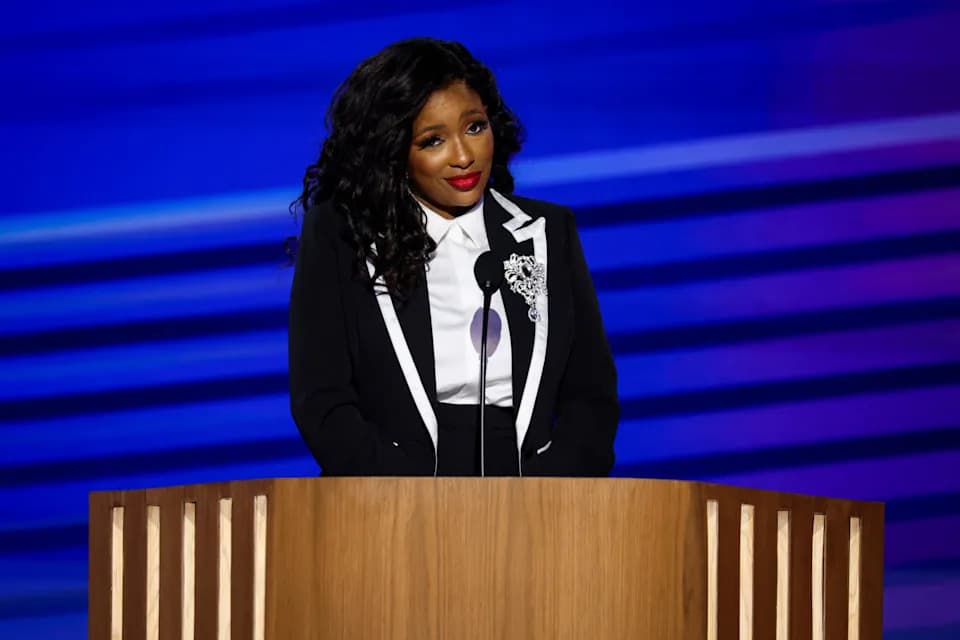
“I think a Jasmine Crockett voter is anyone that is frustrated with everything that they're seeing in politics,” Crockett tells Astead Herndon. “I am not the type of person that politicos get excited about.” | Bob Daemmrich/The Texas Tribune/Bloomberg via Getty Images
U.S. Representative Jasmine Crockett (D-TX) has emerged as a national figure in just two House terms, building a large following with forceful critiques of President Donald Trump, Republican rivals and even some fellow Democrats. Now she is running in a tight primary for a U.S. Senate seat in Texas, insisting she can win the general election by energizing voters on her own terms.
This article is based on an edited excerpt from a conversation for the Today, Explained podcast. Below are highlights of that interview, organized for clarity and context.
A Rapid Rise
Crockett has become a recognizable political personality through high-profile committee appearances, social media reach and a combative, unapologetic style. Supporters say she speaks for people who feel overlooked by traditional politics; critics worry her approach can alienate potential allies.
The Viral Exchange With Marjorie Taylor Greene
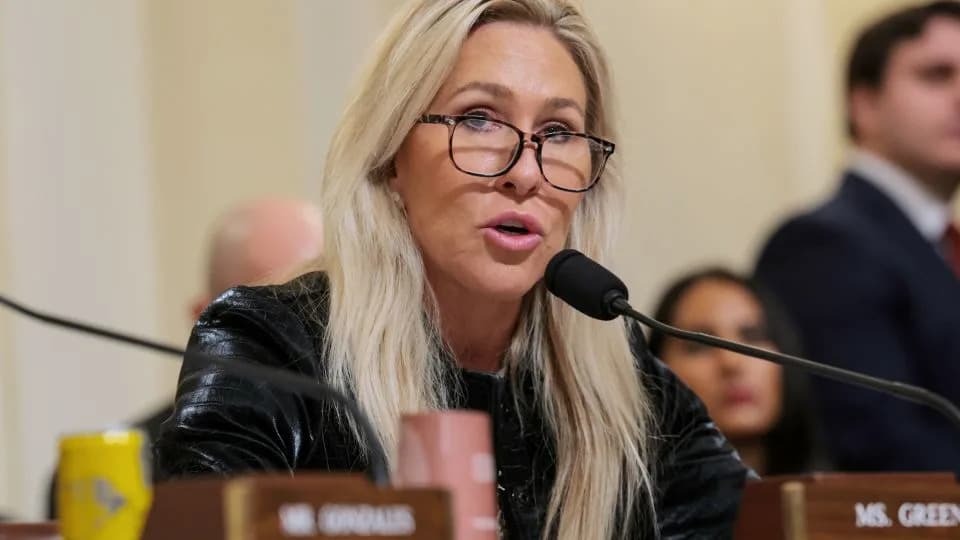
Her profile spiked after a May 2024 House Oversight Committee clash with Rep. Marjorie Taylor Greene, in which Crockett shot back at Greene's remarks about her appearance. Crockett said the line was not rehearsed, though she had jotted notes during the hearing. She framed the exchange as a tactic to show how quickly decorum can break down if disrespect is tolerated.
“I think that in this moment you have to understand that politics has changed,” Crockett said. “One thing that the Democrats have struggled with is that they continue to be viewed as the doormat for the Republicans. Where’s the opposition? Where’s the fight?”
From Public Defender To Politician
Crockett spent much of her earlier career as a public defender and civil-rights attorney. She says that representing indigent clients exposed her to systemic failures in the criminal-justice system and to how poverty funnels people into legal trouble — experiences that shaped her desire to seek practical reforms in elected office.
Authenticity, Strategy And Voter Outreach
Crockett emphasizes authenticity and direct engagement. She describes her base as people frustrated with the status quo across party lines and argues that her approach aims to reach voters who are usually ignored by traditional outreach efforts. In Texas, a state with low turnout and costly media markets, she says campaigns must go beyond conventional channels to expand the electorate.
Her campaign has highlighted turnout operations and high-profile endorsements as tools to build enthusiasm and reach nonvoters and minority communities, especially Black voters and Latinas — groups she identifies as central to her path to victory.
Controversies And Criticisms
Crockett has faced criticism for remarks about Latino voters that some viewed as inflammatory. She disputes that such comments define her record, arguing critics often take lines out of context and that policy outcomes, not rhetoric alone, determine voter behavior. She also rejects the idea that her rhetoric is a party-driven tactic, saying her authenticity stems from lived experience and a focus on people who feel harmed by current systems.
The Road Ahead
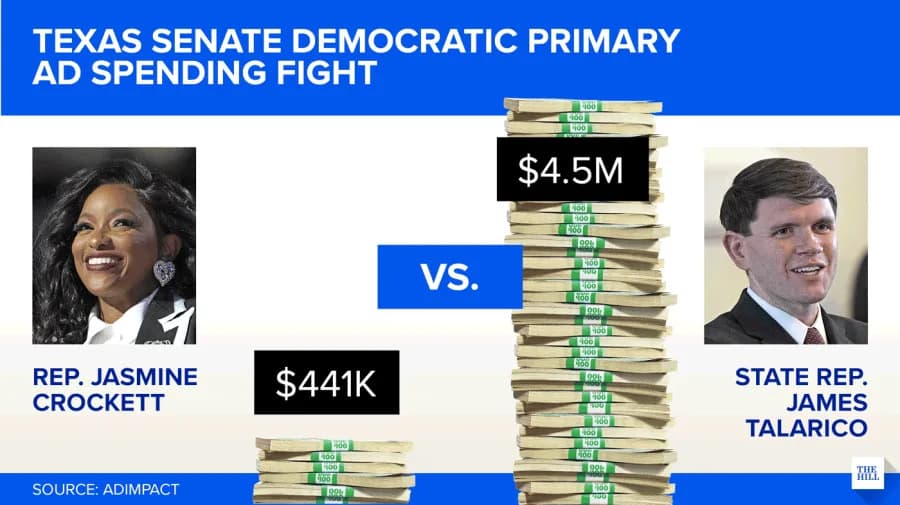
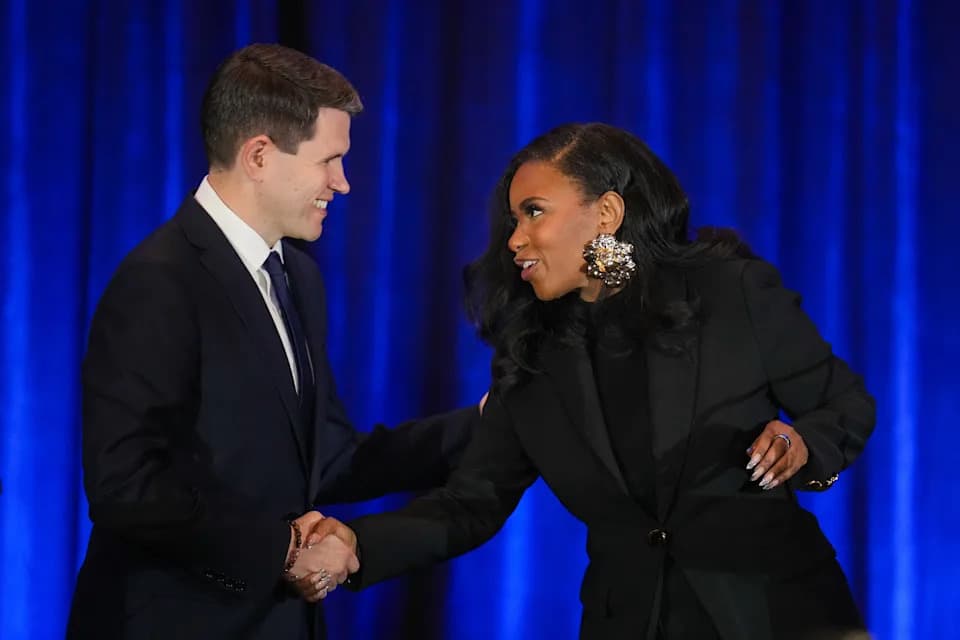
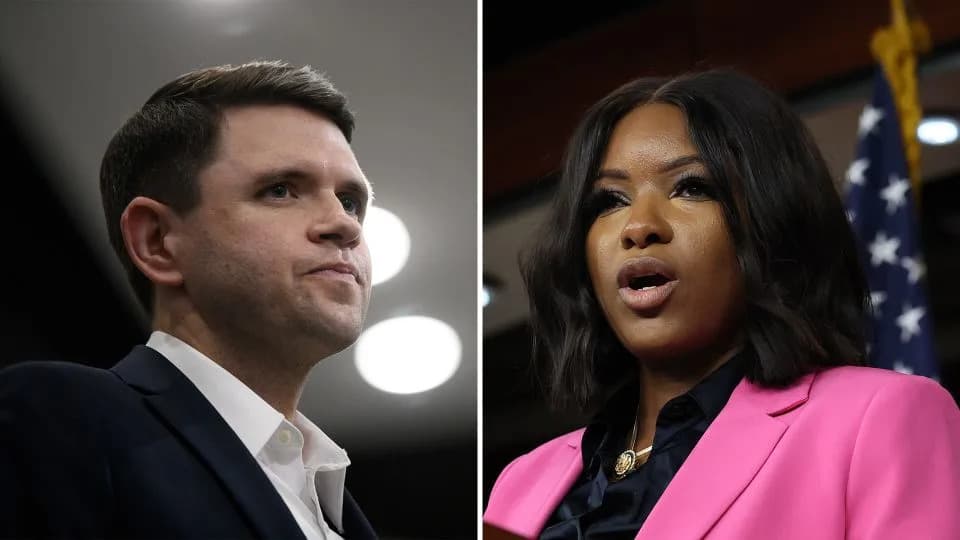
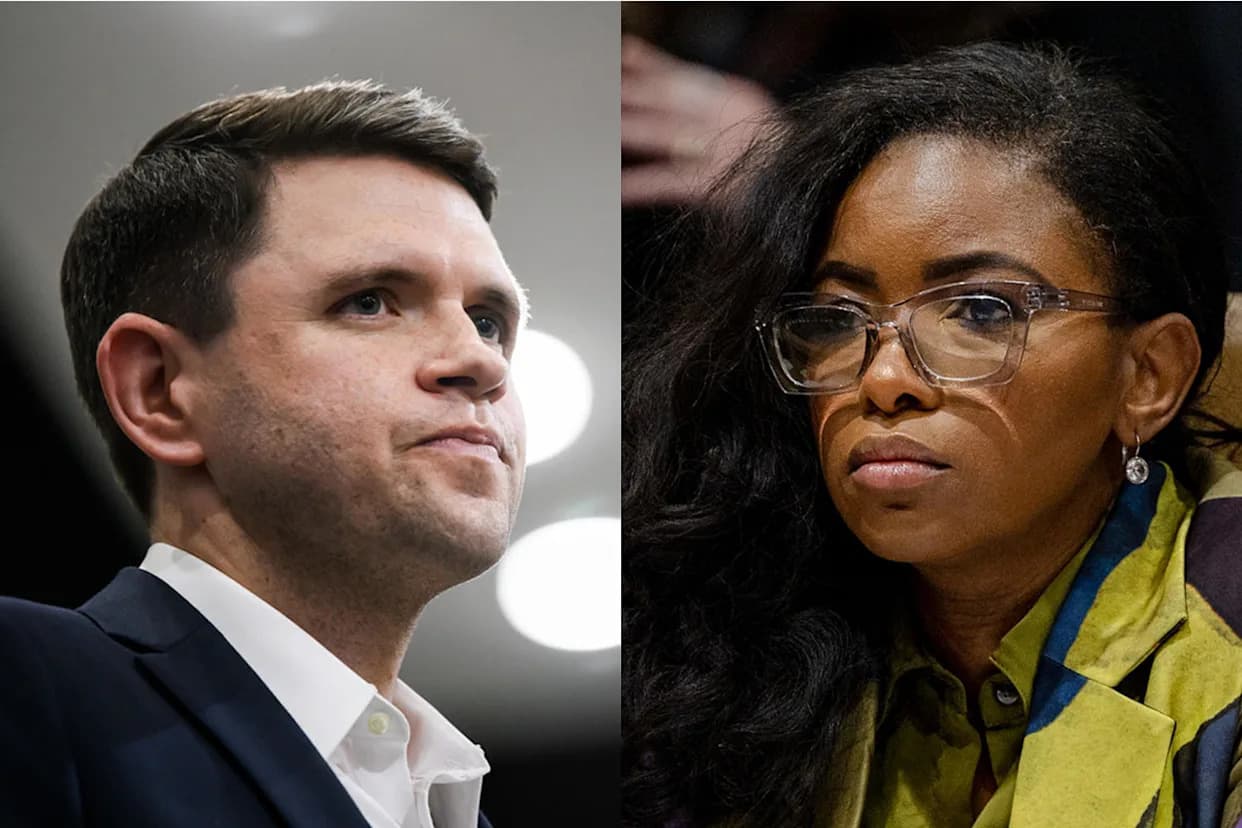
Crockett remains locked in a close primary contest with state Representative James Talarico. The debate among Democrats so far has centered less on policy differences than on electability and whether Crockett’s confrontational style can translate into broad general-election support. She insists her combination of visibility, legal experience and grassroots outreach can win in November.
Note: This is an edited excerpt from a longer podcast conversation. For the full interview, listen to Today, Explained wherever you get podcasts.
Help us improve.