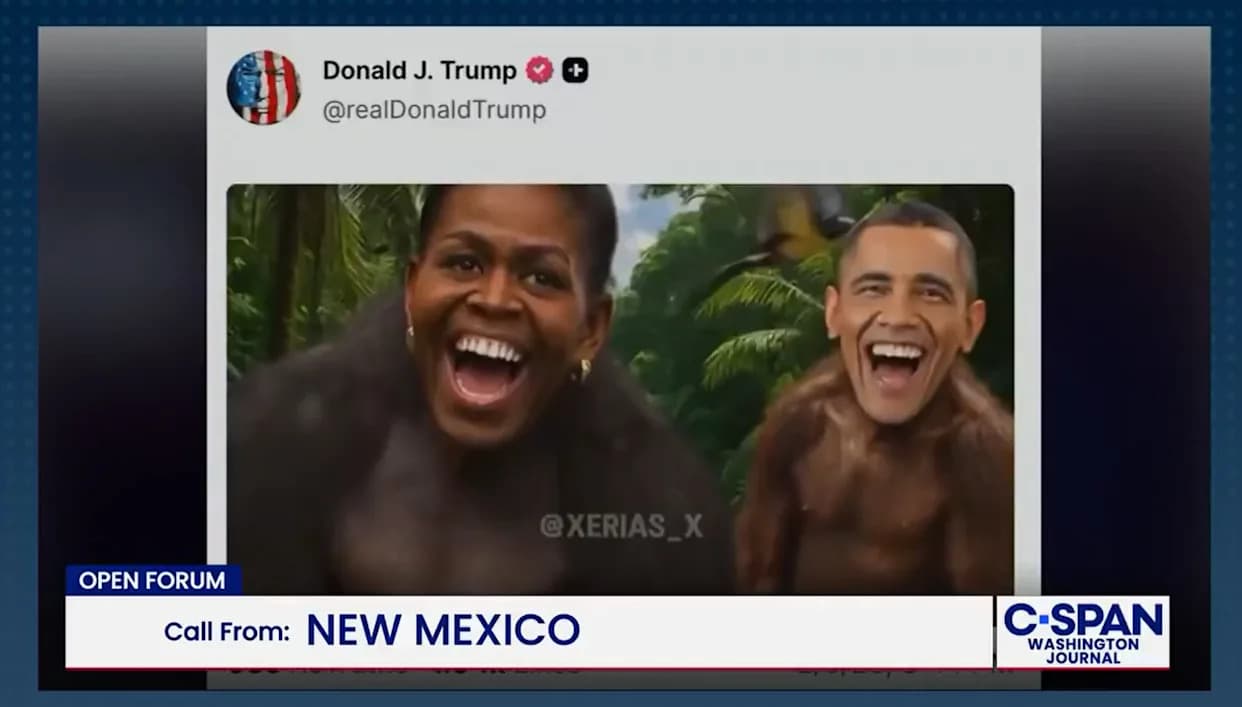
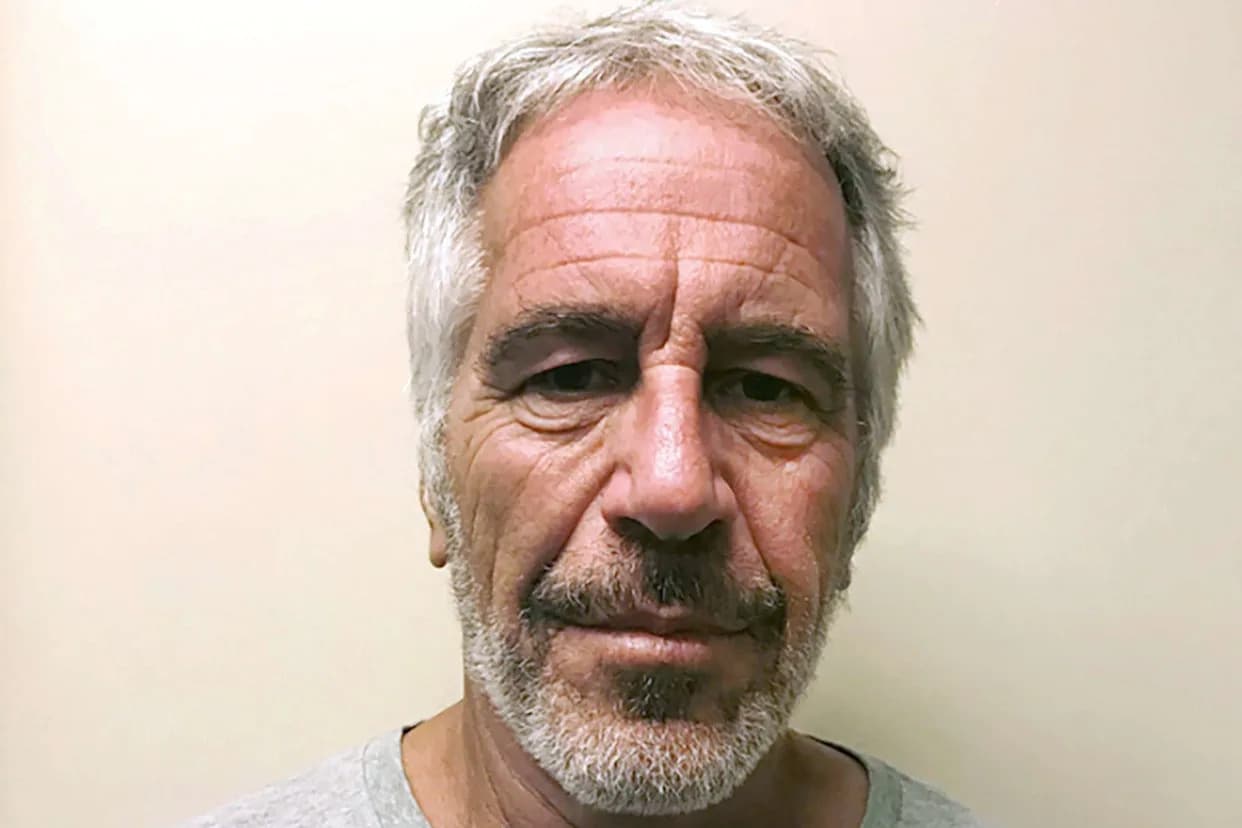
Donald Trump reportedly offered to have Congress rename Dulles International Airport and New York’s Penn Station after him as part of a deal to release billions in frozen New York infrastructure funds; Senate Minority Leader Chuck Schumer rejected the offer and called the president’s later counterclaim a lie. Experts say there is little precedent for naming major public infrastructure after a sitting president, and polls show broad public opposition to such self‑naming. Critics say using federal funding as leverage for personal honors is ethically fraught and politically risky amid economic concerns.
Trump’s Push to Rename Dulles and Penn Station After Himself Sparks Political Backlash
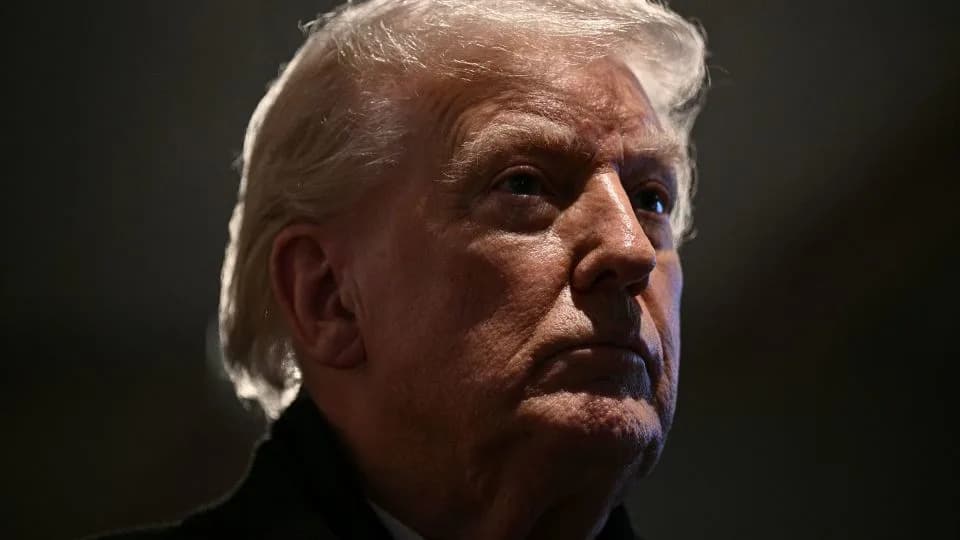
President Donald Trump speaks during a stop in Urbandale, Iowa, on January 27. - Brendan Smialowski/AFP/Getty Images
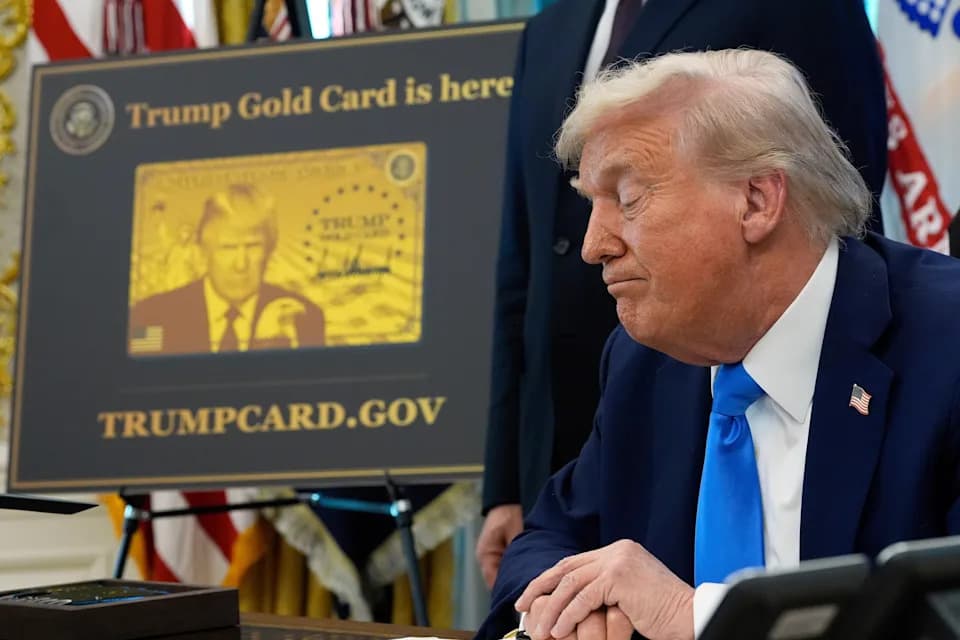
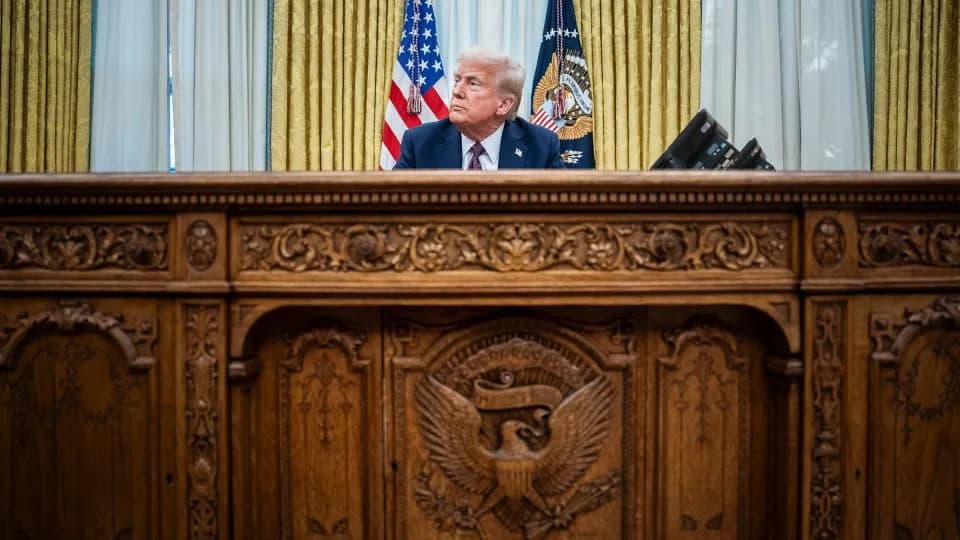
Donald Trump’s long-running impulse to affix his name to public institutions has escalated into an unusually blunt political move: last month he reportedly asked Congress to rename Dulles International Airport and New York’s Penn Station after himself — and presented the renamings as part of a deal to release billions in frozen funds for a major New York infrastructure project.
According to CNN reporters Manu Raju and Adam Cancryn, Trump raised the proposal with Senate Minority Leader Chuck Schumer, who rejected it. The initial report was first published by Punchbowl. The president later offered a different version of events, claiming Schumer had suggested the renaming; Schumer called that an "absolute lie."
Why This Matters
This episode is notable not only for its audacity but for the method: rather than issuing a symbolic decree, the White House reportedly sought to use federal funding as leverage to secure personal honors. Experts say there is virtually no precedent for naming major public infrastructure after a sitting president — most such honors occur years after presidents leave office.
Political and Legal Risks
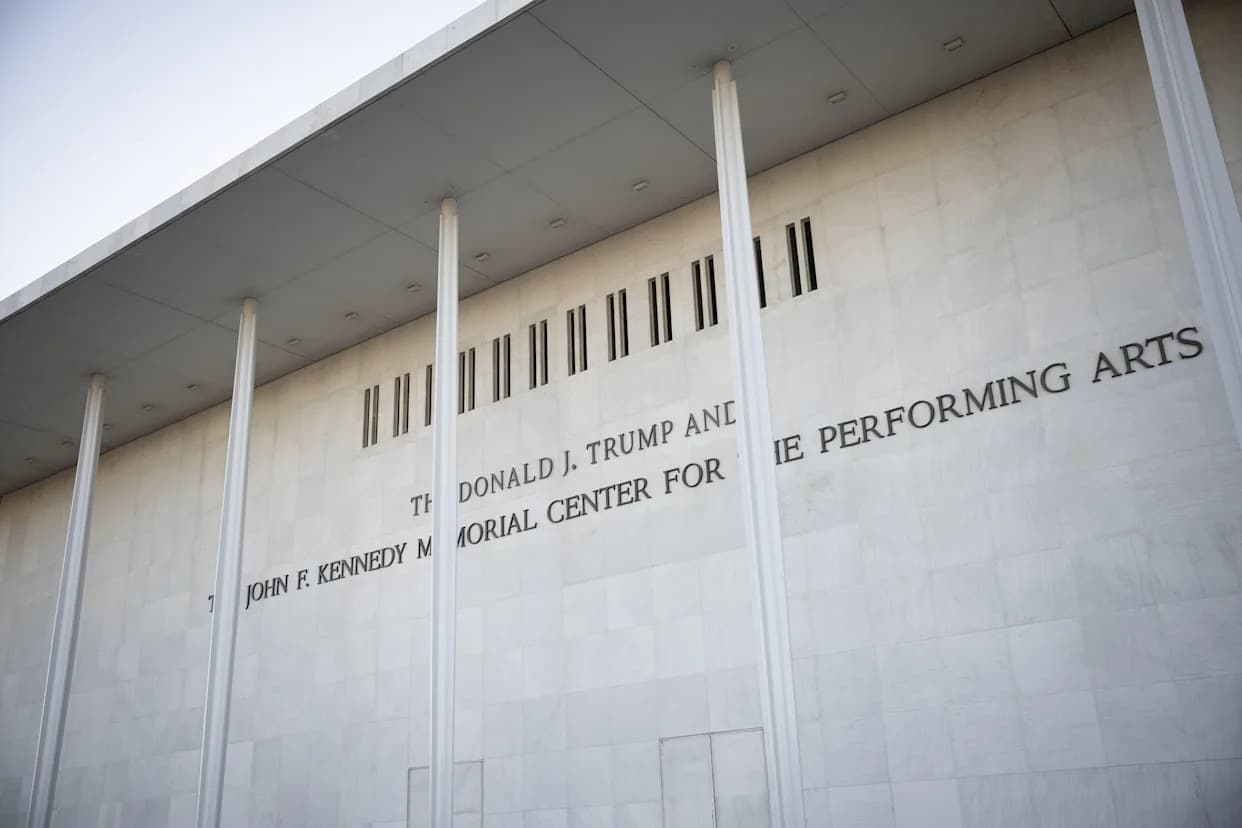
Several of Trump’s earlier efforts to place his name on cultural institutions (including the Kennedy Center and the U.S. Institute of Peace) have drawn legal and ethical scrutiny and could be vulnerable to reversal by future administrations. For a lasting imprint on federal properties, Congress would need to codify the change — and lawmakers typically require a clear political incentive to act.
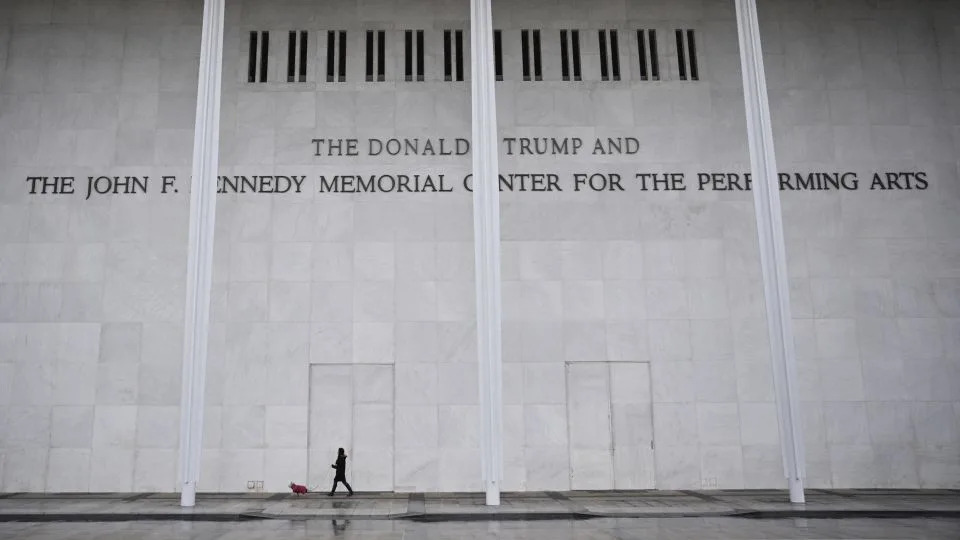
A person and a dog walk in front of the Kennedy Center in Washington, DC, on January 10. - Mandel Ngan/AFP/Getty Images
Public Reaction and Polling
Polling suggests broad public resistance to self-naming. A CNN survey found 62% of Americans said Trump had "gone too far" in making changes to cultural institutions such as the Kennedy Center and the Smithsonian. Earlier polling showed roughly two-thirds opposed a proposed rename of the Gulf of Mexico to the "Gulf of America."
The same CNN poll reported only 33% of respondents felt Trump "cares about people like you," a record low in that metric, and 63%–37% said he does not "put the good of the country above his personal gain." Those perceptions amplify concerns that personal aggrandizement — not policy priorities — is driving some decisions.
Timing And Political Calculation
Critics argue the timing is especially poor: many Americans rate current economic conditions as bad and say the president has not done enough to lower prices. Conventional political strategy would prioritize addressing those concerns to build credibility before pursuing commemorative honors. Instead, the administration appears willing to spend political capital on branding public sites now.
Bottom line: The reported bid to trade federal funds for personal naming rights is unprecedented for a sitting president, drew swift rejection from Senate leaders, and may deepen public doubts about motives and ethics.
This story was updated with additional details as they became available.
Help us improve.