During a CNN NewsNight segment, GOP commentator Scott Jennings defended reports that former President Donald Trump might demand the renaming of major transport hubs in exchange for $16 billion in withheld infrastructure funds. Jennings argued that Trump could not trust posterity to treat his legacy fairly, a defense that prompted laughter and incredulity from fellow panelists including Dan Abrams and Deja Foxx. The exchange underscored the controversy around the former president’s reported push to reshape public landmarks as part of a legacy effort.
CNN Panel Bursts Into Laughter After Scott Jennings Defends Trump’s 'Bonkers' Renaming Demand

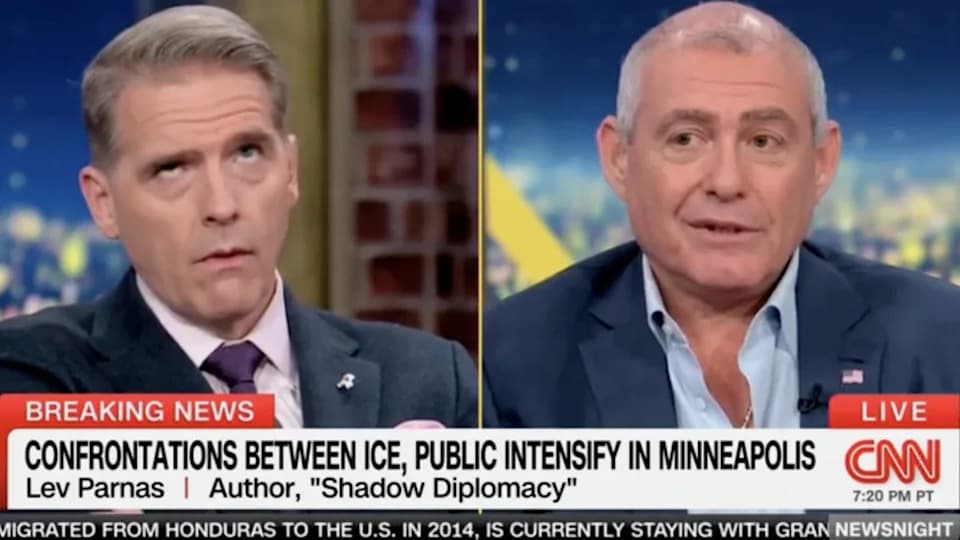
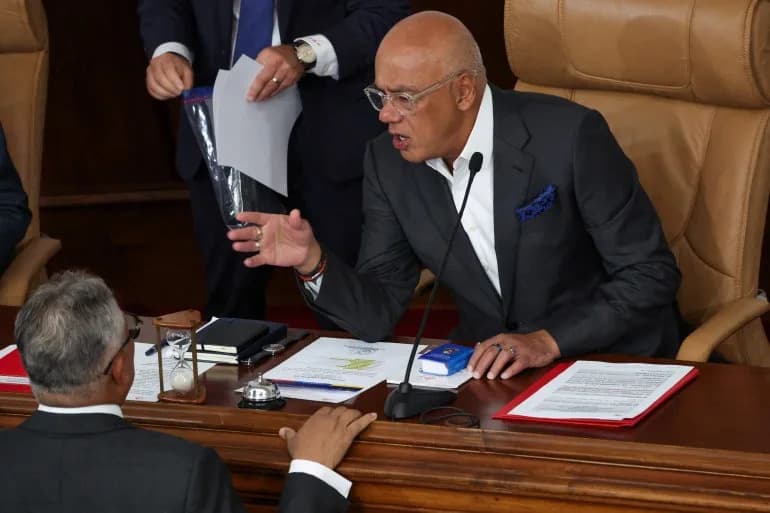
Mediaite founder Dan Abrams and Deja Foxx react to Jennings' defense of Trump. / CNN / NewsNight
Scott Jennings, a Republican commentator on CNN, was met with incredulous laughter after defending a report that former President Donald Trump might seek to rename major transportation hubs in exchange for withheld federal infrastructure funds.
What Happened On Air
On CNN NewsNight, Jennings argued that Mr. Trump — who turns 80 in June — could not trust posterity to treat his legacy fairly and therefore was justified in asking for conditions in exchange for releasing $16 billion in infrastructure funding. His defense prompted audible laughter and disbelief from fellow panelists.
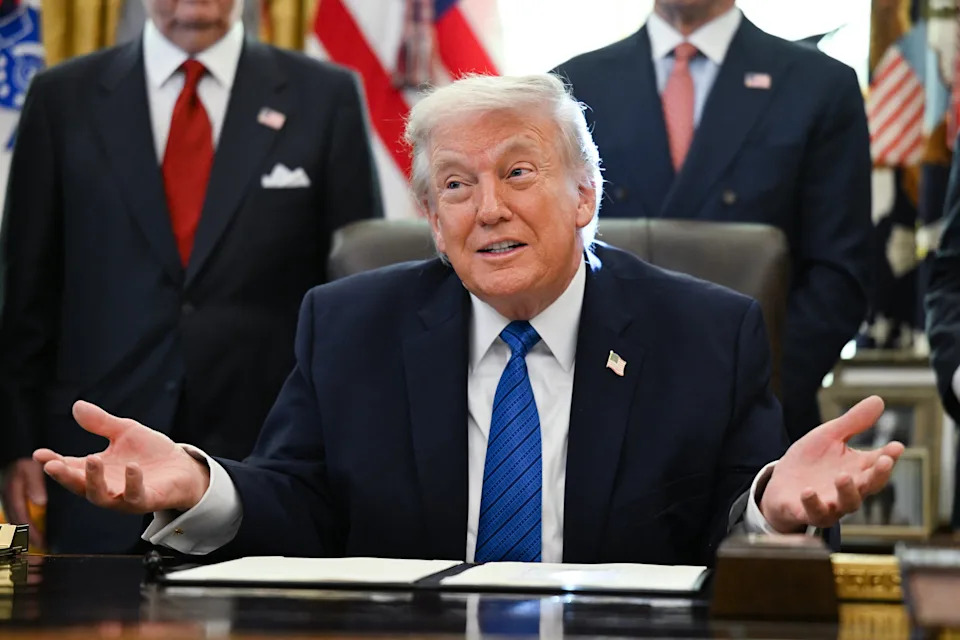
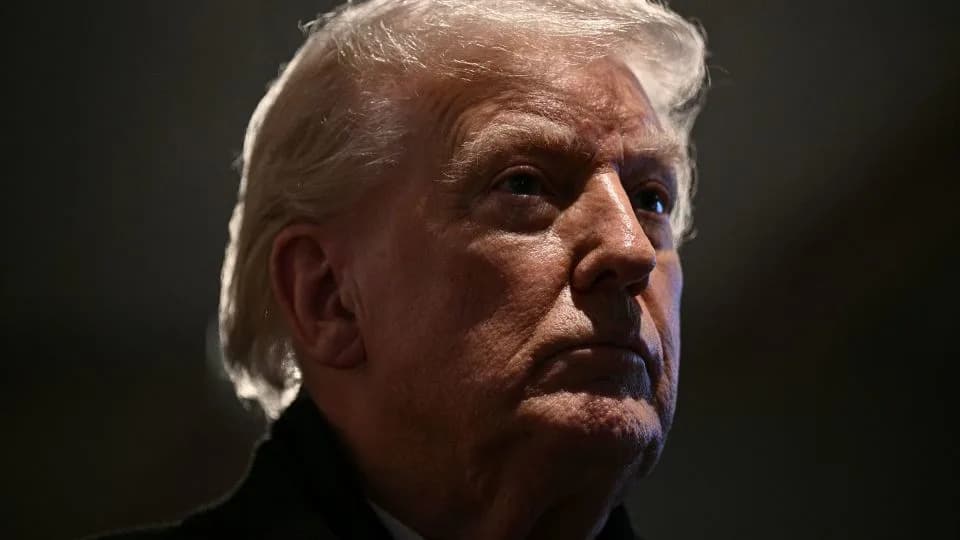
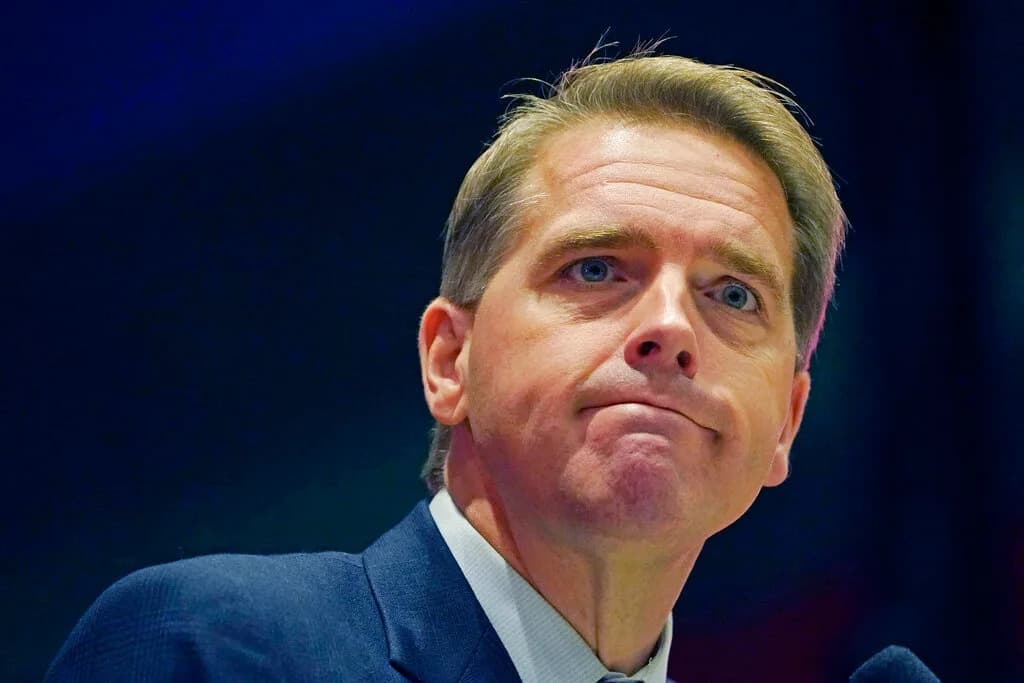
Trump is obsessed with his legacy all of a sudden. / ANNABELLE GORDON / AFP via Getty Images
“Here’s my argument. You could not possibly trust, if you were Donald Trump, knowing everything you’ve been through, you could not possibly trust the posterity somebody doing you right, knowing full well they’re going to do you dirty!” — Scott Jennings
Panel Reaction
Mediaite founder Dan Abrams expressed disbelief, calling the defense surreal. Activist Deja Foxx — described on air as a prominent young progressive voice — said she initially thought the report was a joke. Host Abby Phillip called the proposal “absolutely wild,” and panelists laughed as Jennings insisted that the former president “has to take care of himself” and deserves recognition as a two-term president.
Why It Matters
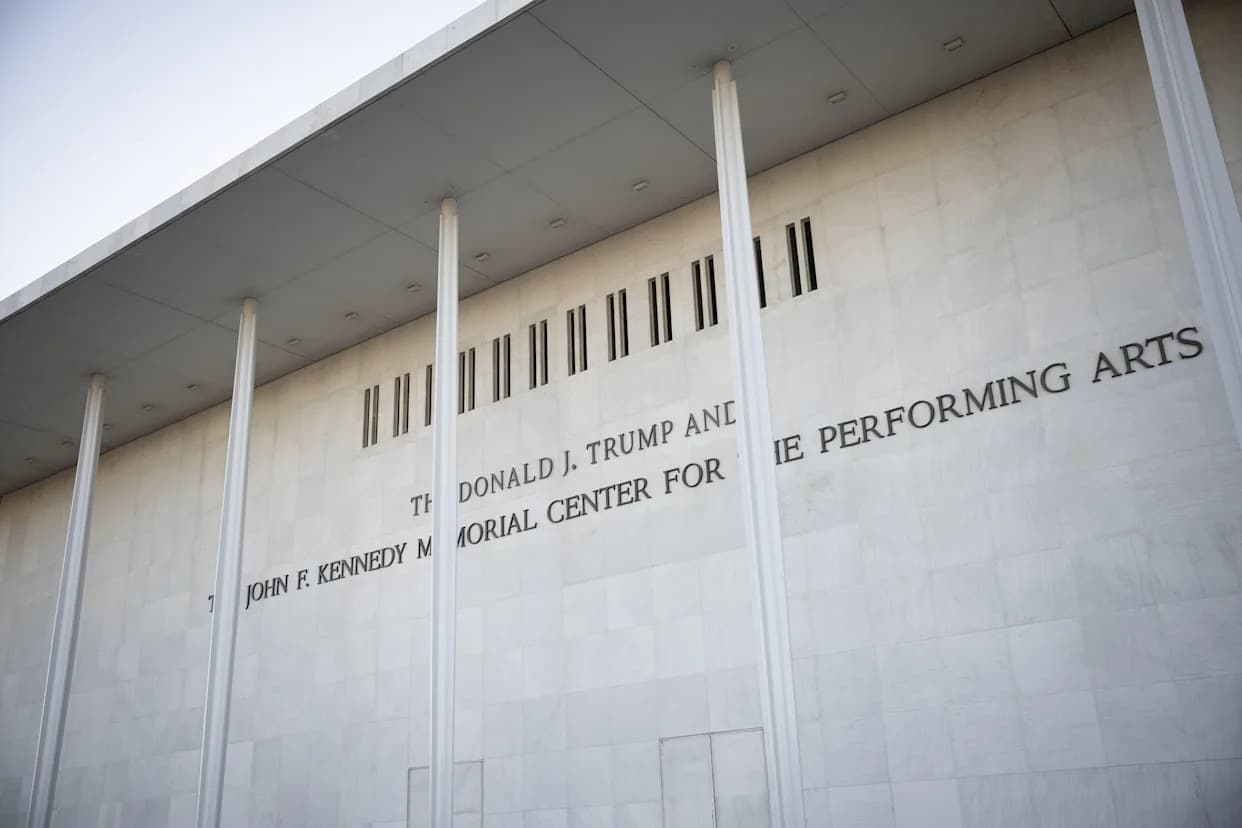
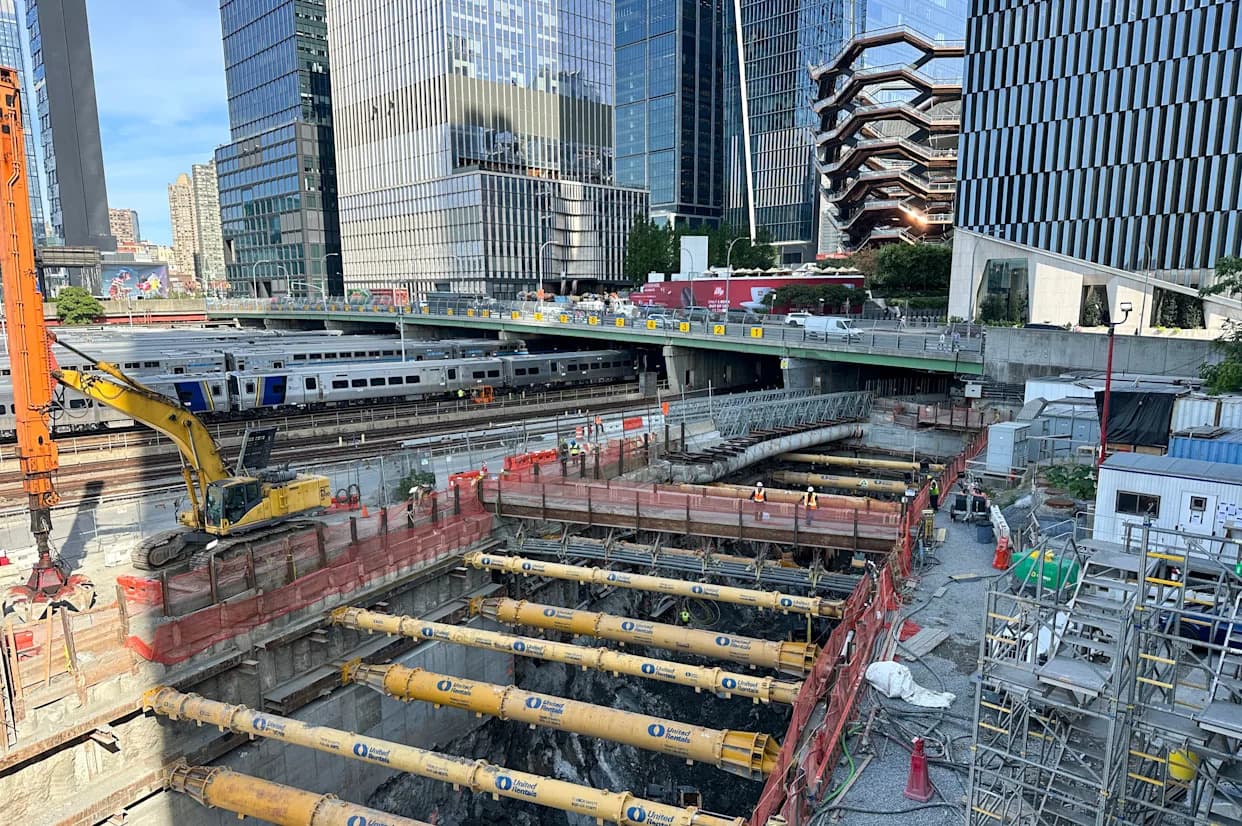
The exchange highlights mounting controversy over reports that Mr. Trump has pressed to have locations such as Washington-Dulles International Airport and New York’s Penn Station renamed in his honor, and that he might condition the release of federal infrastructure money on such concessions. Critics view these moves as an unusual use of political leverage aimed at shaping legacy and public spaces.
Bottom line: The on-air reaction underscored how unusual and polarizing the idea is — even among commentators who typically defend the former president — and it fed a broader national conversation about the limits of legacy politics and the use of federal funding for symbolic aims.
Help us improve.