A British Columbia homeowner who discovered possible Indigenous human remains on their property faces more than C$100,000 in legal, archaeological and monitoring costs. Provincial law currently requires private landowners to pay for protection and investigation of suspected heritage sites without government compensation. The Tk'emlúps te Secwépemc Nation has claimed the site and is seeking a buffer zone that could affect neighbouring lots, but an archaeological firm says the bones may have been introduced earlier as part of a sand-fill deposit. Further tests are needed to determine the remains' origin.
Six-Figure Bill After Possible Indigenous Remains Found on BC Property — Who Pays?
Brickbat: Land Acknowledgement
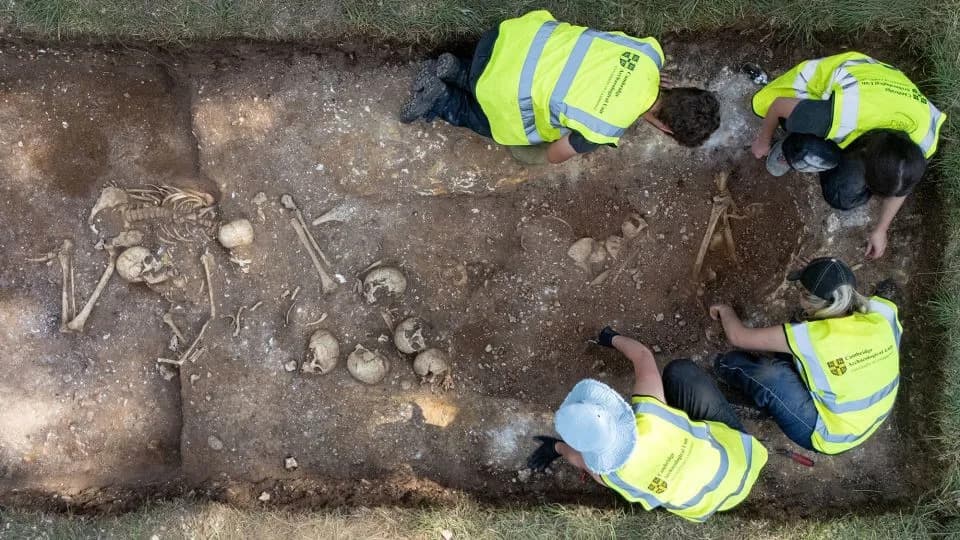
A British Columbia homeowner who discovered what may be Indigenous human remains on their land now faces more than C$100,000 in legal, archaeological and monitoring costs. Under provincial heritage laws, private landowners are required to fund protection and investigation of suspected heritage sites without government compensation.
The Discovery
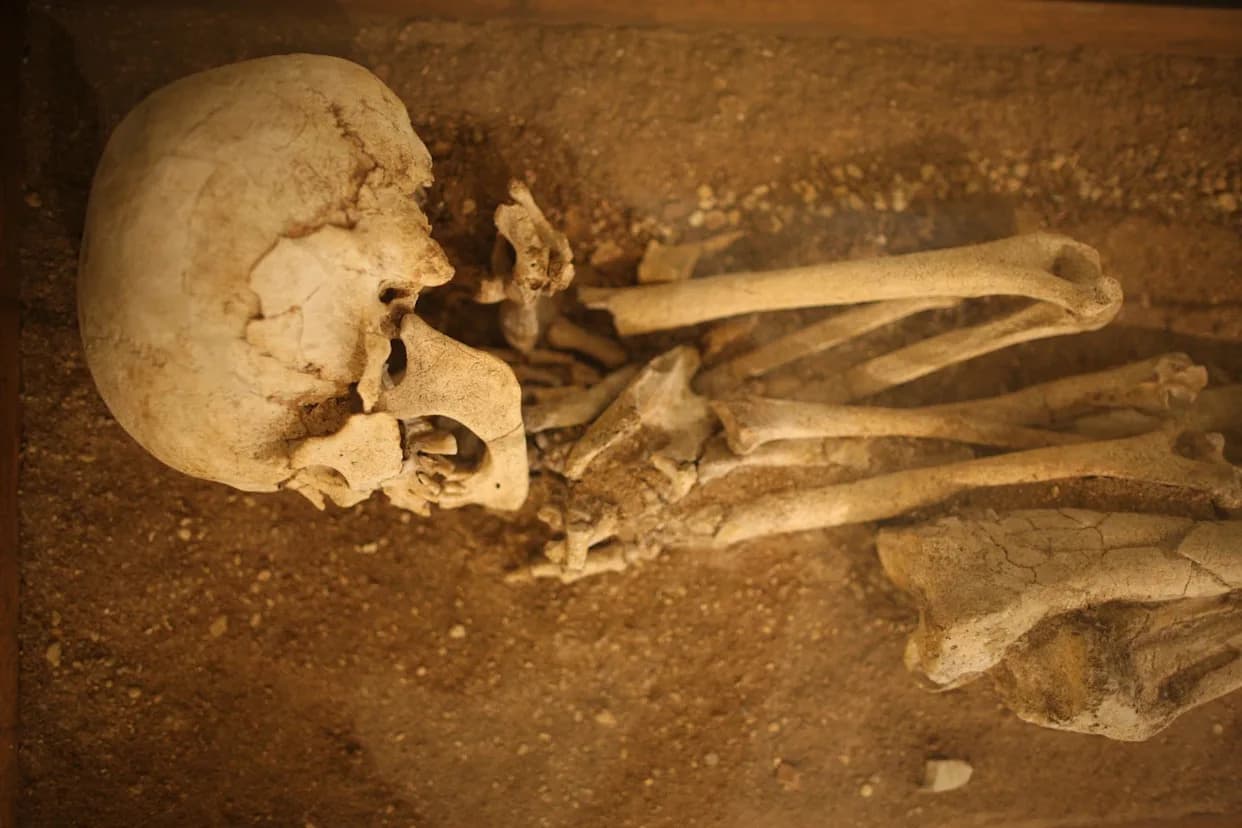
The property owner reported finding human remains on their lot in British Columbia. The Tk'emlúps te Secwépemc Nation has since claimed the site as a heritage location and is seeking a surrounding buffer zone that could affect neighbouring properties. The reported costs for legal advice, archaeological work and ongoing monitoring exceed C$100,000 (about US$73,000) and continue to rise.
Legal And Financial Burden
Provincial law places the responsibility for protecting and investigating suspected heritage sites on private landowners, leaving them to cover all associated expenses. That legal framework has left this homeowner shouldering substantial bills for assessments, site protection measures and archaeological oversight.
Uncertainty Over Origins
It is not yet clear whether the remains are Indigenous. One archaeological firm has suggested an alternative explanation: the bones may have been brought to the site by a previous owner as part of a sand-fill deposit. Investigations are ongoing, and a definitive determination will depend on further archaeological and forensic work.
Broader Implications
This case highlights tensions between heritage protection and private property rights in British Columbia. It raises questions about whether the current provincial approach—requiring private landowners to bear investigation and protection costs with no government compensation—is fair or sustainable. The dispute over the buffer zone also illustrates how heritage claims can affect neighbouring landowners.
Next steps: Further archaeological and forensic tests will be needed to establish the origin of the remains. The outcome will determine whether the site is formally protected and whether the buffer zone claim stands.
Help us improve.