Britain's foreign secretary Yvette Cooper will visit Finland and Norway to urge NATO to strengthen Arctic security in response to growing Russian activity. During the trip she will meet Finnish border guards and observe Norwegian marines in live exercises, highlighting frontline defence. The Foreign Office called Russia the "greatest threat" to the region and warned that climate change and new shipping routes have turned the Arctic into a geopolitical hotspot. Cooper emphasized the need for unified NATO action to protect undersea infrastructure and Euro-Atlantic interests.
UK Foreign Secretary Calls on NATO to Boost Arctic Defence During Finland and Norway Visit
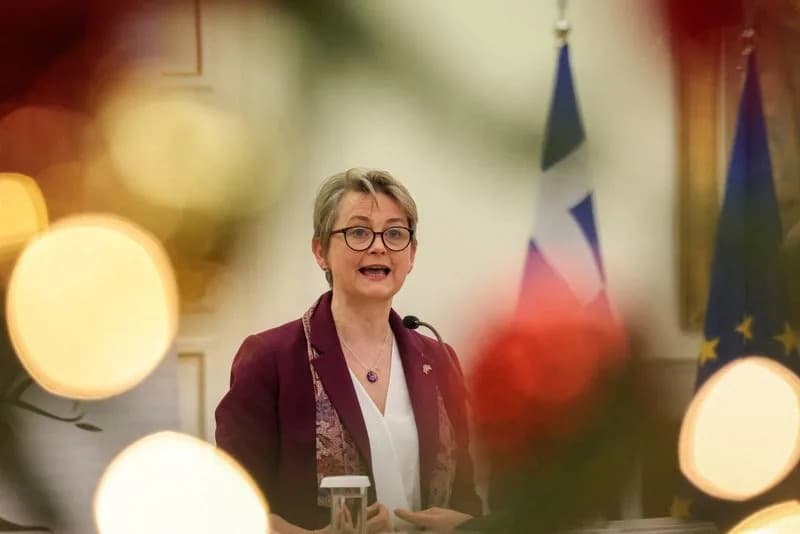
FILE PHOTO: British Foreign Secretary Yvette Cooper speaks in Athens, Greece, December 18, 2025. REUTERS/Louisa Gouliamaki/File Photo
Britain's foreign secretary, Yvette Cooper, will visit Finland and Norway to press NATO to increase its focus on Arctic security and protect strategic regional interests against an increasingly assertive Russia, the Foreign Office said.
Visits, Meetings and Messages
Cooper's tour of the Arctic Circle follows renewed public comments by U.S. President Donald Trump about Greenland, an autonomous territory of the Kingdom of Denmark. The visits coincide with scheduled talks in Washington between the Danish and Greenlandic foreign ministers and U.S. officials — including Vice President JD Vance and Secretary of State Marco Rubio.
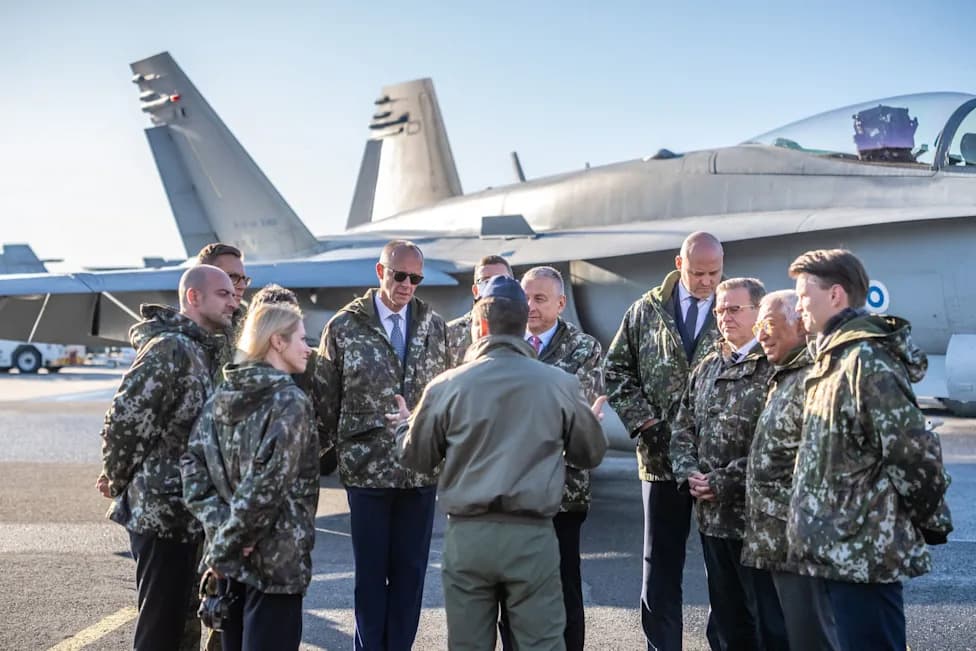
Prime Minister Keir Starmer has said the UK stands with Denmark on the Greenland issue. Cooper will meet Finnish border guards guarding NATO's eastern flank and will observe Norwegian marines taking part in live training exercises, underscoring London’s emphasis on frontline readiness.
Why the Arctic Matters
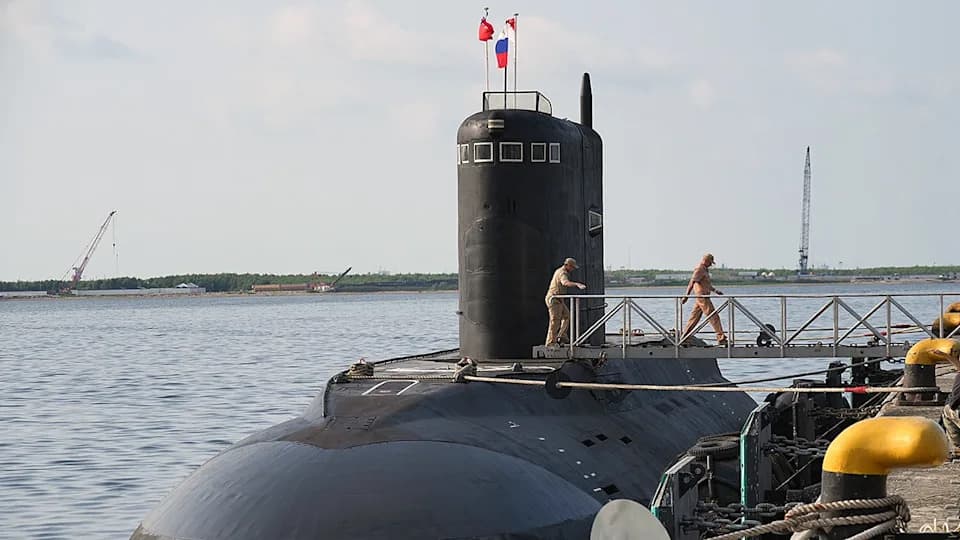
The Foreign Office described Russia as the "greatest threat" to Arctic security. The region — the "high north", which includes Greenland — hosts vital shipping routes and critical infrastructure such as undersea cables, making it strategically important to the UK's national security and to NATO's collective defence.
"Arctic security is critical to protecting Britain and NATO," Cooper said, urging the alliance to step up efforts to defend Euro-Atlantic interests against "hostile states who seek to meddle" in the high north.
The UK highlighted multiple risks from Russia, including increased military activity, threats to undersea infrastructure, and the use of a so-called "shadow fleet". Last week, Britain supported a U.S. operation to seize a Russian-flagged oil tanker in the North Atlantic — an example of growing Western action in the region.
Climate Change, Competition and Cooperation
Cooper warned that climate change is opening new shipping lanes and exposing resources, turning the Arctic into a geopolitical hotspot. She stressed that NATO cooperation is essential to unify responses and protect shared interests in the face of these challenges.
Officials say the trip aims to deepen UK-Nordic defence ties, highlight the strategic importance of the high north, and press allies to prioritize the Arctic within NATO planning and operations.
Help us improve.