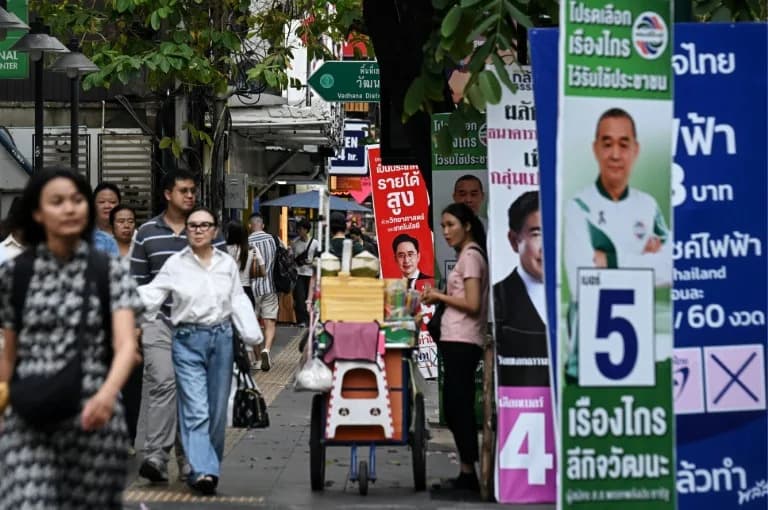
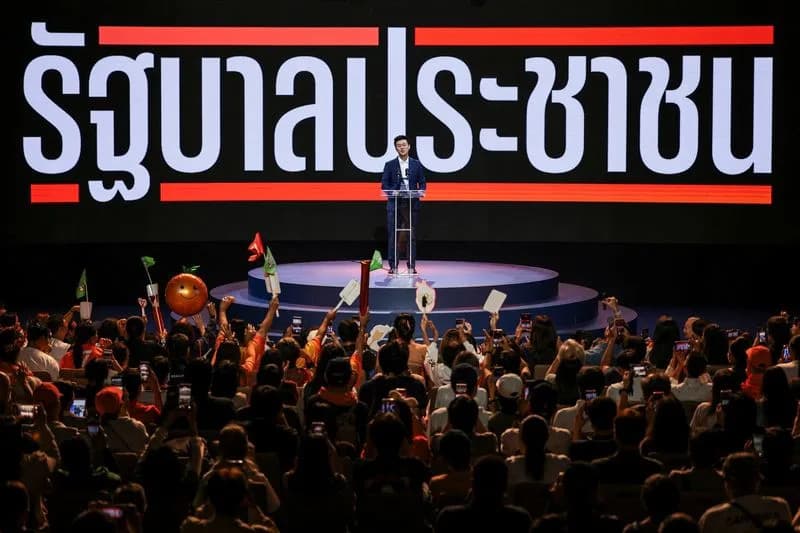
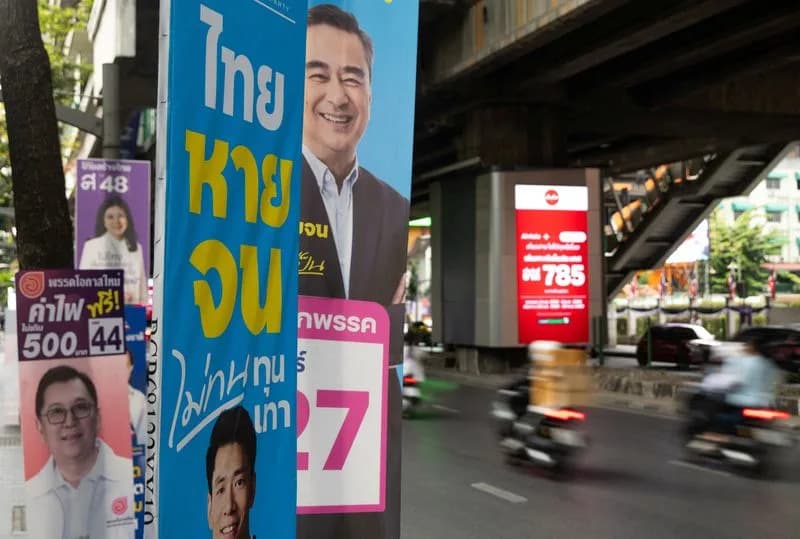
Pheu Thai is heading into this weekend’s election at its weakest polling in decades, with a NIDA survey of 2,500 respondents putting the party at about 16 percent. Founder Thaksin Shinawatra is serving a one-year prison term and his daughter was removed from office by a constitutional court, yet the party’s grassroots network and the Shinawatra brand remain strong enough to make Pheu Thai a potential coalition kingmaker. The party has nominated Thaksin’s nephew, Yodchanan Wongsawat, as its prime ministerial candidate.
Family Affair: Waning Shinawatra Dynasty Could Still Be Thailand’s Election Kingmaker
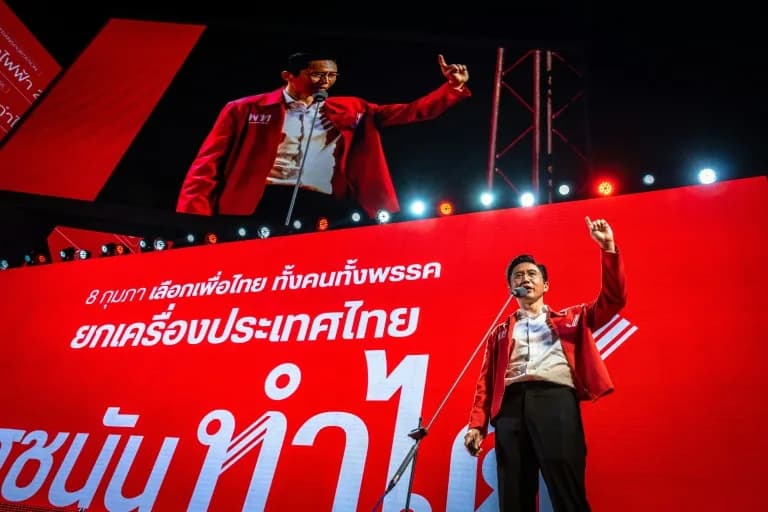
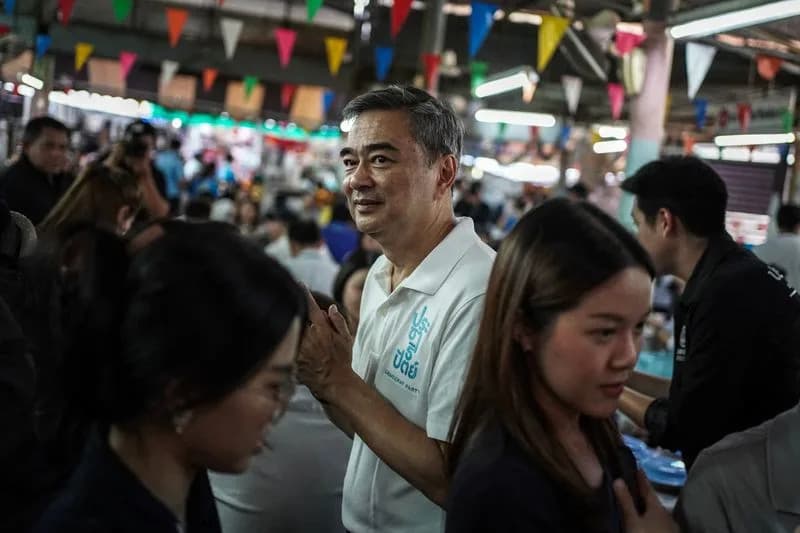
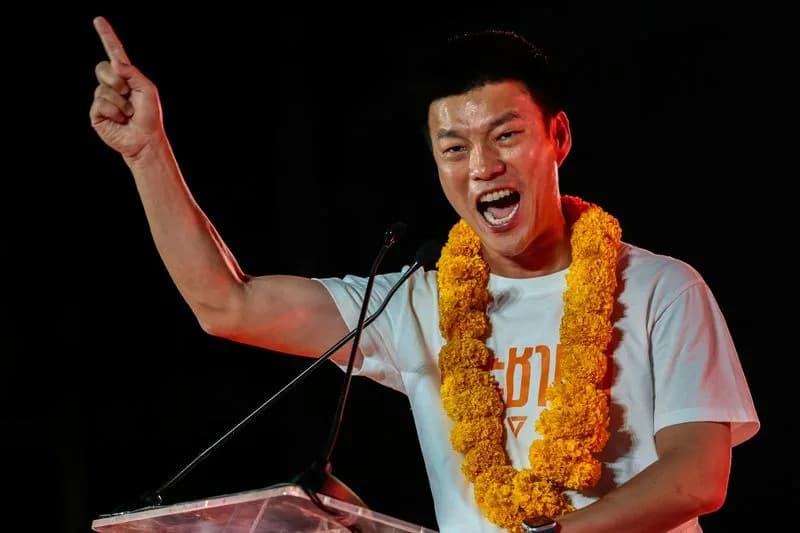
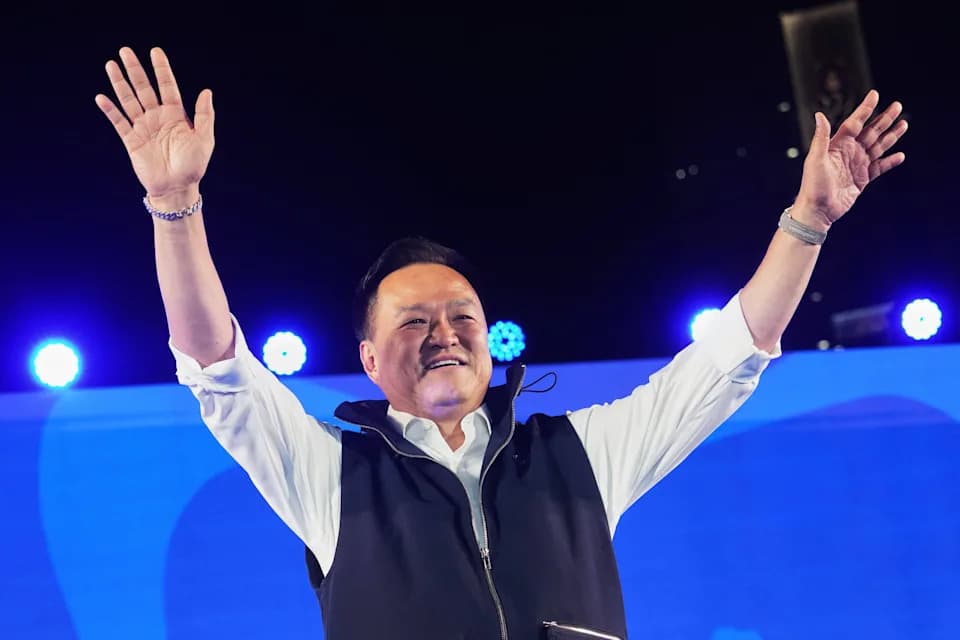
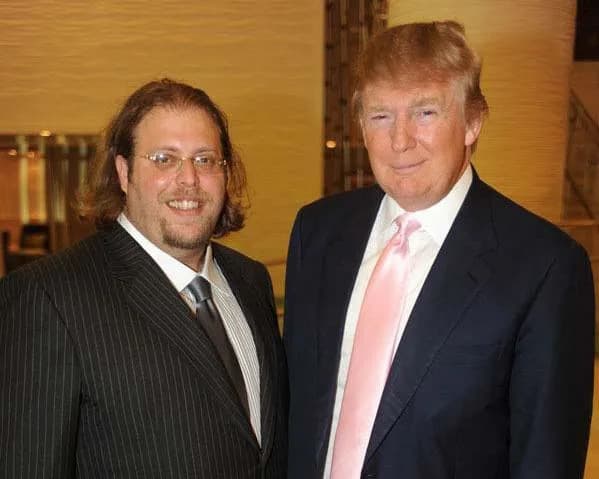
Yodchanan Wongsawat could become the Shinawatra family's fifth Thai prime minister, despite the party's woes (Chanakarn Laosarakham)(Chanakarn Laosarakham/AFP/AFP)
Thailand’s most electorally successful modern party, Pheu Thai, is heading into this weekend’s vote facing its weakest showing in years — yet the family that built it remains a decisive force. Independent polling by the National Institute of Development Administration (NIDA) of 2,500 respondents puts Pheu Thai at roughly 16 percent nationally, a far smaller share than at its peak. Even so, the party’s grassroots network and the enduring “Shinawatra” brand mean it could still play kingmaker in any coalition.
Legacy, Network and New Candidate
Founder Thaksin Shinawatra is serving a one-year prison sentence for corruption, and his daughter Paetongtarn was removed from office last year by a constitutional court ruling. With Thaksin sidelined, the party has nominated his nephew, Yodchanan Wongsawat — a biomedical engineering professor at Mahidol University — as its prime ministerial candidate. If elected, he would be the family’s fifth premier in 25 years; the previous four were removed by military coups or court decisions.
“On paper the party should be dead, but on the ground its network is still quite intact,” said political scientist Napon Jatusripitak.
Populist Roots and Continued Appeal
In the early 2000s Thaksin reshaped Thai politics with populist policies that won broad electoral support, including the widely remembered 30-baht universal health-care scheme. His supporters — often known as the Red Shirts — staged mass protests after his ouster and conviction in absentia; Human Rights Watch reported that clashes with security forces around 2010 left at least 90 people dead.
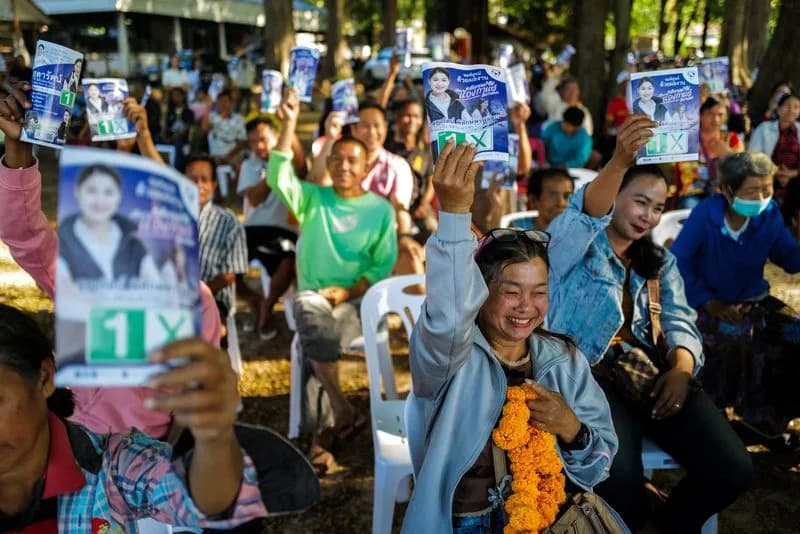
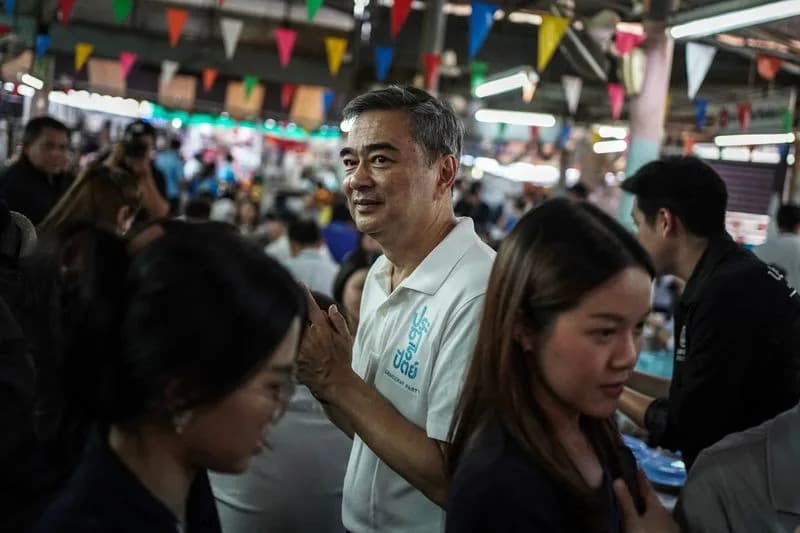
At campaign stops, elderly voters still cite concrete benefits from past Shinawatra-era policies. At a Pheu Thai event in Saraburi province, a 65-year-old supporter said free medicine under Thaksin’s government won her loyalty; volunteers at rallies still sell shirts bearing his image and urge crowds to cheer so he can hear them from jail.
Enemies, Alliances and the Road Ahead
Thailand’s conservative, pro-military and pro-monarchy establishment views Pheu Thai’s populism as a challenge to the traditional order. After the 2023 election, anti-Pheu Thai forces formed a coalition that blocked the People’s Party from power despite that party finishing first. Paetongtarn’s removal by the constitutional court followed a leaked phone call in which she referred to a senior military commander as an "opponent," a remark that triggered political backlash.
Most analysts expect no single party to secure an outright majority. Even with diminished vote share, Pheu Thai could still win enough seats to be a pivotal coalition partner — giving the Shinawatra family leverage that extends beyond raw vote totals. Critics argue the party needs to evolve from a family-led movement into a more institutionalized political organization; supporters counter that its brand and local networks remain potent.
Key takeaway: Pheu Thai’s national vote share may have shrunk, but its organizational reach and the Shinawatra name still give it outsized influence in a fragmented political landscape.
Help us improve.