Internal divisions within the Trump administration became public when a DHS spokesperson condemned ICE attorney Juliet Le after an emotional Minnesota court hearing. Le, detailed to the U.S. Attorney's Office, told a judge her job "sucked" and asked to be held in contempt to get rest while criticizing ICE for not following release orders. She was pulled from her detail and reportedly fired amid an overwhelming habeas caseload tied to enforcement actions.
DHS Rebukes ICE Attorney After Emotional Courtroom Outburst Over Detention Orders
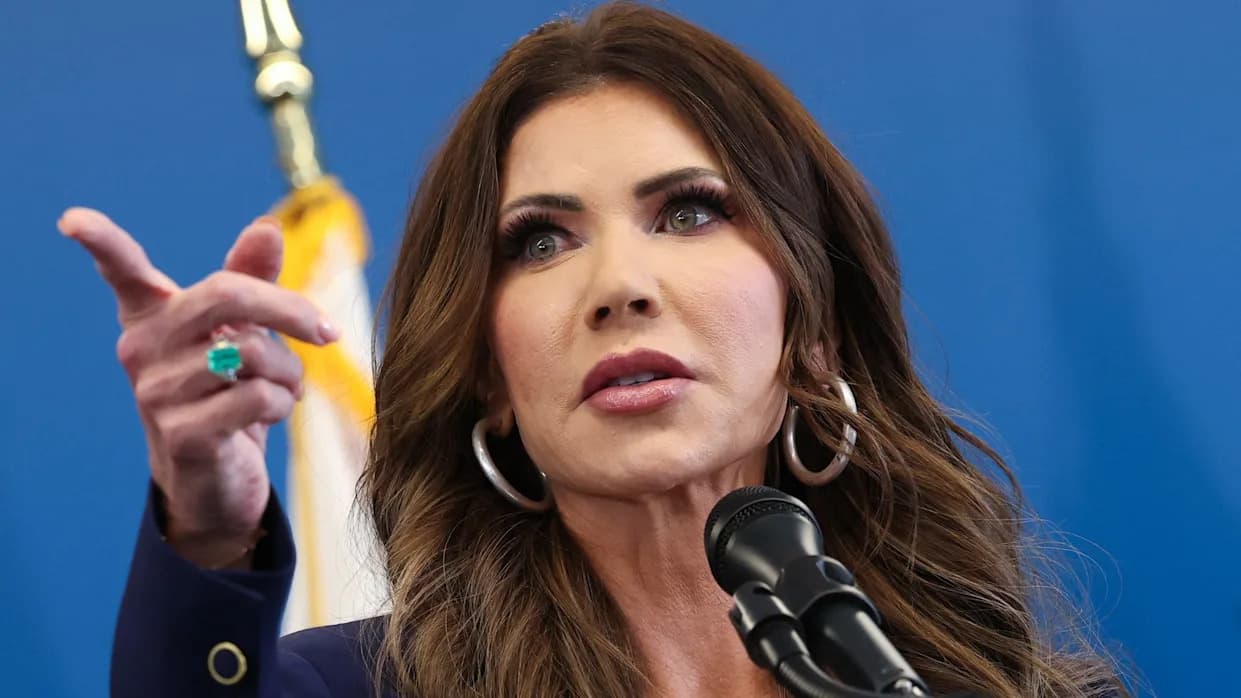
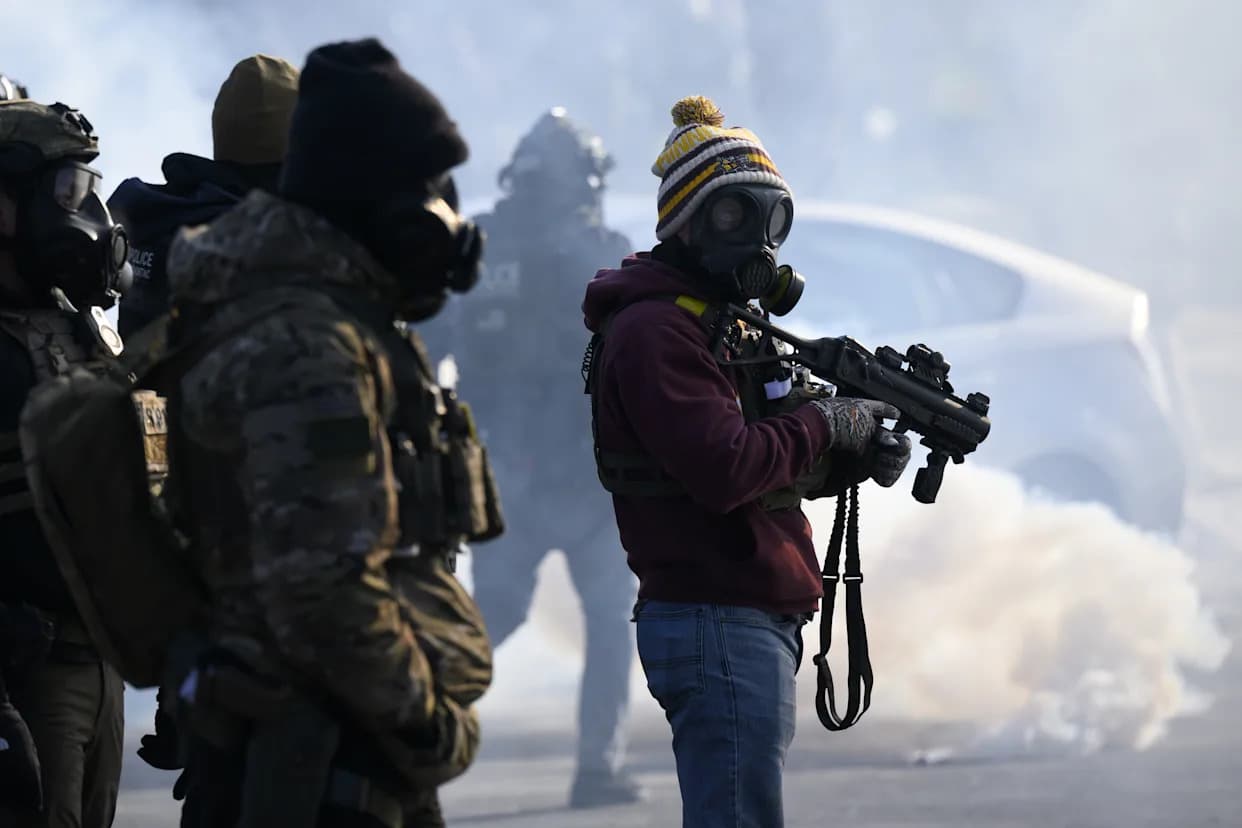
Timothy A Clary/AFP via Getty Images
Internal tensions within the Trump administration surfaced publicly this week after a Department of Homeland Security (DHS) spokesperson sharply criticized an ICE attorney who clashed with a federal judge during a hearing in Minnesota.
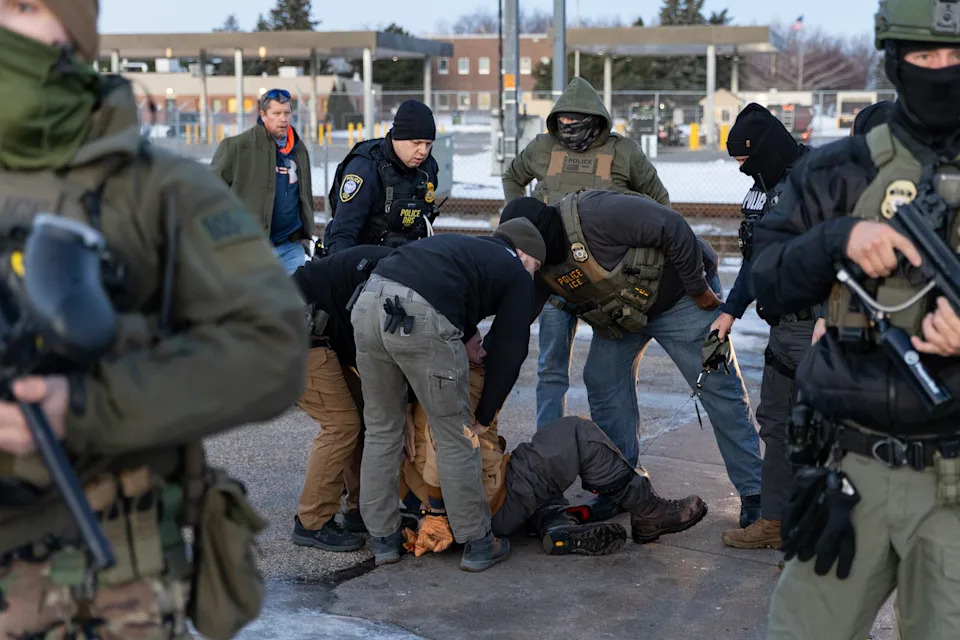
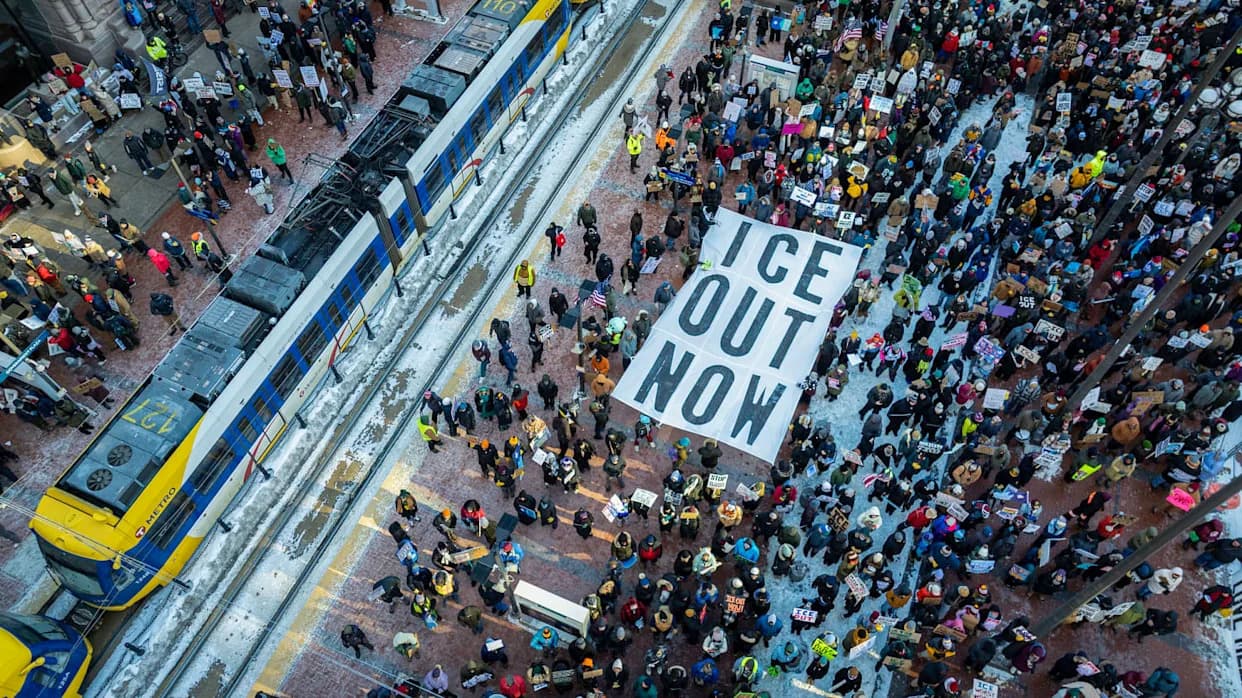
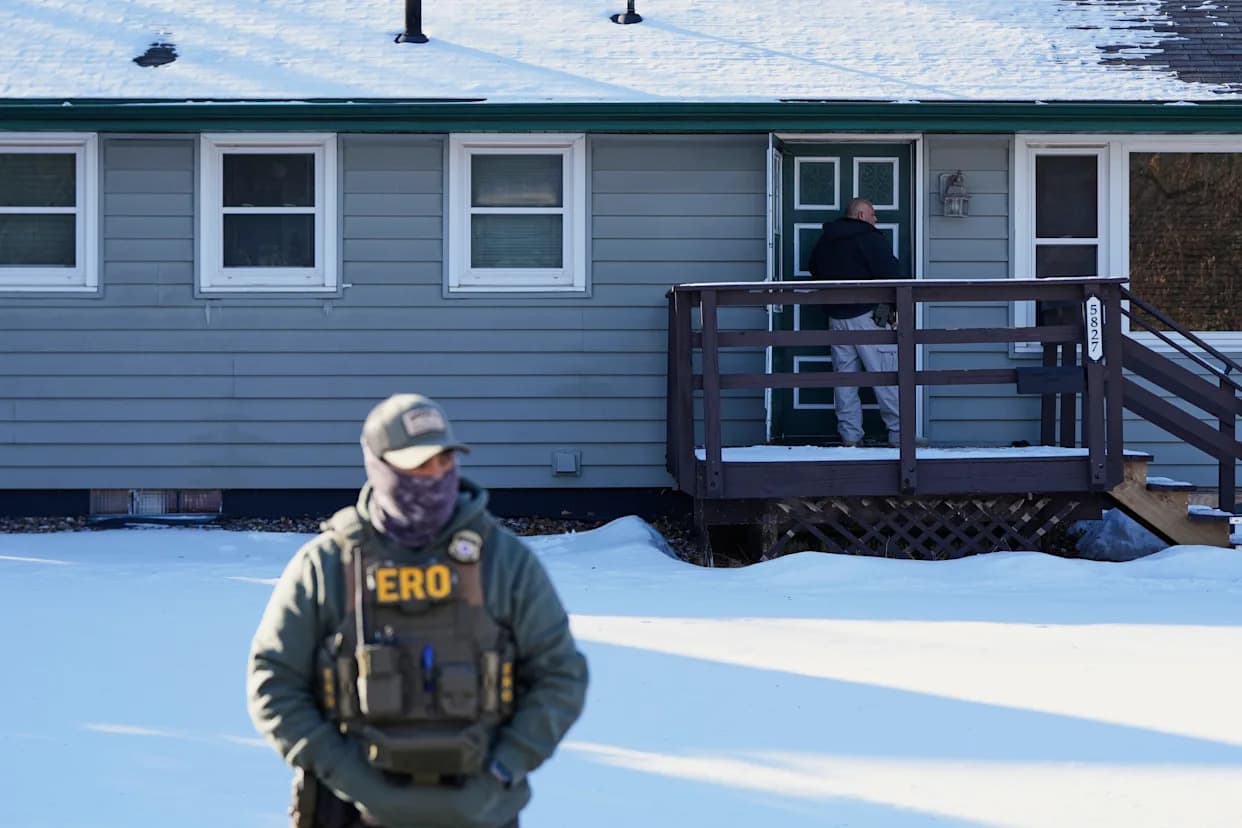
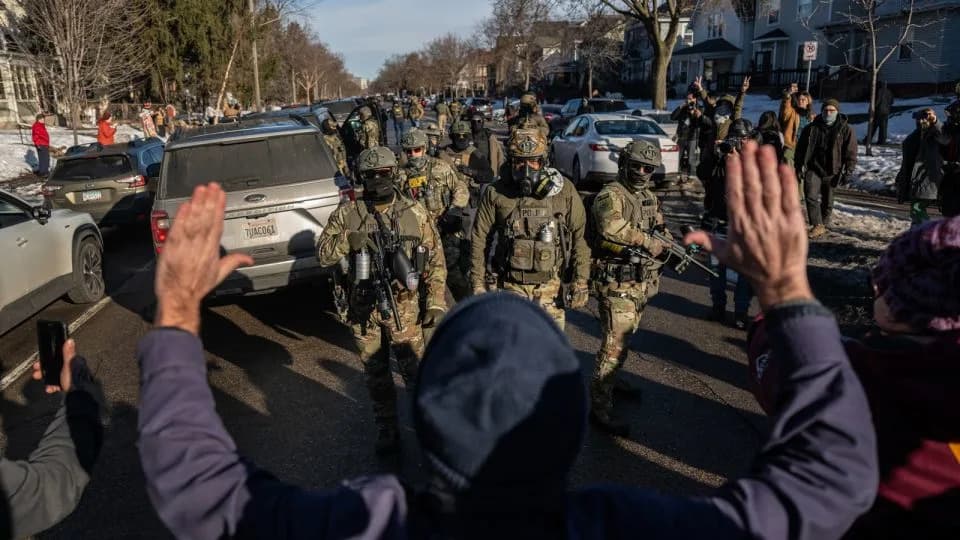
Hundreds of unlawful detention cases have been filed against ICE in Minnesota in connection with President Trump's immigration enforcement surge. / Anadolu / Anadolu via Getty Images
What Happened
On Wednesday, DHS spokesperson Tricia McLaughlin called Juliet Le a "probationary attorney" and condemned Le's conduct following remarks Le made in court about the agency's handling of detainee releases. McLaughlin said the behavior was "unprofessional and unbecoming of an ICE attorney," and a spokesperson later confirmed that Le has been removed from her detail and reportedly fired.
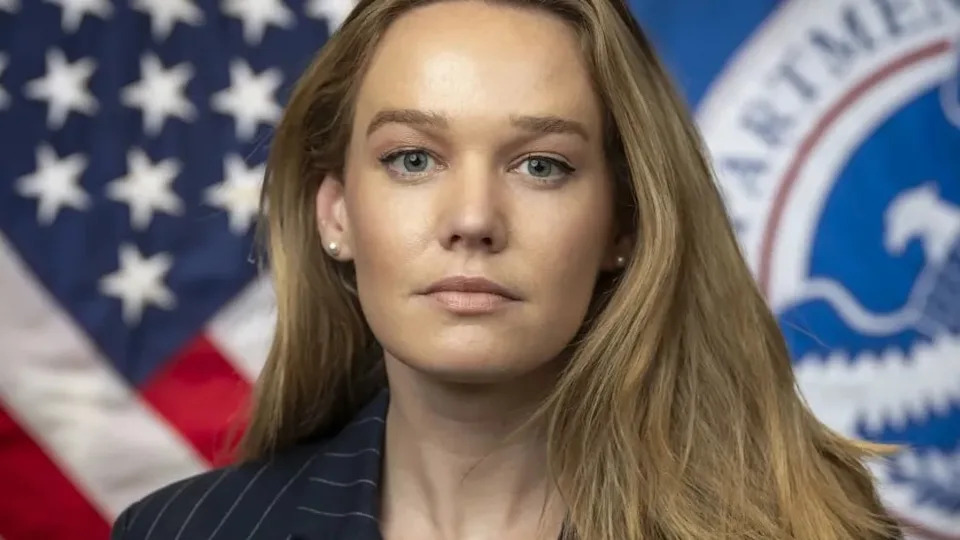
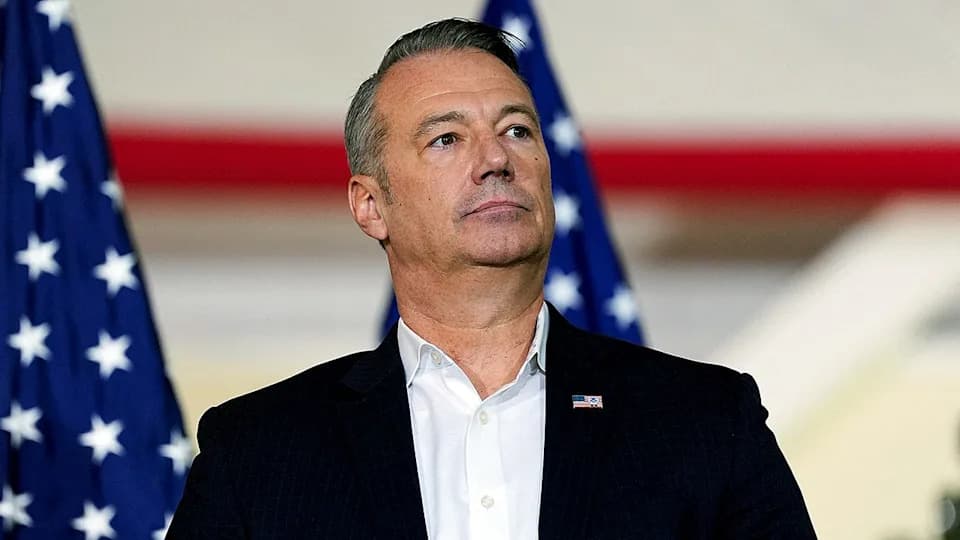
ICE spokesperson Tricia McLaughlin raged against Julie Le's courtroom testimony. / Department of Homeland Security
Courtroom Exchange
Le, who had been detailed from DHS to the U.S. Attorney's Office in Minnesota, made the comments during a hearing before Judge Jerry Blackwell addressing why ICE had continued to detain five immigrants despite prior judicial orders to release them. According to press accounts and a hearing transcript obtained by NOTUS, Le said she was overwhelmed by the caseload and frustrated by agency noncompliance.
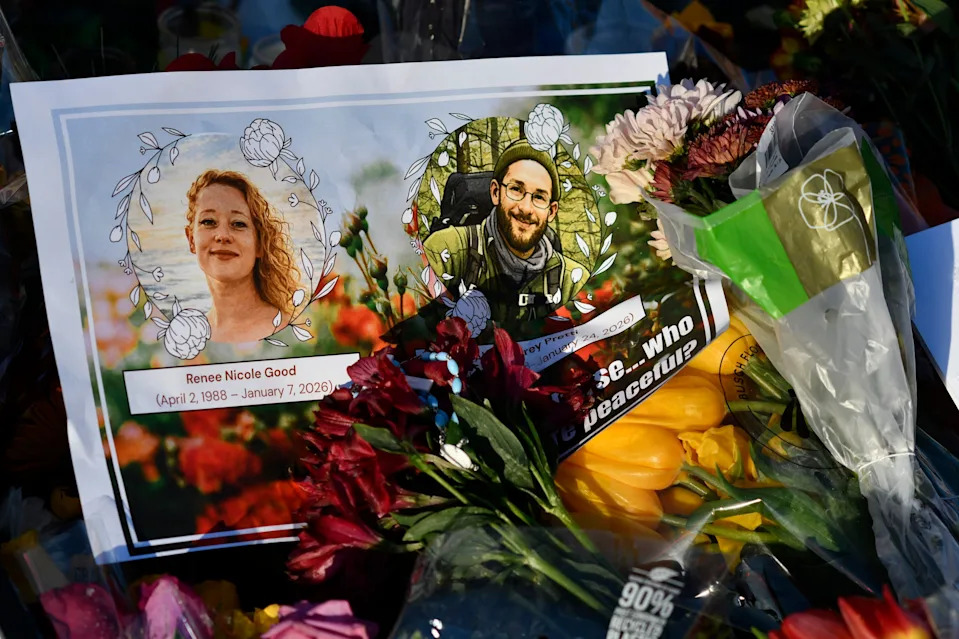
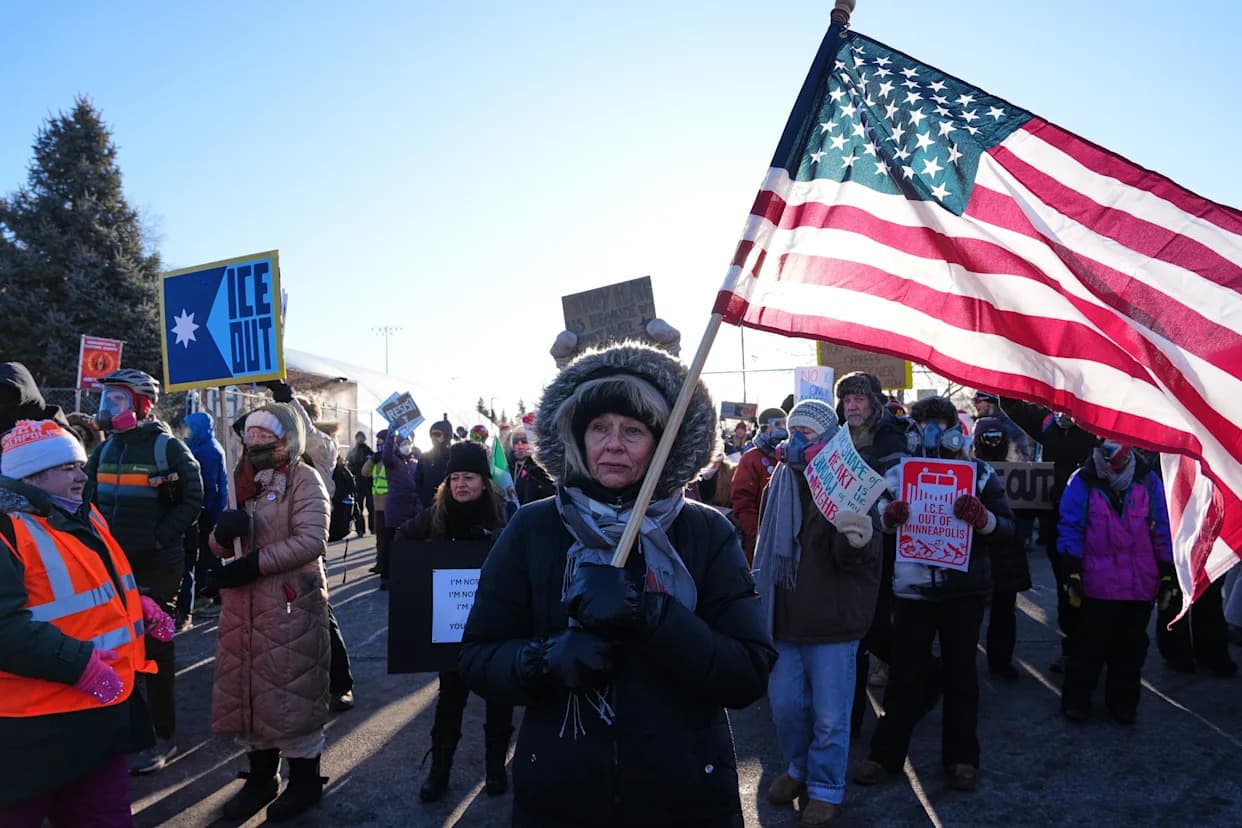
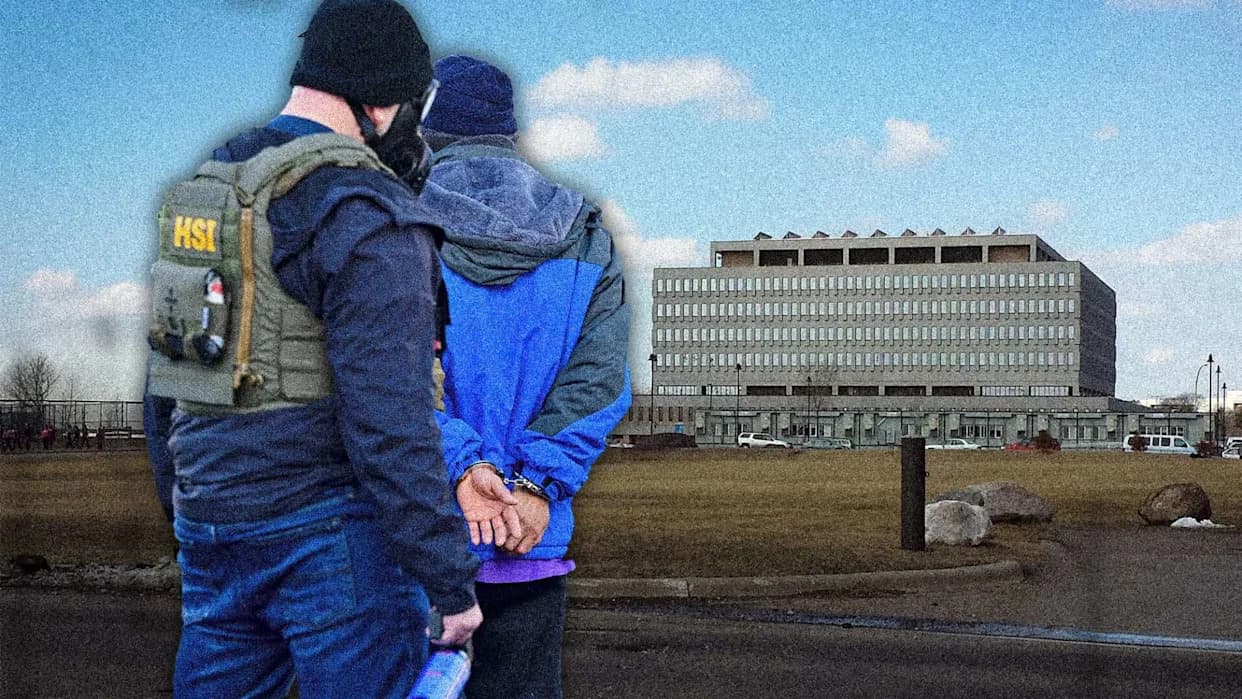
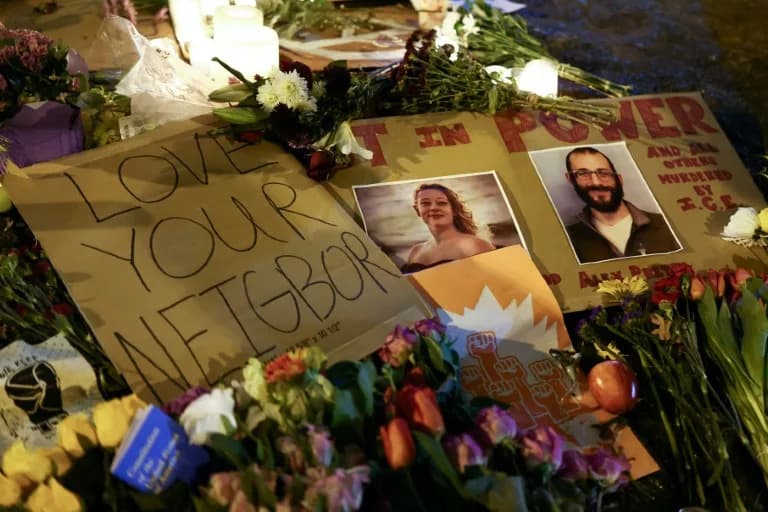
The U.S. Attorney's Office in Minnesota has faced a mass exodus over concerns about its handling of cases stemming from President Trump's Operation Metro Surge, including the DOJ's refusal to investigate the killings of Renee Nicole Good and Alex Pretti at the hands of federal immigration agents. / OCTAVIO JONES / AFP via Getty Images
"The system sucks. This job sucks. I wish you could hold me in contempt so that I could get 24 hours of sleep. I work days and nights just because people are still in there," Le told the judge. She also described getting ICE officials to follow court orders as like "pulling teeth."
Context And Workload
Le had volunteered in early January to assist the Minnesota U.S. Attorney's Office with a surge of habeas corpus petitions tied to the administration's enforcement activity in the state. News reports say she was assigned as many as 88 cases in under a month and that the U.S. Attorney's Office in Minnesota has lost more than a dozen attorneys recently amid disputes over how the Justice Department is handling the operation.
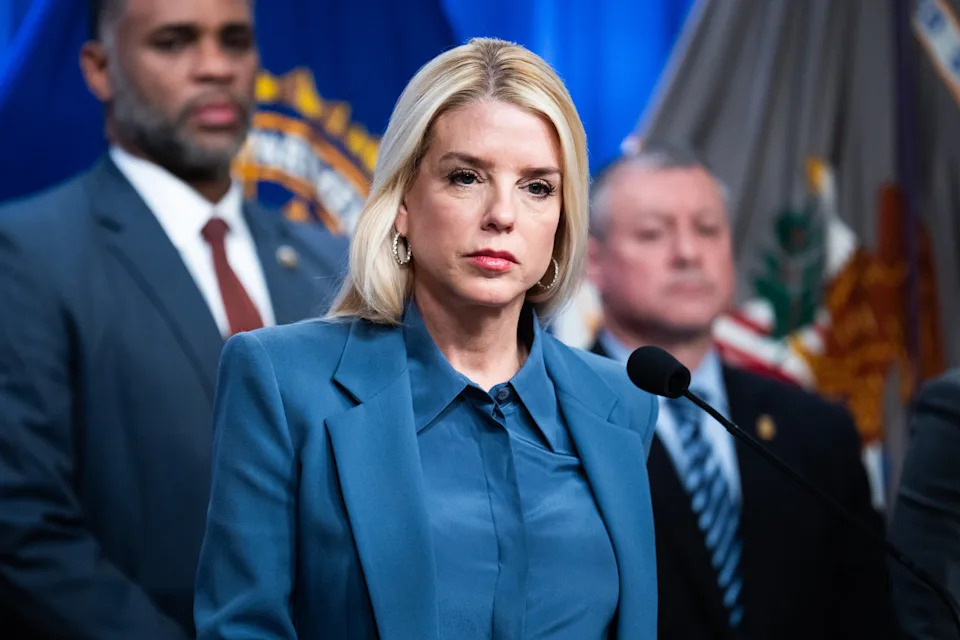
Pam Bondi's DOJ blamed the backlog of habeas cases on
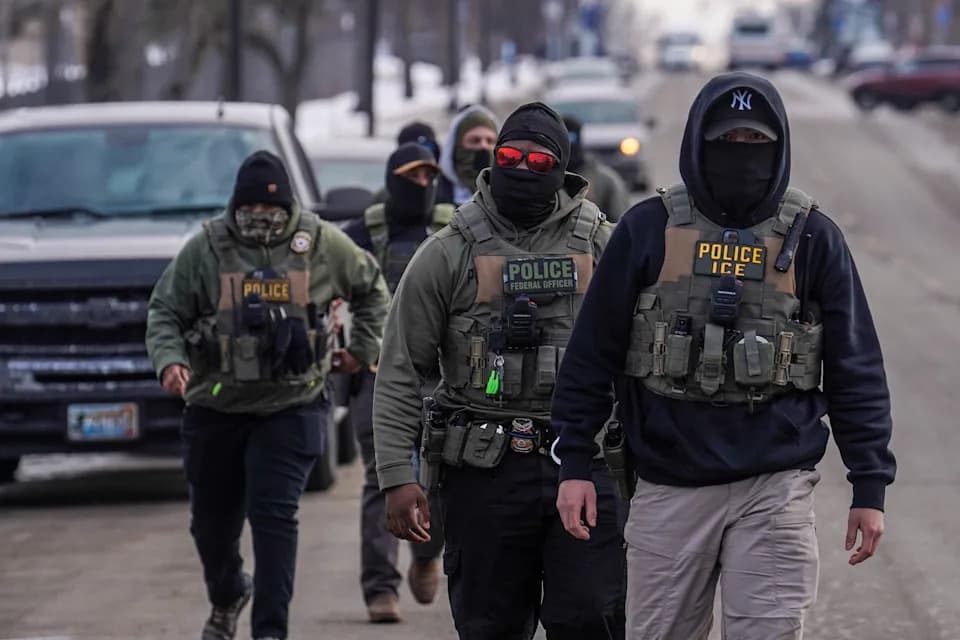
Judges have reportedly struck down the administration's mandatory detention rule in more than 1,600 cases, yet federal authorities have in some instances continued to enforce the policy, compounding the backlog of wrongful-detention claims, according to reporting by Politico and others.
Official Responses
A Department of Justice official told the Daily Beast that Le was pulled from her detail after the hearing. The DOJ — via a spokesperson associated with then-Attorney General Pam Bondi's office — faulted federal judges for contributing to the caseload. "If rogue judges followed the law in adjudicating cases and respected the Government's obligation to properly prepare cases, there wouldn't be an 'overwhelming' habeas caseload or concern over DHS following orders," the DOJ statement said.
The Daily Beast and other outlets reported they reached out to Le and DHS for comment. The hearing transcript and contemporaneous reporting form the basis for the timeline and direct quotations cited here.
Why It Matters
The episode highlights operational strain and friction between prosecutors, DHS and immigration enforcement officials — and raises questions about how federal agencies coordinate compliance with court orders during large-scale enforcement actions. Le's courtroom statements and the subsequent personnel action underscore both the human toll on attorneys working intensive caseloads and the broader institutional disputes playing out in public.
Help us improve.