Guan Heng, who filmed alleged detention facilities in Xinjiang, was granted asylum by an immigration judge on Jan. 28 and released from U.S. federal custody after more than five months detained. He reunited with his mother in Binghamton, N.Y., while the Department of Homeland Security considers whether to appeal the ruling. The case drew attention from lawmakers and human rights advocates and underscores concerns about treatment of Uyghurs and other minorities in Xinjiang.
Chinese Whistleblower Granted Asylum, Freed From U.S. Detention After Months in Custody
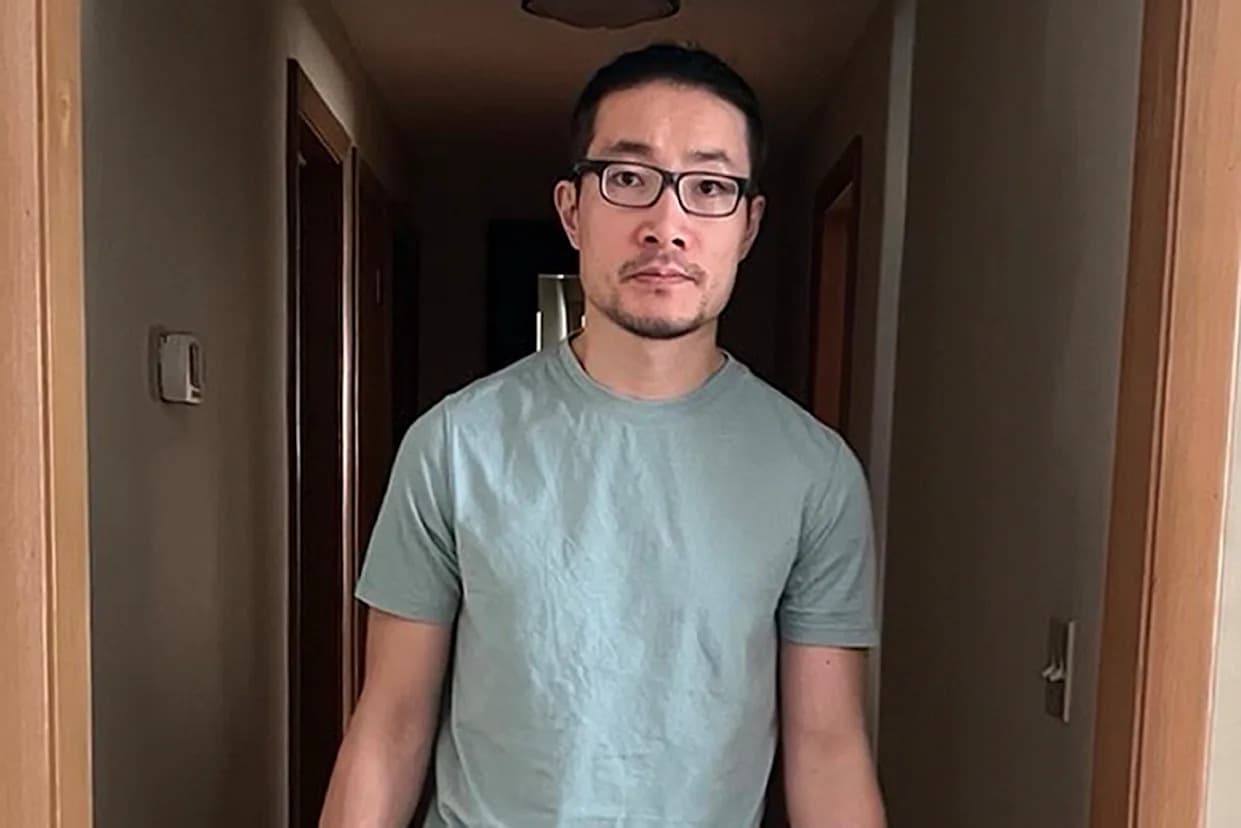
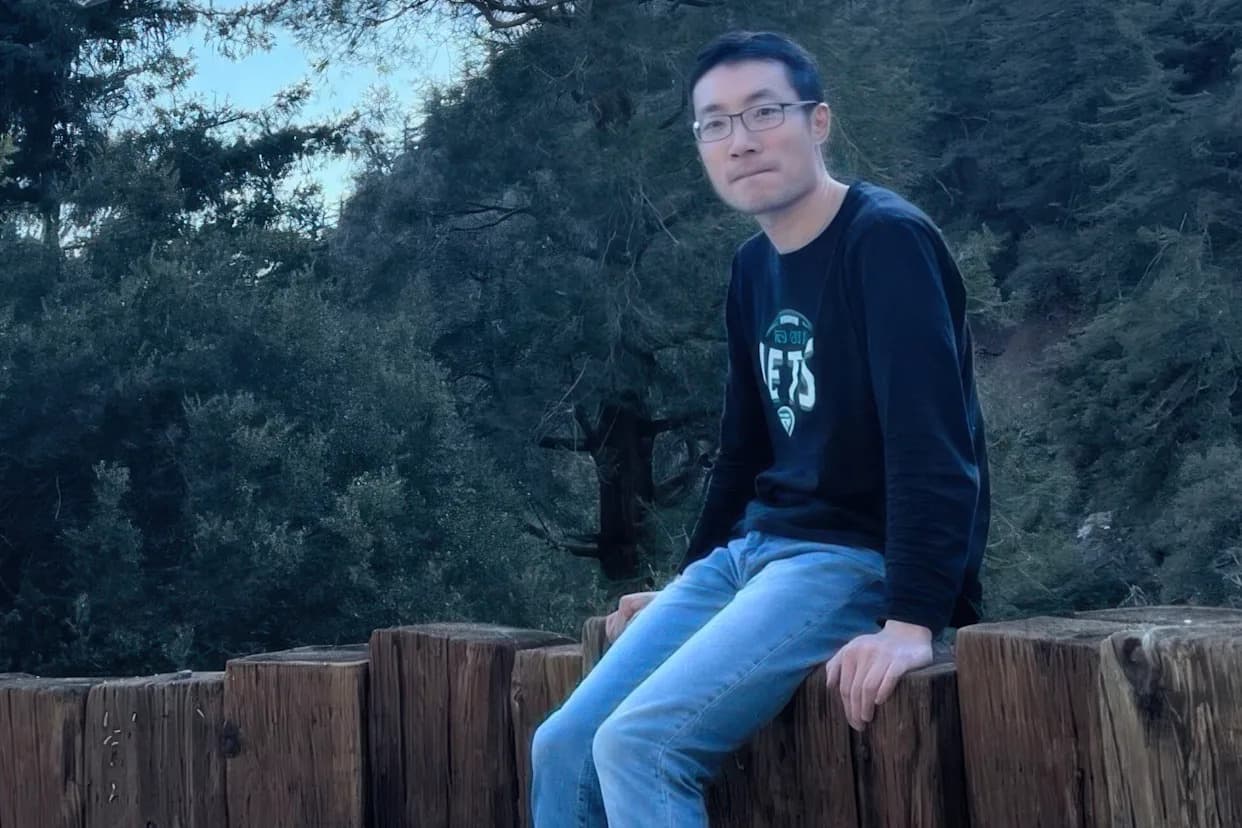
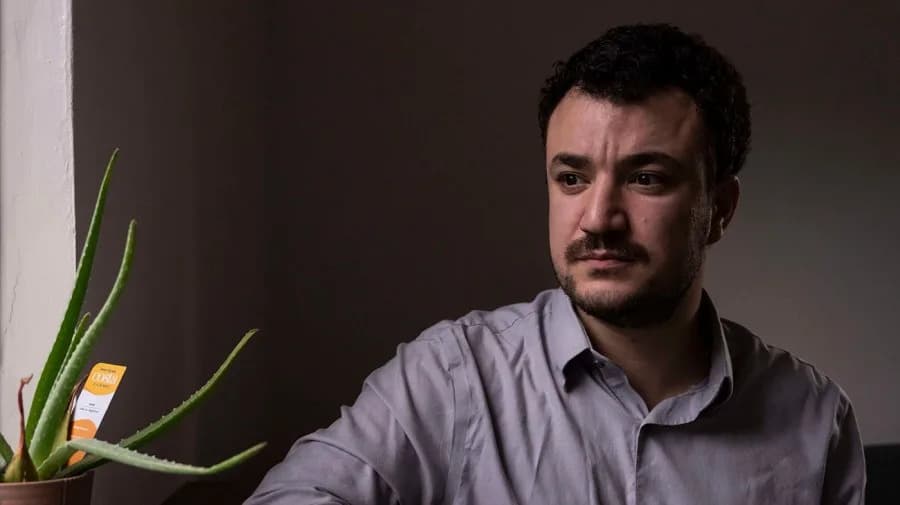
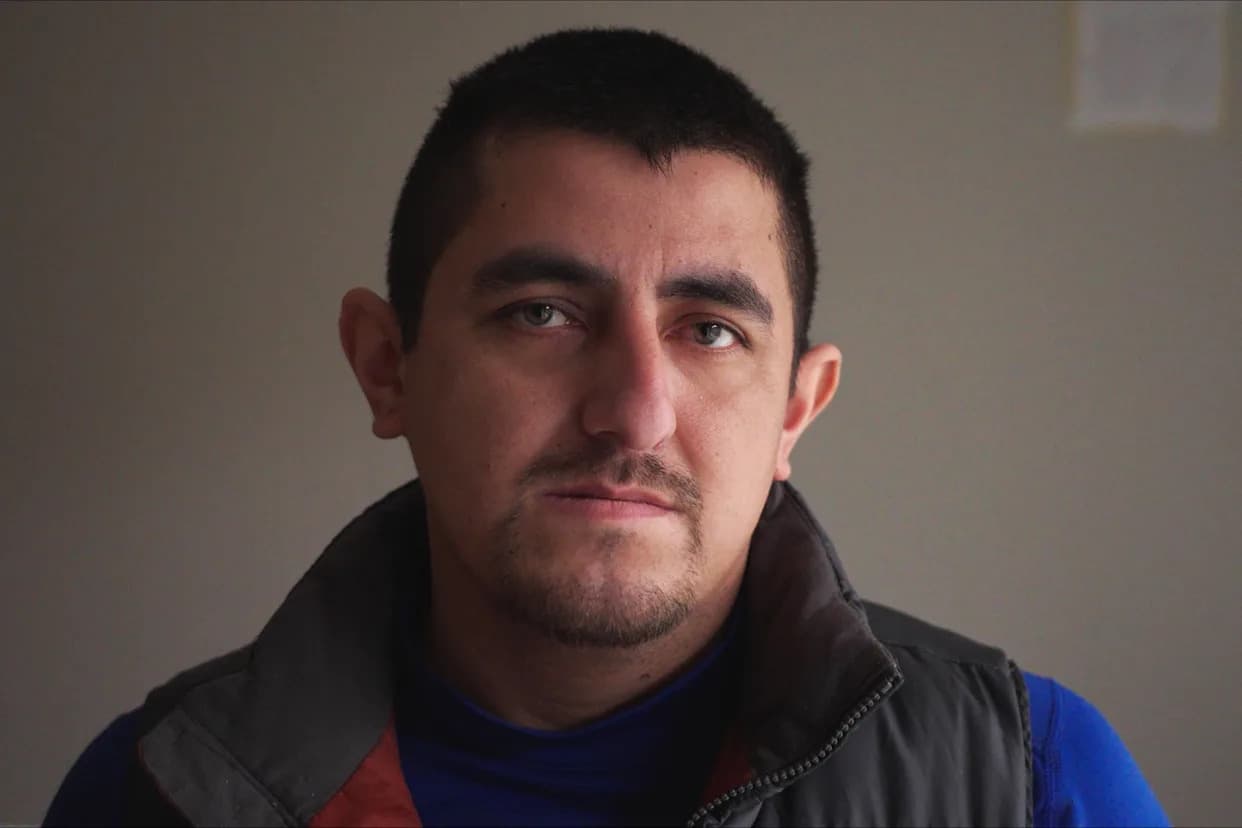
Chinese national Guan Heng, 38, shown, Wednesday, Feb. 4, 2025 in Binghamton, New York, has been released from federal detention, nearly one week after an immigration court granted him asylum because the court ruled the man had a well-founded fear of persecution if sent back to China after exposing human rights abuses there. (AP Photo/Luo Yun)(ASSOCIATED PRESS)
WASHINGTON — Guan Heng, a Chinese national who secretly filmed detention facilities in Xinjiang, was released from federal custody more than five months after his arrest during a large immigration enforcement operation. An immigration judge granted him asylum on Jan. 28, concluding he faced a well‑founded fear of persecution if returned to China.
Guan, 38, was reunited with his mother, Luo Yun, in Binghamton, New York, after his release. He told The Associated Press he was "in a great mood," and that the relief felt more real after friends and family visited him following his release.
"For five and a half months I didn’t sleep one good sleep, but today I feel assured," Luo said after traveling from Taiwan to support her son.
The case drew heightened public attention after officials at one point planned to deport Guan to Uganda. The Department of Homeland Security (DHS) abandoned that deportation plan in December amid public concern and questions from lawmakers. DHS has 30 days from the Jan. 28 ruling to decide whether to appeal the immigration judge’s decision; it had not publicly confirmed an appeal at the time of reporting.
Rep. Ro Khanna, the top Democrat on the House Select Committee on the Chinese Communist Party, criticized the length of Guan’s detention and emphasized lawmakers’ intent to press for greater transparency. "His release is a reminder that the rule of law and our moral duty to protect those who expose human rights abuses go hand in hand," Khanna said.
Guan filmed facilities in Xinjiang in 2020; his footage has been cited by activists and rights groups as part of a larger body of evidence alleging widespread abuses in the region. Critics estimate that up to 1 million members of ethnic minorities, especially Uyghurs, have been detained. The Chinese government denies those allegations, describing its programs as vocational training and counter-extremism efforts; it has also taken measures to silence dissenting accounts.
The State Department, while declining to comment on the specifics of Guan’s case due to confidentiality rules, reiterated its condemnation of the Chinese Communist Party’s actions in Xinjiang, citing "genocide, religious persecution, and crimes against humanity against Uyghurs and others in Xinjiang."
Guan told the immigration judge he did not film the facilities to obtain asylum but to bear witness to the plight of those he believed were being persecuted. To publicize the footage safely, he left China, traveling first to Hong Kong, then to Ecuador (which allowed Chinese visitors without a visa), and later to the Bahamas. He published much of the video on YouTube shortly before arriving in Florida by boat in October 2021, a crossing he said he feared he might not survive.
This outcome is notable for asylum seekers under the current administration; advocates say Guan’s case highlights both the risks faced by human rights documentarians and the complex legal pathway asylum-seekers navigate in the United States.
Help us improve.