Elizabeth Zuna Caisaguano, a 10-year-old Columbia Heights student, and her mother were released from ICE custody after about a month at the family detention center in Dilley, Texas. The family has an active asylum case and advocates say they followed proper procedures. The release came after a judge blocked their removal and amid concerns about a measles outbreak and the traumatic impact of family detention on children and schools. Local officials and attorneys dispute some DHS accounts of how custody options were handled during the arrest.
10-Year-Old Minnesota Girl Released From ICE Custody After Month in Dilley Detention

Elizabeth Caisaguano.Photograph: Columbia Heights school district(Photograph: Columbia Heights school district)
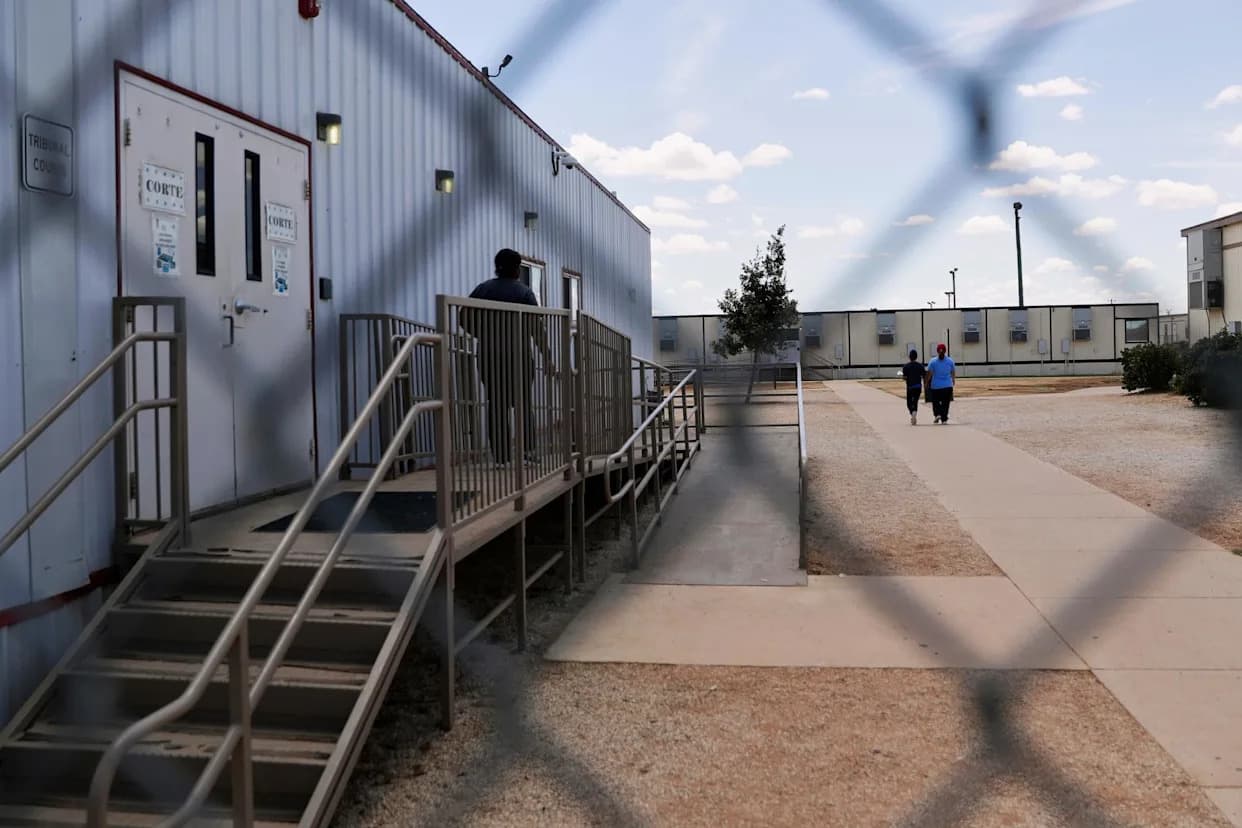
Elizabeth Zuna Caisaguano, a 10-year-old fourth-grader from Columbia Heights, Minnesota, and her mother were released from U.S. Immigration and Customs Enforcement (ICE) custody on Tuesday night after spending roughly a month at the family detention center in Dilley, Texas, school officials said.
Arrest, Transfer and Legal Status
School leaders say Elizabeth and her mother were taken into federal custody on 6 January — the first of five students from the Columbia Heights district detained during a regional immigration enforcement campaign. The family, originally from Ecuador, has an active asylum case and attorneys say they followed the proper procedures; an appeal in the case remains pending.
Medical Concerns and Facility Conditions
Federal officials confirmed a measles outbreak at the Dilley facility, which houses hundreds of children. School staff and the family’s attorney reported that Elizabeth experienced flu-like symptoms and that her mother developed hives while in custody, and that neither had yet received a full medical evaluation at the time of reporting.
Community Response and Family Impact
Carolina Gutierrez, principal secretary at Highland Elementary, helped the family and described the emotional fallout. She said Elizabeth believed she was being deported when flown to Texas and feared her future plans, including her dream of becoming a doctor, were over. Tracy Xiong, a school social worker, recounted the father’s distress and said the episode left a lasting impression on staff and students.
"The trauma is following these kids into classrooms. The students fear for themselves and their classmates," Gutierrez said.
Court Action and Release
The family’s case was assigned to U.S. District Judge Fred Biery, who previously ordered the release of another detained Columbia Heights child. On Monday, Judge Biery issued an order blocking the removal or transfer of Elizabeth and her mother and gave the government five days to respond to the family’s petition for release. The family’s sudden release the following day surprised advocates representing them.
Conflicting Official Accounts
The Department of Homeland Security (DHS) said officers allowed the mother to make phone calls to place Elizabeth in the custody of a designated adult but that she "failed to find a trusted adult to care for the child, so officers kept the family together for the welfare of the child." School officials and the family dispute that account, saying the child’s father was available and waiting at the school when the arrests occurred.
DHS also described Elizabeth’s mother as having a "final order of removal." The family’s attorney said a judge had denied asylum at one stage but the family filed a timely appeal, meaning there is no final removal order while appeals remain pending.
Operators' Response and Wider Context
CoreCivic, the private company that operates the Dilley facility, declined to comment on the family's specific case or the measles reports but said the facility employs medical and mental-health staff and provides a continuum of health care services. Advocates dispute the practice of family detention and point to broader detention figures: a Guardian analysis reported that ICE booked roughly 3,800 minors into family detention between January and October 2025.
Advocates' View
Bobby Painter, managing attorney with the Texas Immigration Law Council, which represented the family, said the family should not have been detained because they had presented as asylum seekers and were participating in the process. "Children should not be detained under any circumstances," he said, urging continued public attention to end family detention.
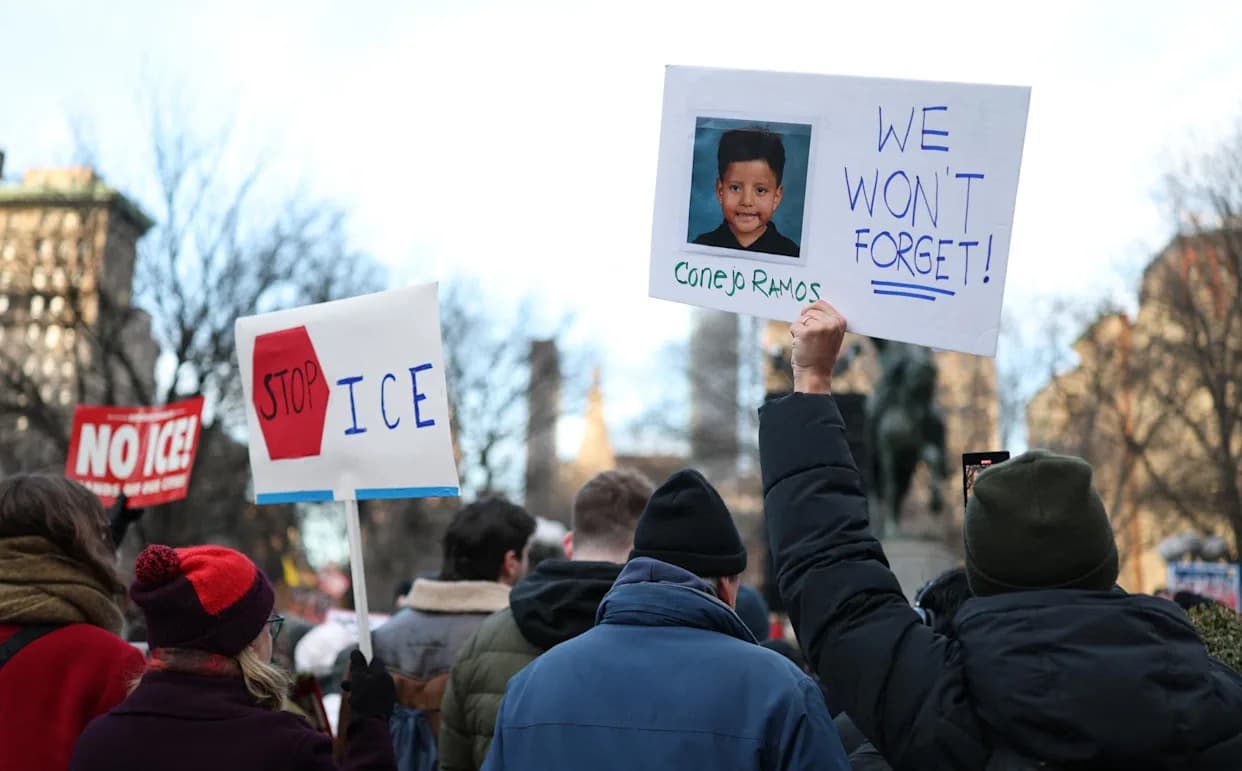
As the family prepares to return to Minnesota to reunite with Elizabeth’s father, school officials and community members say they will continue supporting the child and advocating for other detained families. The case has renewed local concern about the effects of immigration enforcement on children and schools.
Help us improve.