Iran published a roster naming 2,986 people it says were killed during protests that began in late December and maintains a total toll of 3,117. Independent monitors and a U.N. rapporteur report much higher figures, with HRANA verifying 6,872 deaths and a U.N. expert warning the toll could exceed 20,000. The government launched an online portal for families to report missing names but provided no details about how victims died and rejected a U.N. investigation. The release has sparked social-media outcry, journalistic rebukes and cultural protests including boycotts of the Fajr film festival.
Families Demand Answers After Iran Publishes List Of Protest Victims — Omissions and Duplicates Spark Outcry
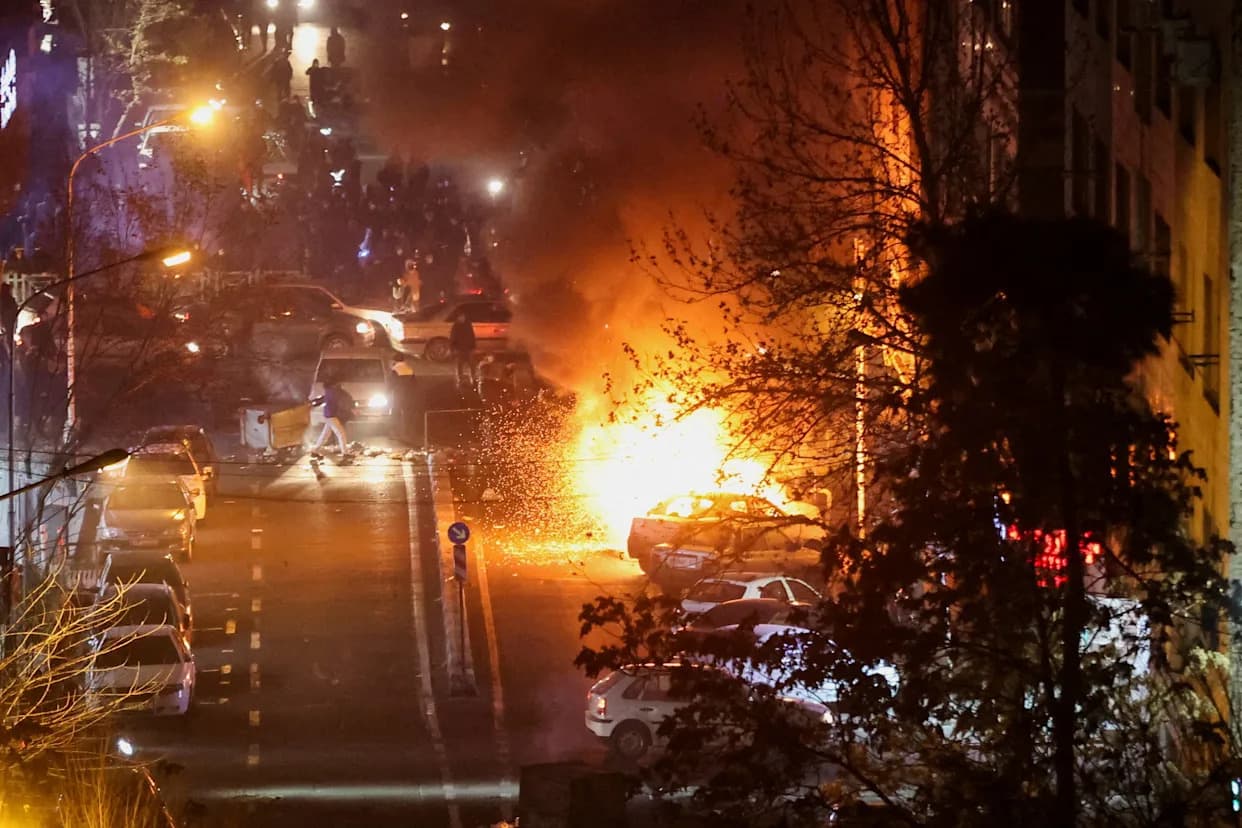
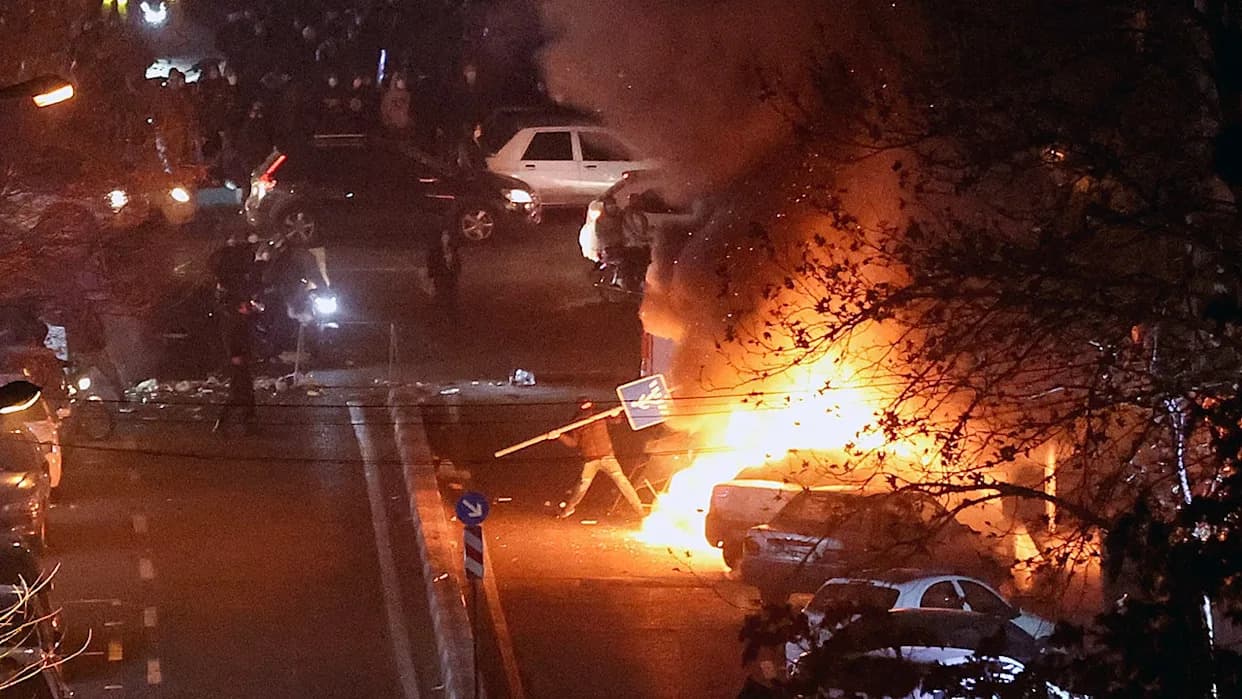
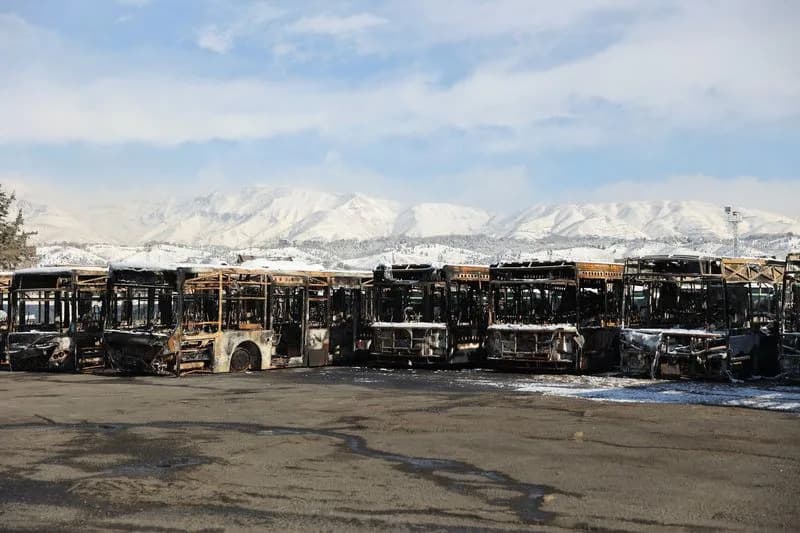
Cars burn in a street during a protest in Iran [Stringer/WANA (West Asia News Agency) via Reuters]
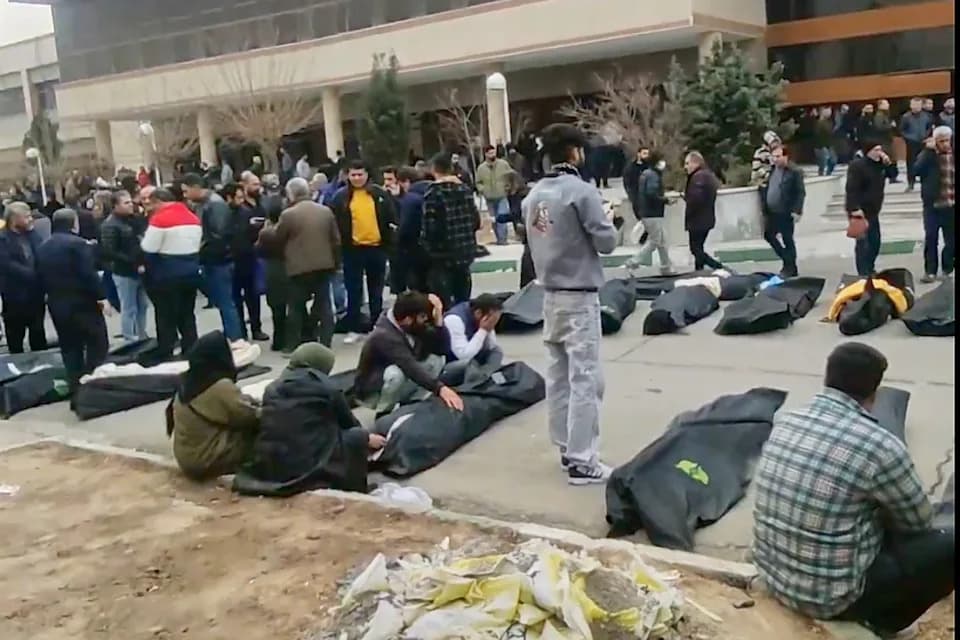
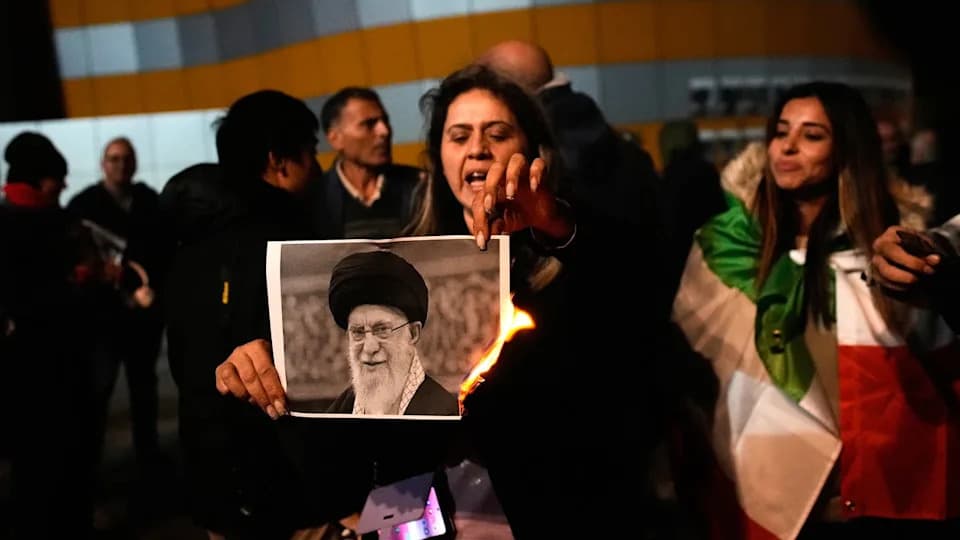
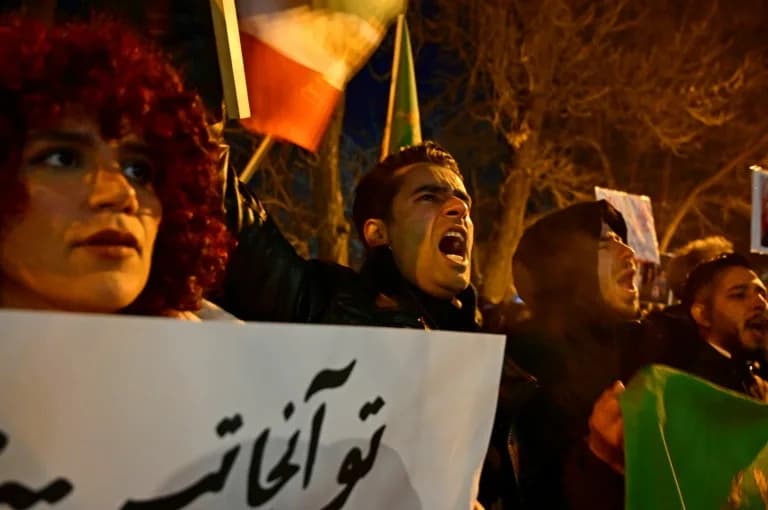
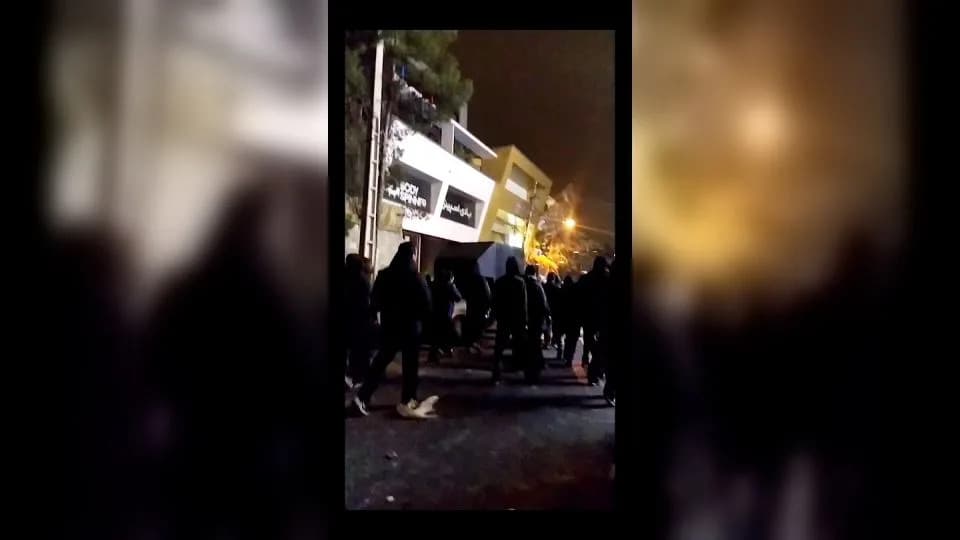
Tehran — Iranian authorities have published a register naming 2,986 people they say were killed during nationwide protests that began in late December, while asserting an overall toll of 3,117. The move — intended, officials say, to bring transparency — has instead prompted fresh questions after families and rights groups highlighted omissions, duplicate entries and a lack of context about how victims died.
What the Government Released
The government’s list includes each deceased person’s full name, their father’s first name and the last six digits of a 10‑digit national identification number. It does not provide details about where, when, how or by whom the deaths occurred, nor does it distinguish between civilians and security personnel.
Conflicting Death Toll Figures
Iranian officials say 3,117 people died in the unrest, and the government published 2,986 identified names, with 131 reportedly still unidentified. Independent monitors dispute that tally: the U.S.-based Human Rights Activists News Agency (HRANA) says it has verified 6,872 deaths and is examining more than 11,000 other cases, while a U.N. special rapporteur warned the true toll could exceed 20,000 as information continues to emerge despite heavy state internet filtering.
Official Response And An Online Portal
Authorities launched an online portal for families to report missing names and to file complaints about alleged abuses, including demands for money to reclaim bodies and denials of medical care to wounded protesters. Officials have said a supplementary list will be published when additional identifications are complete, but they gave no timetable for updates.
Investigations And International Scrutiny
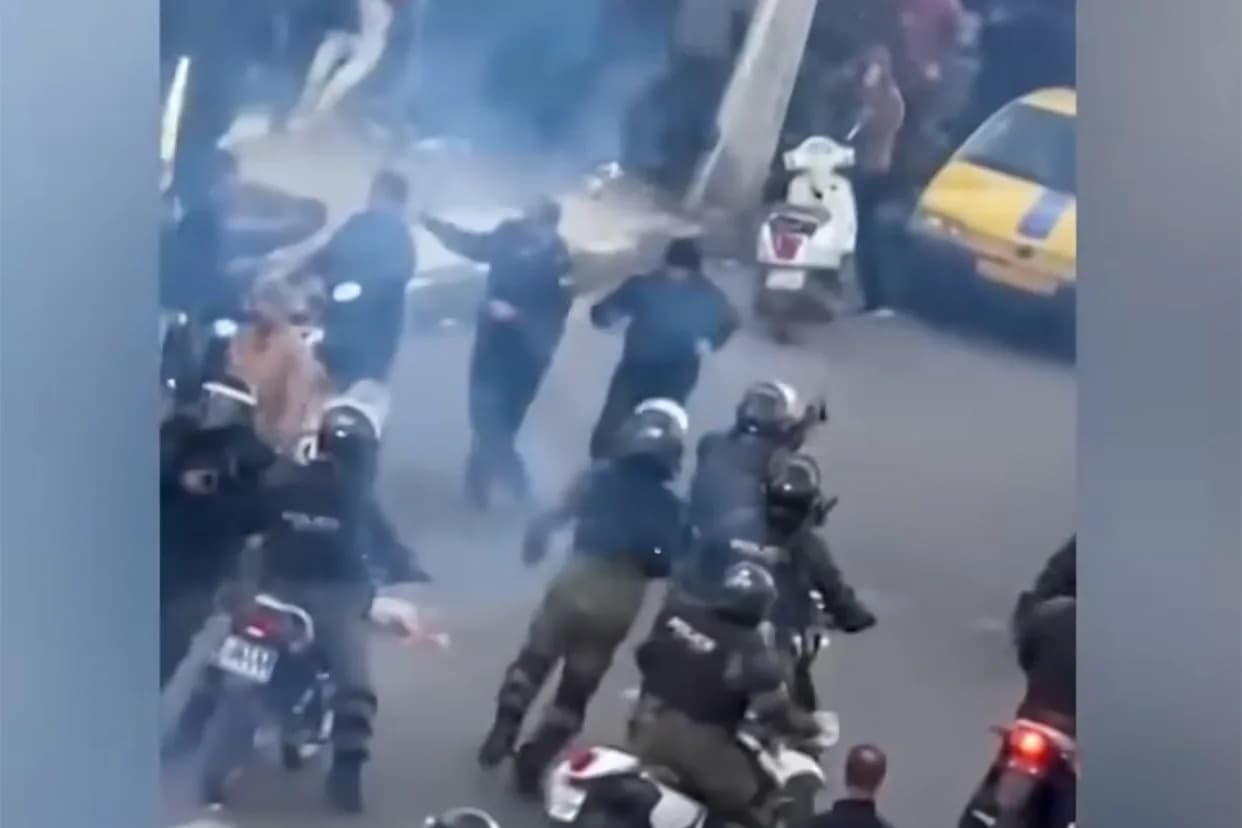
The government has rejected a U.N. mandate to investigate the events and announced its own internal fact-finding mission without disclosing membership, scope or a timeline. Human rights organisations and some U.N. experts continue to call for an independent, transparent inquiry into alleged use of lethal force, hospital raids and arrests of medical personnel who treated demonstrators.
Government Statement: "All of the victims of the recent incidents and unrest were the children of this land and no bereaved person must be abandoned in silence and helplessness."
Public Reaction
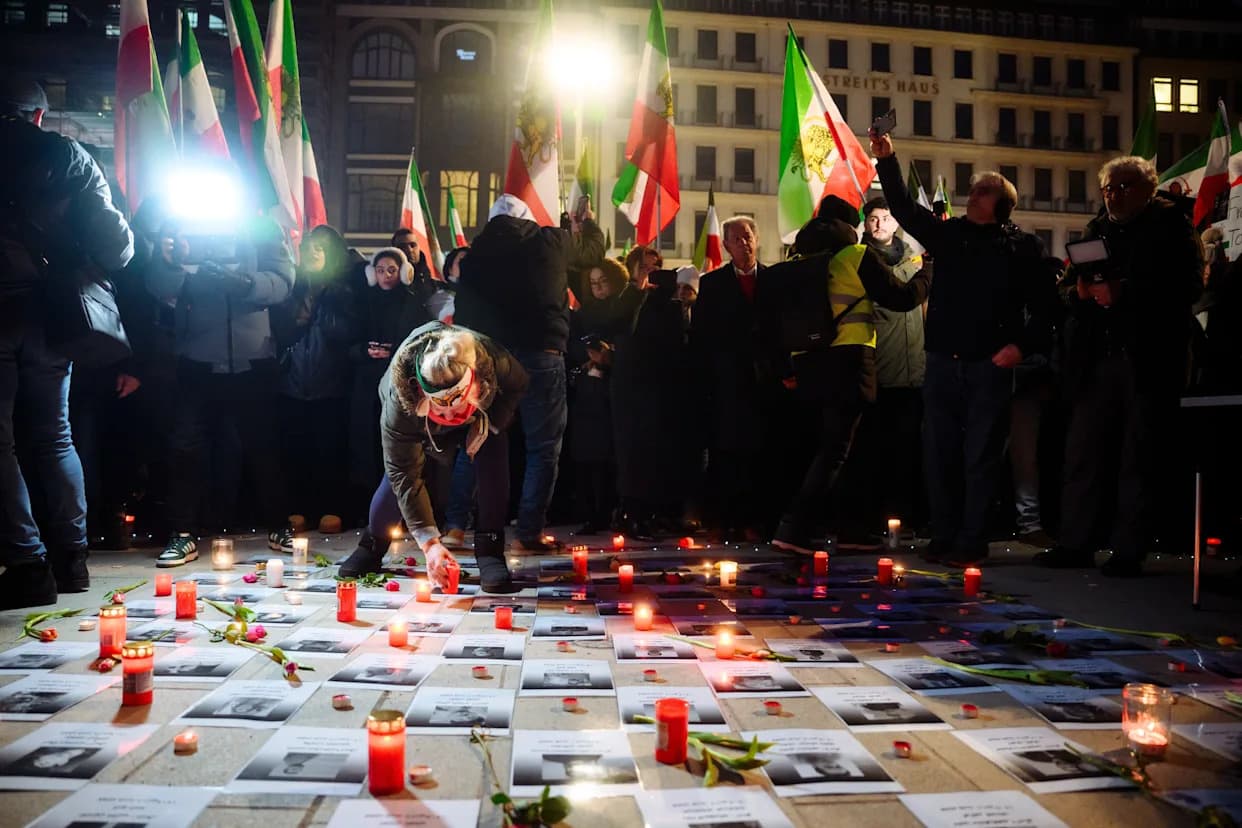
Many Iranians have taken to social media to flag missing names and duplicate entries in the register. At a news conference, government spokesperson Fatemeh Mohajerani was publicly rebuked by journalist Parisa Hashemi, who said no officials had resigned and called those who fired on demonstrators "enemies of this land." State media later clipped parts of the exchange when posting the briefing online.
There has also been cultural pushback: prominent actress Elnaz Shakerdoost announced she is quitting Iranian cinema in protest, publishing a handwritten note she said was stained with blood, and some artists and members of the public are boycotting the state-run Fajr International Film Festival. Meanwhile, director Mohammad Hossein Mahdavian drew criticism after calling boycott participants "cowards."
What Remains Unclear
Key questions remain unanswered: the precise circumstances of many deaths, the process and standards used to identify those on the list, how the government will reconcile duplicates and omissions, and whether independent investigators will be allowed to examine allegations of abuses. Families and human rights groups say accountability and transparent, verifiable documentation are essential.
Help us improve.