Executive Order Raises Civil Liberties Alarms: President Trump's July 2025 order pushes for wider use of involuntary commitment and directs federal challenges to judicial precedents that limit institutionalization. Duane Berry's Case Shows The Risk: Berry was found incompetent, had charges dismissed in December 2019, but remains involuntarily confined after a federal commitment order upheld by the 4th Circuit. Broader Implications: The Cato Institute argues in a Supreme Court brief that allowing the federal government to convert custody into indefinite civil commitment would undermine federalism and basic due-process protections.
When Involuntary Commitment Becomes Indefinite: The Risk of Federal Detention After Trump's 2025 Order

How Involuntary Commitment Could Become Indefinite Detention
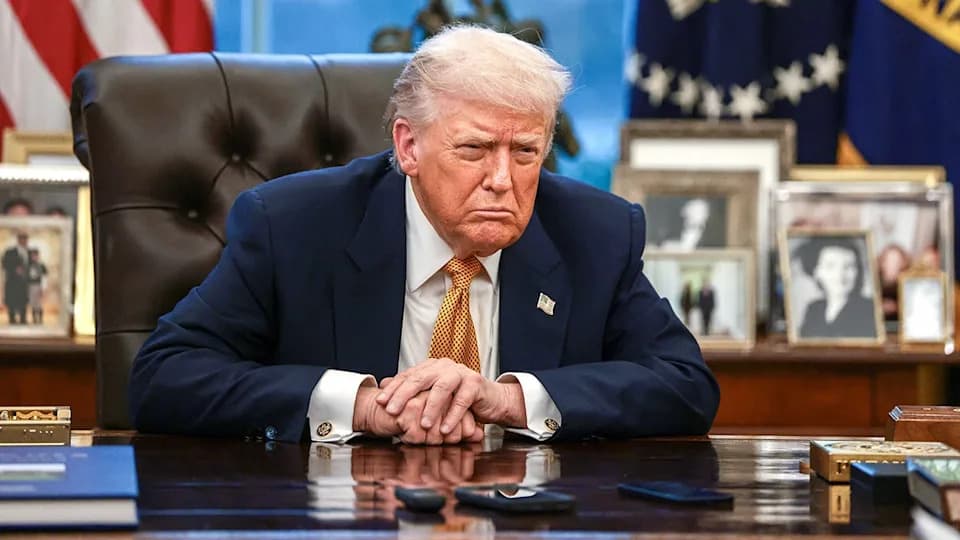
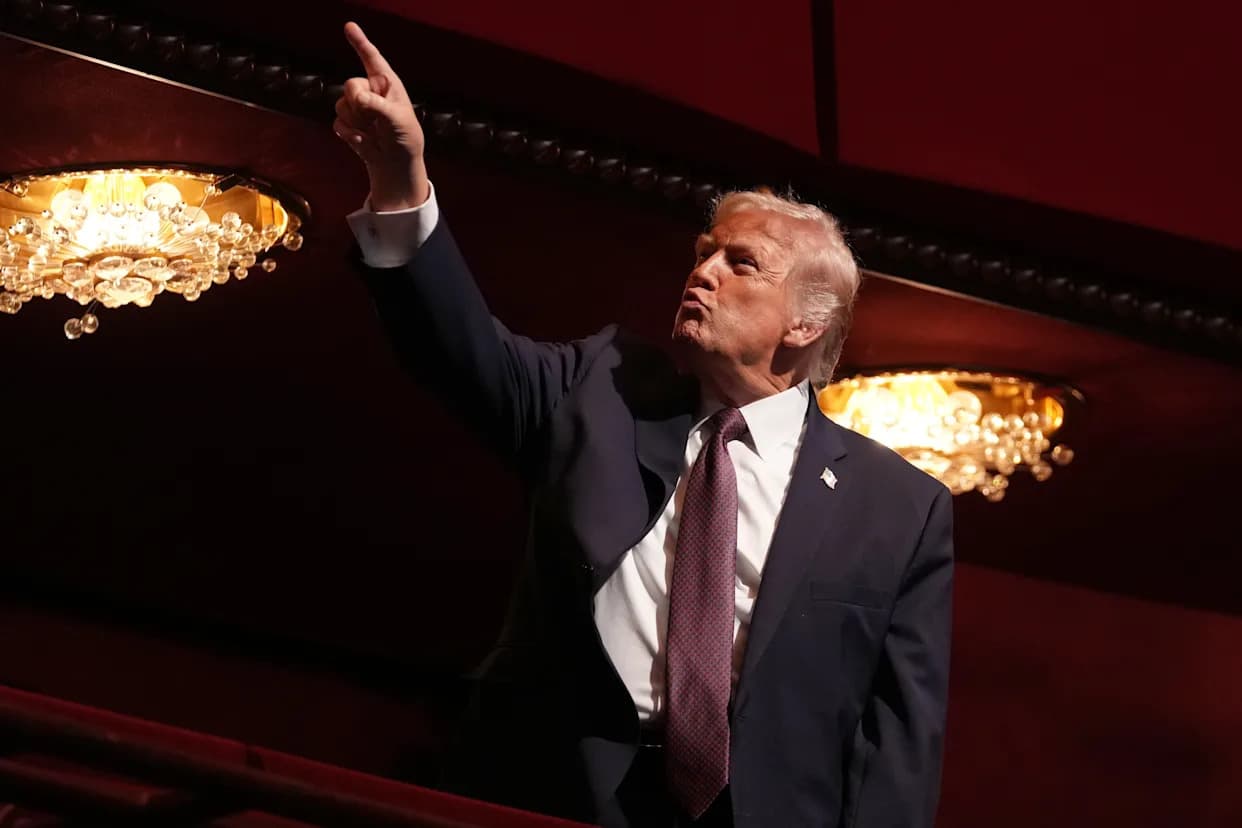
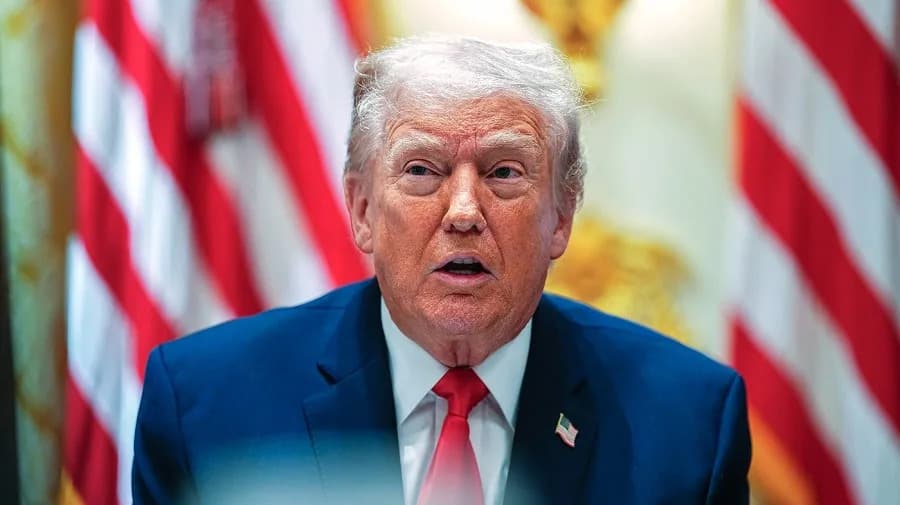
In July 2025, President Donald Trump signed an executive order promising to confront what the administration described as "crime and disorder on America's streets," linking much of the problem to a record number of unhoused people, many of whom officials say suffer from mental illness. The order specifically encouraged broader use of involuntary commitment for people with serious mental-health conditions as a tool to "restore public order," directed federal officials to challenge judicial precedents the administration views as obstacles, and urged that federal resources be used to prevent releases caused by a lack of secure treatment beds.
Why The Order Matters
The order is short and deliberately imprecise: it does not name the case law the government plans to attack, nor does it spell out clear criteria for who should be detained or under what circumstances. One likely target is Olmstead v. L.C., the 1999 Supreme Court decision that requires services to be provided "in the most integrated setting appropriate" rather than defaulting to institutionalization.
"States are required to provide community-based treatment for persons with mental disabilities when such treatment is appropriate..." — Olmstead v. L.C.
The Duane Berry Case: A Warning
The stakes become clearer in the case of Duane Berry. About ten years ago Berry was indicted on a federal charge of conveying false information and hoaxes after leaving what prosecutors described as a fake bomb outside a Bank of America branch. He told authorities he believed he owned the bank's assets and intended to use the device in a misguided attempt to repossess them. The charge carried a maximum sentence of five years.
After two competency hearings, a district judge found Berry incompetent to stand trial and dismissed the charges in December 2019. Yet, more than five years beyond the maximum prison term he could have served if convicted, Berry remains in federal custody. Several months after dismissal he was transferred to a federal medical facility and then involuntarily committed by a federal district court, a decision the U.S. Court of Appeals for the Fourth Circuit affirmed last June.
Disturbingly, the federal government is advancing a sweeping theory in Berry's case: that it may seek civil commitment for anyone physically in its custody, even after the government no longer has a pending criminal charge or any other clear legal basis to hold the person. In short, the government argues physical custody alone can justify converting a criminal detention into an indefinite civil confinement.
Legal And Civil Liberties Concerns
My colleague Mike Fox and I at the Cato Institute recently filed a brief at the Supreme Court arguing that Berry's continued detention raises serious federalism concerns and should be addressed by state civil-commitment systems rather than by expansive federal detention power. As our brief notes, most federal courts have rejected the notion that the federal government can simply indefinitely detain people by shifting from criminal custody to civil commitment without proper legal justification.
If courts accepted the government's approach, prosecutors could—intentionally or not—use the following playbook: arrest an individual, identify or diagnose a mental-health condition while in custody, dismiss criminal charges, and then pursue civil commitment rather than proceed under the criminal due-process protections. The federal government itself estimates that nearly half of all jail inmates have mental-health problems, which raises the specter that such a policy could reach a very large population.
Where To Draw The Line
There are narrow, legitimate circumstances in which involuntary commitment is necessary to protect a patient or the public. But replacing the constitutional safeguards that protect accused persons with a shadow federal system of indefinite civil commitment would be chilling—especially when so many people are diagnosable with mental-health conditions and many federal offenses bring people into custody.
Federal authorities should not be able to convert civil commitment into a de facto life sentence for anyone the government finds inconvenient. Courts, lawmakers, and advocates must scrutinize any policy or legal theory that expands federal power over commitment to prevent erosion of constitutional rights and preserve the proper balance between public safety and individual liberty.
Help us improve.