Researchers at the Visual Media Lab (University of Iowa) tested whether brief "inoculation" interventions—either text warnings or an interactive game—help people detect political deepfakes. Participants who received either intervention rated fabricated videos of Joe Biden or Donald Trump as less credible and reported greater awareness and intention to verify suspicious content. The findings suggest simple, pre-emptive education can reduce the impact of AI-generated political misinformation, though the durability and cross-domain applicability of the effect require further study.
Study Finds ‘Inoculation’ Warnings and Games Help People Spot Political Deepfakes
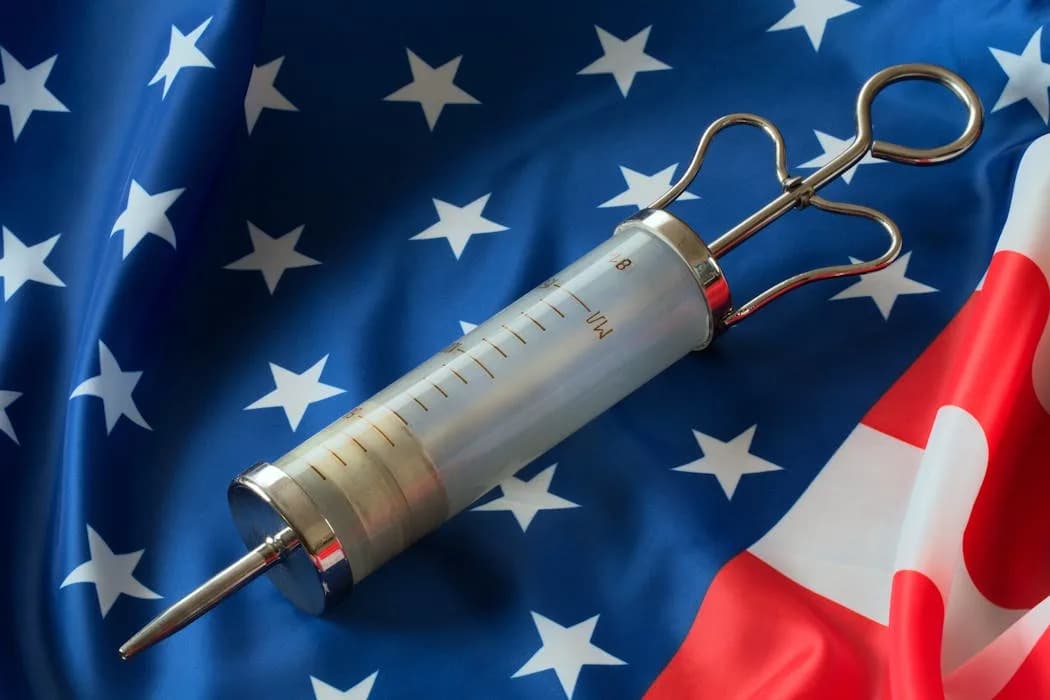
Can figurative inoculations ward off the scourge of political deepfakes?Canonmark/iStock via Getty Images
Informing people about political deepfakes—through clear text warnings or short interactive games—can improve their ability to spot AI-generated audio and video that falsely depict politicians. A recent experiment by researchers at the Visual Media Lab, University of Iowa, found both approaches reduced how believable participants found fabricated political clips and increased their awareness and willingness to challenge misleading content.
Study Design
The research divided participants into three equal groups. One group received passive inoculation: a traditional text-based warning explaining the threat and typical features of deepfakes. A second group received active inoculation: an interactive game that asked participants to practice identifying manipulated media. The third group received no inoculation.
What Participants Saw
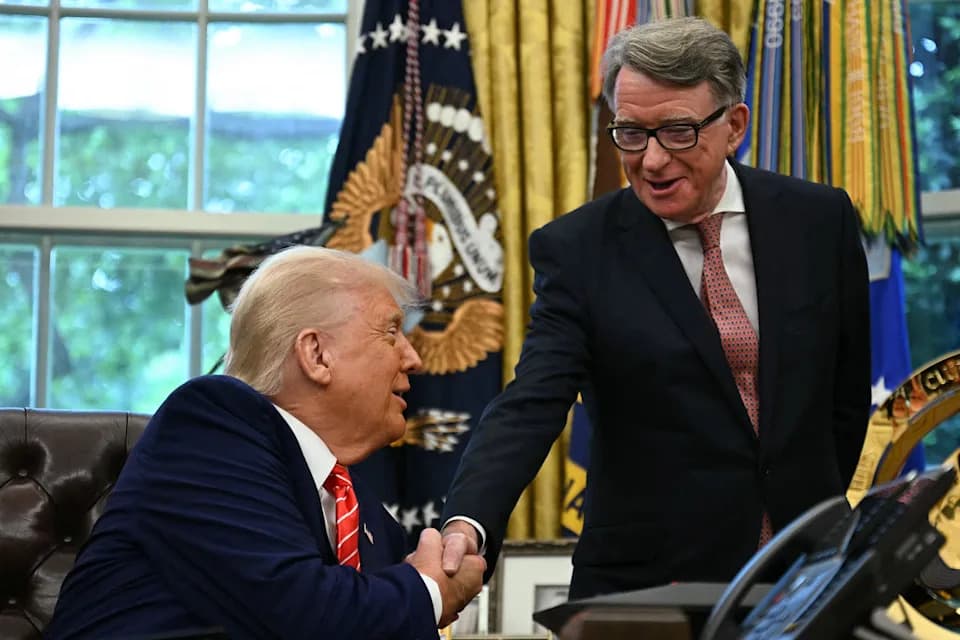
After the interventions, participants were randomly shown one of two politically charged deepfakes: a fabricated video of Joe Biden making pro-abortion-rights remarks or a fabricated video of Donald Trump making anti-abortion-rights remarks. The researchers measured perceived credibility of the clips, awareness of deepfakes, and intentions to seek more information or challenge the content.
Key Findings
Both passive (text) and active (game) inoculation significantly reduced the credibility participants assigned to the deepfakes. Participants exposed to either intervention also reported greater awareness of deepfakes and stronger intentions to verify or debunk deceptive political media. Contrary to the researchers' expectation that active inoculation would dramatically outperform passive messages for multimodal content, both approaches produced useful effects.
Inoculation Theory: Like a medical vaccine, psychological inoculation exposes people to a weakened form of a persuasive attack (or explains how it works) to build resistance to stronger attacks later.
Why This Matters
Deepfakes—highly realistic AI-generated audio and video—pose a growing threat to public trust and democratic processes because they can make public figures appear to say or do things they never did. For example, voters in New Hampshire once received a phone call that sounded like Joe Biden urging them not to vote in the state primary.
Labeling or fact-checking manipulated media after it circulates is often too slow and can be filtered through partisan lenses. Pre-emptive inoculation gives people tools to evaluate content before misinformation spreads widely.
Limitations and Next Steps
Important questions remain. The durability of inoculation effects is unknown—future studies will test how long protection lasts. Researchers also plan to examine whether inoculation generalizes beyond politics, for instance to health misinformation (e.g., a fake doctor in a deepfake spreading false medical advice).
Conclusion
This study indicates that brief educational interventions—either straightforward warnings or short interactive exercises—can reduce the perceived credibility of political deepfakes and increase people’s readiness to investigate and challenge deceptive media. Such pre-emptive strategies can complement technical detection and fact-checking efforts.
Author: Bingbing Zhang, Visual Media Lab, University of Iowa
Funding: Supported by the School of Journalism and Mass Communication at the University of Iowa.
Help us improve.