The DNC advanced applications from 12 states seeking early slots on the Democrats’ 2028 primary calendar, moving all bids to the next round of review. Party leaders plan to select one early state from each of four regions — with the option to add a fifth — ahead of Super Tuesday. Applicants include traditional early states (New Hampshire, Iowa, South Carolina, Nevada) and battlegrounds (Georgia, North Carolina, Michigan); several bids would require Republican legislative approval to change primary dates. The committee highlighted the need to test candidates across diverse constituencies while weighing practical and security concerns.
12 States Advance Bids For Early Spots On Democrats’ 2028 Primary Calendar

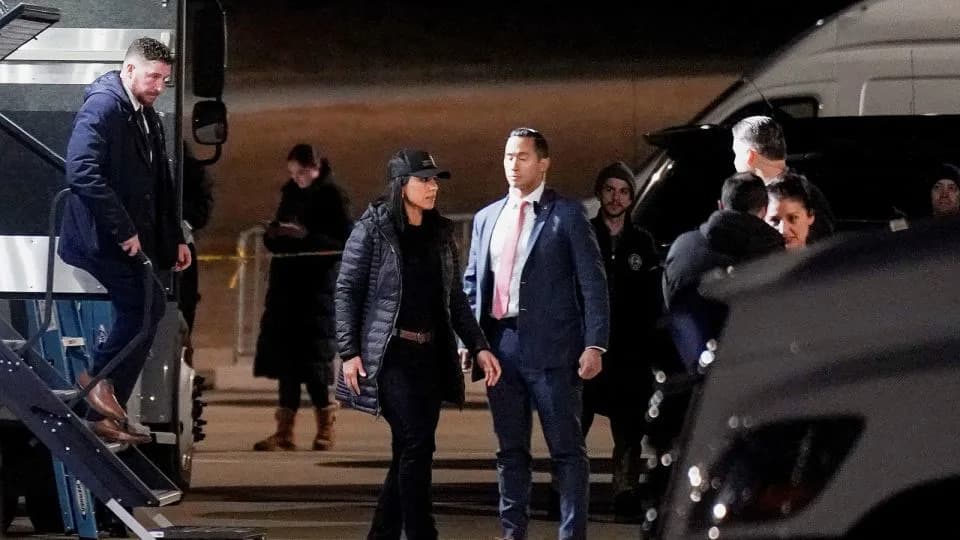
The Democratic Party's rules and bylaws committee advanced all 12 applications submitted by states vying to host an early presidential primary contest. (Bill Clark / Getty Images)(Bill Clark)
The Democratic Party has taken an initial procedural step toward shaping its 2028 presidential primary calendar by notifying a dozen state parties that they may formally present bids to host early nominating contests.
Party officials informed the 12 states during a meeting in San Juan, Puerto Rico. Longstanding early-voting states such as New Hampshire, Iowa, South Carolina and Nevada are among the applicants, along with competitive battlegrounds including Georgia, North Carolina and Michigan that seek to move up the calendar.
How the Early Window Will Be Set
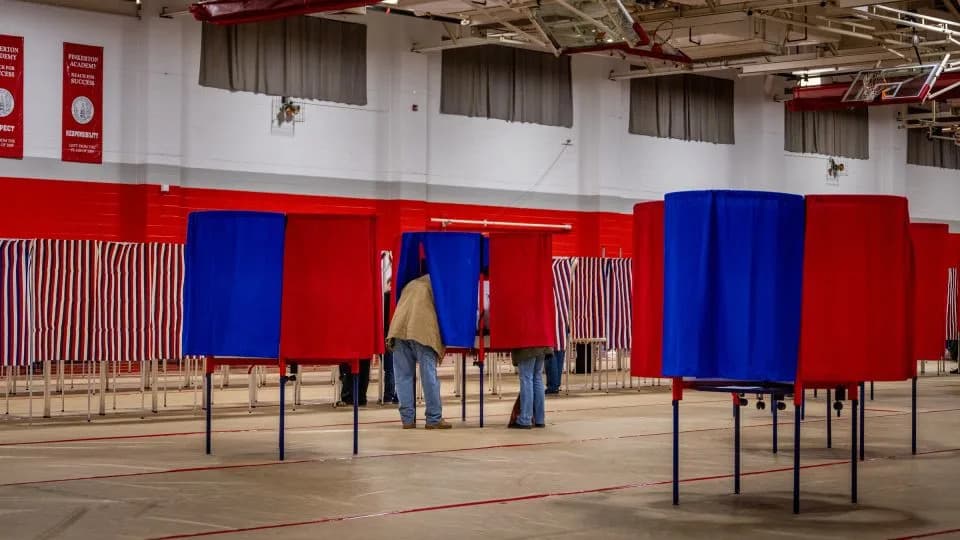
The Democratic National Committee (DNC) plans to pick one state from each of the party’s four geographic regions to hold an early nominating contest ahead of Super Tuesday, the March stretch that usually shapes the race. The committee may also select a fifth state from any region to join that early window.
Who Applied
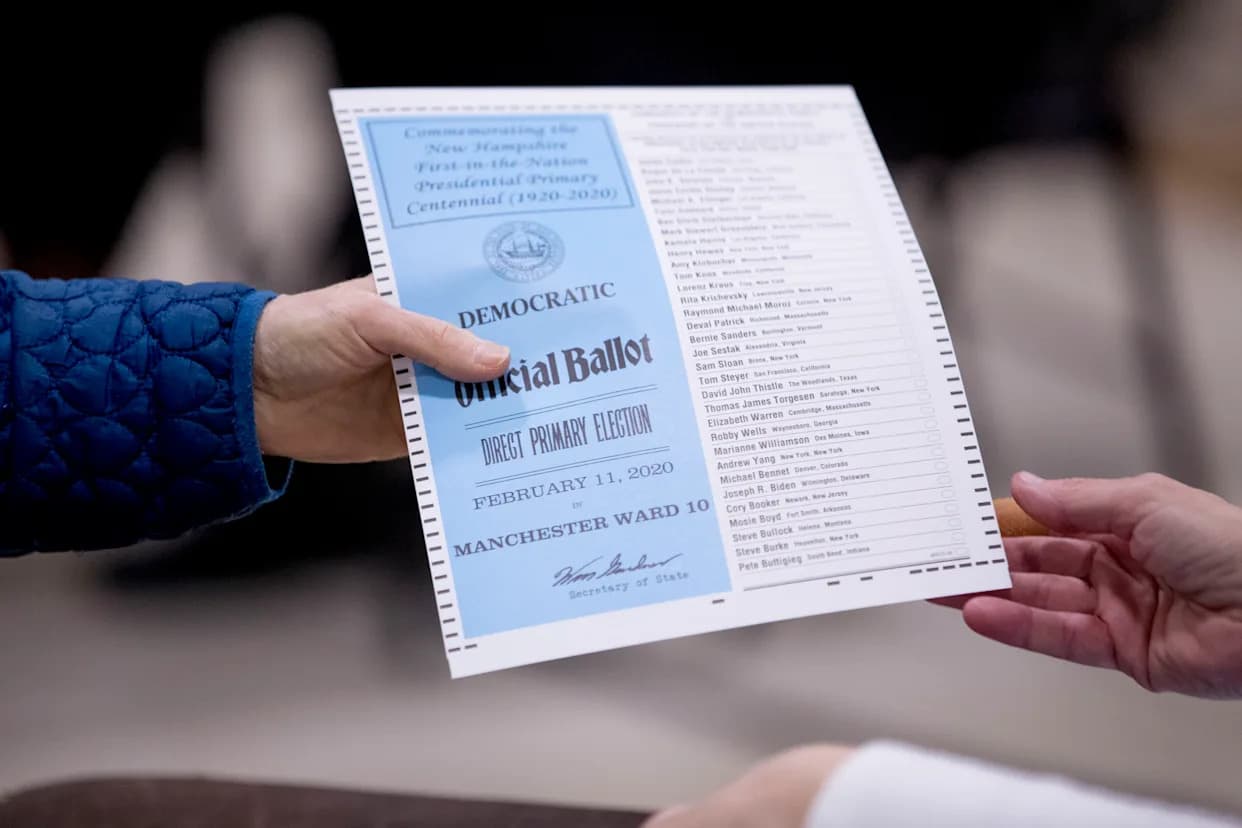
The rules and bylaws panel voted to advance all 12 applications to the next round. Notable contenders by region include:
- East: New Hampshire (traditional early state) and Delaware (home state of former President Joe Biden).
- Midwest: Iowa (whose 2020 caucus problems reduced its standing), Michigan (held an early primary in 2024) and Illinois.
- South: South Carolina (historic early state with strong influence among Black voters), Georgia, North Carolina, Tennessee and Virginia.
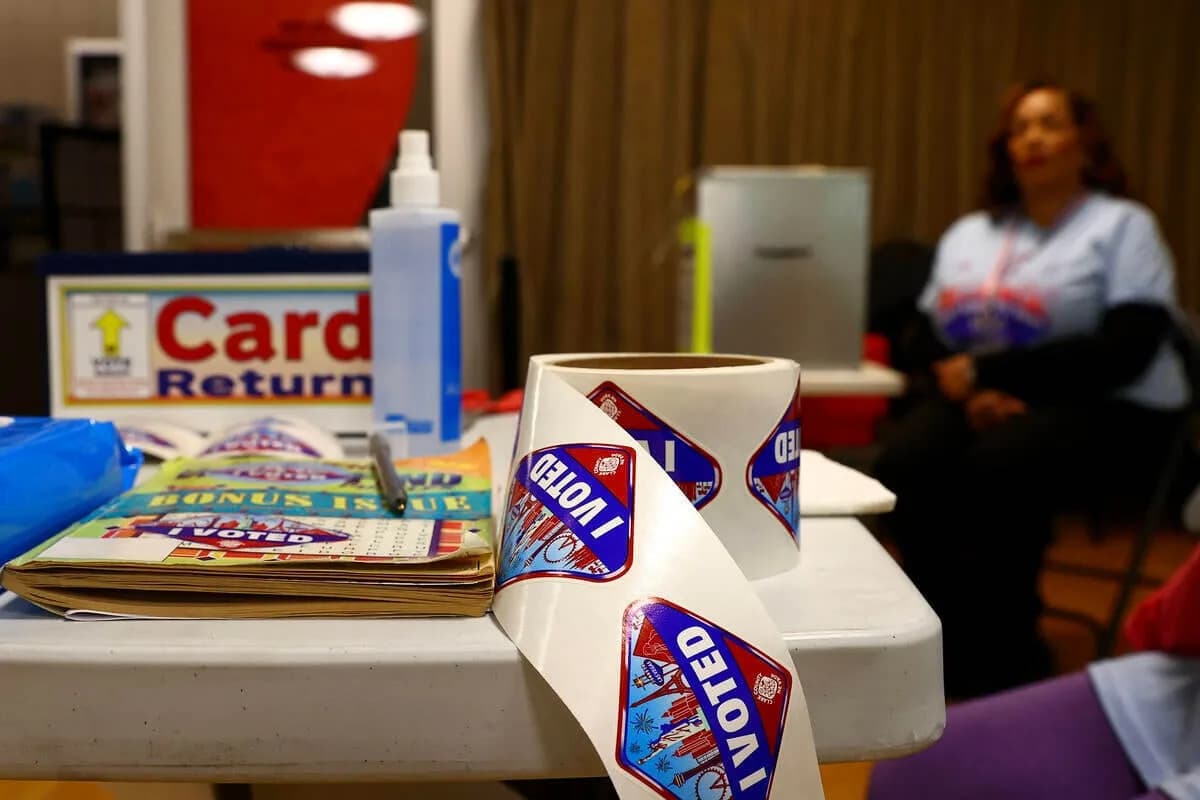
- West: Nevada (a traditional early state with a large Latino electorate) and New Mexico.
Political And Practical Hurdles
Some states face legal or political obstacles: Georgia, North Carolina and Tennessee would need approval from Republican-controlled state legislatures to change their primary dates. Lawmakers in those states could either consent if they see state benefits, or resist for partisan reasons.
Democratic leaders say they want a calendar that tests candidates across key constituencies, reflects party values, and relies on states with proven election administration. The process follows a turbulent cycle of 2020 calendar problems, a contentious 2024 schedule fight, and a disappointing general election that has prompted calls for reform within the party.
Security And Partisan Tensions
The meeting in San Juan highlighted partisan tensions and security concerns. It came days after the FBI seized ballots and records tied to the 2020 election in Georgia and amid national debate over immigration enforcement after recent deadly federal operations in Minnesota.
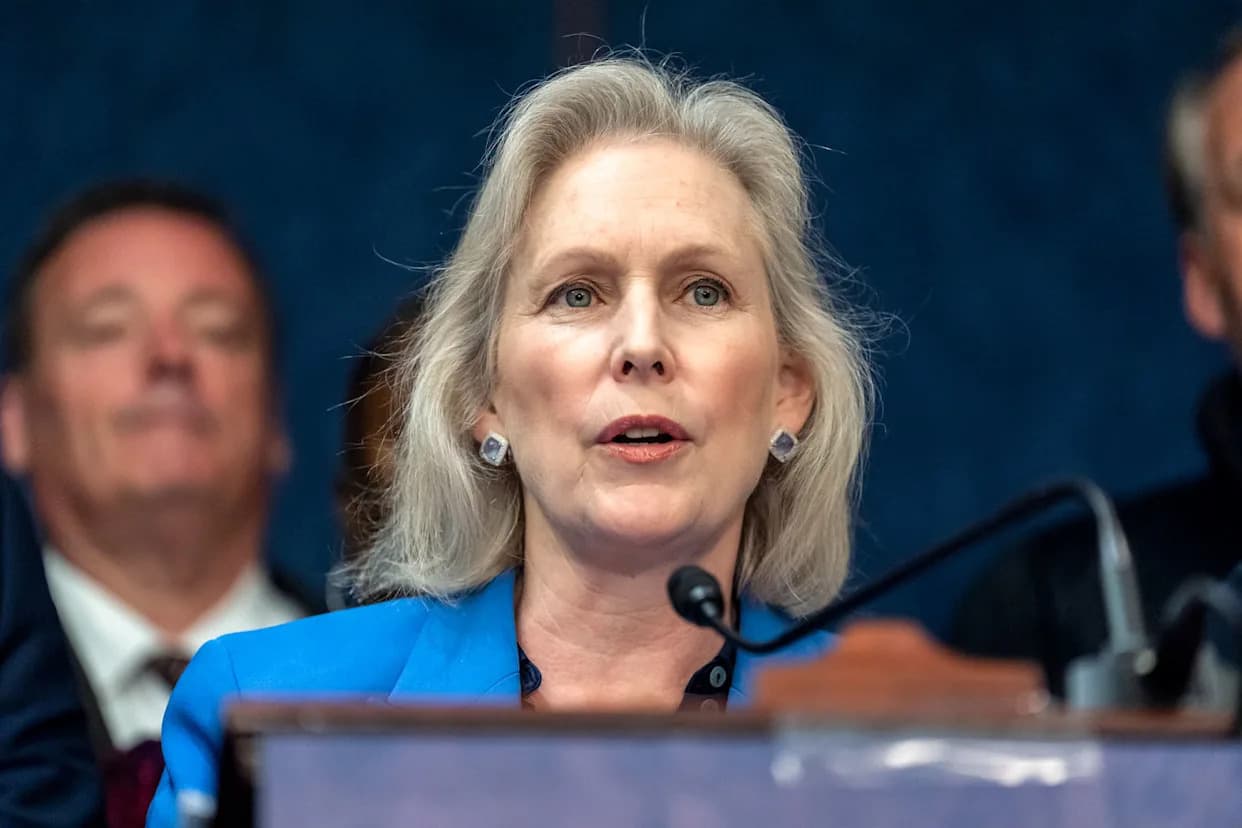
Nevada Democratic Party Chair Daniele Monroe-Moreno urged state parties to have plans to protect voter files but warned against revealing sensitive details during public presentations, noting that political opponents may be monitoring the process.
Committee member Cristóbal Alex, a founder of the Latino Victory Project, stressed that the party must ensure communities vulnerable to harsh immigration enforcement are represented in the early nominating process so the eventual nominee understands and represents them.
Next steps include formal in-person presentations by each applicant state and further deliberations by the DNC rules and bylaws committee in the months ahead.
Help us improve.