Latino Victory has endorsed Nevada’s bid to be the first state in the 2028 Democratic presidential primary, arguing Nevada’s diversity would produce a nominee better prepared to compete nationally. Nevada is contending with New Hampshire and South Carolina, and multiple other states have applied to hold early contests. The DNC’s rules and bylaws committee will review applications with regional balance in mind, and the final decision could reshape which voters yield early influence in the nominating process.
Latino Victory Backs Nevada To Be First In 2028 Democratic Primary, Challenging New Hampshire
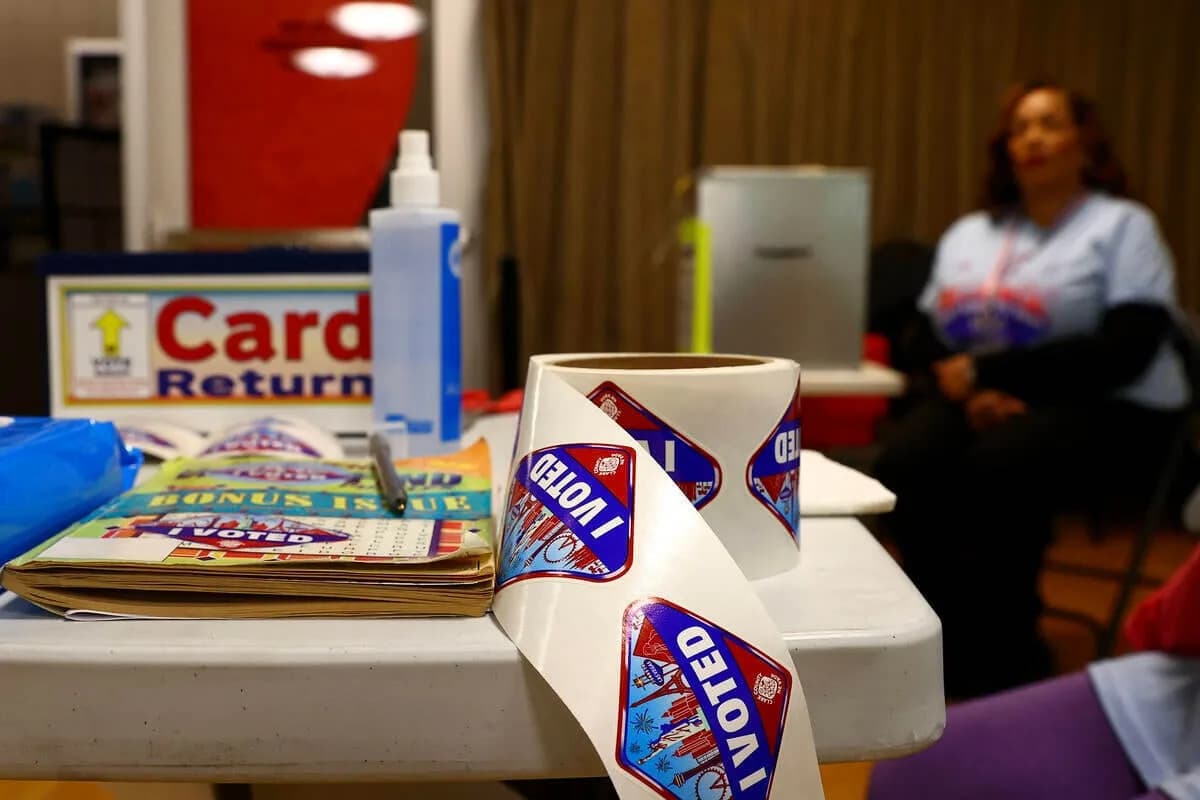
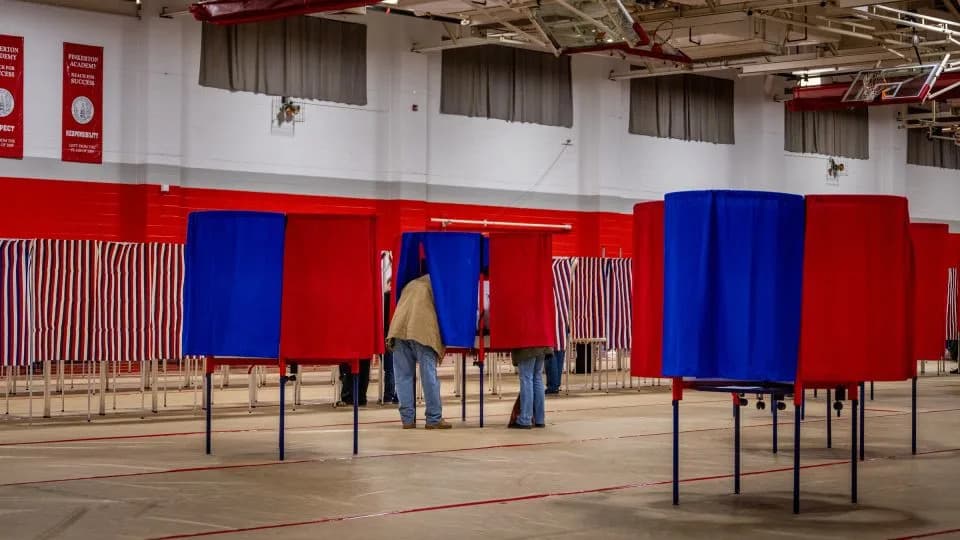
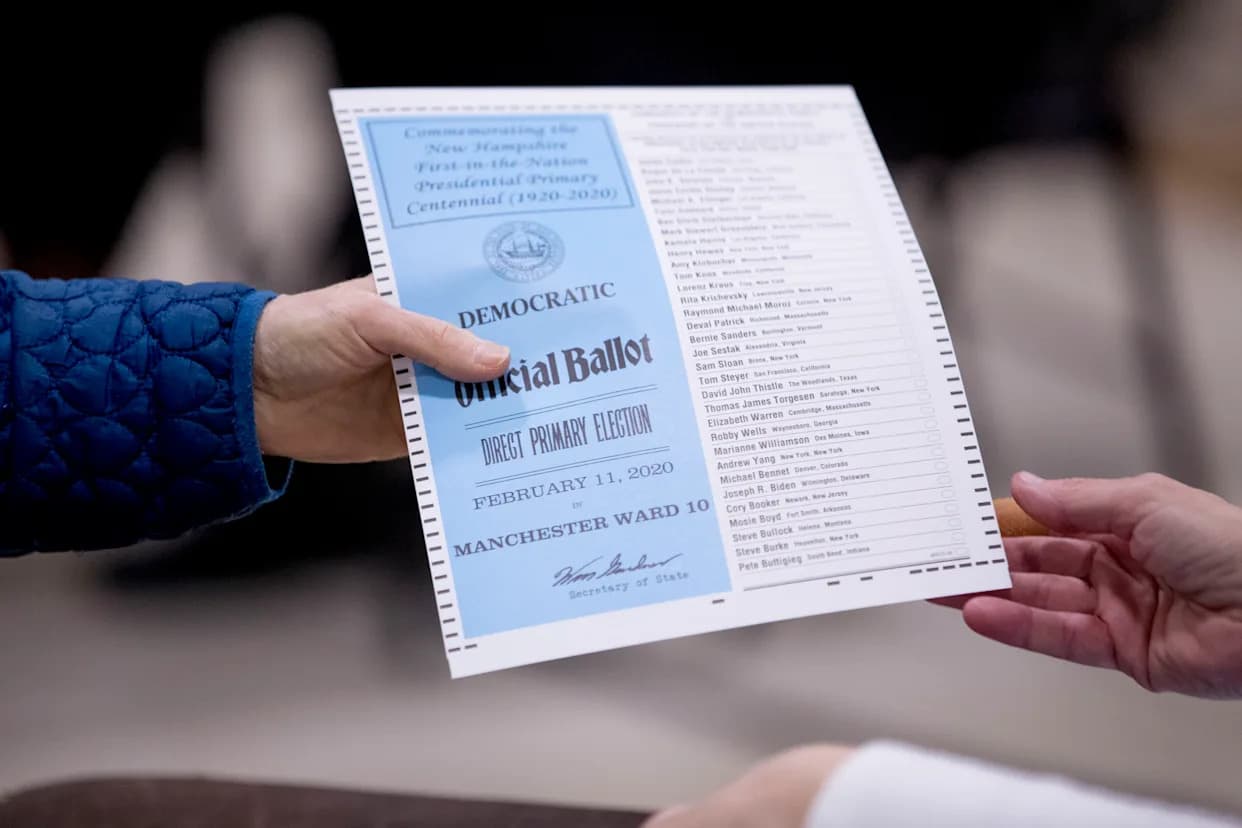
An influential Latino political organization, Latino Victory, has formally endorsed Nevada’s bid to become the first state in the 2028 Democratic presidential primary, directly challenging New Hampshire’s long-held first-in-the-nation primary claim.
Why Nevada Is Pushing
Latino Victory argues that Nevada’s diverse electorate — including a Hispanic or Latino population that exceeds 30% — better reflects the changing Democratic coalition and would produce a nominee more prepared to compete in diverse battlegrounds. In a letter to Democratic National Committee members, Katharine Pichardo, Latino Victory’s president and CEO, wrote that “maintaining the status quo or prioritizing less diverse states like New Hampshire would be a disadvantage to our party's presidential nominee.”
“Bottom line: Nevada is a diverse battleground that will produce a battle-tested nominee — and that is exactly what Democrats need at this moment to win back the White House.” — Katharine Pichardo, Latino Victory
Competition For Early Slots
Nevada’s endorsement adds momentum to a high-stakes contest among several states vying for the coveted early positions in the Democratic primary calendar. New Hampshire and South Carolina remain major contenders, and internal party documents show that multiple other states — including Michigan, Iowa, Illinois, New Mexico, Delaware, North Carolina, Georgia, Tennessee and Virginia — have applied to be among the four or five states chosen to hold contests before Super Tuesday.
Democratic leaders say they intend to choose four or five early states with regional balance in mind: one state each from the East, Midwest, South and West. The party’s rules and bylaws committee is slated to begin reviewing applications at an upcoming meeting in Puerto Rico.
Arguments From Other States
New Hampshire has a longstanding state law that seeks to preserve its first-primary status, and its Democratic party argues the state is a vital testing ground for candidates’ ability to attract independent voters — a capability they say is essential for general-election success. New Hampshire’s filing to the DNC also emphasized its historical significance in deciding close national elections.
South Carolina, which secured an early position for 2024 after playing a decisive role in the 2020 cycle, continues to stress its importance as a first test of candidates rooted in a key constituency of the Democratic coalition.
Why This Matters
Being an early state carries outsized influence: candidates devote time and money there, build local party infrastructure and gain momentum from strong early showings. Democrats are reconsidering the primary calendar after setbacks in the 2024 cycle, and the order of early contests could shape which voters are prioritized and which voices are heard first.
“The primary calendar shapes whose voices get to be heard first, so the order of the states in the presidential primary directly affects which voters candidates are forced to listen to early and then consistently.” — Melissa Morales, Somos Votantes
Broader Context
The debate also reflects larger tensions inside the Democratic Party about how best to respond to recent electoral losses and how to rebuild a winning coalition. The current round of calendar decisions comes amid internal scrutiny of the party’s post-2024 review process and calls from some activists and advocacy groups to center a more demographically representative set of early states.
Proponents of Nevada’s bid say the state’s demographic profile and battleground status make it a logical laboratory for vetting candidates against the electorate Democrats will need to win. Opponents caution that long-standing traditions, state laws and the strategic benefits of other early states deserve careful consideration.
As the DNC’s rules and bylaws committee reviews applications, the choice of early states for 2028 will send an early signal about the party’s priorities and approach to rebuilding after recent losses.
Help us improve.