The DNC received applications from 12 states vying for early positions in the 2028 Democratic presidential primary calendar. A rules and bylaws panel will evaluate bids on rigor, fairness and efficiency and begin reviews at the end of the month. The committee plans to pick one state from each region (East, Midwest, South, West) and possibly a fifth; applicants highlight diversity, battleground value, or historical precedent in their pitches.
Twelve States Vie For Early Spots In Democrats’ 2028 Primary Calendar — Who’s Making the Case?
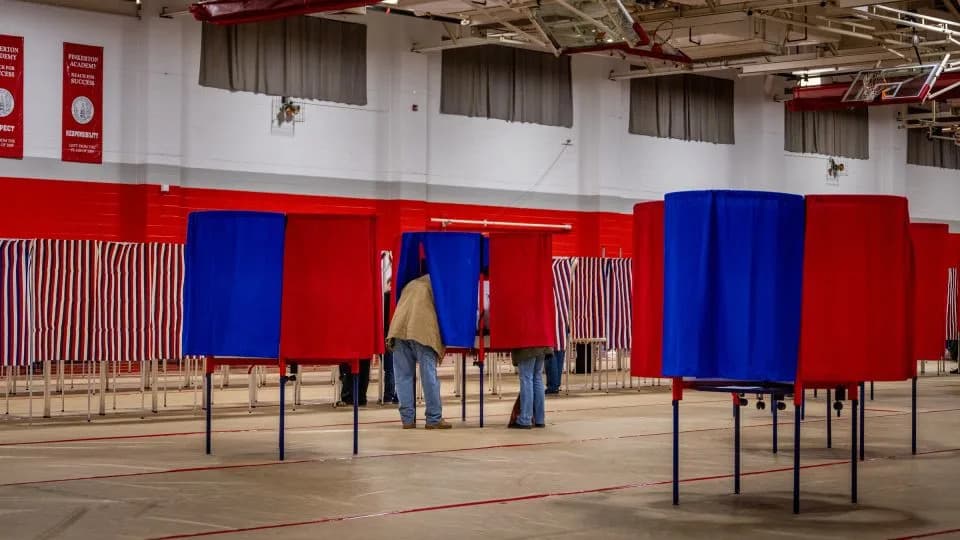
Voters cast their ballots in the New Hampshire Primary at Pinkerton Academy on January 23, 2024 in Derry, New Hampshire. - Brandon Bell/Getty Images
Democratic state parties from a dozen states have submitted applications this month seeking early slots on the party’s 2028 presidential primary calendar, setting up a regional competition that could shape candidate strategy in a wide-open nomination fight.
The Democratic National Committee’s rules and bylaws panel will evaluate bids using three standards: rigor (how well a state would test candidates), fairness (whether the calendar is equitable for smaller campaigns and diverse electorates) and efficiency (the practical ability to move a primary date and run an orderly contest). The panel is scheduled to begin reviewing applications at a meeting at the end of the month.
Which States Applied?
The DNC intends to select one early state from each of four regions — East, Midwest, South and West — and may add a fifth early state. The 12 applicants are:
- East: Delaware, New Hampshire
- Midwest: Illinois, Iowa, Michigan
- South: Georgia, North Carolina, South Carolina, Tennessee, Virginia
- West: Nevada, New Mexico
How States Are Making Their Case
Applications reviewed by news outlets and the DNC frame early-state value in three main ways: demographic diversity, battleground relevance, and historical precedent.
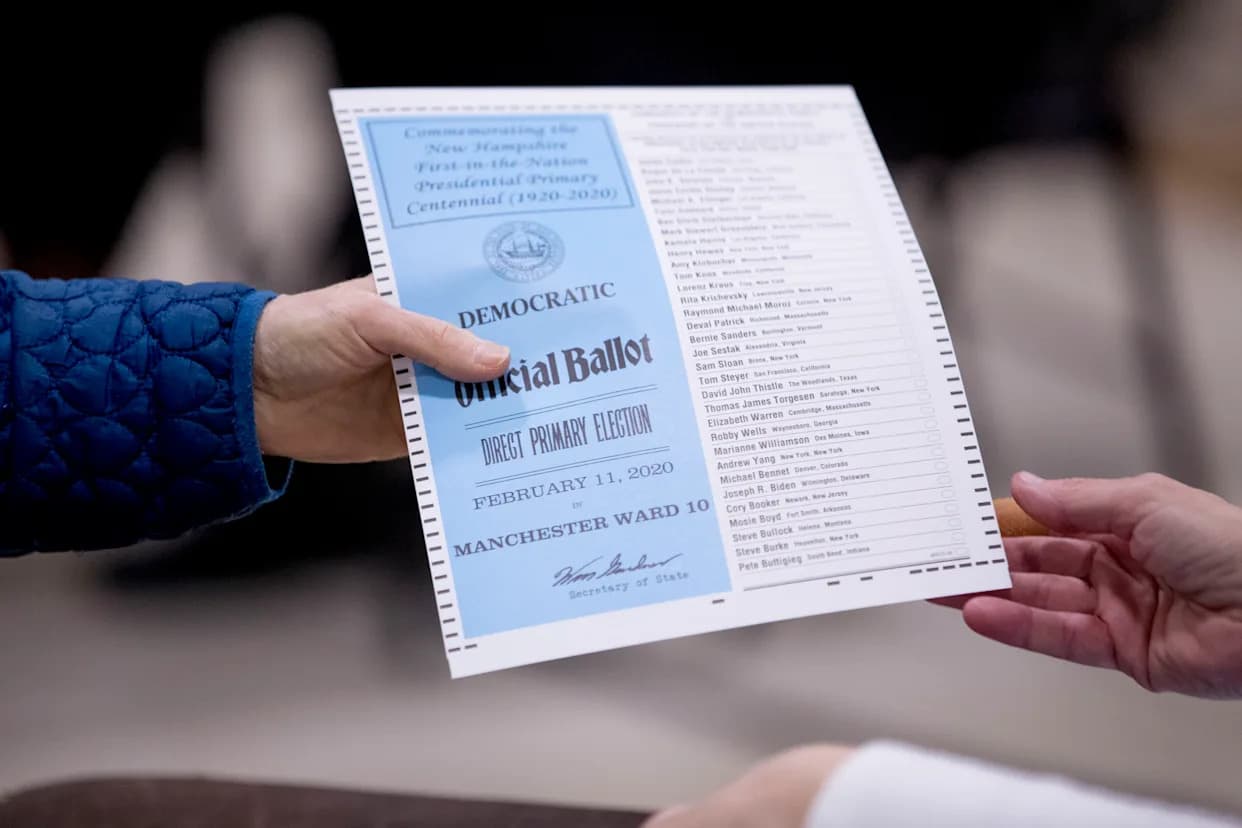
New Hampshire — seeking to reclaim its century-long first-in-the-nation influence — argues its small, purple electorate provides a rigorous test of candidates’ appeal to independent voters. The state party acknowledged New Hampshire is not racially diverse (roughly 87.6% White) but noted growing Black, Latino and Asian-American populations.
“Every general election candidate in New Hampshire knows, you have to win Independents to win your election,” the state party wrote. “Attracting Independents to vote in the Democratic primary is just as important as attracting steadfast and devoted Democrats.”
Delaware countered that it offers broader racial representation than New Hampshire, pointing to a sizable Black community and growing Latino and Asian-American populations.
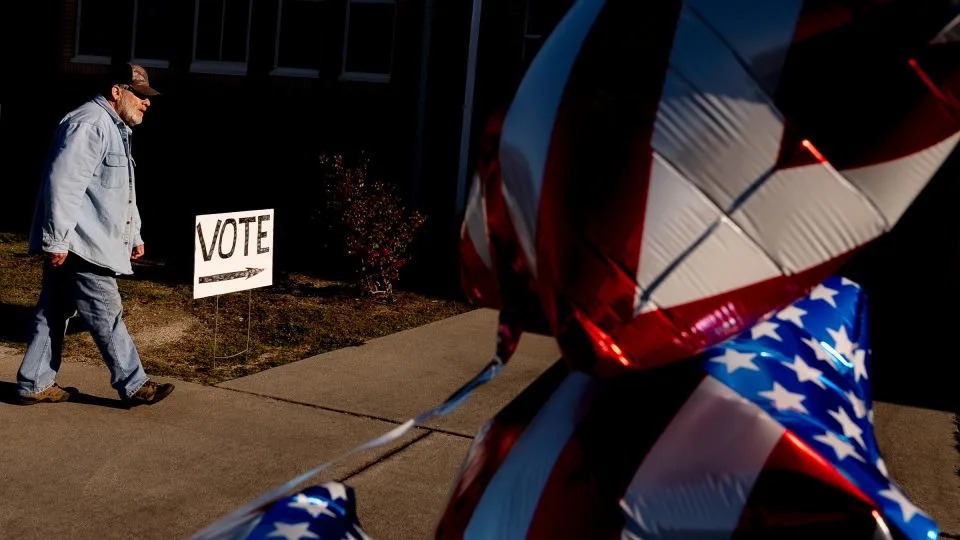
A resident walks into their voting precinct after voting on the morning of the South Carolina Republican primary at New Bridge Academy in Cayce, South Carolina, in February 2024. - Andrew Harnik/AP
Iowa leaned on history, noting its past role in elevating lesser-known candidates — including Jimmy Carter and Barack Obama — and argued that an early contest could help make the state competitive again in general elections.
“Change is coming to Iowa in 2026, and as long as national Democrats don’t ignore us, our state will remain competitive,” Iowa Democrats wrote.
MichiganIllinois emphasized demographic breadth: Michigan described itself as “a microcosm of Democratic demographics,” while Illinois called its electorate an “amalgamation of America.” Michigan also highlighted potential general-election returns from candidate engagement in the state.
South Carolina is asking the DNC to keep the first-in-the-nation slot it gained in 2024, citing a large Black electorate, rural voters, military communities and a history of supporting eventual Democratic nominees. Under state law, South Carolina’s party can set its own primary date.
Several southern applicants said an early slot would signal renewed Democratic investment in the region. But practical barriers exist: North Carolina and Tennessee would need approval from their Republican-led legislatures to change primary dates, and Georgia’s ability to move its date depends on the outcome of upcoming statewide elections for governor and secretary of state.
“The South has something powerful to say,” Tennessee Democrats wrote. “It’s time we start listening to the heart of it.”
Nevada and New Mexico pitched their large Latino populations and battleground profiles as reasons to be elevated. New Mexico also argued placing it early would force candidates to address border policy in a pragmatic, local context. Nevada stressed union strength, Latino and working-class voters, and the need to avoid allowing overwhelmingly white, highly college-educated states to set the opening tone for nominating contests.
“We cannot afford to have overwhelmingly college-educated, white, or less competitive states kick off the process of selecting our party’s nominee,” Nevada Democrats wrote.
What’s Next
The DNC panel’s deliberations in the weeks ahead will determine which mix of states — chosen for diversity, fairness and competitive utility — will lead off the 2028 nominating contests. Those choices will influence where potential candidates campaign early and how they target diverse coalitions of voters across regions.
Help us improve.