Summary: Hungarian Prime Minister Viktor Orbán dismissed calls for austerity if he wins the April vote, pledging to preserve Fidesz’s popular spending measures, including a 3% subsidised mortgage and tax exemptions for mothers of two. The government raised deficit targets to 5% for 2025 and 2026 to allow pre-election spending, prompting a negative outlook from Fitch. Economists warn the next government may still need to tighten finances after heavy pre-election measures as Hungary’s growth lags regional peers.
Orbán Rejects Austerity, Vows To Keep Fidesz Spending Ahead Of April Vote
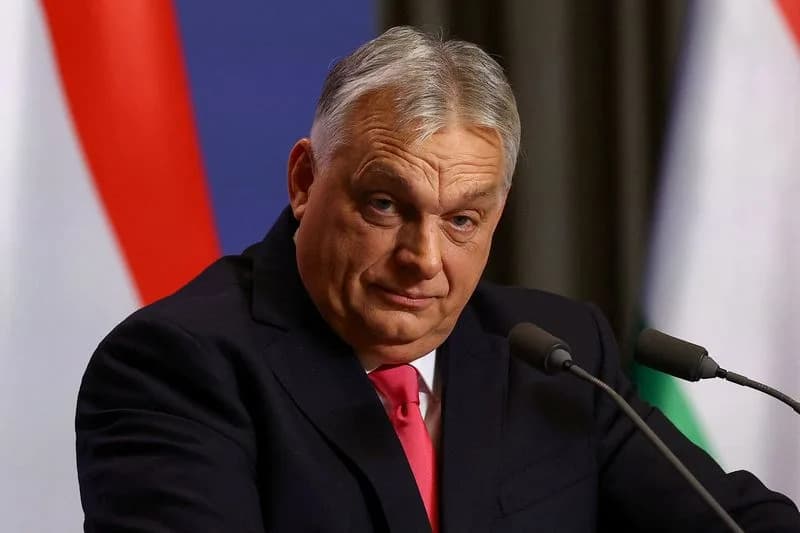
FILE PHOTO: Hungarian Prime Minister Viktor Orban holds an international press conference in Budapest, Hungary, January 5, 2026. REUTERS/Bernadett Szabo/File Photo
Budapest — Hungarian Prime Minister Viktor Orbán on Saturday denied he would need to impose austerity measures to cut the budget deficit if he wins the upcoming April vote, saying his right-wing Fidesz party will preserve its signature spending programmes.
Orbán, who has led Hungary since 2010, is trailing a centre-right challenger in many polls and is facing the weakest economic phase of his 16-year tenure. The economy has been nearly stagnant since Russia's 2022 invasion of Ukraine, which helped push inflation across Central Europe.
Fiscal Stance And Promises
Economists warn that whoever wins the April 12 ballot will have limited options but may be forced to tighten spending after substantial pre-election fiscal measures. Orbán rejected those concerns at a campaign rally, saying:
“That's a flat-out lie. The state of the Hungarian economy does not require any kind of austerity.”
Late last year the government raised its budget-deficit targets to 5% for 2025 and again for the 2026 election year to accommodate pre-election spending. That move contributed to Fitch Ratings cutting Hungary’s debt outlook to negative.
Orbán acknowledged the deficit — which has exceeded official forecasts in recent years — should be reduced, but argued it should happen "calmly, slowly and gradually" as economic conditions improve. He pledged that core measures would remain if he is re-elected, including a 3% subsidised mortgage rate and a plan to exempt mothers of two from income tax by the end of the next parliamentary term.
Pre-Election Measures
To shore up support, the government has announced targeted relief packages: a 100 billion forint scheme to support the restaurant sector and a 50 billion forint programme to help curb household heating bills. Critics and some economists say such measures raise near-term demand for votes while complicating the post-election fiscal outlook.
Outlook And Implications
Official data released on Friday show Hungary underperforming neighbours such as Poland and the Czech Republic, with weak growth prompting some analysts to lower 2026 forecasts. Policymakers will face the challenge of balancing political commitments with fiscal credibility: reducing the deficit without abrupt cuts that could push voters away or harm short-term growth.
Currency note: $1 = 321.48 forints.
Help us improve.