Hungarian Prime Minister Viktor Orban announced a 100 billion forint (≈ $304.42m) support package aimed at stabilising the restaurant sector ahead of April's election. Measures include liquidity aid, a halved tourism tax, the suspension of an entertainment levy for qualifying firms and permission for nearly 10,000 restaurants to treat up to 20% of revenue as a service fee. The move is part of broader pre-election measures including tax cuts and pension top-ups amid public concern over living costs and possible extensions to energy subsidies.
Orban Unveils 100 Billion-Forint Rescue For Restaurants Ahead Of April Election
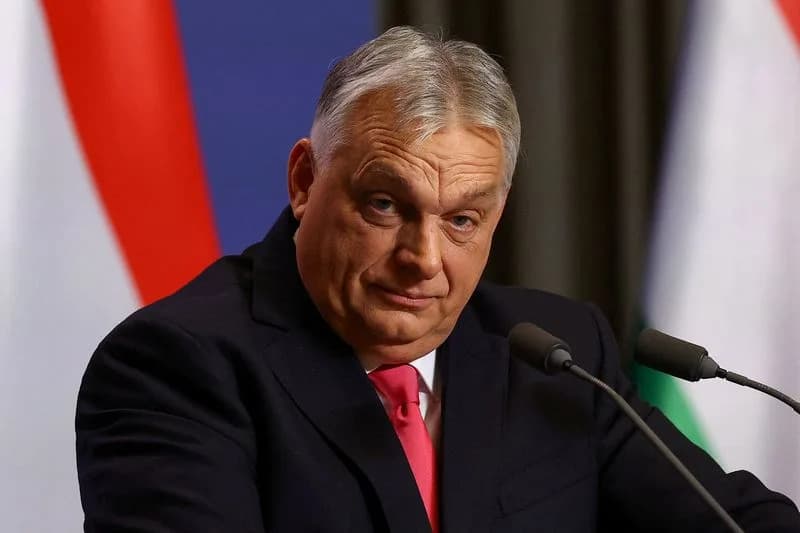
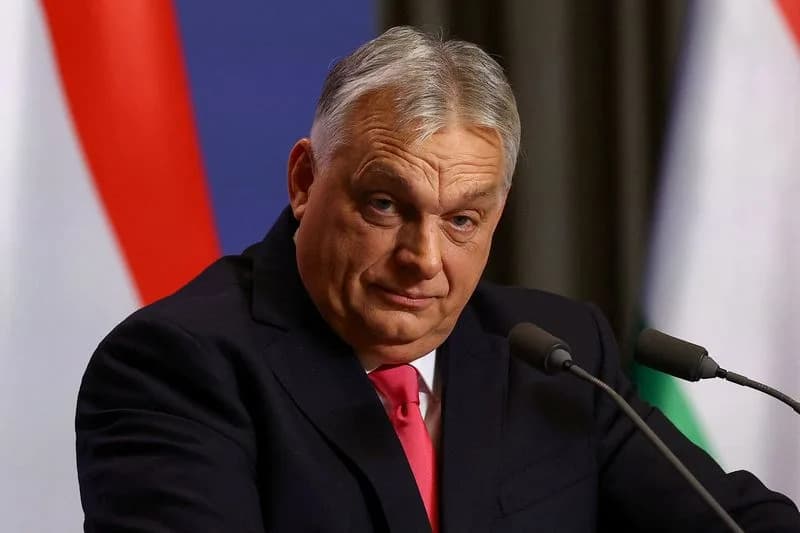
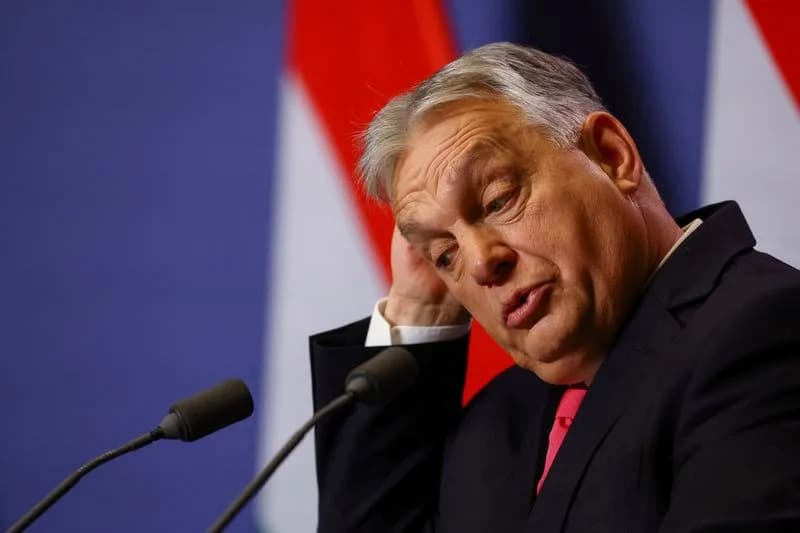
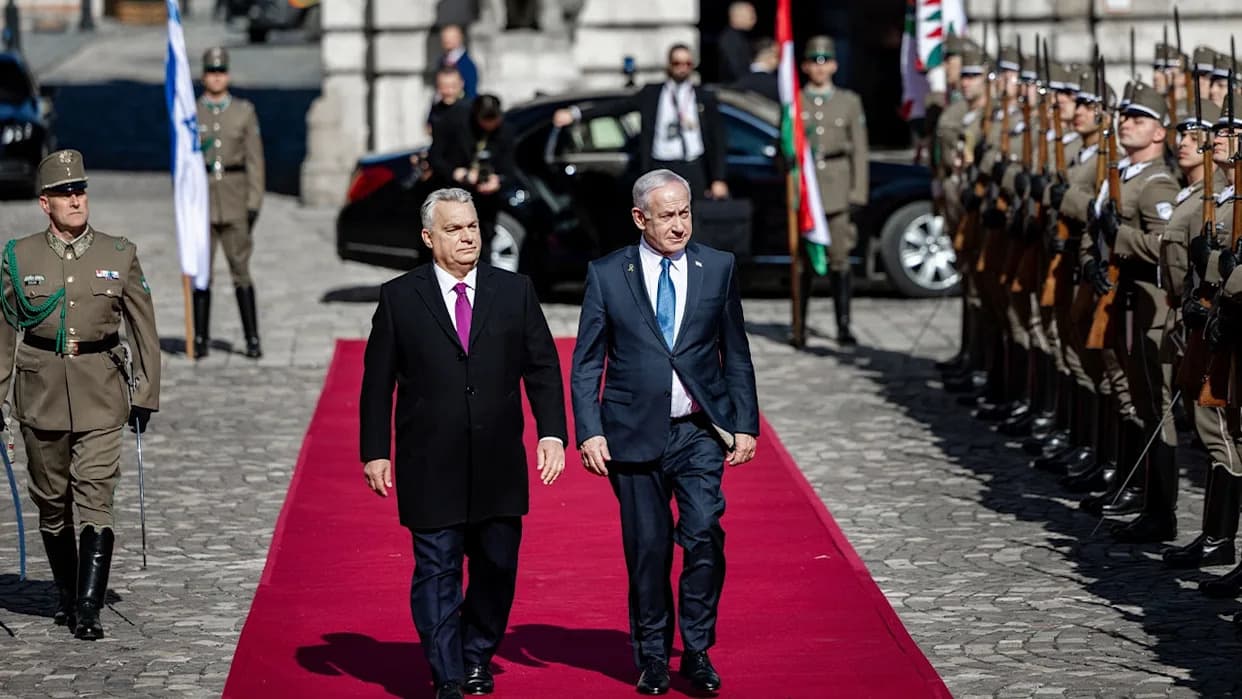
FILE PHOTO: Hungarian Prime Minister Viktor Orban holds an international press conference in Budapest, Hungary, January 5, 2026. REUTERS/Bernadett Szabo/File Photo
BUDAPEST, Jan 21 (Reuters) - Hungarian Prime Minister Viktor Orban on Wednesday announced a 100 billion forint package (about $304.42 million) intended to stabilise the country's restaurant sector as he seeks to boost the economy ahead of an April election.
Key Measures
According to Economy Minister Marton Nagy, the package includes targeted liquidity support for restaurants, a halving of the tourism tax and the suspension of an entertainment-spending levy for companies with up to 1% of annual turnover. Nearly 10,000 restaurants will also be permitted to treat up to 20% of their revenue as a service fee, lowering taxable income and reducing tax bills.
The government framed the measures as a way to shore up a sector hit by rising labour costs: the statutory minimum wage rose 11% at the start of 2026, placing added pressure on restaurants' operating margins.
Political And Economic Context
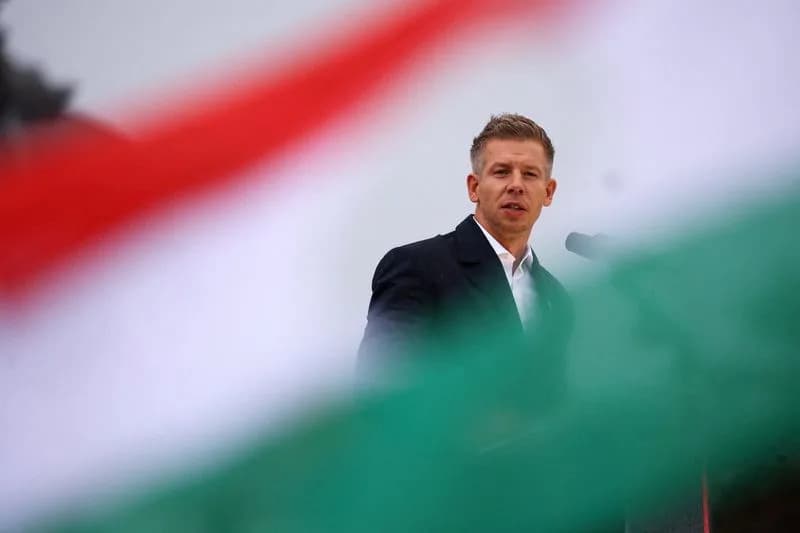
The support package comes as Orban and his ruling Fidesz party trail challenger Tisza in many polls ahead of April's vote. It accompanies a broader slate of pre-election initiatives announced by the government, including large tax cuts for families, public-sector pay increases, food vouchers for pensioners, a pension top-up due in February and a subsidised housing-loan programme.
Officials have also signalled a possible extension of energy price subsidies to help households cope with higher heating bills amid freezing temperatures. An autumn Eurobarometer found rising living costs were Hungarians' top domestic concern, even though inflation has eased from peaks above 25% in early 2023 to the central bank's 2%–4% tolerance band by November.
Analyst Concerns And Rating Agency Reaction
Some analysts warned that strong wage growth, lingering economic weakness and surging energy costs could make it harder for firms to absorb higher labour expenses, despite the one-off support. Fitch Ratings downgraded Hungary's outlook to negative late last year, citing fiscal risk from pre-election spending measures.
Currency Note: ($1 = 328.49 forints)
(Reporting by Gergely Szakacs; Editing by Kate Mayberry)
Help us improve.