Researchers detected the largest sulfur-bearing organic molecule yet found in interstellar space: 2,5-cyclohexadiene-1-thione, a 13-atom compound observed in molecular cloud G+0.693–0.027 about 27,000 light-years away. The team synthesized the molecule in the lab, recorded its radio-frequency fingerprint, and matched it to archival IRAM-30m and Yebes telescope data. The discovery helps bridge the gap between simple interstellar chemistry and the complex sulfur-rich organics seen in comets and meteorites, with implications for how life’s ingredients may be distributed across the galaxy.
Largest Sulfur-Bearing Organic Molecule Found in Space — A New Clue to Life’s Cosmic Origins
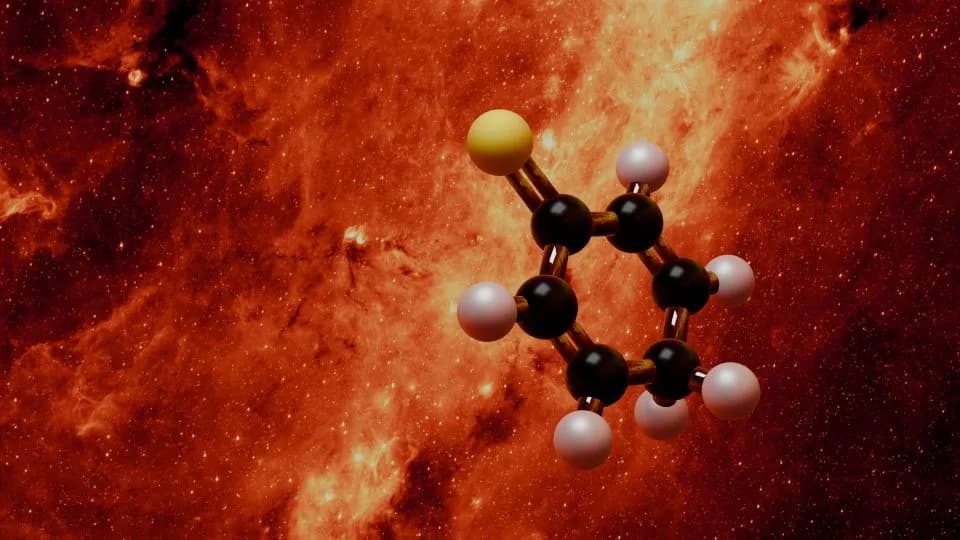
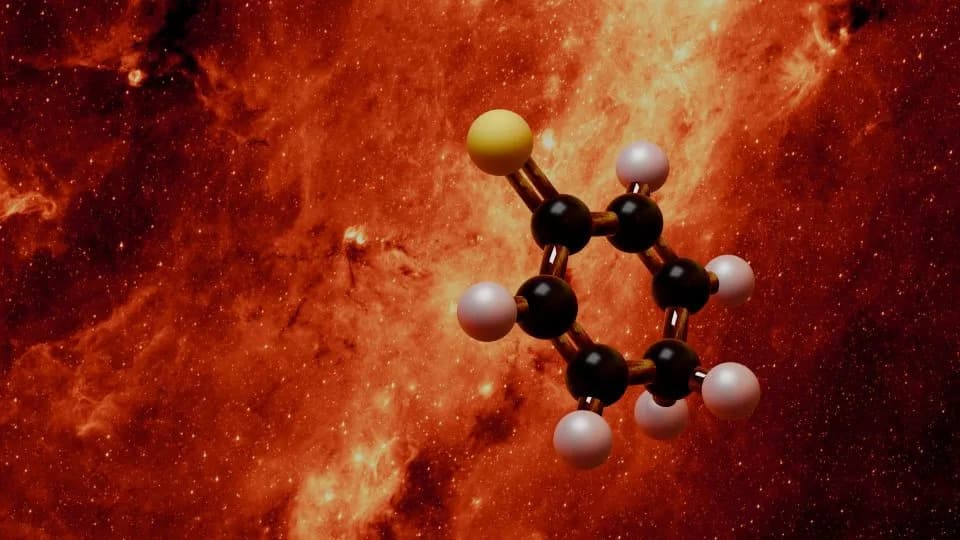
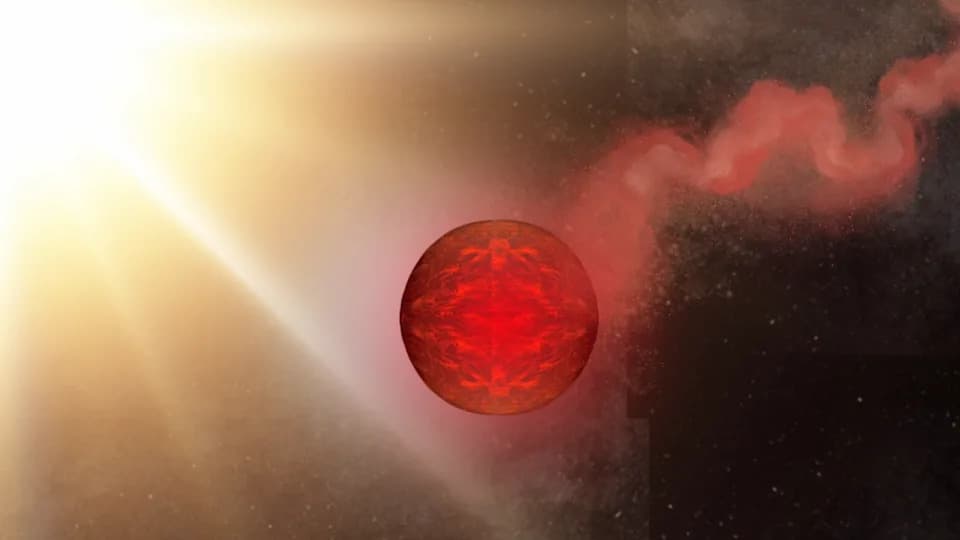
A 13-atom molecule containing sulfur (seen in this illustration) was discovered in interstellar space for the first time. - MPE/NASA/JPL-Caltech
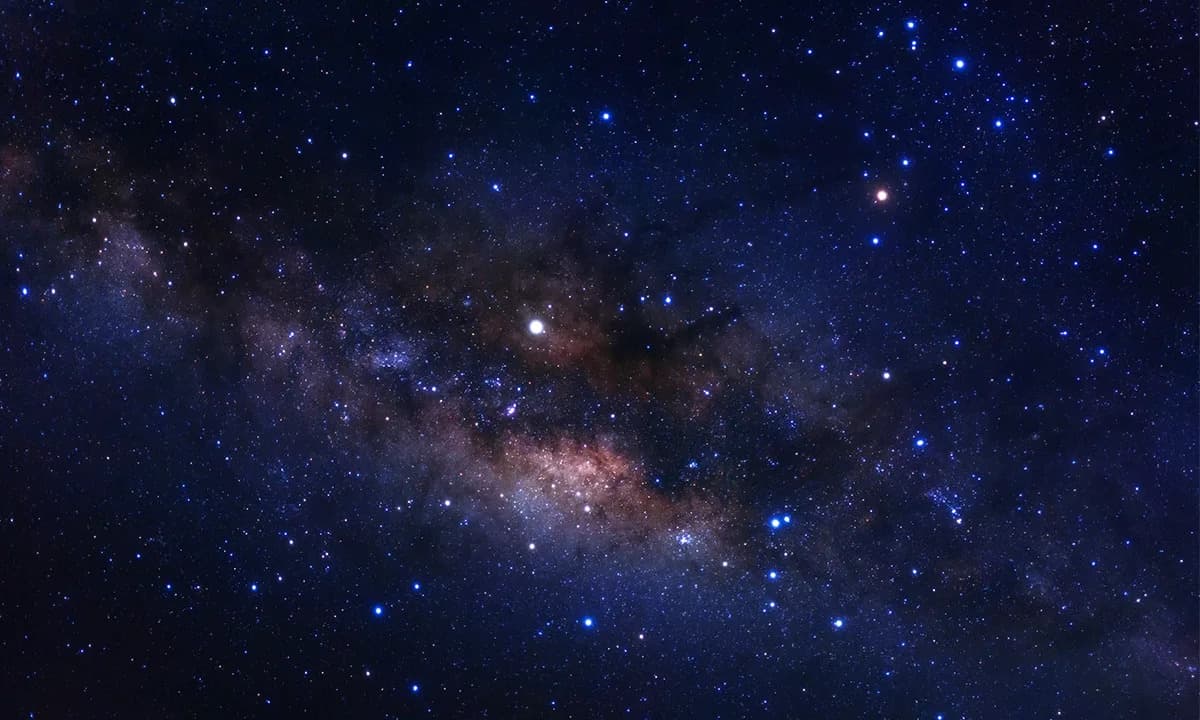
Scientists have identified the largest sulfur-containing organic molecule yet observed in interstellar space. The compound, 2,5-cyclohexadiene-1-thione, contains 13 atoms and was detected in the molecular cloud G+0.693–0.027, near the center of the Milky Way about 27,000 light-years from Earth.
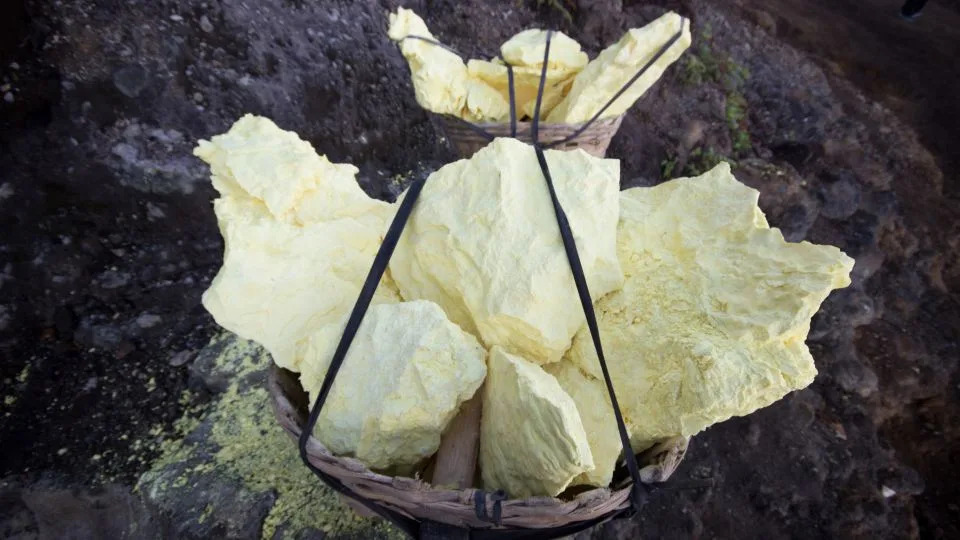
Extracted sulphur on Mount Ijen in Indonesia. Sulfur is a key ingredient for life. - Laura Portinaro/REDA/Universal Images Group/Getty Images
Discovery and Significance
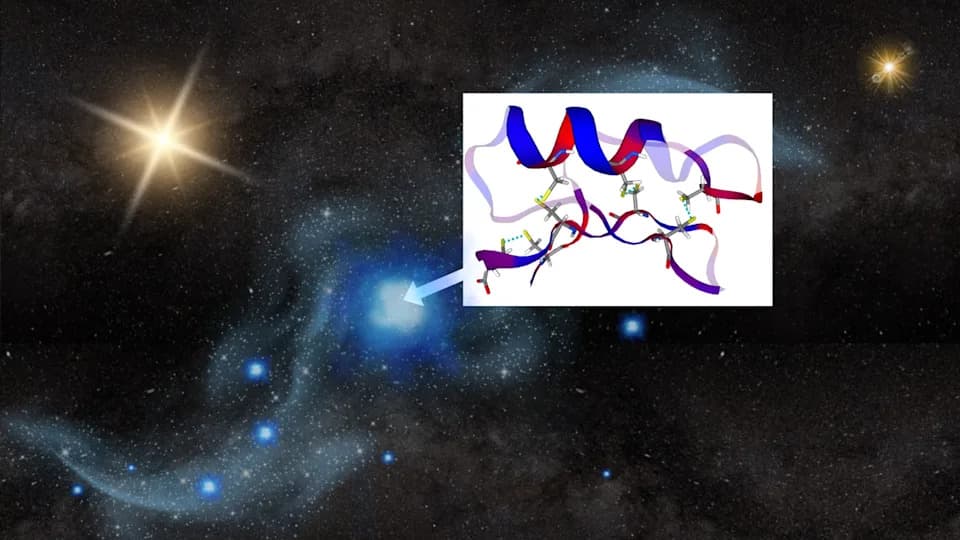
The detection fills an important gap between the simple molecules commonly observed in interstellar space and the more complex, sulfur-rich organics previously found in comets and meteorites. Sulfur is a key element in amino acids, proteins and enzymes on Earth, and understanding its distribution in space helps scientists trace the pathways that might deliver life's ingredients to forming planets.
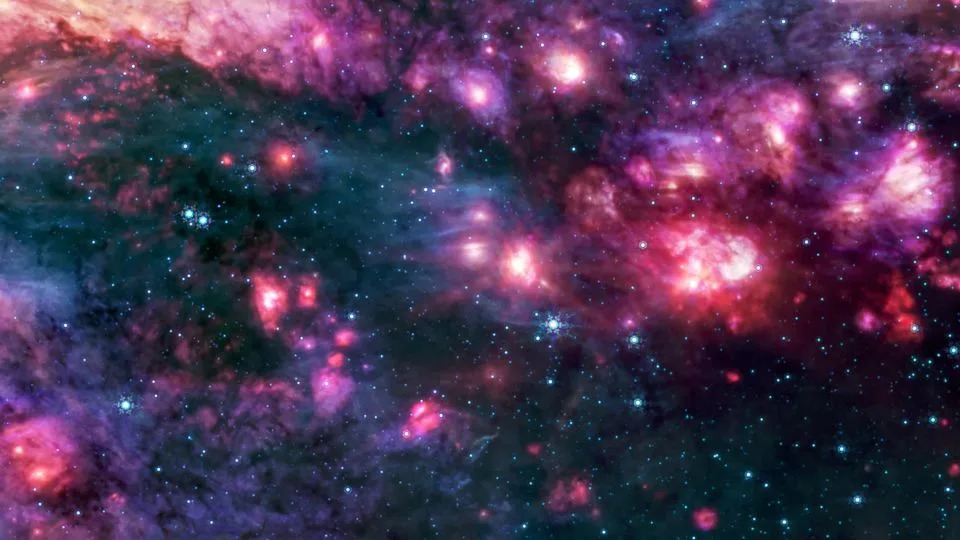
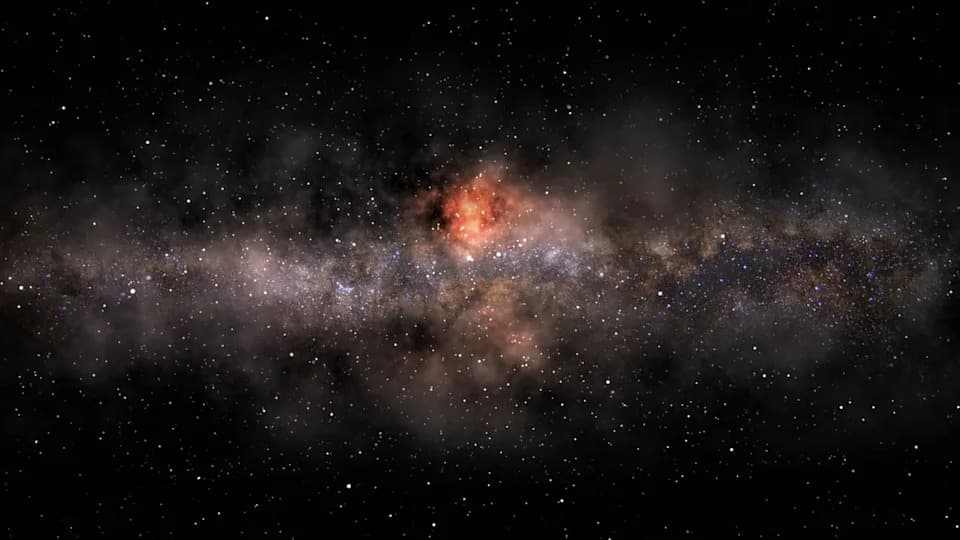
Molecular clouds, such as the Sagittarius B2 molecular cloud seen here, act as stellar nurseries. - NASA, ESA, CSA, STScI, Adam Ginsburg (University of Florida), Nazar Budaiev (University of Florida), Taehwa Yoo (University of Florida), Alyssa Pagan (STScI)
How the Team Confirmed the Molecule
Researchers first synthesized 2,5-cyclohexadiene-1-thione in the laboratory by applying an electric discharge to thiophenol, a sulfur-containing liquid. They measured the compound’s precise radio-frequency spectrum — a distinctive “fingerprint” — and matched it to archival radio-telescope observations of the cloud taken with Spain’s IRAM-30m and Yebes telescopes.
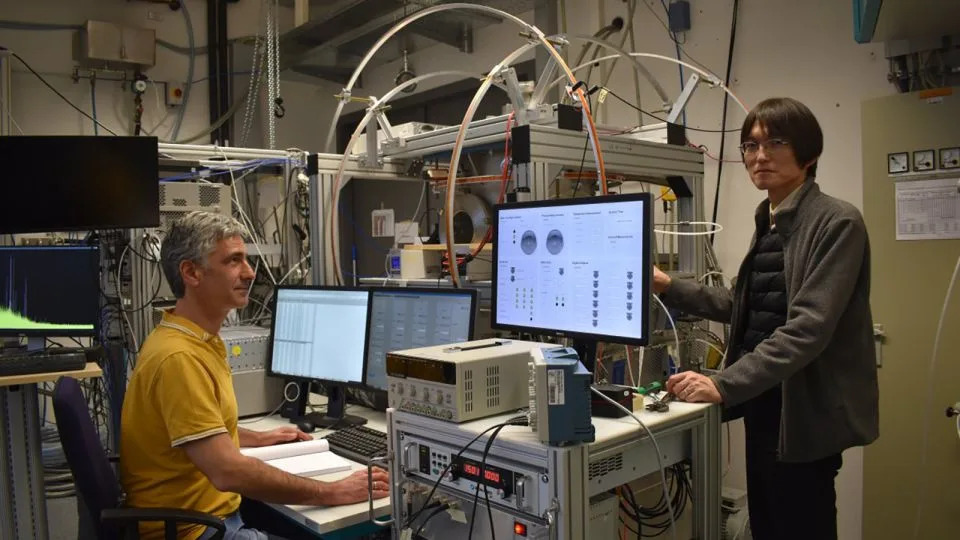
Study authors Christian Endres (left) and Mitsunori Araki work on an experiment in the lab. - MPE
Mitsunori Araki, lead author and scientist at the Max Planck Institute for Extraterrestrial Physics: "This is the largest sulfur-bearing molecule ever found in space, at 13 atoms. It helps close the gap between simple interstellar chemistry and the complex organics we see in comets and meteorites."
Context and Expert Reactions
The discovery supports previous hypotheses that some sulfur is hidden in ices or in larger, less-easily detected compounds, and suggests many more sulfur-bearing molecules may await discovery. Independent experts called the work a strong example of laboratory astrochemistry combined with sensitive radio observations.
Kate Freeman (Penn State) described the study as "an exciting detective story made possible by powerful radio telescopes and a really good search strategy." Sara Russell (Natural History Museum, London) noted the result implies biologically important materials may be widespread in our galaxy. Ryan Fortenberry (University of Mississippi) emphasized sulfur’s special chemistry and the importance of finding sulfur-bearing species when considering where life might arise.
Implications
The finding narrows the chemical gap between interstellar molecules and the complex sulfur compounds in meteorites, supporting scenarios in which impacts by comets and meteorites delivered prebiotic materials to the early Earth. It also raises the prospect that similar chemistry could be common in other planetary nurseries.
Where Next? The team expects additional sulfur-containing molecules — possibly even larger ones — to be found as telescope sensitivity and laboratory spectral catalogs improve. Continued synergy between laboratory spectroscopy and radio astronomy will remain essential for identifying complex interstellar organics.
Help us improve.