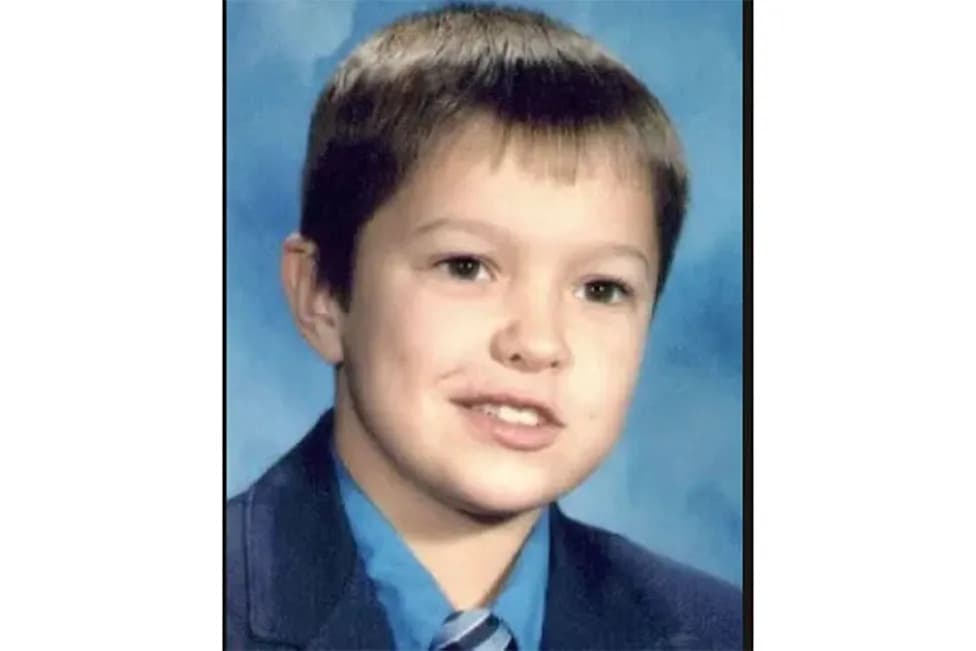
On July 15, 1976, 26 children (ages 5–14) and their bus driver were kidnapped in Chowchilla, California, driven to a remote quarry and buried alive in a sealed tractor-trailer. After about 16 hours trapped underground, the children stacked mattresses, wedged open a hatch and dug out; two children and the driver first reached a quarry guard and alerted authorities. Investigators identified Frederick Newhall Woods IV and brothers James and Richard Schoenfeld as suspects; they had planned a $5 million ransom and later pleaded guilty to kidnapping. Sentences were reduced on appeal and each man was eventually paroled; survivors later won a civil settlement paid from Woods’ trust fund.
Buried Alive: The 1976 Chowchilla Kidnapping — How 26 Children Escaped a Grave in a Quarry
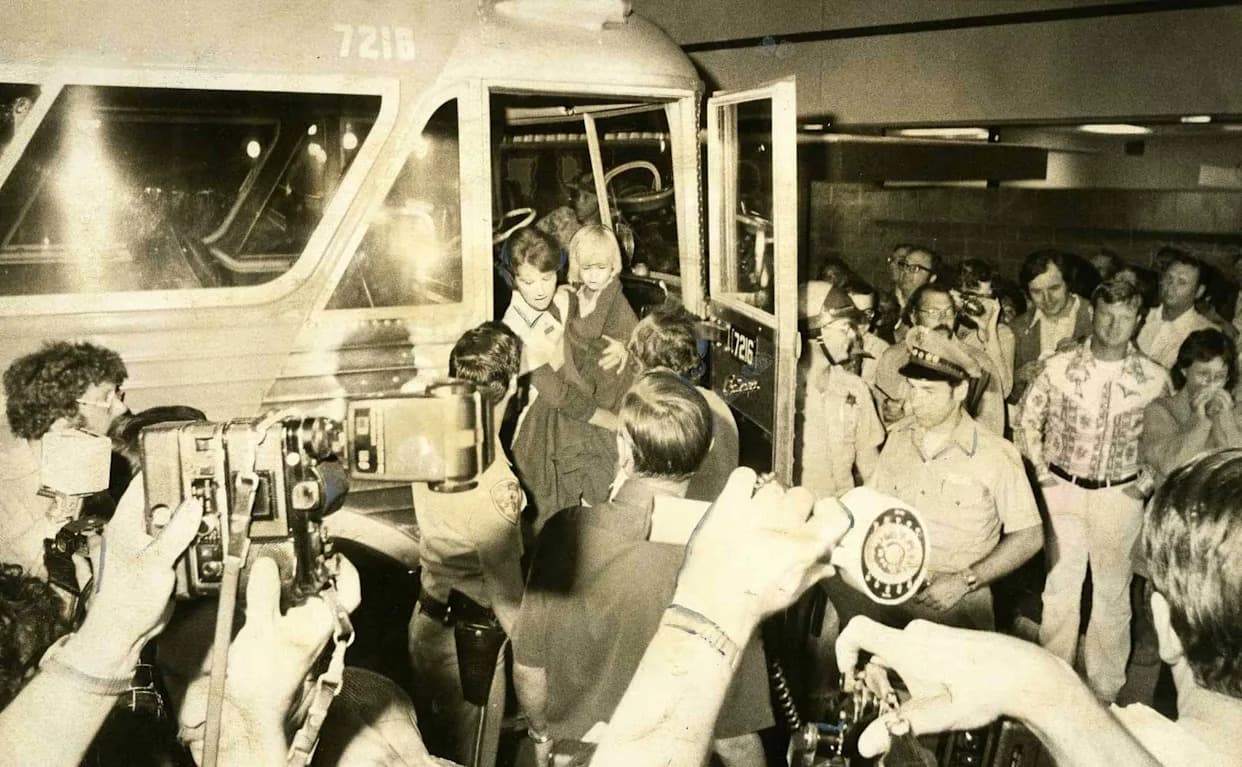
An Alameda County matron carries one of the kidnapped youngsters off a bus in Chowchilla Getty
On July 15, 1976, what began as a summer celebration ended in one of California’s most shocking crimes: 26 schoolchildren and their bus driver were abducted, transported to a remote gravel quarry and buried alive in a sealed tractor-trailer.
The Abduction
The group — 19 girls and 7 boys aged 5 to 14, plus 55-year-old bus driver Ed Ray — were returning from a fair in Chowchilla, roughly 150 miles southeast of San Francisco, when a van blocked the road. A gunman boarded the bus while two accomplices forced the children and the driver into two soundproof vans with blacked-out windows. The captors drove the victims for about 11 hours and then abandoned the school bus, covering it with brush to delay discovery.
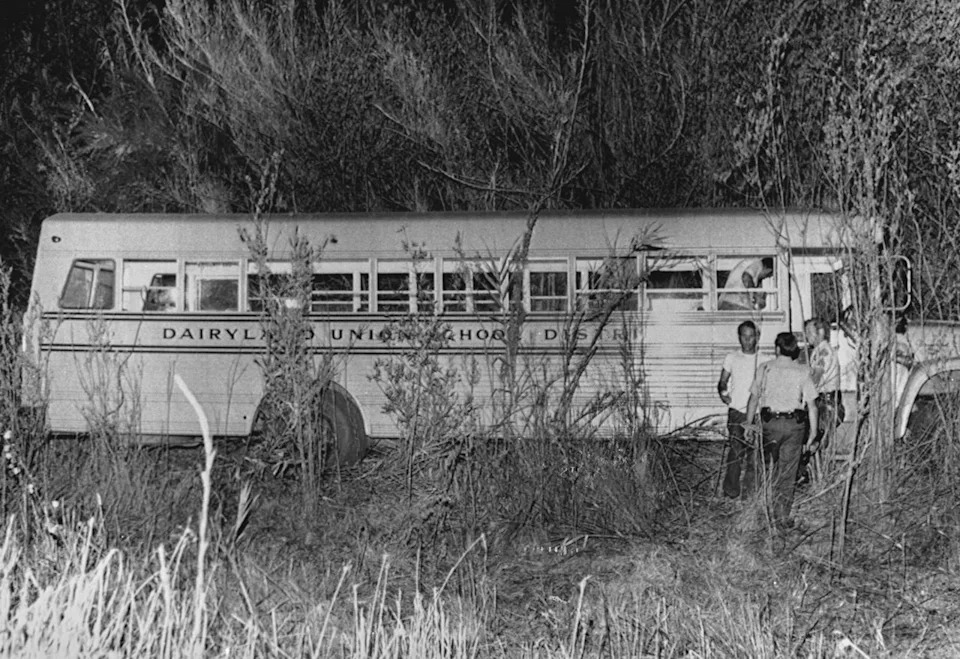
The bus from which 26 children and their bus driver were kidnapped near ChowchillaUPI/Bettmann/Getty
Buried Alive in a Quarry
Investigators later learned the kidnappers had taken the group to a remote gravel quarry about 100 miles away. There the victims were marched down a shaft into a tractor-trailer and entombed when the kidnappers buried the vehicle under dirt. The enclosed space measured roughly 108 square feet. The abductors left mattresses and some supplies, then departed, apparently intending to demand a ransom.
Escape and Rescue
While families and law enforcement mounted a massive search, those inside the trailer began to plan an escape. By stacking mattresses, children were able to reach and wedge open an overhead hatch. After digging through dirt and debris, two children and Ed Ray managed to claw their way out after about 16 hours underground. They alerted a quarry security guard, and deputies from the Alameda County Sheriff’s Office arrived to evacuate all the children safely.
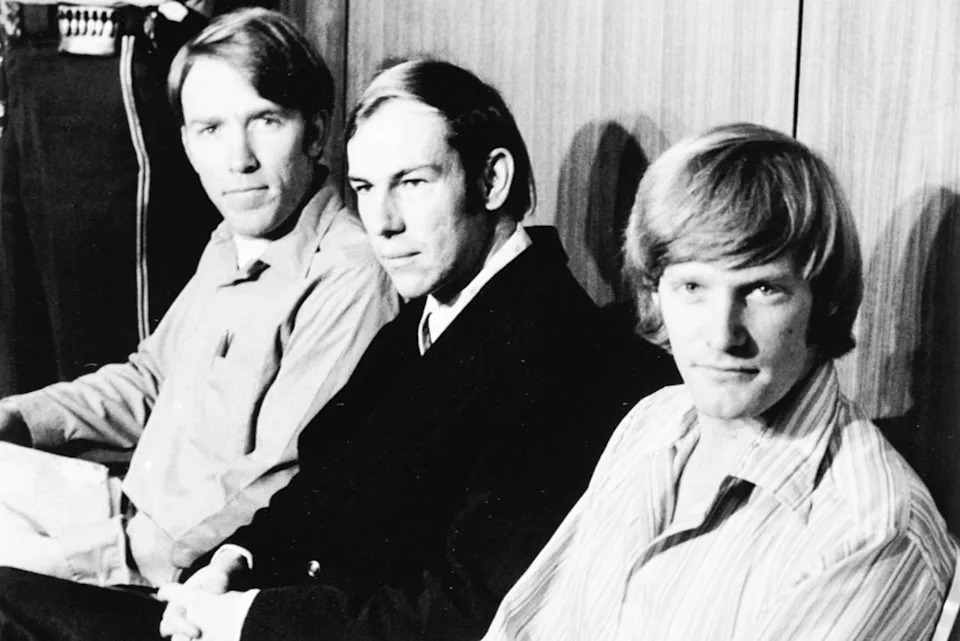
James Schoenfeld, Fred Woods and Richard Schoenfeld (l to r)Bettmann Archive
Investigation and Motive
Authorities quickly focused on three suspects: Frederick Newhall Woods IV (then 24), and brothers James (24) and Richard Schoenfeld (22). Woods’ family owned the quarry where the victims had been hidden. Evidence recovered from Woods’ family property included a firearm linked to the crime and a draft of a ransom note demanding $5 million. The motive was ransom, a plan that startled the public given the perpetrators’ wealthy backgrounds — Woods lived on a 79-acre estate and the Schoenfelds were sons of a prosperous podiatrist.
Arrests, Pleas, and Sentences
Richard Schoenfeld voluntarily surrendered eight days after the kidnapping; James was arrested in Menlo Park about a week later; and Woods was located hiding in a Vancouver hotel by Canadian authorities. The three eventually pleaded guilty to kidnapping in a deal that dropped robbery charges. Originally sentenced to life in prison, their sentences were later reduced on appeal to a term of eight years to life. Over the years, each man was released on parole: Richard in 2012, James in 2015, and Woods in 2022.
Aftermath and Civil Action
Survivors and families continued to pursue accountability. Lynda Carrejo-Labendeira, who was 10 at the time, publicly criticized parole decisions, saying victims’ voices felt ignored at hearings. In 2016, 25 surviving victims won a civil settlement against the kidnappers; the award was paid from Woods’ trust fund.
Legacy: The Chowchilla kidnapping remains a stark example of both an audacious crime and extraordinary resilience — the children’s self-organized escape is credited with saving lives.
Help us improve.