Key takeaway: Defense expert Dr. Brent Tarvey concluded that autopsy and scene evidence from the Nov. 13, 2022 killings of four University of Idaho students are consistent with at least two attackers. He cited Ethan Chapin’s position in bed, multiple types of force used on Kaylee Goncalves, and signs of a cleanup that he said were unlikely to be executed by one person within an estimated 15-minute window. Prosecutors countered that a single armed assailant could control two victims, use different lethal methods, and perform quick cleanup steps. Kohberger later pleaded guilty and is serving four life sentences without parole.
Defense Expert Says Autopsies Point To Two Attackers In Idaho Student Murders — Prosecutors Dispute Claim
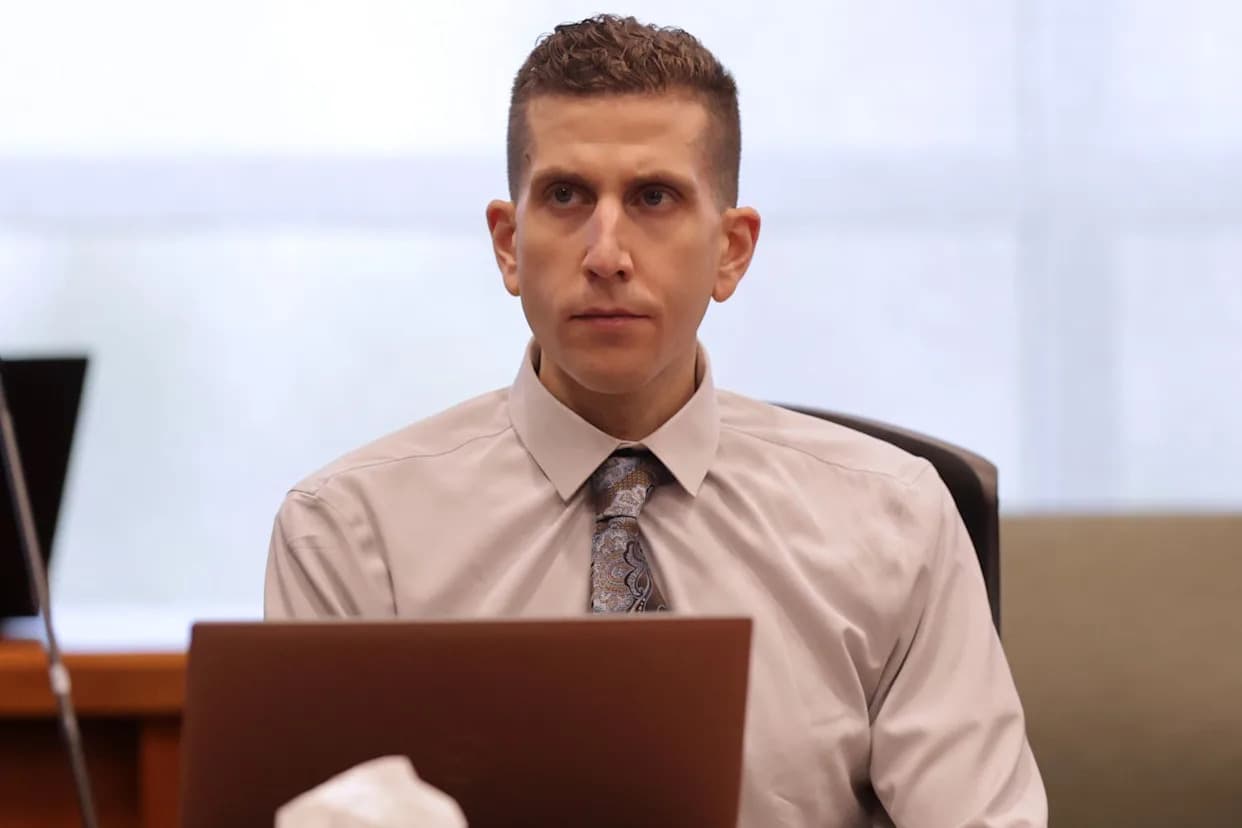
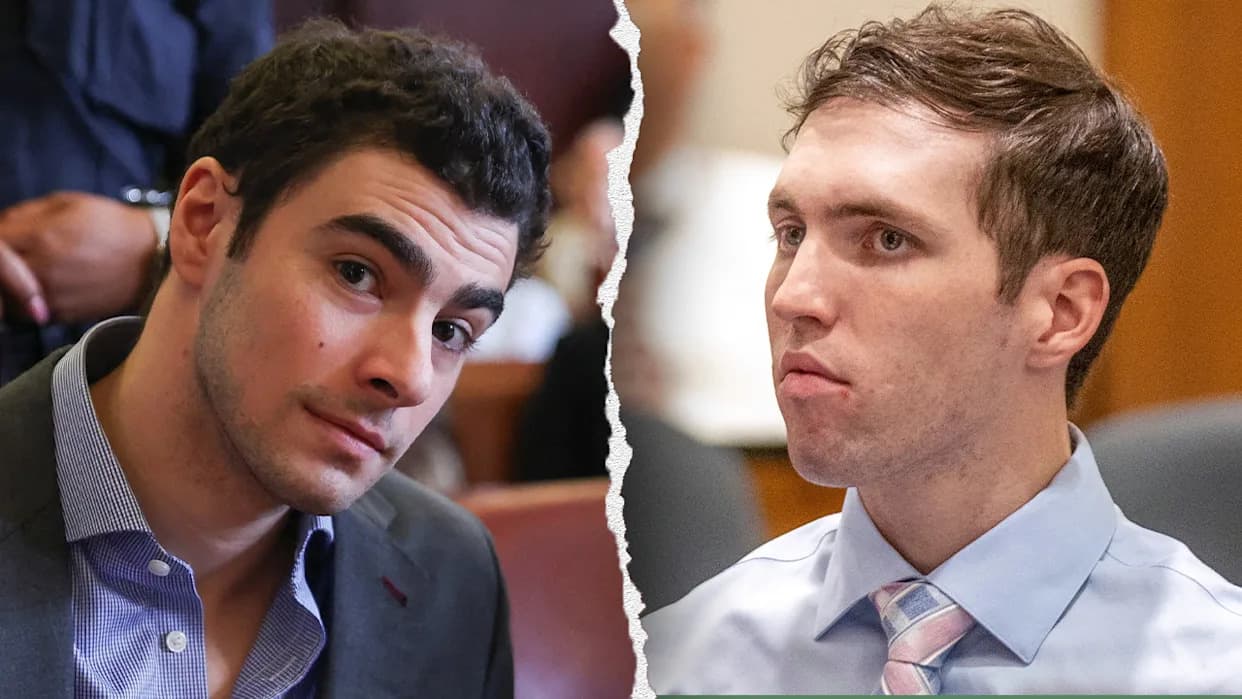
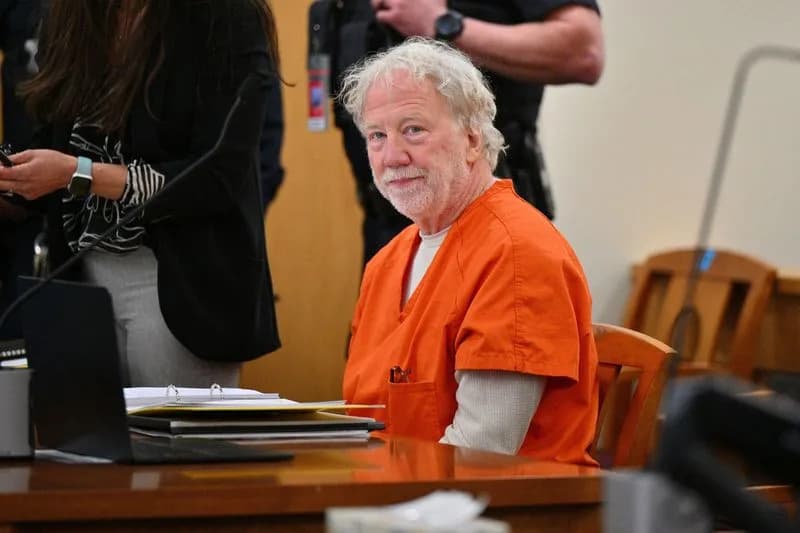
Bryan Kohberger appears for a hearing at the Ada County Courthouse on July 2, 2025, in Boise, Idaho.Kyle Green-Pool/Getty
Dr. Brent Tarvey, a forensic criminologist retained by Bryan Kohberger’s defense team, told investigators and defense counsel that autopsy findings and scene observations from the Nov. 13, 2022 slayings of four University of Idaho students are consistent with at least two assailants.
Defense Findings
In a sealed outline later partially unsealed by the court, Tarvey summarized several lines of reasoning for his conclusion. He highlighted three central points: the apparent fact that Ethan Chapin’s body was found in bed and showed no evidence he stood up or left that position during the attack; autopsy evidence that multiple types of lethal force were used on Kaylee Goncalves; and signs that some cleanup or mitigation of blood evidence occurred in the home.
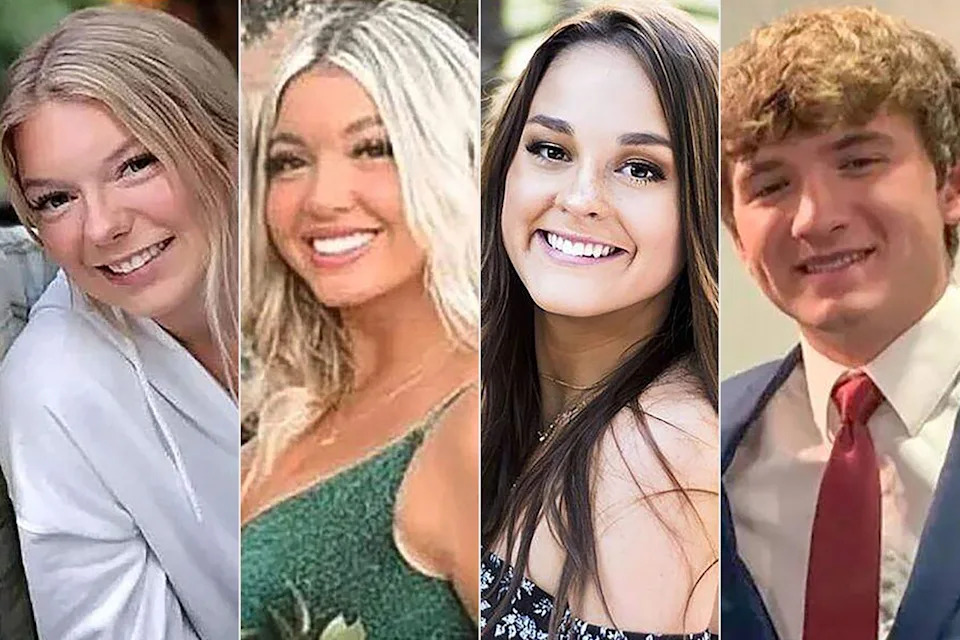
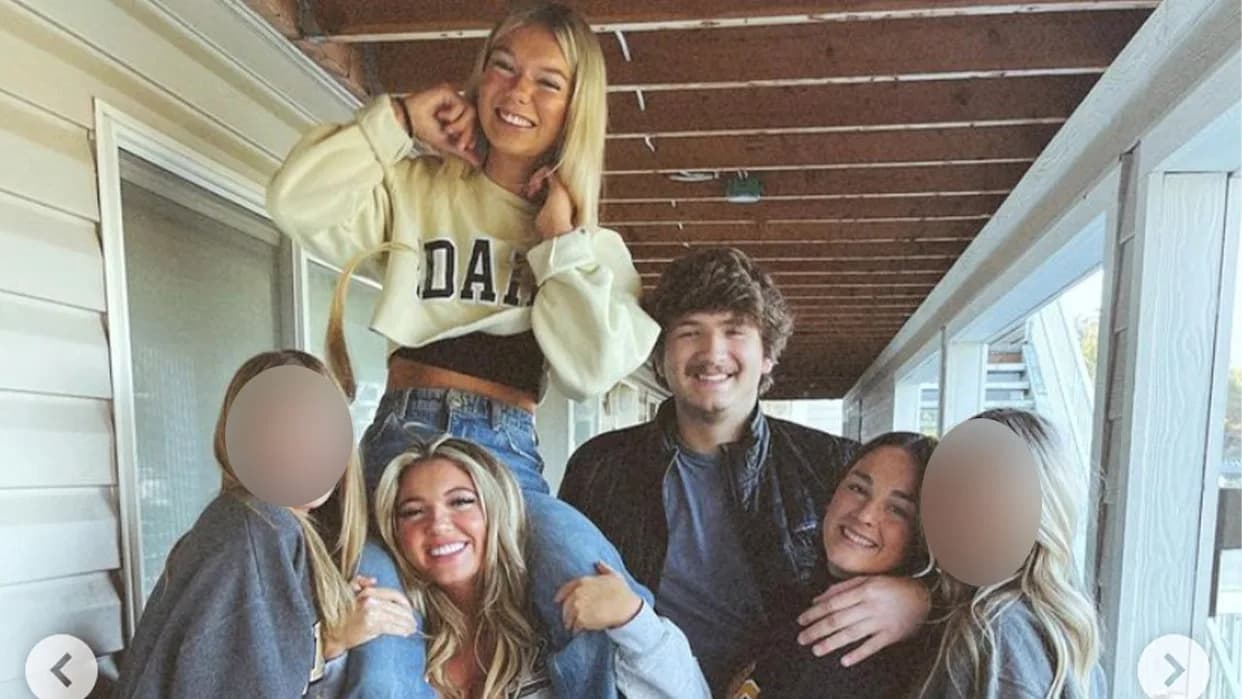
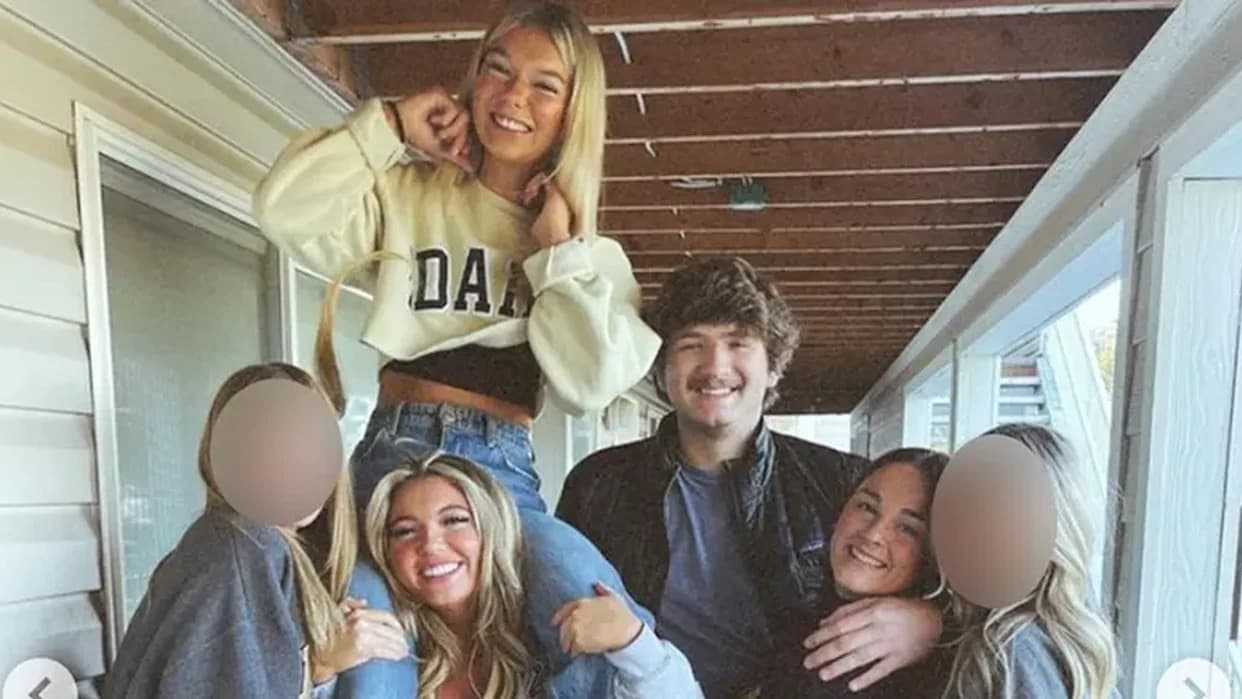
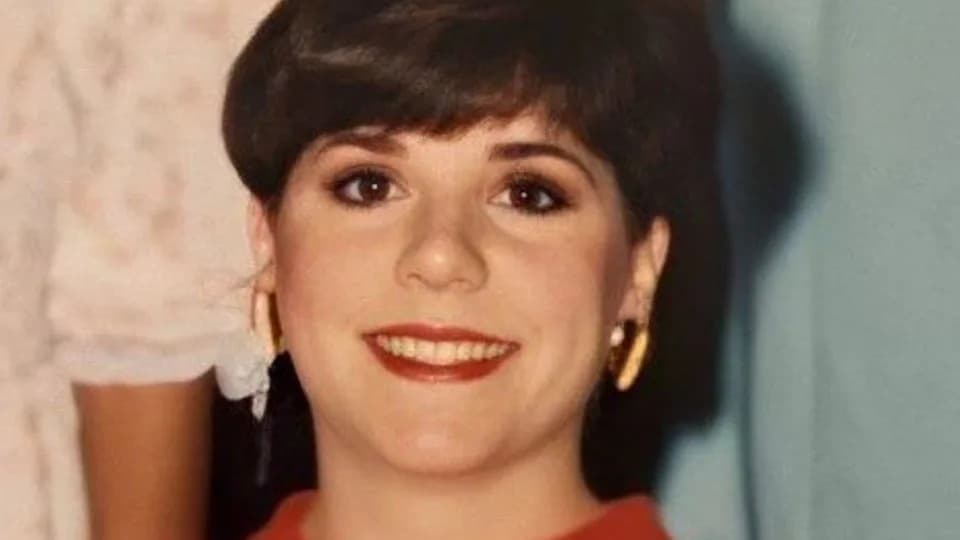
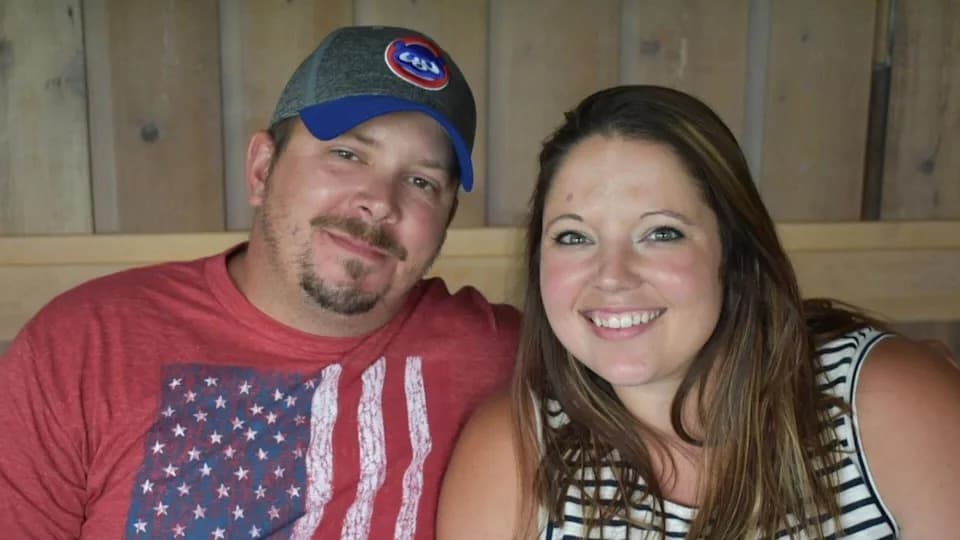
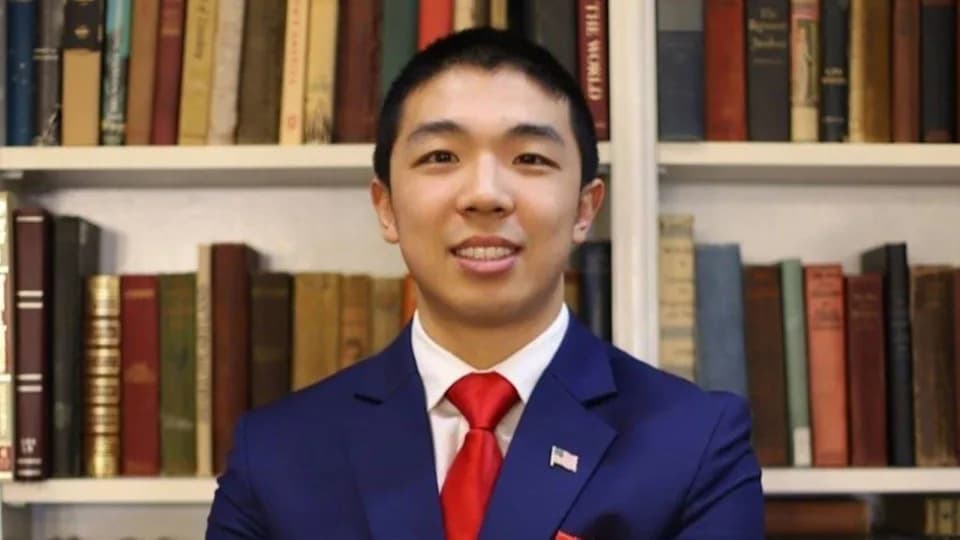
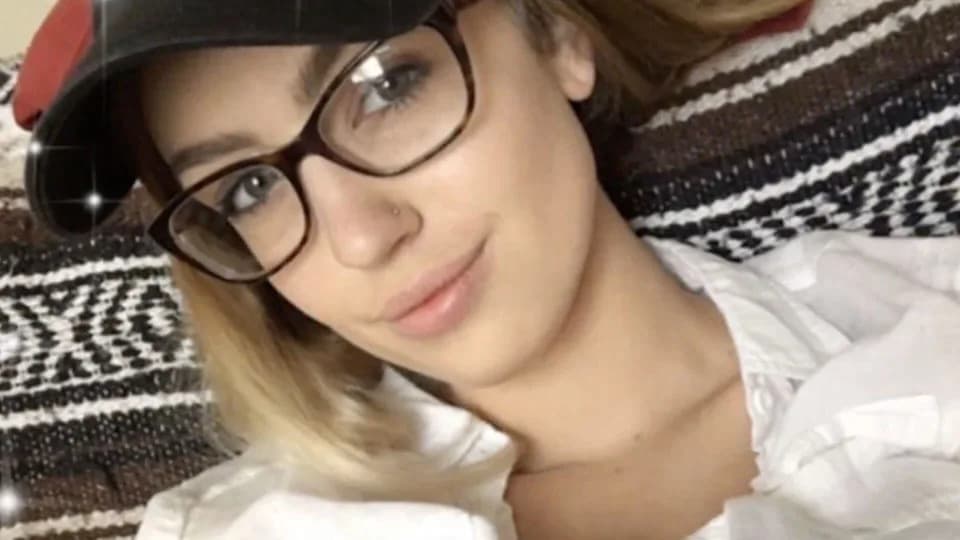
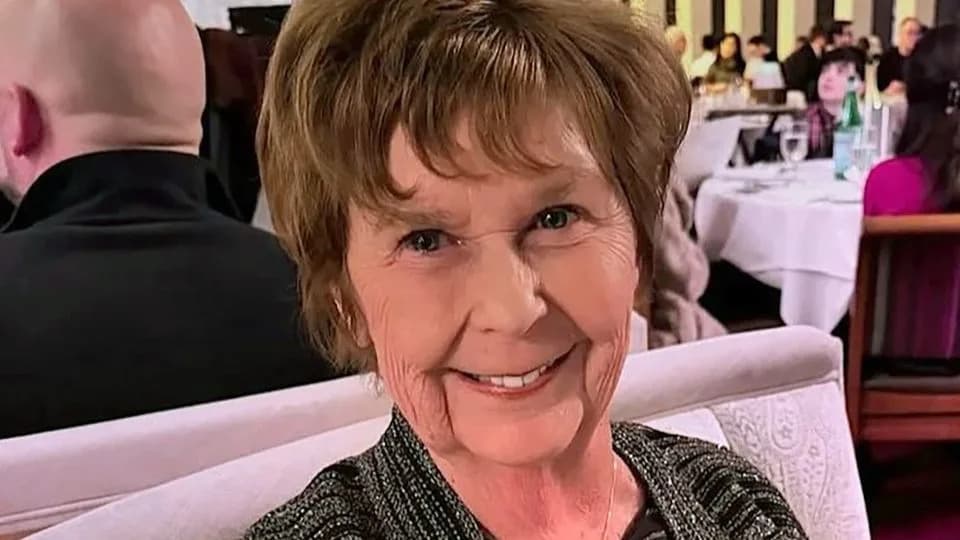
Madison Mogen, Kaylee Goncalves, Xana Kernodle and Ethan ChapinIdaho Statesman/Tribune News Service via Getty
Tarvey wrote that it was "not reasonable to think that Ethan would have remained in his bed after waking up or being awake while Xana was being attacked in front of him," adding that the timing and positions of the wounds on Ethan and Xana "begin to suggest the existence of a second attacker."
Tarvey also relied on what he described as direct indications of cleanup—traces of blood diluted by an unknown substance on walls and in common areas—and indirect indicators, such as an absence of bloody footwear patterns in many parts of the home. He argued that removing protective clothing, cleaning bloody hands and feet, and disposing of clothing and weapons would be difficult for a single person to accomplish within the roughly 15-minute window investigators estimated the killer spent inside the house.
Prosecutors' Rebuttal
In the recently unsealed prosecution filing, state attorneys rejected each of Tarvey’s points. The state said a single armed attacker could plausibly control two unarmed occupants in close proximity, that one person can deploy different kinds of lethal force during an assault, and that routine cleanup actions—wiping hands, removing outer clothing or shoe coverings—can be performed quickly and need not require a second person.
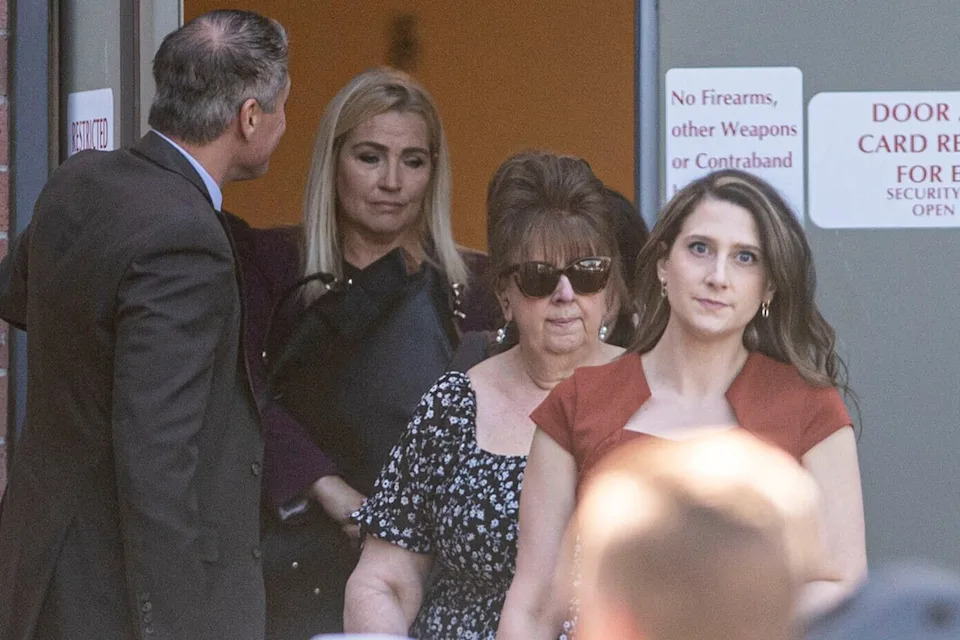
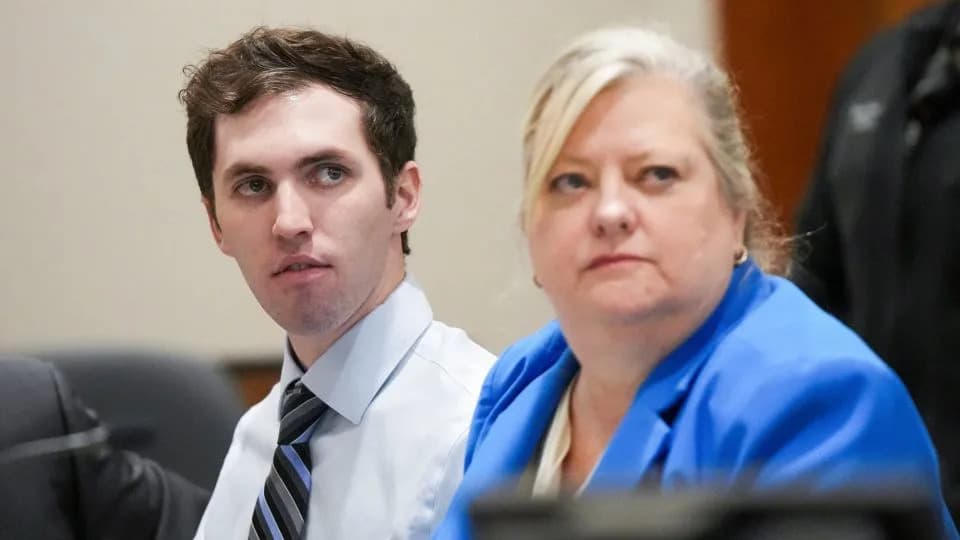
Kohberger's attorney Anne Taylor with his mother MaryAnn and sister Melissa (l to r)AP Photo/Drew Nash
Prosecutors also noted there are many reasons blood may not have transferred to a suspect’s vehicle and said the absence of victim blood or DNA in Kohberger’s car did not, by itself, exclude his involvement.
Additional Defense Claims And Case Outcome
Another expert for the defense, Rachel Orr, submitted a report asserting that Kohberger has Developmental Coordination Disorder, producing deficits in fine motor dexterity and visual-motor function; the defense argued those limitations made it implausible he could have performed the swift, coordinated actions alleged by the state within the available timeframe. Prosecutors disputed that opinion as well.
Shortly before jury selection, Kohberger pleaded guilty to four counts of first-degree murder as part of a deal that removed the possibility of a death sentence. He is serving four consecutive life terms without parole.
What Remains Public
Much of Tarvey’s detailed outline remained under seal, though the unsealed filings make clear the contested forensic interpretations. The filings illustrate how defense and prosecution experts can reach different conclusions from the same autopsy and scene evidence—and how such disagreements factor into pretrial strategy and public understanding of high-profile criminal cases.
Help us improve.