On August 12, 2023, Kevin Davis was found fatally injured at the base of a steep stairway in New Haven, Indiana. An autopsy revealed multiple skull fractures that investigators said suggested blunt-force trauma, and detectives eventually named his wife, Alison Davis, as a suspect. The defense argued a single catastrophic impact with a stair banister could explain the injuries. After a four-day May 2025 trial dominated by dueling forensic experts—and amid questions about early scene contamination and a missing weapon—the jury acquitted Alison.
Accused Wife: Fatal Fall or Homicide? The Case and Trial of Alison and Kevin Davis
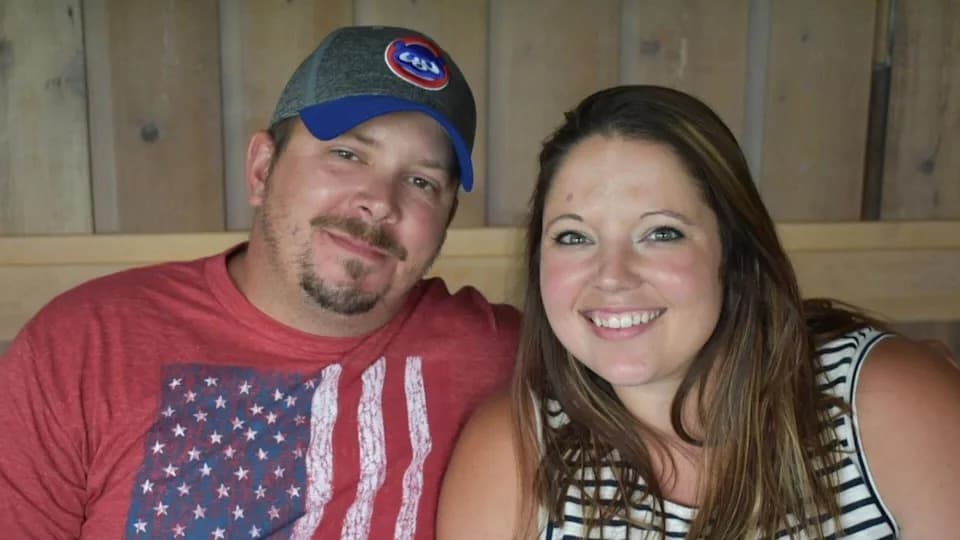
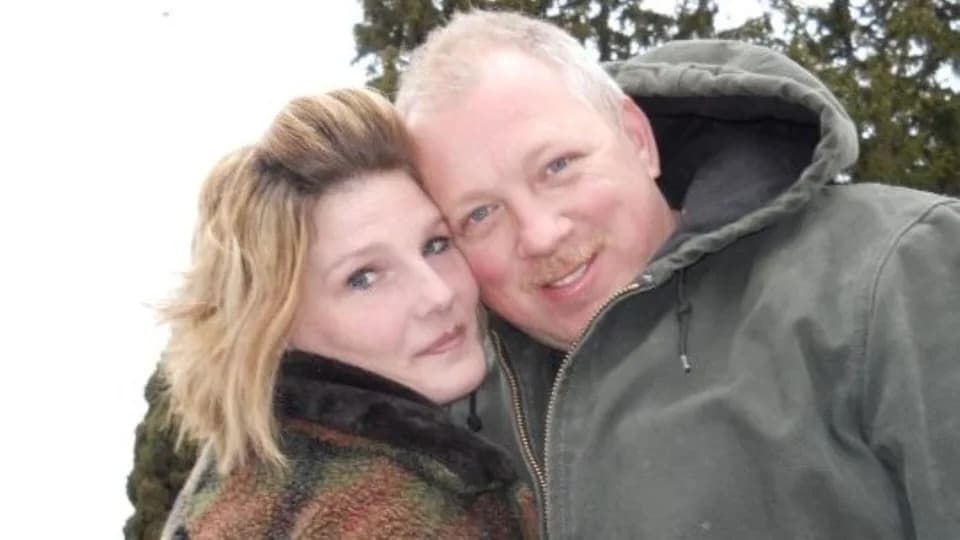
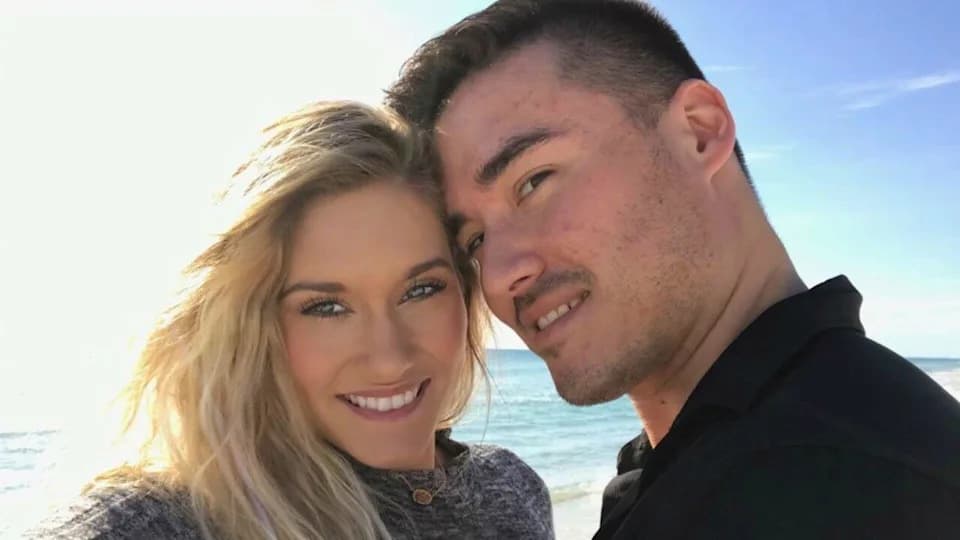
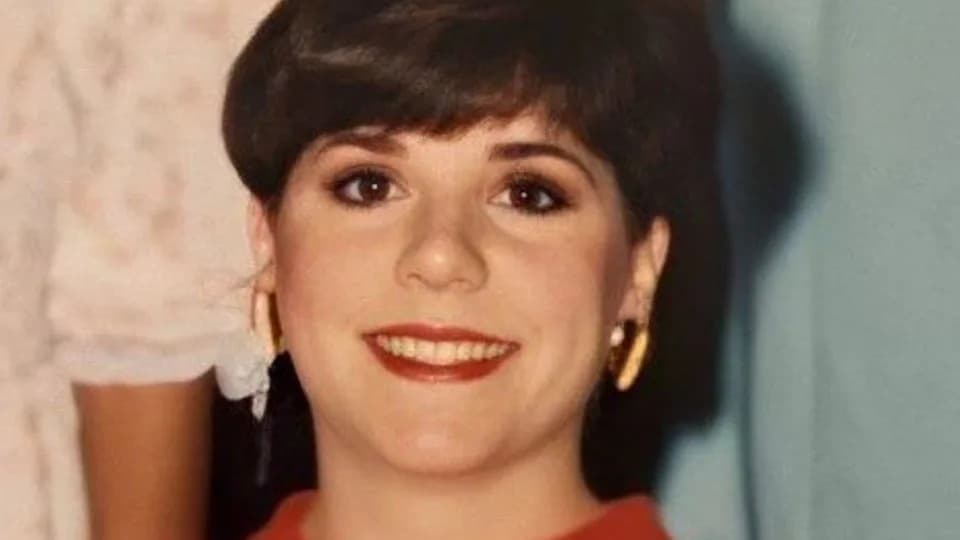
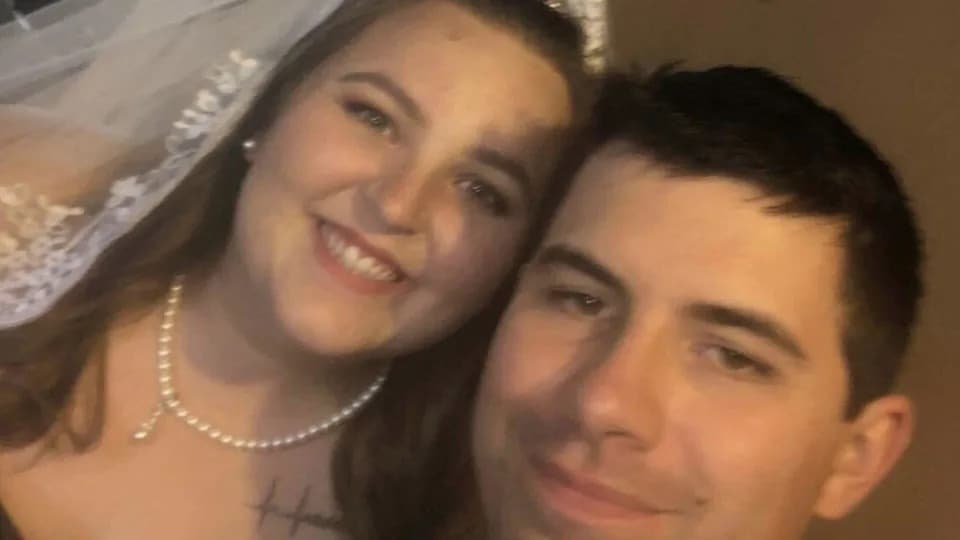
Kevin and Alison Davis / Credit: Krause Family
On the morning of August 12, 2023, in New Haven, Indiana, first responders discovered 40-year-old Kevin Davis bleeding and unresponsive at the base of a steep stairway in the home he shared with his wife, 33-year-old Alison Davis. What began as an apparent accident soon transformed into a contentious homicide investigation and a courtroom battle over competing forensic interpretations.
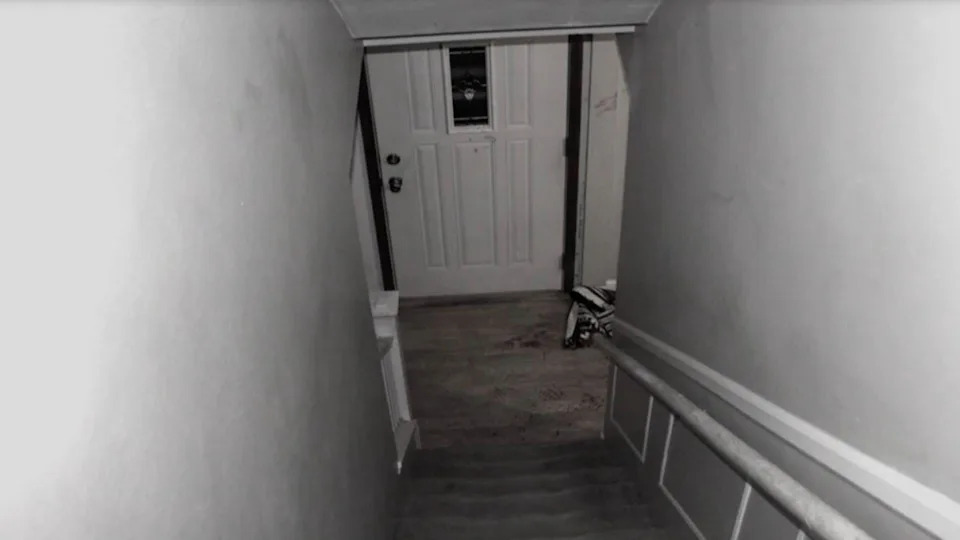
Police initially believed Kevin Davis' death was from a fall down the stairs, an accident. / Credit: New Haven, Indiana, Police Department
Initial Response and Medical Findings
Emergency crews described large amounts of blood at the foot of the stairs; Kevin was transported to Parkview Regional Medical Center in critical condition. Early at-scene examinations did not reveal an obvious laceration consistent with a head-first stair fall, but CT imaging and subsequent autopsy disclosed multiple skull fractures, significant bruising to the face and scalp, and internal brain injury.
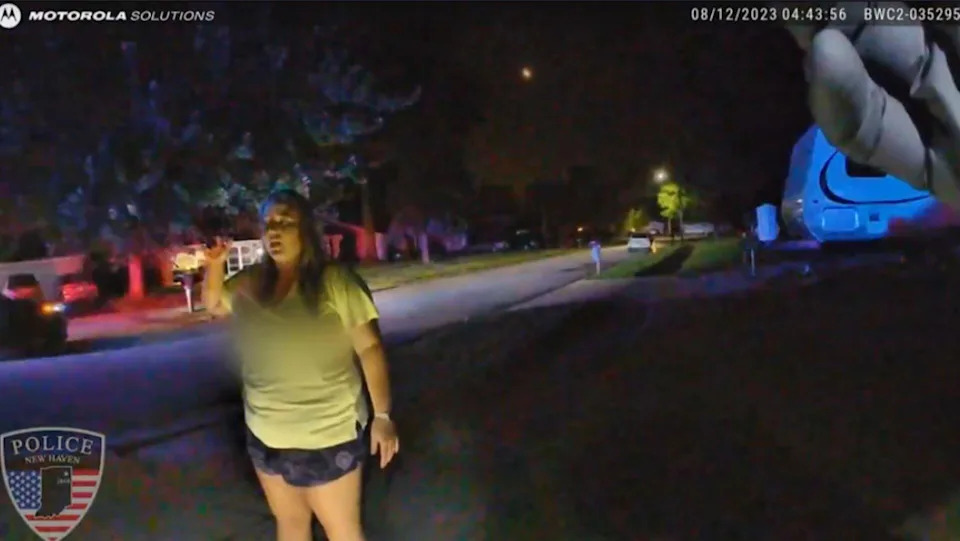
Alison Davis, seen on police bodycam video, telling first responders she and Kevin
Parkview ER Physician: The injuries were not consistent with a simple fall down a stairway.
Those autopsy results—completed three days after Kevin's death—shifted the investigation from an accidental fall to a suspected violent assault.
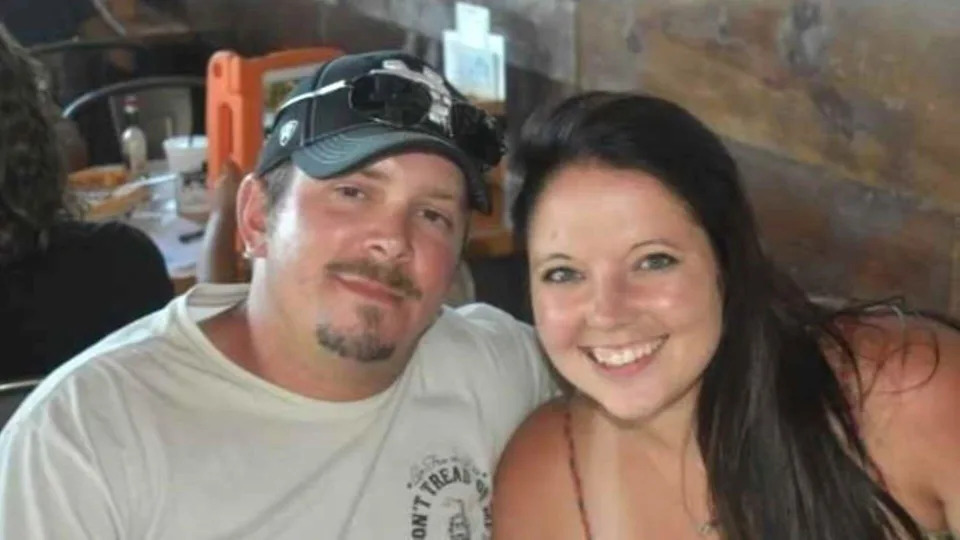
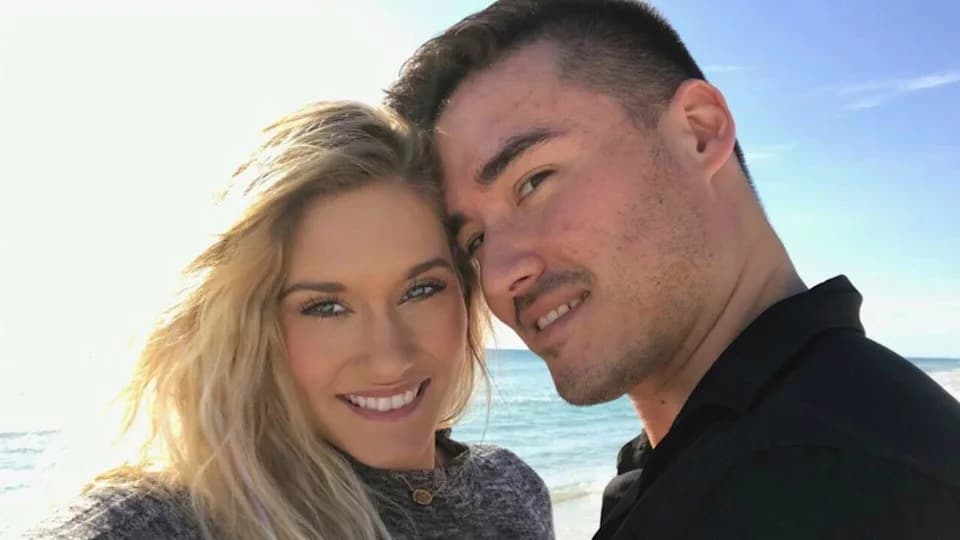
Kevin and Alison Davis / Credit: Krause Family(Krause Family)
Scene Management And Evidence Issues
Detectives initially released the house to family members, and relatives reentered the home and cleaned visible blood before police returned with a warrant days later. Investigators later said that this early release likely contaminated or removed evidence, creating a major challenge for the prosecution. Officers did later obtain search warrants and seized phones and other items, but several potentially probative items were already altered or missing when forensic teams arrived.
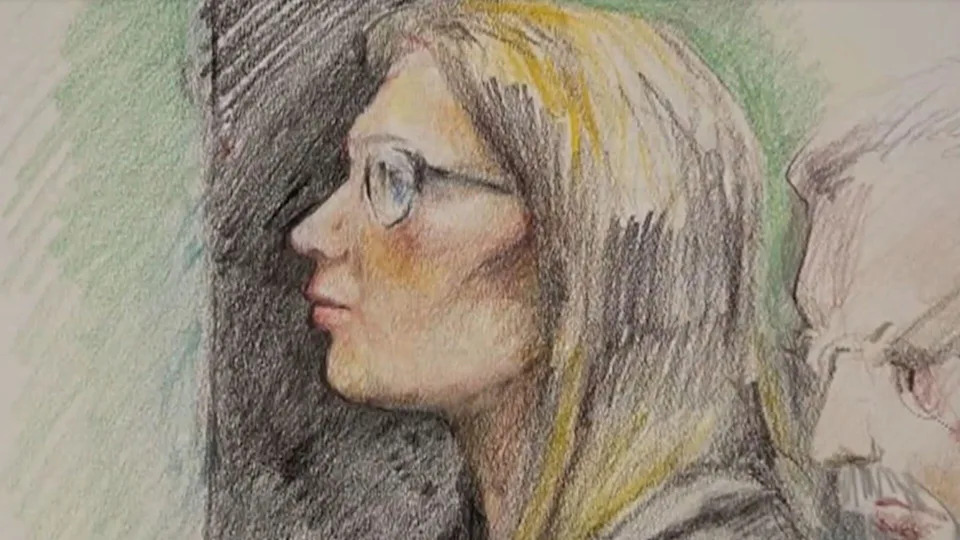
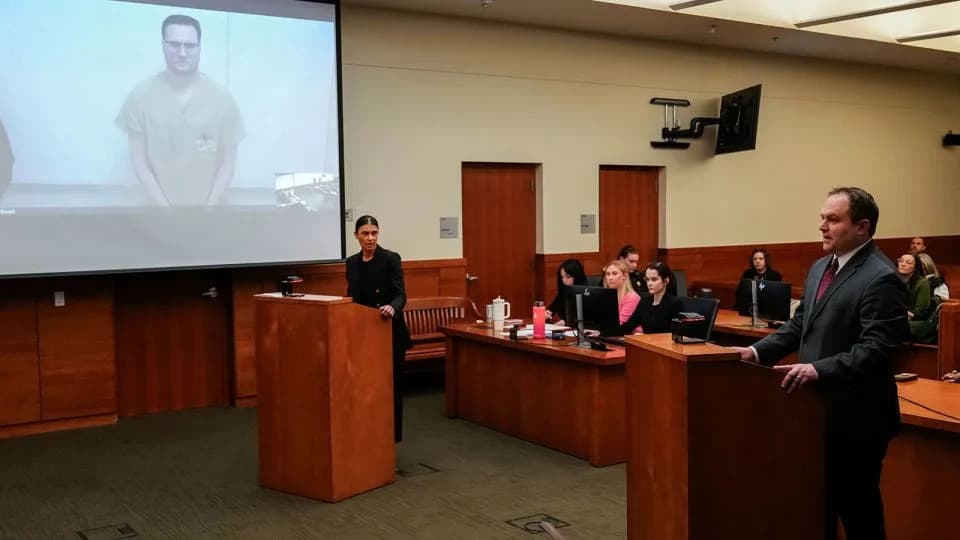
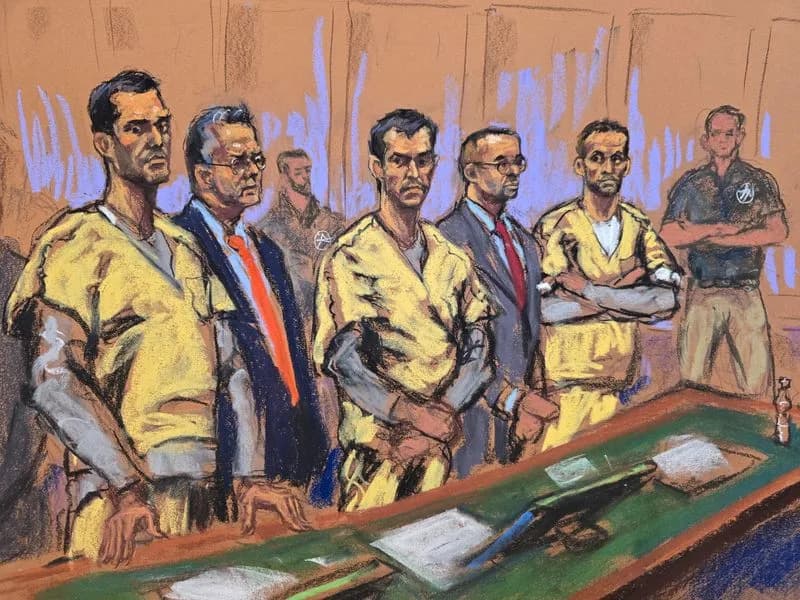
A sketch of Alison Davis at her trial for the murder of her husband Kevin Davis. / Credit: CBS News/Karen Moriarty
Why Detectives Focused On Alison Davis
Detective testimony and bodycam recordings highlight several factors that raised suspicion: inconsistencies in Alison's accounts about where the couple had been sleeping, perceived oddities in her 911 call, and officers' observations of her demeanor at the scene. Detectives also noted the position of Kevin's body at the base of the stairs, which some officers believed was inconsistent with an uncontrolled tumble.
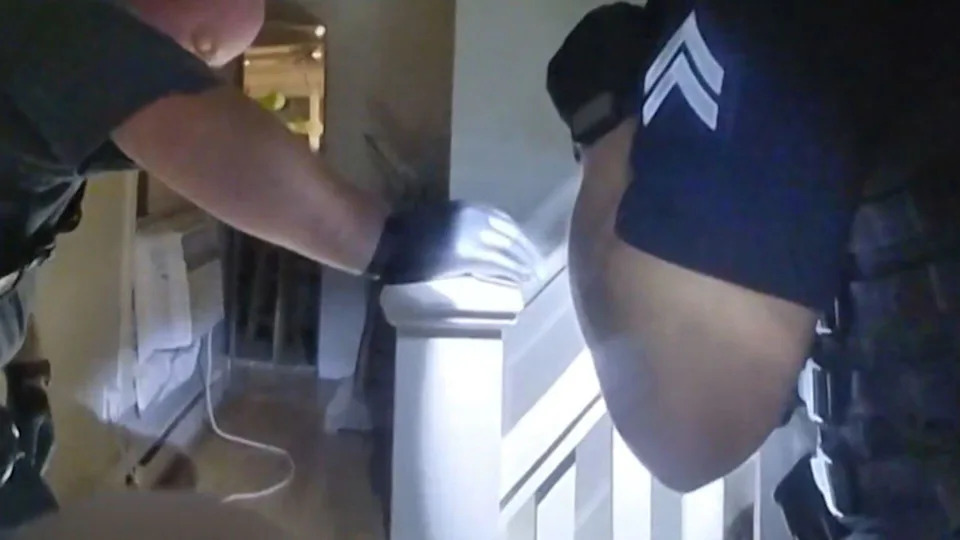
Bodycam video shows New Haven, Indiana, police officers inspecting the scene at the bottom of the staircase in the Davis' home. / Credit: New Haven, Indiana, Police Department
Investigators ultimately identified Alison as their primary suspect after the autopsy's finding of crushing and multiple skull fractures—injuries they characterized as more consistent with repeated blunt-force blows than with a typical fall.
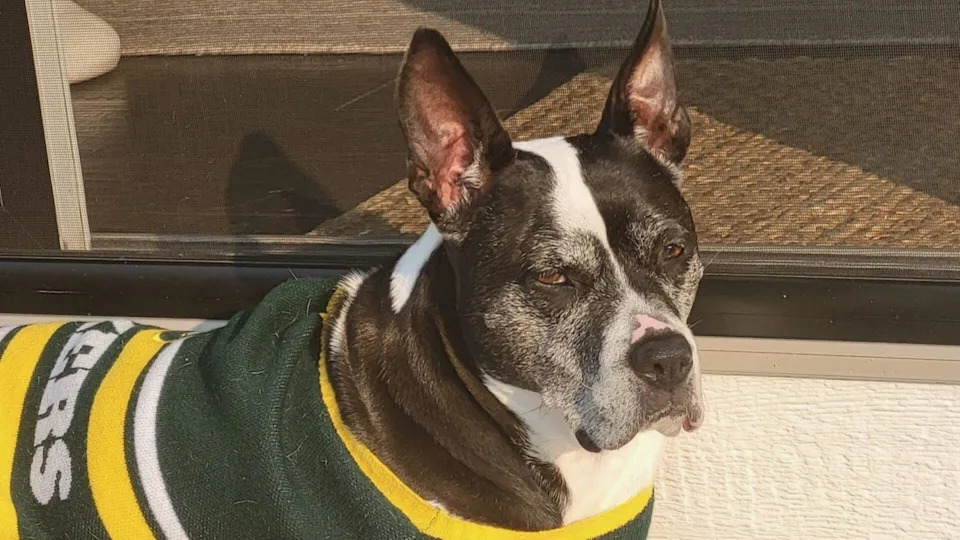
Willow, a black and white female pit bull mix loved by her owners, didn't seem destined to become a key figure in a murder investigation. / Credit: Krause Family
Dueling Forensic Theories
The trial hinged on opposing medical opinions. Prosecutor consultant Dr. Bill Smock testified that Kevin sustained multiple blows to different parts of the head—consistent, he said, with a violent beating using a heavy object (kettlebell, weight, bat end, or similar). The defense's expert, Dr. L. J. Dragovic, countered that a single, high-energy impact—specifically, Kevin's head striking the bottom post of a narrow, steep banister—could explain the multiple fractures and internal brain damage without visible external lacerations.
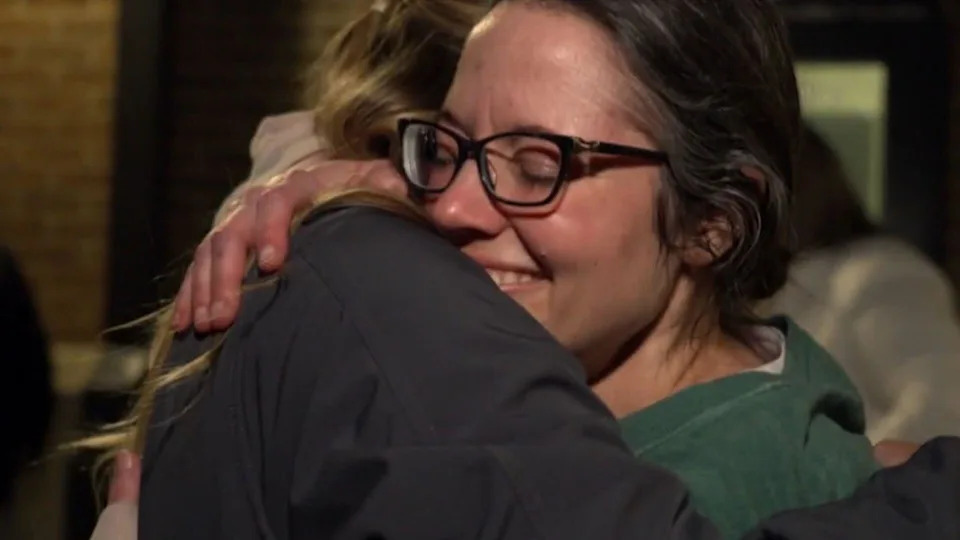
Alison Davis is greeted with hugs from family and friends following her release from jail. / Credit: CBS News
The experts also offered competing explanations for Kevin's low core body temperature (reported at about 91°F): the prosecution argued it suggested Kevin lay undiscovered for an extended period; the defense argued catastrophic hypothalamic injury could disrupt the body's temperature regulation.
Criminal Case, Trial, And Verdict
Police declared Kevin's death a homicide on Oct. 17, 2023. An arrest warrant for Alison followed later that year; she surrendered three days before Christmas and spent roughly 17 months detained without bail. Her defense team emphasized scene contamination, the absence of a recovered weapon, and the plausibility of an accidental fall given the steep, narrow stairs and banister post.
The May 2025 trial lasted four days. Neither side produced a murder weapon; both relied heavily on expert testimony. Alison did not testify. After deliberations, the jury returned a verdict of not guilty, concluding the prosecution had not proved beyond a reasonable doubt that Alison murdered Kevin. Supporters celebrated her release; some investigators and family members remained convinced of foul play.
Aftermath
Following the verdict, Alison returned to live with her parents and her dog. Kevin’s mother expressed continued grief but said she accepted the jury's decision. The case remains a stark illustration of how early scene management, missing physical evidence, and conflicting forensic opinions can determine the course of a high-stakes homicide prosecution.
Key Documents and Media
This account is based on police and courtroom testimony, bodycam recordings, medical reports, and contemporaneous interviews conducted during reporting. For readers interested in a deeper dive, trial transcripts and expert reports provide granular detail on medical interpretations and evidentiary disputes.
Help us improve.