Summary: A viral video alleging subsidy fraud at Somali-run child care centers in Minneapolis triggered nationwide scrutiny, resulting in harassment, threats, and safety concerns for immigrant providers. Inspectors disproved the central fraud claim in the Minneapolis case, but the publicity prompted confrontations, hacked voicemails, and local officials to weigh in. Advocates warn the narrative distracts from deeper child care challenges — underfunding, long waiting lists, and shortage of providers — even as some lawmakers push for tighter oversight.
Viral Fraud Claims Spark Harassment of Somali-Run Child Care Centers, Raising Safety and Policy Concerns

Samsam Khalif plays with children at her home-based child care center Friday, Jan. 30, 2026, in San Diego. (AP Photo/Gregory Bull)(ASSOCIATED PRESS)
What began as a viral video alleging subsidy fraud at Somali-operated child care centers in Minneapolis has escalated into nationwide intimidation and threats toward Somali providers. Reports describe strangers peering through windows, right-wing journalists and influencers staking out homes, slur-filled voicemail hacks, and other incidents that have left caregivers fearful for their safety and disrupted classroom environments for young children.
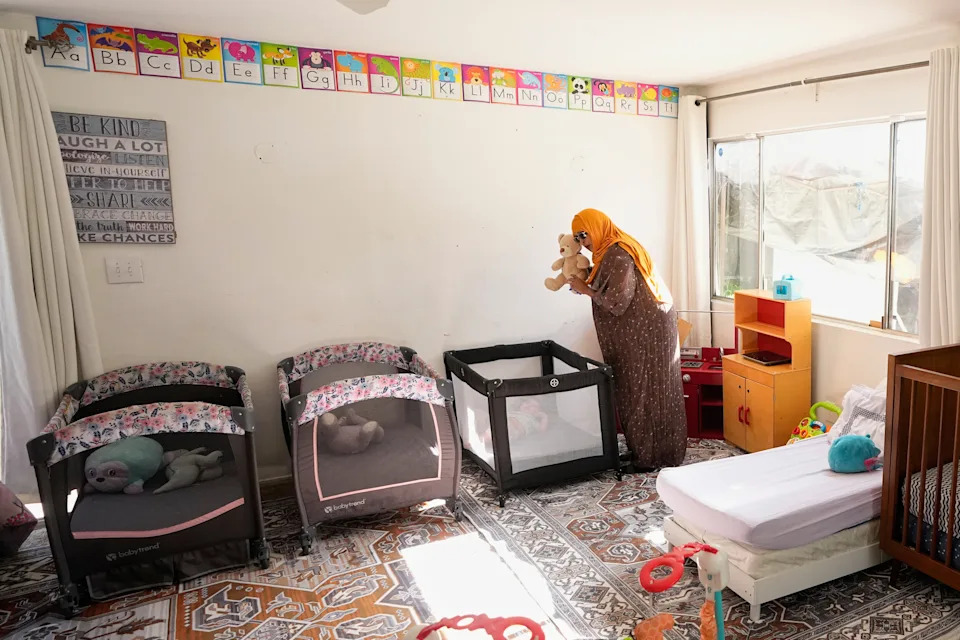
Samsam Khalif shows a child a stuffed animal as she prepares for nap time at her home-based child care center Friday, Jan. 30, 2026, in San Diego. (AP Photo/Gregory Bull)(ASSOCIATED PRESS)
How the scrutiny began
The controversy intensified after a post by influencer Nick Shirley accused operators in Minneapolis’s Somali community of running “fake” child care programs to claim federal subsidies. While fraud involving child care subsidies has occurred in the past, state inspectors found the central charge in the Minneapolis video — that centers billed the government for children they did not serve — was not supported by evidence. Nonetheless, the allegation attracted attention at the federal level: the Trump administration briefly attempted to freeze child care funding for Minnesota and several other states before a court ordered the funds released.
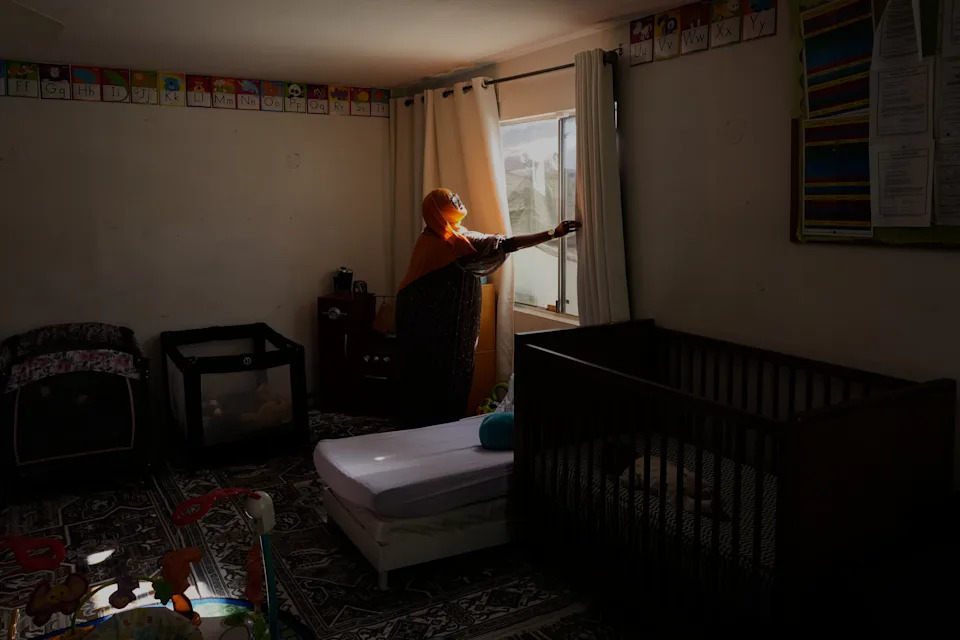
Samsam Khalif closes curtains as she prepares for nap time at her home-based child care center Friday, Jan. 30, 2026, in San Diego. (AP Photo/Gregory Bull)(ASSOCIATED PRESS)
Escalation and impact on providers
Child care providers across multiple cities — including Minneapolis, Columbus, Federal Way and San Diego — say the online accusations have prompted in-person confrontations. Providers report people showing up unannounced at business addresses pulled from state websites and filming through doors and windows. In several cases parents and staff were harassed: one site’s voicemail was reportedly hacked with xenophobic slurs; another provider said someone who had been circling the building defecated near the entrance; in San Diego a provider circled the block several times after seeing men with a camera parked outside her home-based program.
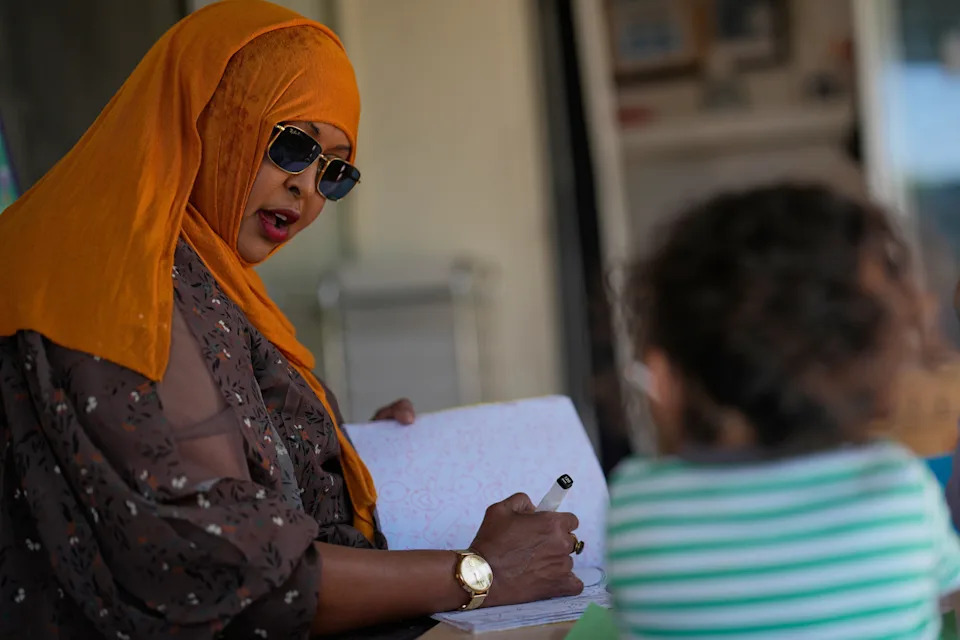
Samsam Khalif works with children at her home-based child care center Friday, Jan. 30, 2026, in San Diego. (AP Photo/Gregory Bull)(ASSOCIATED PRESS)
These incidents have prompted providers to adopt new safety measures: installing security cameras, drafting lockdown procedures, budgeting for added security, keeping blinds closed and limiting access to visitors. For many immigrant providers, who already face stress from heightened immigration enforcement, the extra harassment has eroded a sense of safety and stability.
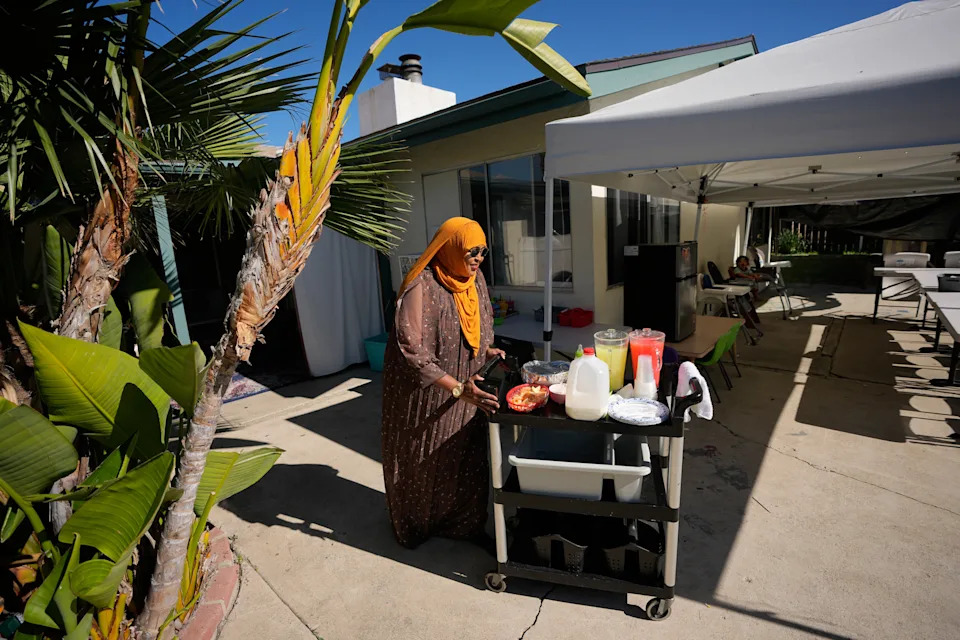
Samsam Khalif prepares for meal time at her home-based child care center Friday, Jan. 30, 2026, in San Diego. (AP Photo/Gregory Bull)(ASSOCIATED PRESS)
Public officials and legal concerns
Local leaders have publicly condemned intimidation. Seattle’s mayor warned that harassment and filming of Somali child care providers would not be tolerated, while Ohio Governor Mike DeWine held a news conference to refute fraud claims and emphasized that licensed programs are monitored. At the same time, some federal officials and advocates framed the scrutiny as protected citizen journalism; the Department of Justice’s civil rights leadership cautioned against using municipal actions to chill speech.
Legislators in some states have nonetheless proposed increased oversight. In Ohio, Republican lawmakers introduced bills to strengthen monitoring of centers that accept public funds, including a proposal that would require live video feeds to be made available to state officials — a measure child care advocates say would raise privacy, safety and logistical concerns.
Advocates’ perspective and policy context
Child care advocates say the fraud narrative diverts attention from persistent system problems: underfunded subsidy programs, long waiting lists, staffing shortages and the difficulty many parents face returning to work without reliable care. Ruth Friedman, a former head of the federal Office of Child Care, called efforts to amplify fraud claims politically motivated and warned they could undermine momentum to invest in child care.
Health and Human Services officials, while urging the public to report suspected fraud, have also defended the integrity of oversight systems. Amid competing claims, advocates urge measured enforcement, respect for providers’ safety, and policies that address the underlying gaps in access and quality of care.
Provider quote: “I can’t have peace of mind about whether the center will be safe today,” said one provider who spoke on condition of anonymity. “That’s a hard pill to swallow.”
What to watch
Key developments to monitor include any formal investigations that produce new findings, state or federal policy changes affecting oversight or funding, and legal or civil-rights actions related to harassment or privacy. For families and communities, the immediate focus remains ensuring safe, nurturing care for children while protecting the rights and safety of licensed providers.
Help us improve.