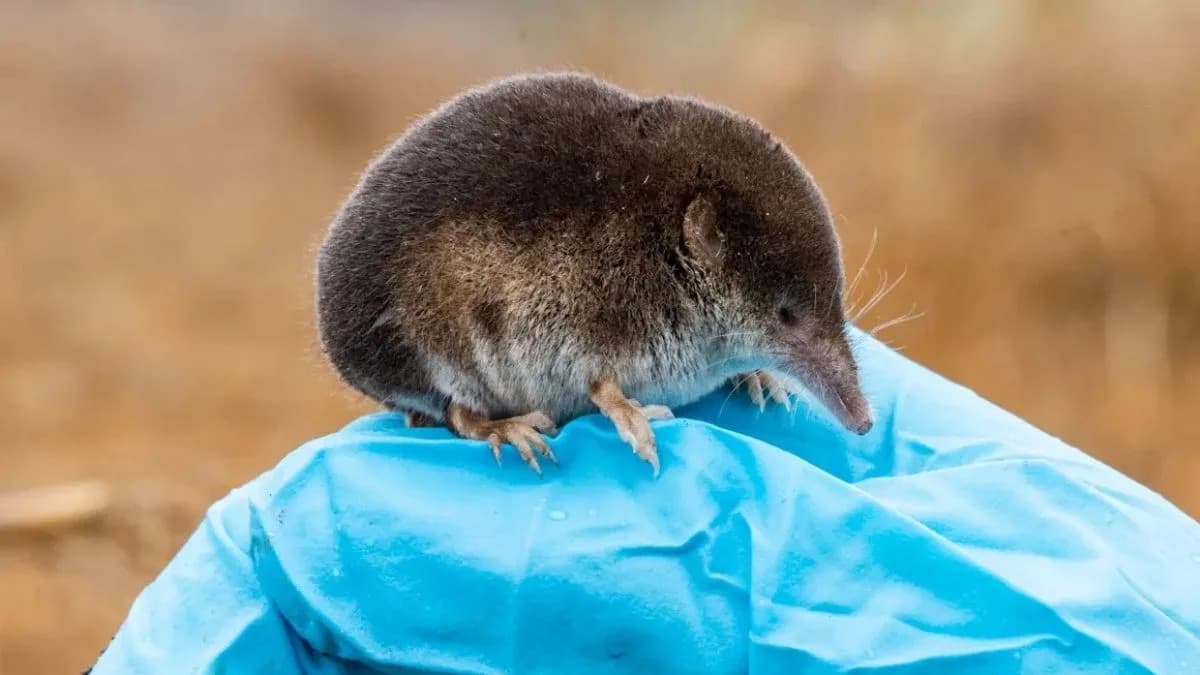
Crocidura stanleyi is a newly described dwarf shrew from the Ethiopian Highlands that measures about 5 cm long and weighs roughly 3 g—about the weight of a sugar cube. The holotype was collected in 2015 by William “Bill” Stanley; additional specimens caught using pitfall traps allowed researchers to confirm the species. Found at around 3,597 m in the Simien Mountains and at other highland sites, the discovery highlights the Eastern Afromontane hotspot’s unique biodiversity and the need for targeted surveys and conservation of tiny, hard-to-detect mammals.
Sugar-Cube-Sized Shrew Discovered in Ethiopian Highlands: Crocidura stanleyi Weighs Just 3 Grams
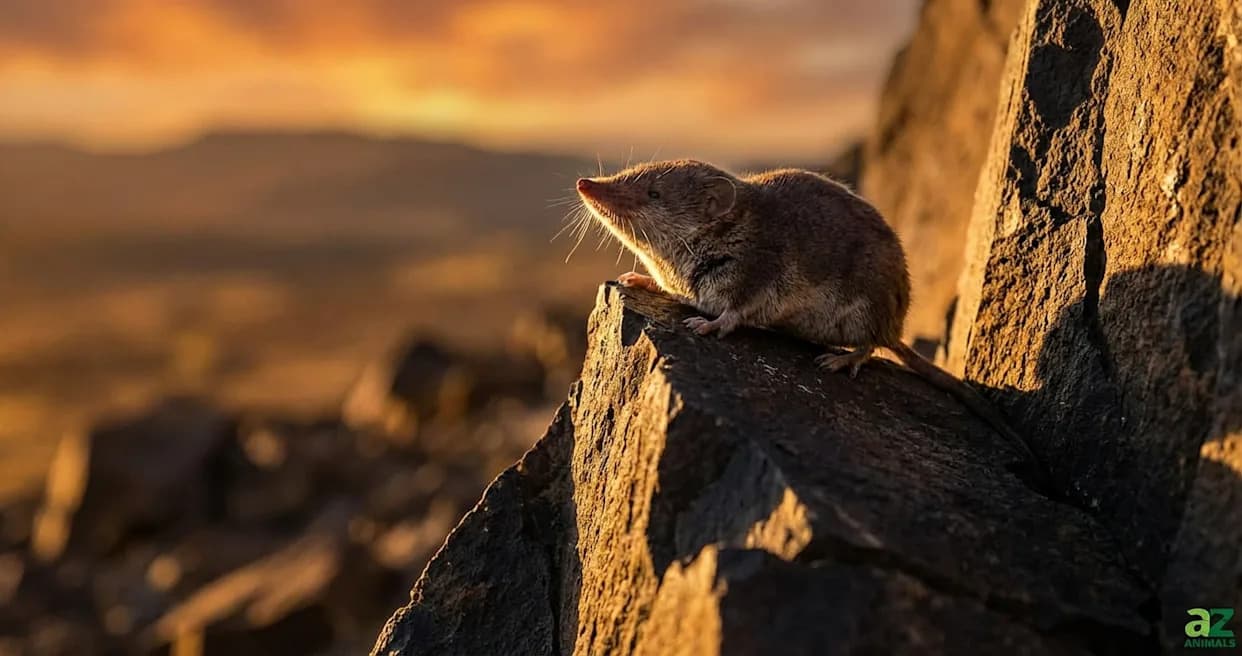
A small shrew sits on a rocky outcrop overlooking a mountainous landscape at sunset.© A-Z Animals
Scientists have formally described a newly discovered dwarf shrew from the Ethiopian Highlands: Crocidura stanleyi. At roughly 5 cm in body length and about 3 grams in weight—approximately the mass of a sugar cube—this tiny mammal ranks among the smallest shrews known.
How the Species Was Identified
The species name, stanleyi, honors the late evolutionary biologist and mammalogist William “Bill” Stanley, whose 2015 fieldwork produced the holotype specimen used to define the species. Although the holotype existed since 2015, researchers needed additional wild specimens to compare against Stanley’s original example before confirming the animal as a distinct species. Those comparisons were published following analyses summarized in a January 2026 report in Discover Wildlife and a paper in the Journal of Vertebrate Biology.
How It Was Caught
Standard live traps designed for larger rodents often miss very small shrews. To capture specimens, researchers used pitfall trapping arrays—buckets sunk into the ground that small animals fall into as they move through leaf litter and grass. Pitfall trapping finally yielded specimens that were otherwise invisible to conventional methods, allowing scientists to confirm the new species.
Where It Lives
The first confirmed specimen of Crocidura stanleyi was collected near Chennek Camp in Simien Mountains National Park at about 3,597 meters above sea level. Dozens of additional specimens collected along the western slope of the Simien Mountains in 2015 indicate this area may be a local hotspot. Records also include other Ethiopian Highland localities, such as Mount Damota in southern Ethiopia, suggesting the species tolerates a range of montane habitats.
Biology and Conservation Notes
The study does not list a confirmed diet for C. stanleyi, but, based on the feeding habits of other Crocidura shrews, it is presumed to prey on small invertebrates—arthropods, insect larvae and worms. Shrews have very high metabolic rates, and maintaining energy balance at elevations near 3,600 m is likely demanding; such a tiny predator probably needs frequent feeding despite its small size.
This discovery highlights both the incompleteness of surveys for tiny mammals and the high level of endemism in the Eastern Afromontane biodiversity hotspot. Ethiopia hosts around 104 rodent species, with 43 endemic to the highlands; dozens of shrew species are likewise endemic. Formally describing C. stanleyi is an important first step toward mapping its distribution and advocating for targeted habitat protection.
Why This Matters
Finding a three-gram mammal that escaped detection for years underscores how much remains unknown even in well-studied regions. Small, overlooked species can be at risk before researchers recognize them as distinct—so documenting their presence is key to long-term conservation.
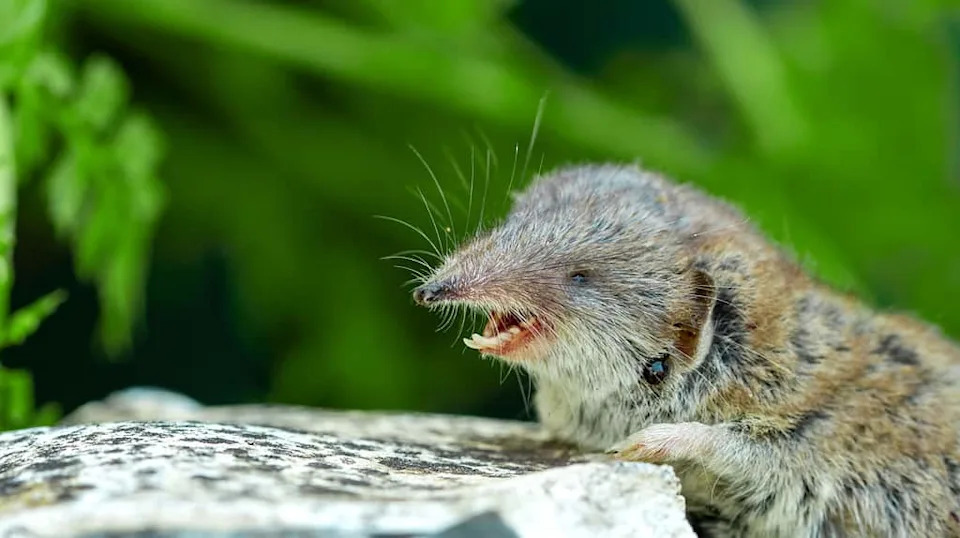
Shrews are generally small, but none appear to be as tiny as the one recently discovered in the Ethiopian highlands.©iStock.com/Imagesines(iStock.com/Imagesines)
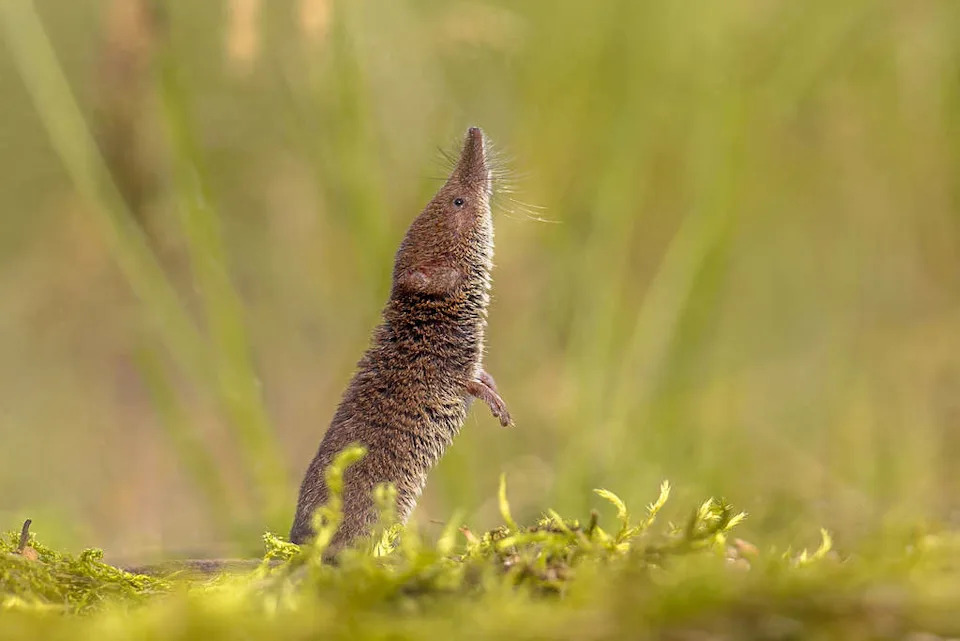
Pitfall trapping was used to finally captureCrocidura stanleyi.©CreativeNature_nl/iStock via Getty Images(CreativeNature_nl/iStock via Getty Images)

The habitat of this shrew holds many endemic species.©WitR/Shutterstock.com(WitR/Shutterstock.com)
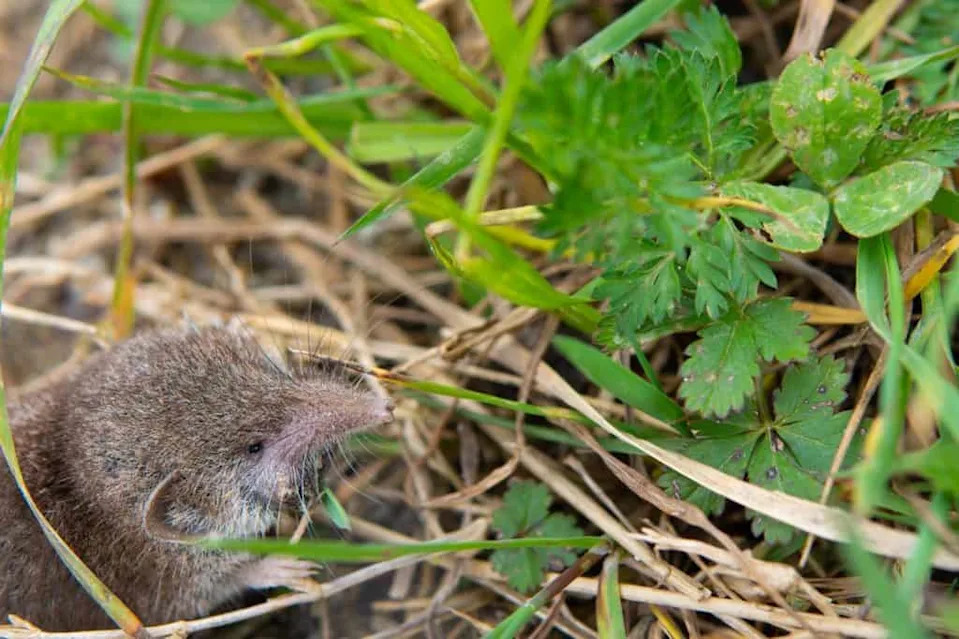
No matter what they eat, most shrews have incredibly high metabolic needs.©photosoria/Shutterstock.com(photosoria/Shutterstock.com)

Ethiopia has many rare and endemic species, including this new shrew discovery.©Radek Borovka/Shutterstock.com(Radek Borovka/Shutterstock.com)
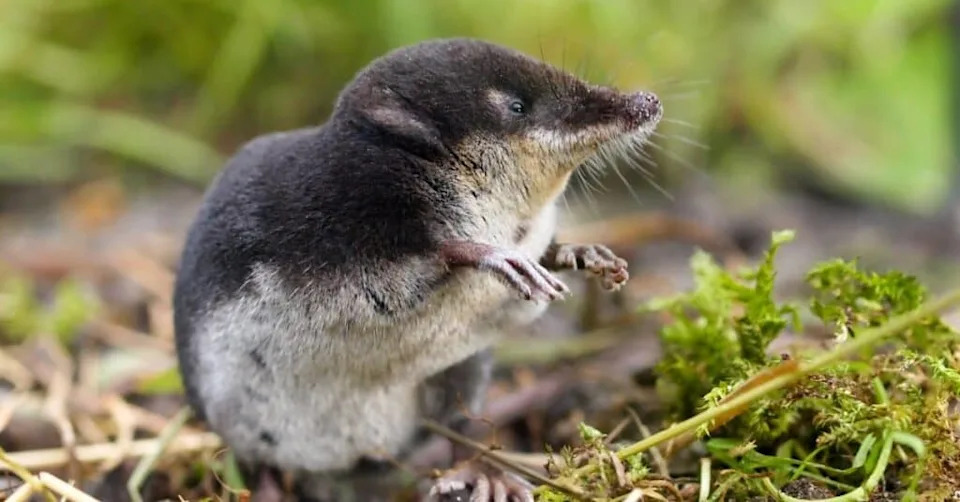
Will we ever discover a shrew smaller than this one? Time will tell!©iStock.com/CreativeNature_nl(iStock.com/CreativeNature_nl)
Help us improve.