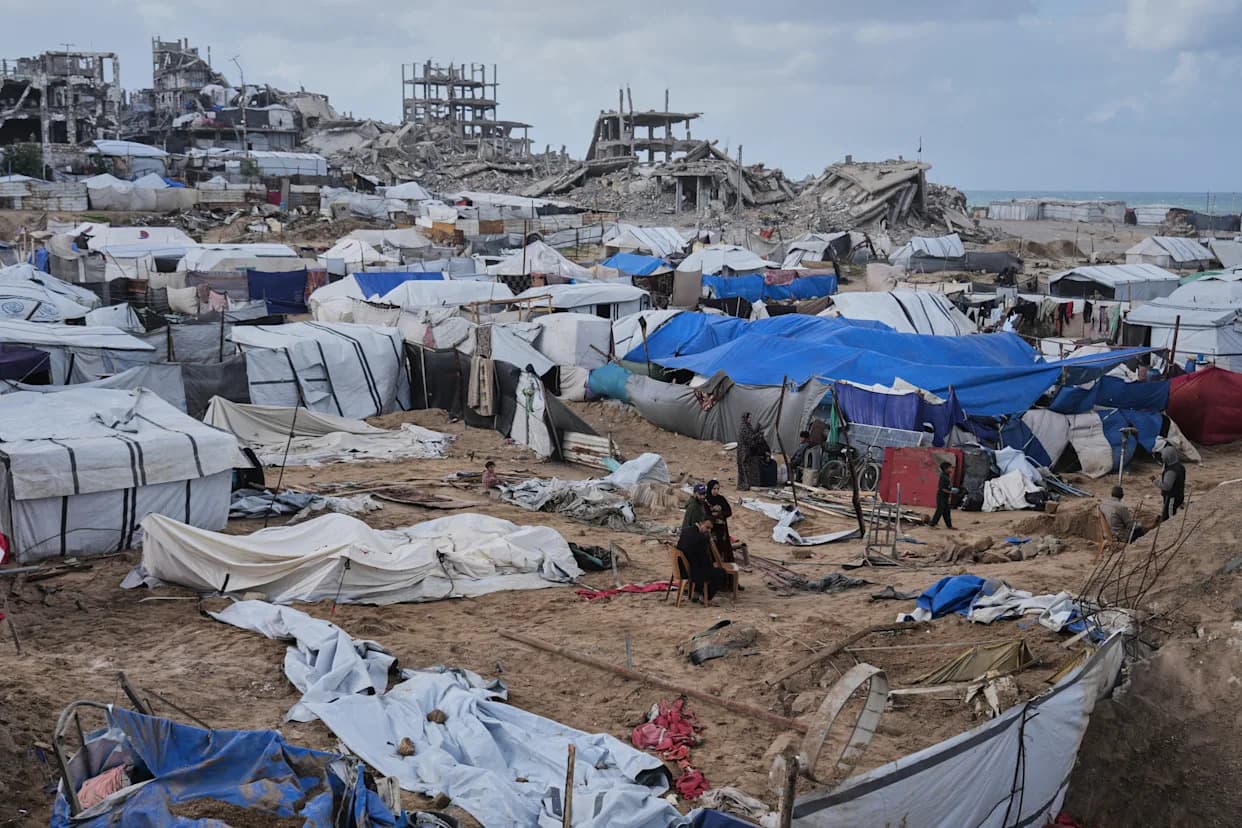
Families fleeing fighting in Darfur and Kordofan are arriving in Kosti with no more than sheets and scavenged fabric for shelter. Local officials say about 25 families (100–150 people) arrive each day, with more than 3,500 people recorded recently. The IOM estimates over 100,000 fled el-Fasher since late October and records some 9.3 million internally displaced people in Sudan; humanitarian aid — especially medical care — is severely strained amid funding cuts.
‘Only Sheets to Cover Us’: Displaced Families in Kosti Sleep in Makeshift Shelters as Aid Falters
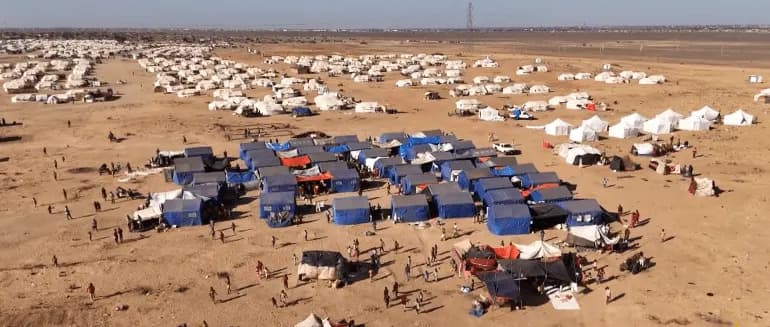
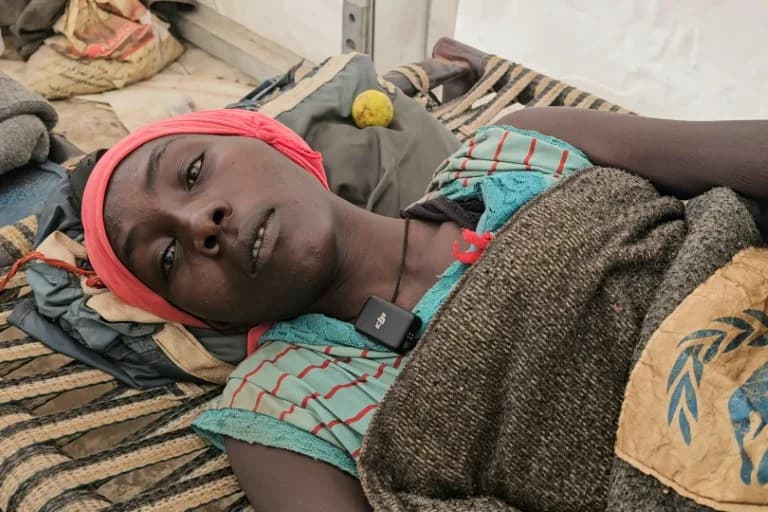
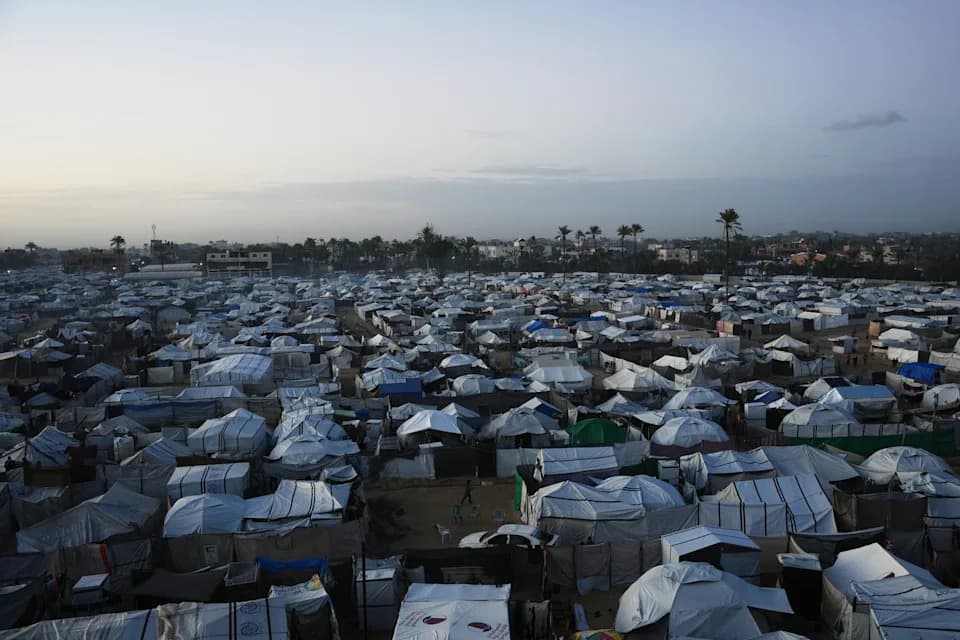
Displaced Sudanese arriving in Kosti have pitched up tents on the outskirts of town [Screengrab/Al Jazeera]
On the outskirts of Kosti, a city in south-central Sudan that has become a major transit hub for people fleeing violence, families are sleeping on open sand beneath torn sheets and scavenged fabric. There are no walls to protect them or roofs to shield them from the sun, wind and cold.
After a long and perilous journey away from fighting in Darfur and Kordofan, Aziza sits with her children amid scattered belongings, using thin bedsheets as the only shelter available.
“There is no man to lead us; our sons are in one place, and we are in another,” Aziza told Al Jazeera Arabic correspondent Taher Almardi. “We are sitting in this heat. Nothing protects us but these bedsheets.”
Another mother, huddled beneath a torn fabric sheet, wept as she described the compounding effects of economic collapse and displacement. “We picked up these sheets from the street … we have nothing,” she said, holding the cloth she had fashioned into a tiny tent. “I had 10,000 Sudanese pounds [$16], and it was gone in the market in an instant just to buy these few things.”
A Growing Surge of Displacement
Kosti, in the White Nile state south of Khartoum, has been seen as relatively stable compared with active front lines, and it is now receiving a steady flow of new arrivals. Local officials report that more than 3,500 displaced people reached Kosti in recent days, and Lamia Abdullah, White Nile’s humanitarian aid commissioner, said the city is receiving roughly 25 families — about 100 to 150 people — daily.
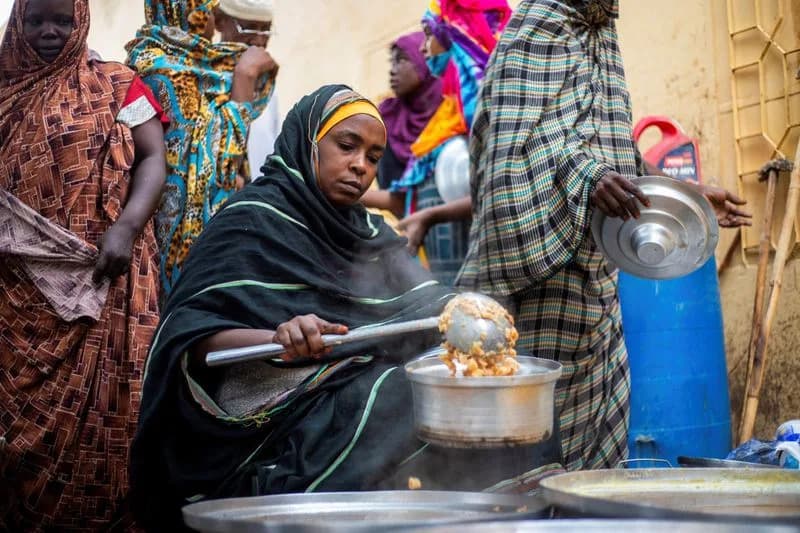
Some families have been placed in larger canvas tents, but many recent arrivals must improvise shelters from whatever materials they can find while they wait for more substantial assistance.
Scope Of The Crisis
The two-and-a-half-year war in Sudan has seen intense recent fighting in Kordofan and Darfur. The paramilitary Rapid Support Forces (RSF) have made advances that the Sudanese Armed Forces (SAF) are attempting to contest. Monitoring groups reported that when the RSF seized North Darfur’s el-Fasher in late October, at least 1,500 civilians were killed; videos and testimony documented killings, sexual assaults, robberies and other attacks that forced tens of thousands to flee.
According to the United Nations’ International Organization for Migration (IOM), more than 100,000 people fled el-Fasher and nearby villages between late October and early December, and three-quarters of those had already been displaced earlier in the conflict. The IOM reports over 50,000 people were displaced from Sudan between October 25 and December 17, and it has recorded more than 9.3 million internally displaced people (IDPs) nationwide — 55 percent of them children. Nearly a third of displaced households reported at least one member went a whole day and night without eating in the past month because of insufficient food.
Humanitarian Response Under Strain
Al Jazeera’s Taher Almardi, reporting from Kosti, described a grim situation as humanitarian capacity is stretched thin and funding shortfalls force cuts. “The biggest challenge is health,” Almardi said. “There is a significant shortage of medical staff to monitor the displaced, a lack of medicine, and a desperate need for field hospitals.” Camps and temporary reception sites face severe shortages of medical facilities and personnel at precisely the moment when needs are surging.
Many of those arriving endured journeys of up to 20 days; some briefly crossed into South Sudan before looping back into White Nile state to find safety. They arrive exhausted, malnourished and fearful of the approaching winter.
“The displaced are waiting for the unknown in harsh conditions,” Almardi said. “And the war has not yet ended.”
Help us improve.