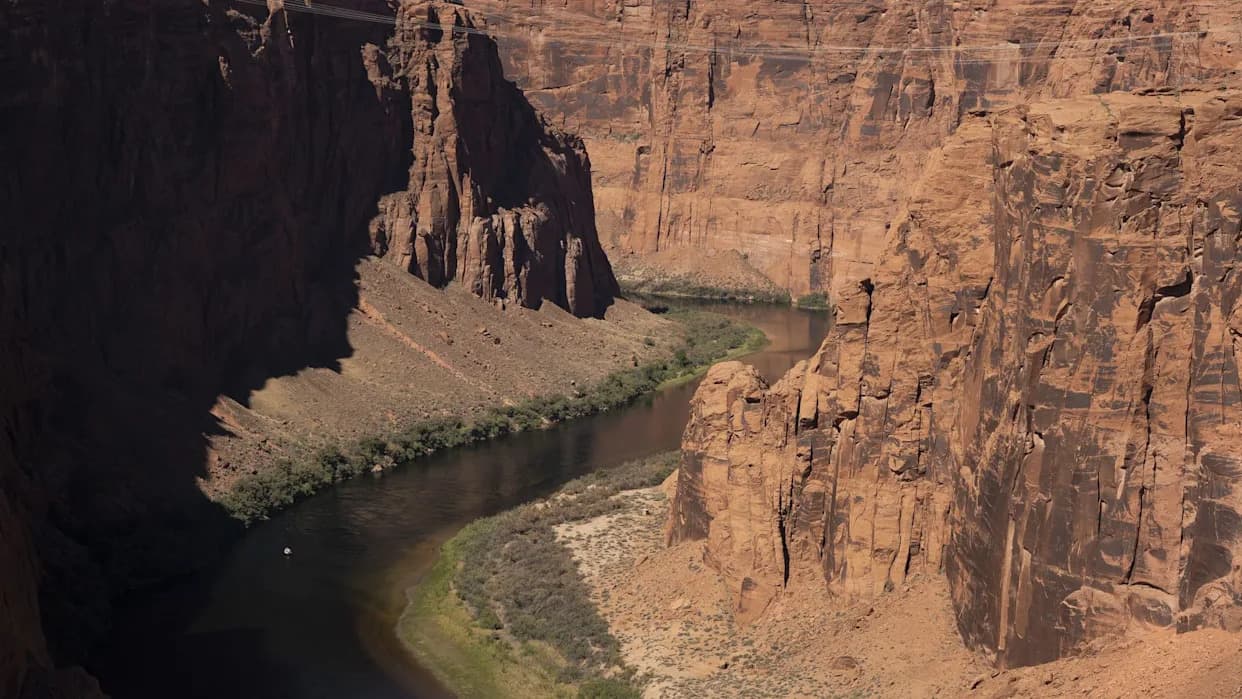
The RSF's capture of Heglig — Sudan's largest oil field — has forced tens of thousands to flee southern Kordofan, with many crossing into South Sudan and back as they seek safety. Paraplegic mother Dowa Hamed and other displaced families now shelter at the overcrowded Abu al-Naga camp near Gedaref, roughly 800 km from their homes. Camps face acute shortages of food, shelter and medicine, while officials warn hundreds of thousands in South Kordofan risk mass starvation. Urgent humanitarian assistance is needed, especially as winter approaches.
RSF Seizes Heglig Oil Field — Tens of Thousands Flee as Camps Strain Under Humanitarian Crisis
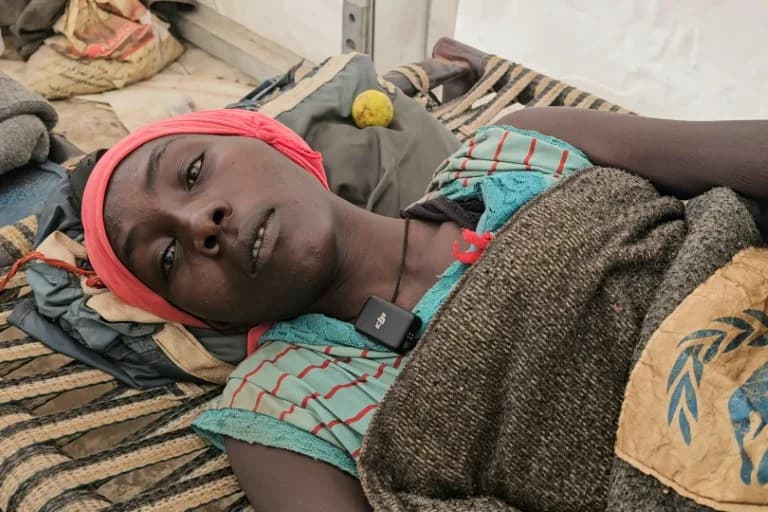
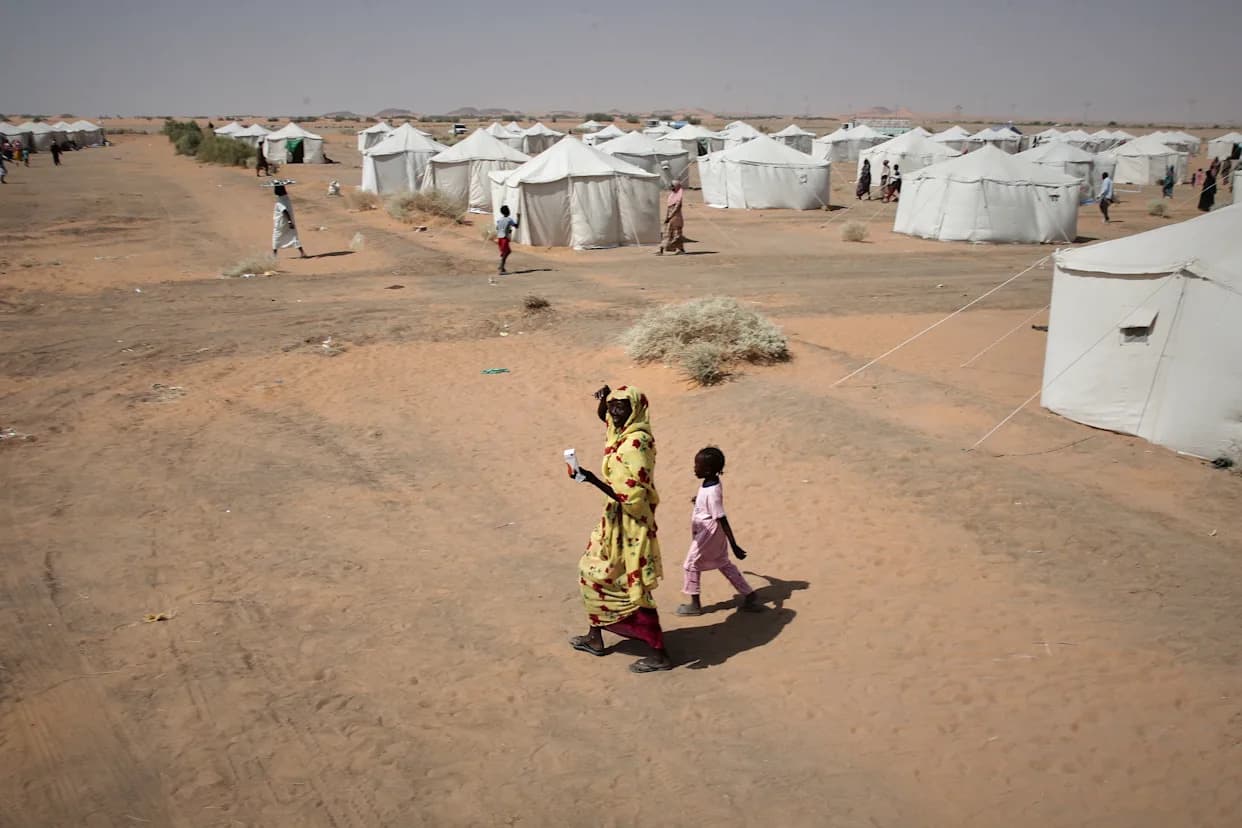
Sudanese mother of five Dowa Hamed, who was paralysed during childbirth, was in physical pain for parts of the journey (Abdulrahman GUMAA)(Abdulrahman GUMAA/AFP/AFP)
The Rapid Support Forces (RSF) captured the border oil town and field of Heglig, triggering a new wave of displacement across southern Kordofan and placing heavy pressure on transit camps near Gedaref.
Human Cost: A Gruelling Flight
When paramilitary fighters advanced on Heglig, paraplegic Dowa Hamed could only cling to her husband's back 'like a child' as they fled. The 25-year-old mother of five, paralysed from the waist down during childbirth, now lies shell-shocked on a cot at the Abu al-Naga displacement camp — a dusty transit site just outside the eastern city of Gedaref, roughly 800 kilometres from her home.
Her family's journey was far longer than the distance to Gedaref: they crossed into South Sudan twice, moving between different armed groups and enduring long treks with children. 'We fled with nothing. Only the clothes on our backs,' Hamed said.
Wider Displacement and Conflict Context
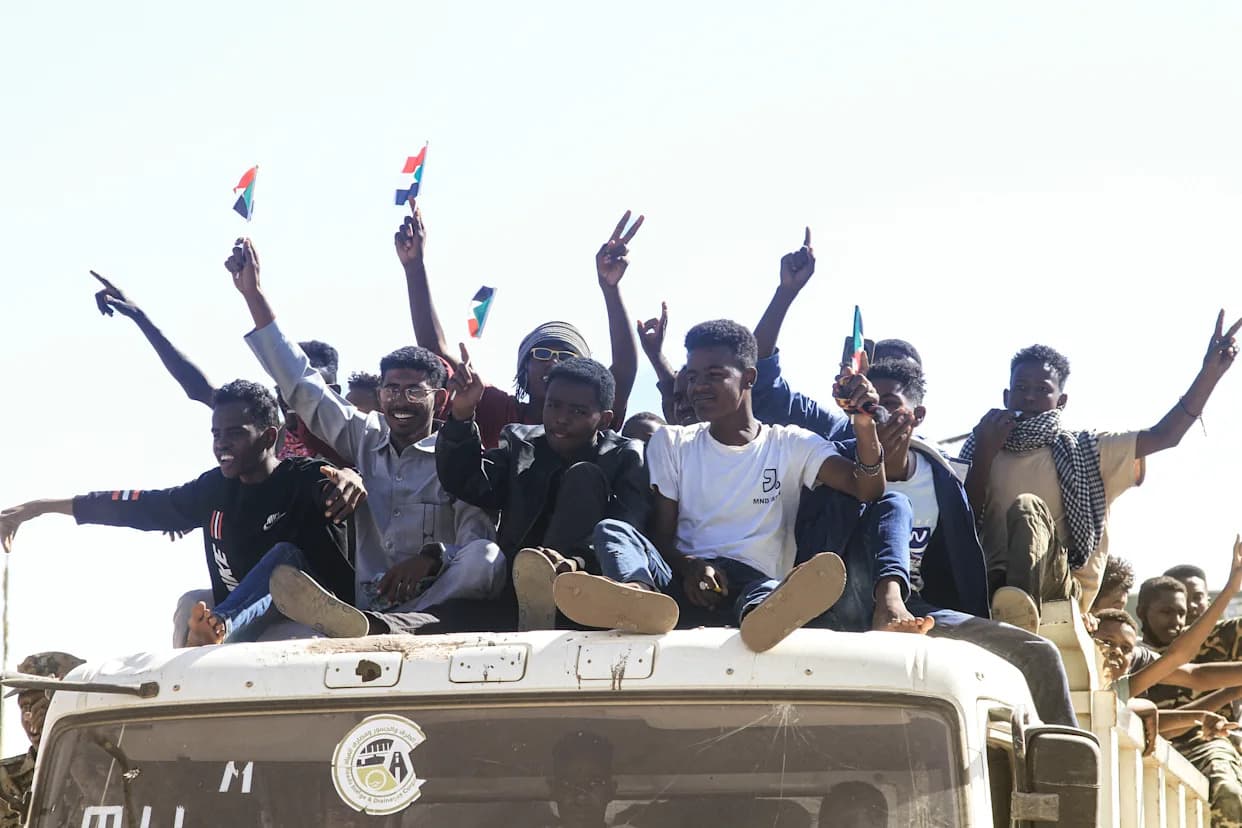
Hamed and many others are among tens of thousands uprooted by fighting in southern Kordofan — the latest front in the 2023 war between Sudan's regular army and the RSF that began in April. After the RSF and allied forces took the army's last hold in Darfur in October, they advanced into neighbouring Kordofan, a region divided into West, North and South states and important for oil and agriculture.
In recent weeks the RSF has consolidated control over West Kordofan, seized Heglig — home to Sudan's largest oil field — and tightened sieges on Kadugli and Dilling in South Kordofan, where hundreds of thousands now face the risk of mass starvation.
Life in Transit: Camps Under Severe Strain
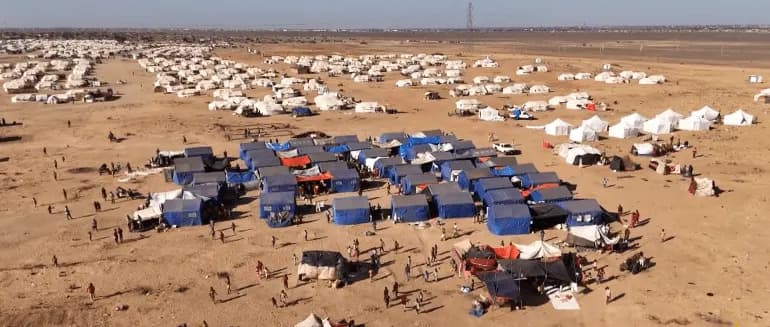
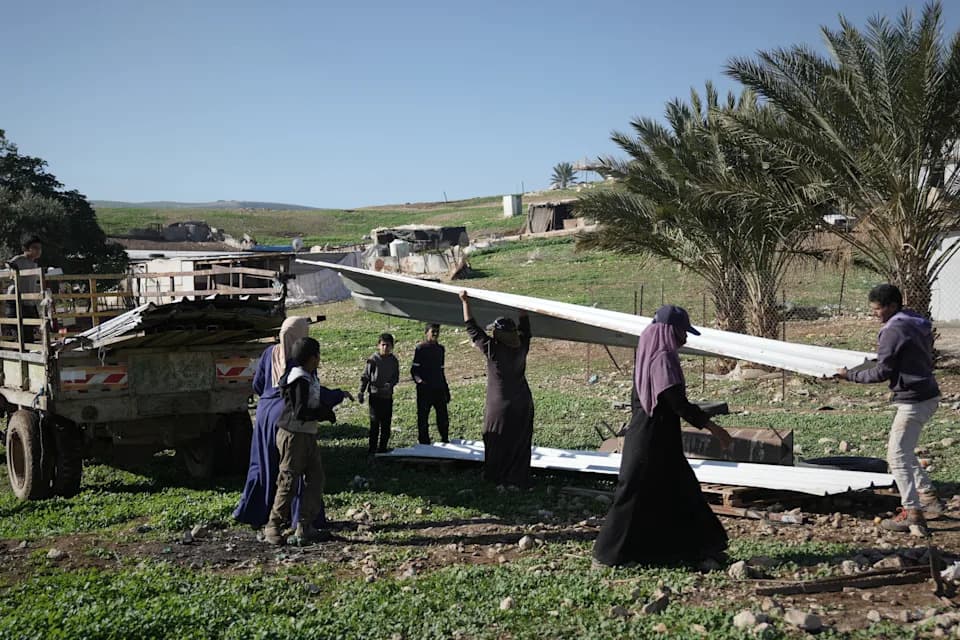
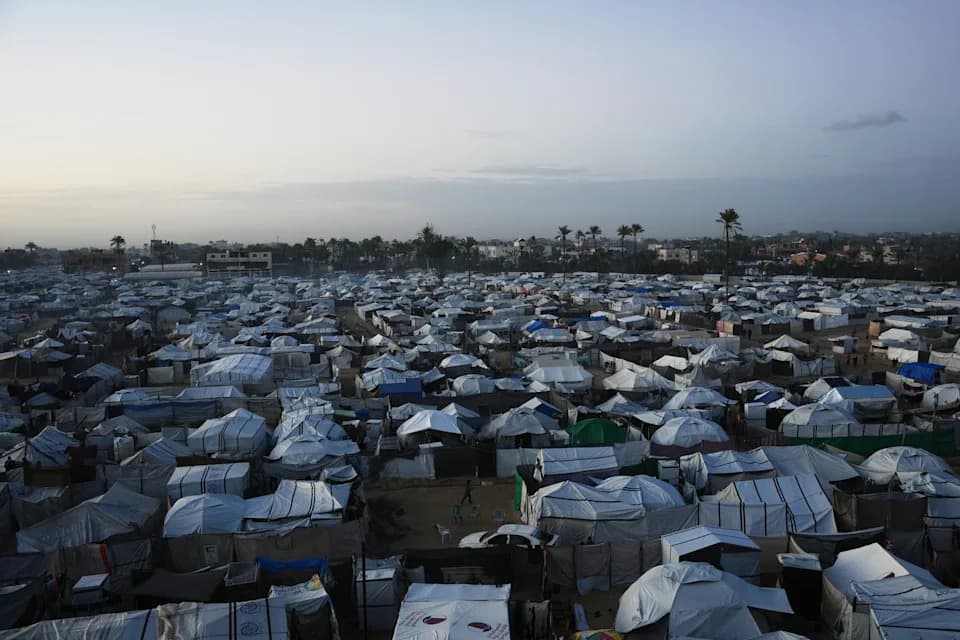
The Abu al-Naga camp, which shelters families fleeing the front lines, is overcrowded and poorly supplied. Camp director Ali Yehia Ahmed estimates about 240 families — roughly 1,200 people — are sheltering there, yet space, food and medical supplies are in short supply.
'The camp's space is very small,' Ahmed said. 'Food supplies are dwindling.'
Rations are distributed from a single point, forcing long queues and limited portions. Women fetch water from one well, carrying it in plastic buckets to cook, wash and clean. A makeshift clinic, little more than a canvas tent, struggles to treat patients and tends to long lines.
Local authorities and aid officials warn that shelter is an urgent priority as colder weather arrives. Asia Abdelrahman Hussein, Gedaref's minister of social welfare and development, appealed for support to provide safe housing and adequate winter shelter.
Separated Families and Enduring Hardship
Not all families who fled have stayed together. Fourteen-year-old Sarah, now in Abu al-Naga, cares alone for her younger brother after the truck that carried displaced people from South Sudan was declared full and left without their parents. Weeks later the siblings have had no news of their mother and father.
Sawsan Othman Moussa, 27, who has been forced to flee three times since fighting began in Dilling, described cramped tents, scarce medicine and long, cold nights. Many survivors report hours of walking, overcrowded trucks and the trauma of family separations.
The situation remains acute: urgent humanitarian assistance is needed for food, shelter, medical care and protection for vulnerable groups, including children, the elderly and people with disabilities.
Reporting note: Accounts and figures are based on interviews with displaced families, camp officials and local authorities in Gedaref conducted for this report.
Help us improve.