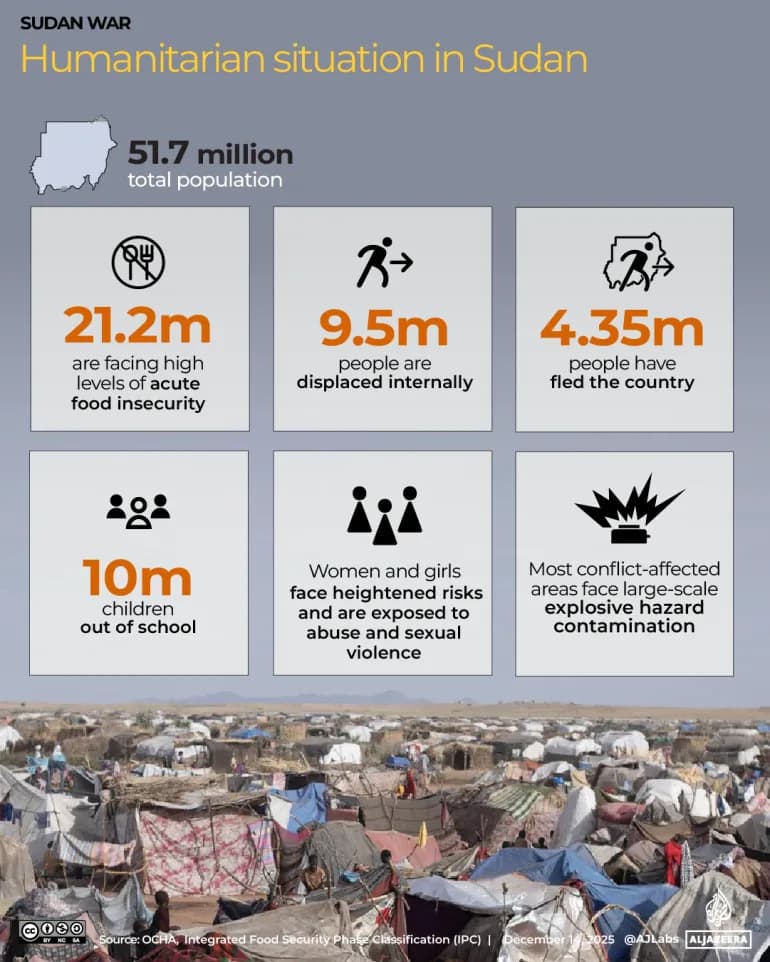
Khartoum's central market has reopened and trading activity is returning, but vendors say life remains far from the pre‑war normal. The April 15, 2023 clashes between the Sudanese army and the RSF unleashed a conflict that killed tens of thousands and displaced millions, including nearly four million from greater Khartoum. High inflation (151% in 2024), a collapsed currency and widespread damage mean many residents now need second jobs just to cover basic needs, while shortages of electricity, liquidity and labor slow recovery.
Khartoum Market Reopens, But Recovery Is Slow and Fragile
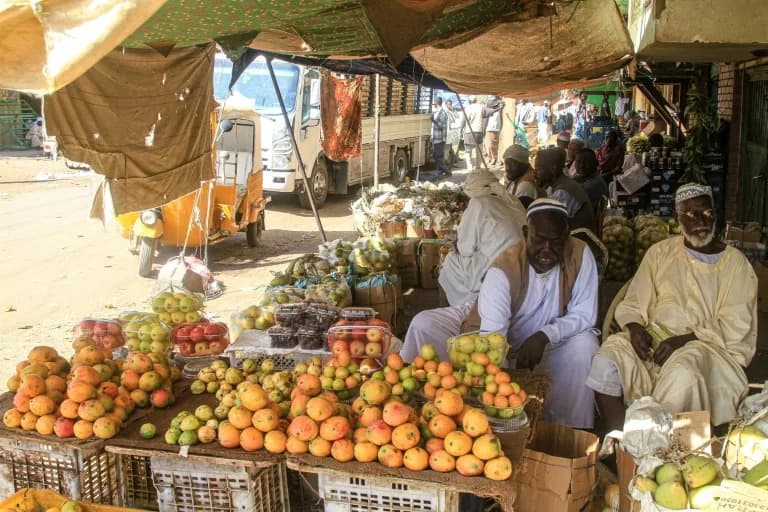
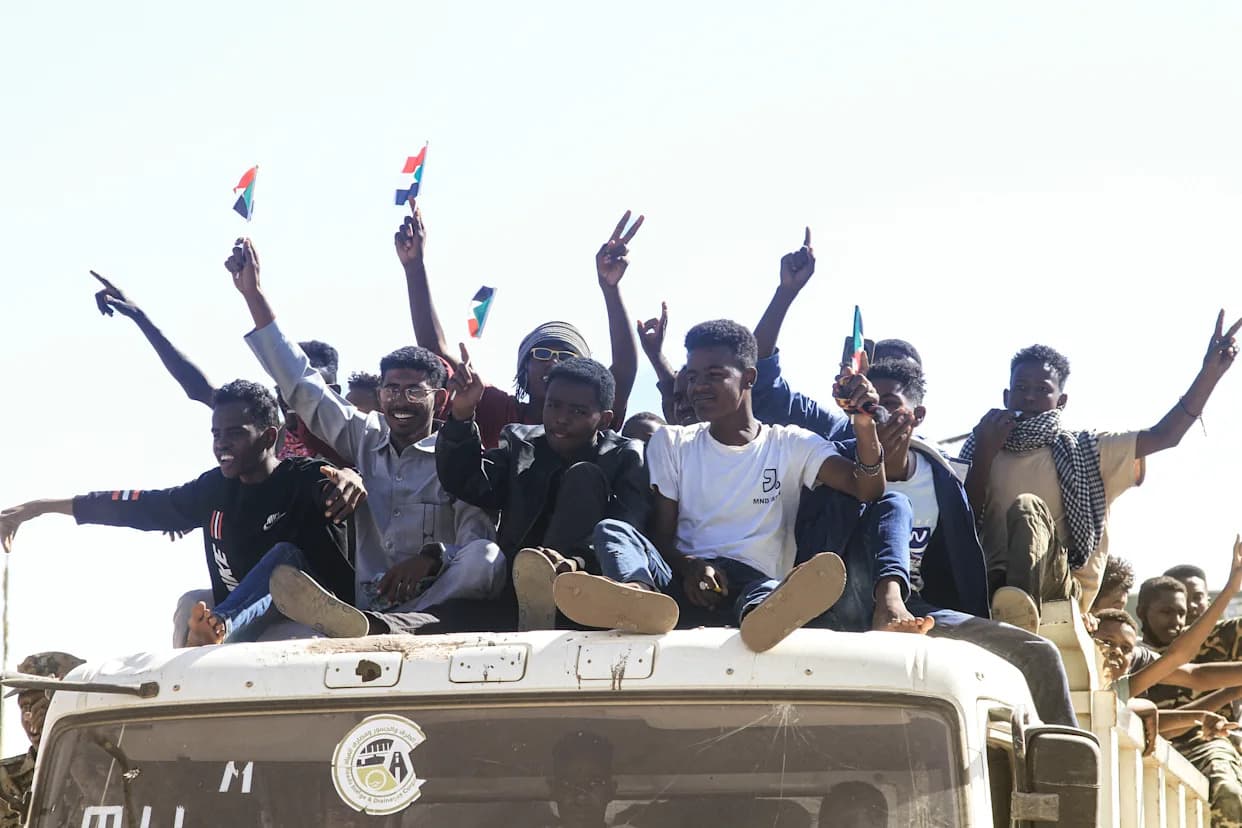
Khartoum's central market is only slowly coming back to life with the army back in control of the Sudanese capital (Ebrahim HAMID)(Ebrahim HAMID/AFP/AFP)
The sounds of buyers and sellers have returned to Khartoum's central market, but vendors say the bustle is a pale shadow of pre‑war life. Fruit seller Hashim Mohamed, who has worked the market for 50 years, told AFP that while trade has resumed, business remains constrained by insecurity, high costs and damaged infrastructure.
A Return to Trade, Not to Normal
On April 15, 2023, clashes between the Sudanese army and the paramilitary Rapid Support Forces (RSF) erupted across central Khartoum. The conflict since then has killed tens of thousands and forced millions from their homes. Nearly four million people — roughly half of greater Khartoum’s population — fled the capital when the RSF seized control of parts of the city.
"I had to work discreetly, because there were regular attacks," Mohamed said, describing how vendors adapted during the worst periods. Those who remained faced threats of assault and robbery by armed groups roaming neighbourhoods.
Damage, Looting and a Fragile Recovery
Federal forces launched an offensive last March that pushed paramilitary fighters out of some districts and exposed widespread looting and destruction. Market vendor Adam Haddad said trade is returning but recovery remains limited: "The market's not what it used to be, but it's much better than when the RSF was here." Piles of fruit and vegetables sit on makeshift stalls and tarps, reflecting both resilience and the market’s basic conditions.
Economic Pressures on Everyday Life
While Khartoum is no longer facing the mass starvation seen in some frontline towns and displacement camps, the economy is in tatters. Supplies, labor and transport costs have surged, driving constant complaints about prices. Sudan has endured triple‑digit annual inflation for years; official figures put inflation at 151% in 2024, down from a 2021 peak of 358%.
The national currency collapsed on the black market, moving from about 570 Sudanese pounds per US dollar before the war to roughly 3,500 SDG/USD in 2026 by local rates. Wages have not kept pace: one teacher said his monthly salary of 250,000 SDG (about $71) is no longer enough to cover rent, forcing him to take informal day‑jobs in the market.
What Vendors Say the City Needs
Traders warn that recovery will be slow. Haddad pointed to shortages of workers, limited liquidity in the market and unreliable electricity as major obstacles. "We don't have enough resources or workers or liquidity flowing through the market," he said, adding hope that government efforts to restore services will help revive Khartoum.
Beyond the capital, fighting persists: the RSF controls large parts of western and southern Sudan and is pushing into central Kordofan, prolonging instability and hampering broader recovery efforts.
Reporting by AFP. Translated and edited for clarity and structure.
Help us improve.