Scientists modelling two rare near‑Sun asteroids, 2021 PH27 and 2025 GN1, conclude they likely originated from a single parent body that split 17,000–21,000 years ago after repeated close approaches to the Sun. Dust left by that breakup may cross Venus' orbit around July 5, producing a meteor shower on Venus. From Earth only very bright fireballs (around magnitude −12 to −15) would be visible, so a Venus orbiter would offer the best chance to observe the event.
Venus May Host a Major Meteor Shower Around July 5 — Dust From an Ancient Asteroid Split
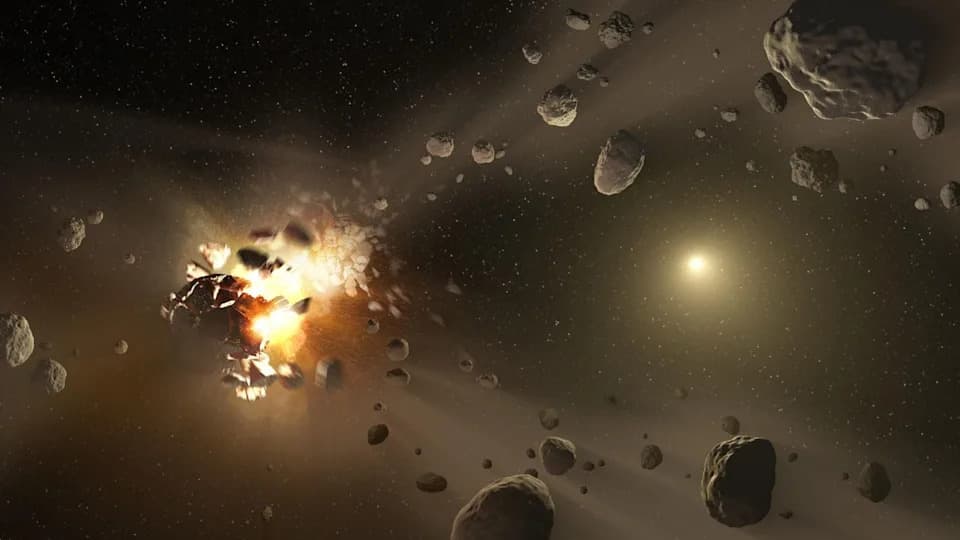
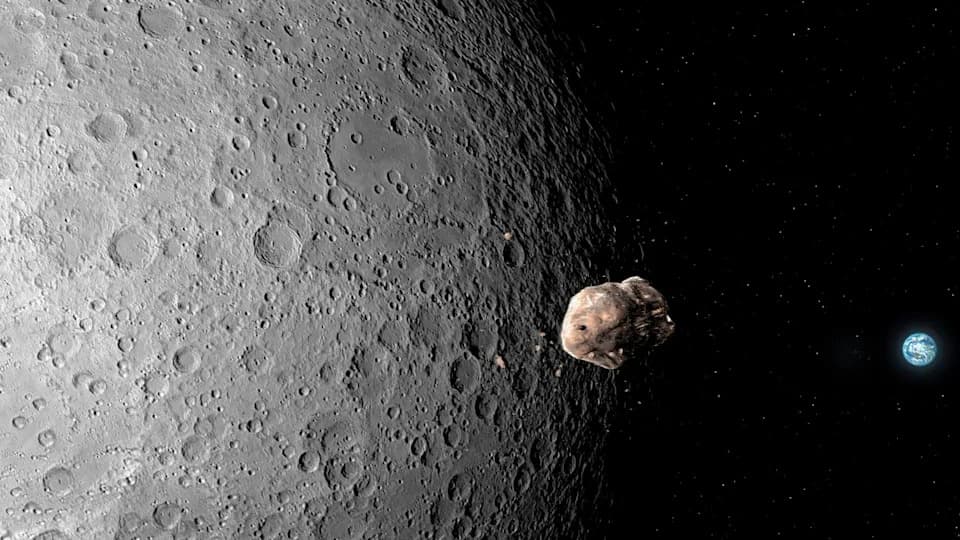
An artist's impression of an asteroid fragmenting into multiple chunks. | Credit: NASA/JPL-Caltech
Venus could pass through a trail of debris this summer, producing a meteor shower visible in the planet's skies. Astronomers say the dust likely comes from a parent asteroid that split into two fragments tens of thousands of years ago.
Researchers led by Albino Carbognani of the Italian National Institute for Astrophysics (INAF) tracked two rare near‑Sun asteroids, 2021 PH27 and 2025 GN1, and reconstructed their orbits back about 100,000 years. The two objects share nearly identical orbits and the same spectral class (X), suggesting a common origin.
How the Breakup Likely Happened
Simulations show the pair's orbit reached a perihelion as close as ~15 million kilometers (about 9 million miles) from the Sun — roughly four times closer than Mercury's average distance. Repeated extreme heating at such distances could fracture a loosely bound 'rubble‑pile' parent body.
At the same time, asymmetric thermal emission can slowly change an asteroid's spin through the YORP effect (named for Yarkovsky, O'Keefe, Radzievskii and Paddack). The team proposes that thermal fracturing plus YORP spin‑up caused the parent asteroid to shed material and eventually split into the two fragments between about 17,000 and 21,000 years ago.
Why Venus, and What We Might See
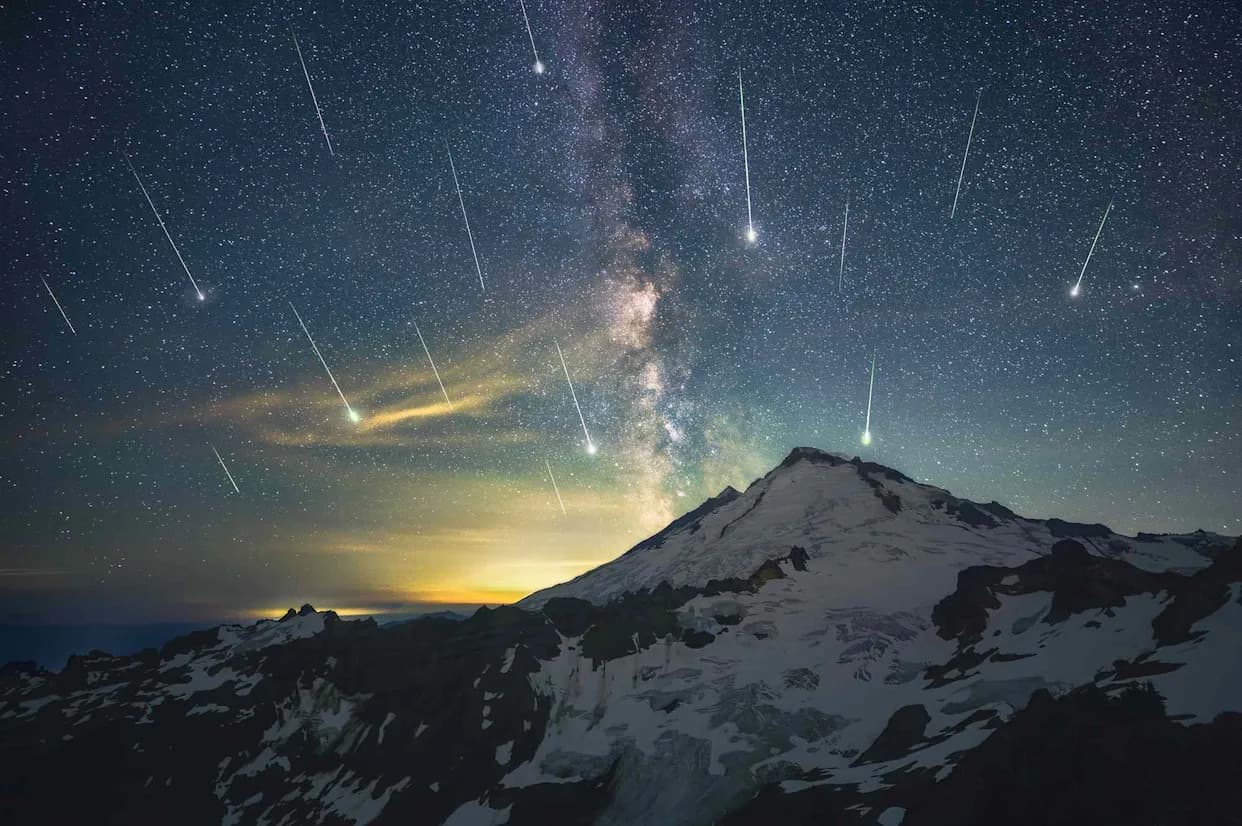
The breakup would have released fine dust and millimeter‑scale fragments into similar orbits. The researchers' models indicate this dust stream is broad enough that Venus will intersect it in early July — around July 5 — potentially producing a meteor shower on Venus.
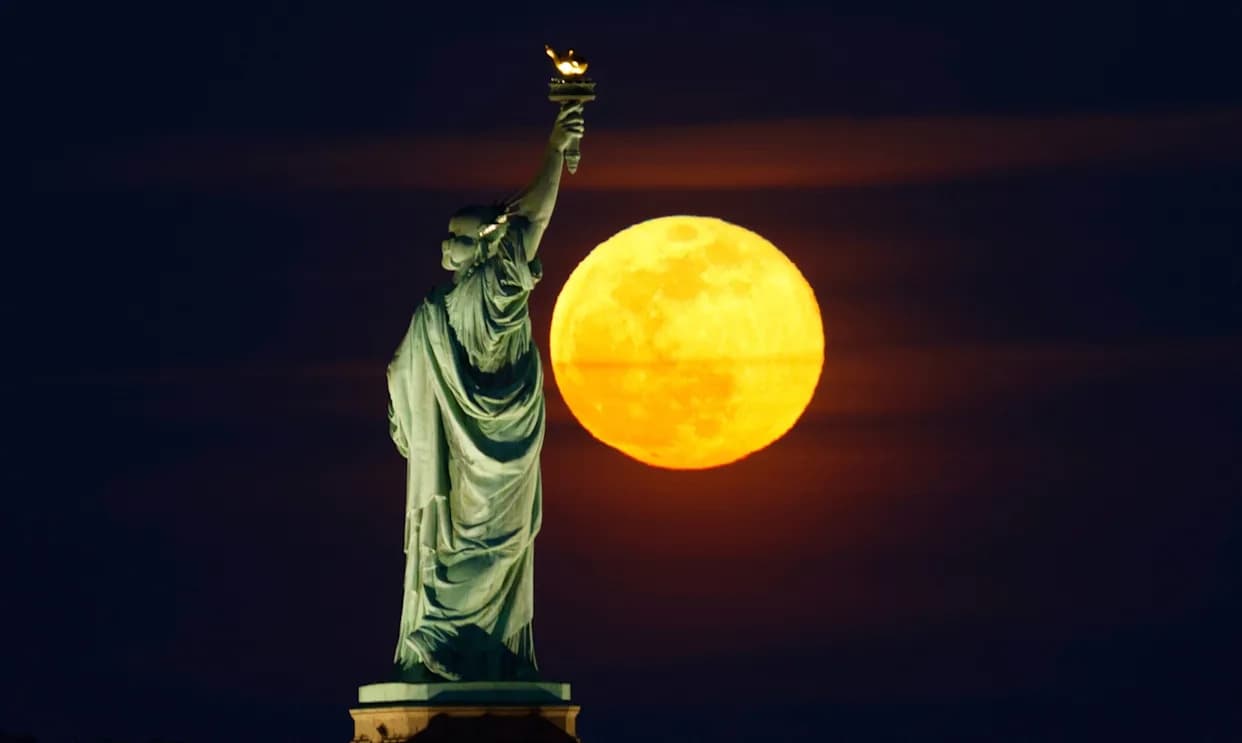
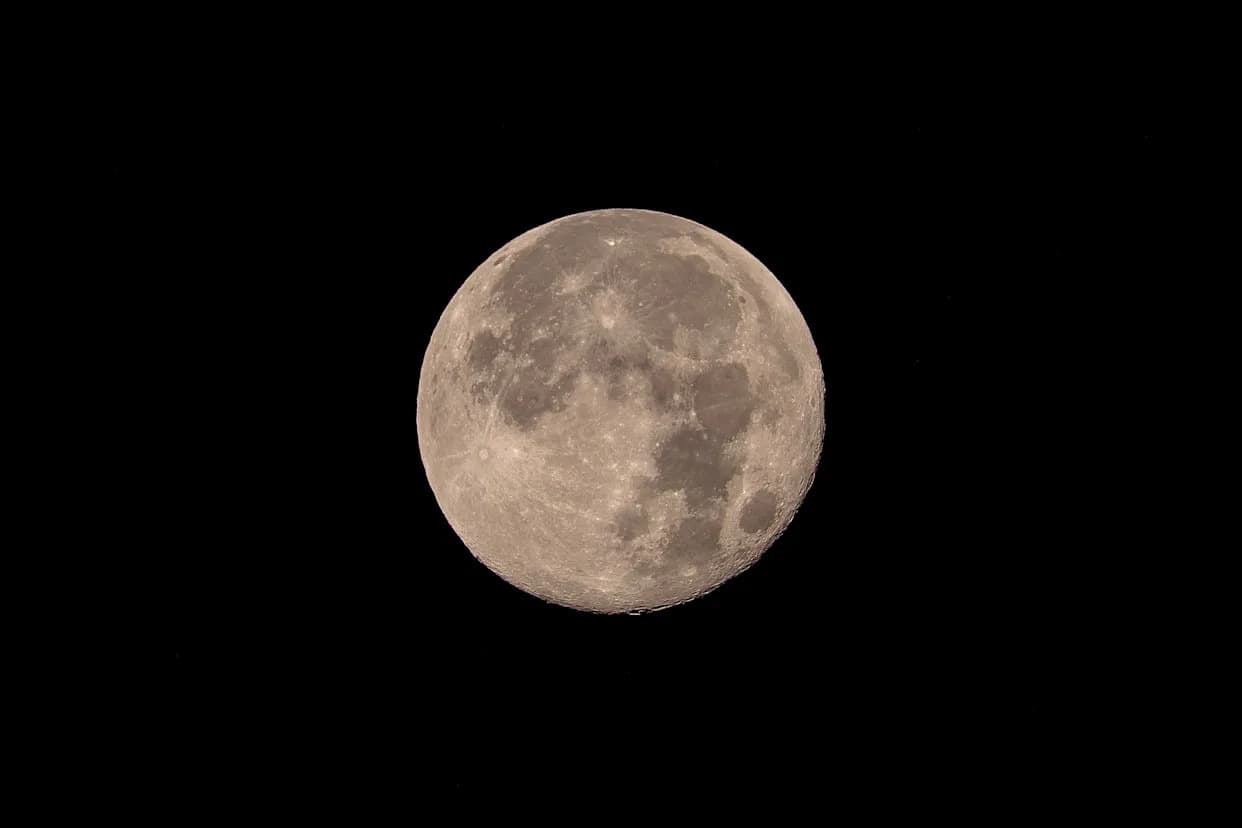
Viewing the event from Earth will be challenging. Only extremely bright fireballs — about magnitude −12 to −15, comparable to the brightness of the full Moon — would be visible from our planet. Most meteors generated by such a stream would be too faint to detect through Earth's atmosphere.
"Considering that the orbits pass very close to Venus, it's natural to wonder whether very small fragments, on the order of a millimeter, generated by the fragmentation of the original body, could still be in orbit around the Sun," Carbognani said. "Our simulations confirm that this is indeed possible."
Best Ways To Observe It
The most promising way to confirm a meteor shower on Venus would be direct observation from a spacecraft in Venus orbit. There are no operational Venus orbiters now, but upcoming missions could observe future events — for example, ESA's EnVision (planned for launch ~2031–2032) and the proposed NASA missions DAVINCI and VERITAS if they proceed.
The team's results were published on January 17 in the journal Icarus.
Help us improve.