The FTC is poised to challenge Judge James Boasberg’s ruling that treated short-form video platforms as mitigating competition in the Meta antitrust case — a legal framing critics argue could let dominant firms avoid liability. Despite Melissa Holyoak’s resignation, agency rules and precedent allow the FTC to operate with two commissioners, and past 2-0 actions show it can continue enforcement. Recent examples — including a $2.5 billion Amazon settlement and actions against NextMed, Illuminate Education, and Gateway Services — underscore the agency’s ongoing capacity to protect consumers.
Can the FTC Function With Just Two Commissioners? Why It Can — And What’s at Stake
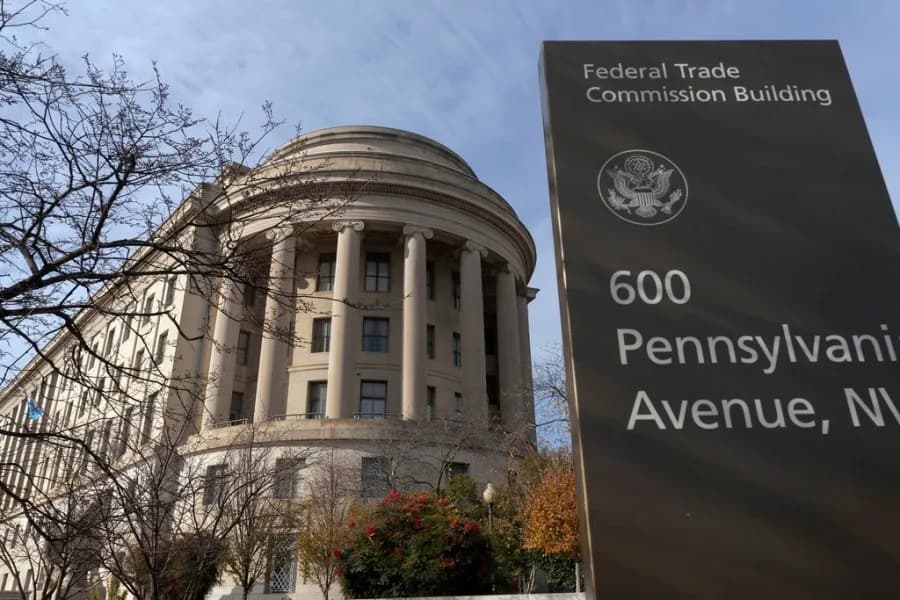
The Federal Trade Commission faces crucial choices ahead, including whether to appeal Judge James Boasberg’s recent liability ruling in the Meta antitrust case. The court treated short-form video services such as YouTube Shorts and TikTok as mitigating competition to Meta’s alleged monopoly in personal social networking — a reasoning some critics say could allow dominant platforms to escape liability by pointing to unrelated competitive products they also offer.
Why the Meta Ruling Matters
That judicial approach could broaden how market boundaries are defined in antitrust cases, effectively allowing firms to point to different product lines as evidence of competitive constraints. Critics compare that logic to counting Petco and PetSmart as competitors to Kroger simply because Kroger sells pet food — a result many lawyers and regulators find troubling and likely worth appealing.
Can the FTC Legally Act With Two Commissioners?
Melissa Holyoak’s recent resignation renewed debate about whether the FTC can operate effectively with only two commissioners and whether a third is needed to establish a quorum. The concern is misplaced. The FTC’s rules define a quorum as a “majority of members” who are “not recused from participating in a matter.” That language does not explicitly require three commissioners and, in practice, has allowed the agency to act with two.
Precedent and Practical Measures
Historical precedent supports the agency’s ability to carry out core functions with a reduced roster. During the Obama administration, for example, the commission proceeded with a 2-0 vote to file a complaint over deceptive claims related to the dietary supplement Prevagen. The FTC has also been run effectively on a bipartisan 2-0 basis by Republican Maureen Ohlhausen and Democrat Terrell McSweeny.
The agency has rules for rarer scenarios as well: when both commissioners are recused, the FTC may designate its general counsel to oversee certain proceedings, a mechanism developed during the prior administration to prevent complete paralysis where the equities permit such a step.
Is Two Commissioners Practical?
Many practitioners say it is. Former FTC staffer Julia Solomon Ensor (now counsel at Reed Smith) has noted that a change in leadership is unlikely to slow enforcement work. Commissioners who share similar views can move policy and litigation forward even in a 2-0 configuration.
Recent agency actions illustrate continued productivity: the FTC secured a $2.5 billion settlement with Amazon over unauthorized Prime enrollments and cancellation obstacles; approved a consent decree against NextMed barring deceptive advertising and unfair billing in weight-loss programs; filed a complaint against Illuminate Education seeking improved data-security measures and deletion of unnecessary data; and approved a consent order preventing Gateway Services from enforcing noncompete agreements against employees.
What This Means for Enforcement
There is nothing in the statute or in FTC precedent that renders these actions unlawful when taken by a two-commissioner majority. The commission can still appeal the Meta decision and continue its investigations into consumer protection and competitive harms. Keeping the FTC active — through appeals, settlements, and probes — remains vital to protecting consumers and preserving competitive markets.
Bottom Line: History and precedent indicate the FTC can not only function with two commissioners but can also continue vigorous enforcement. The question now is whether the agency will use that authority to challenge consequential rulings like the Meta liability decision.
Joel Thayer is president and board member of the Digital Progress Institute.
Help us improve.