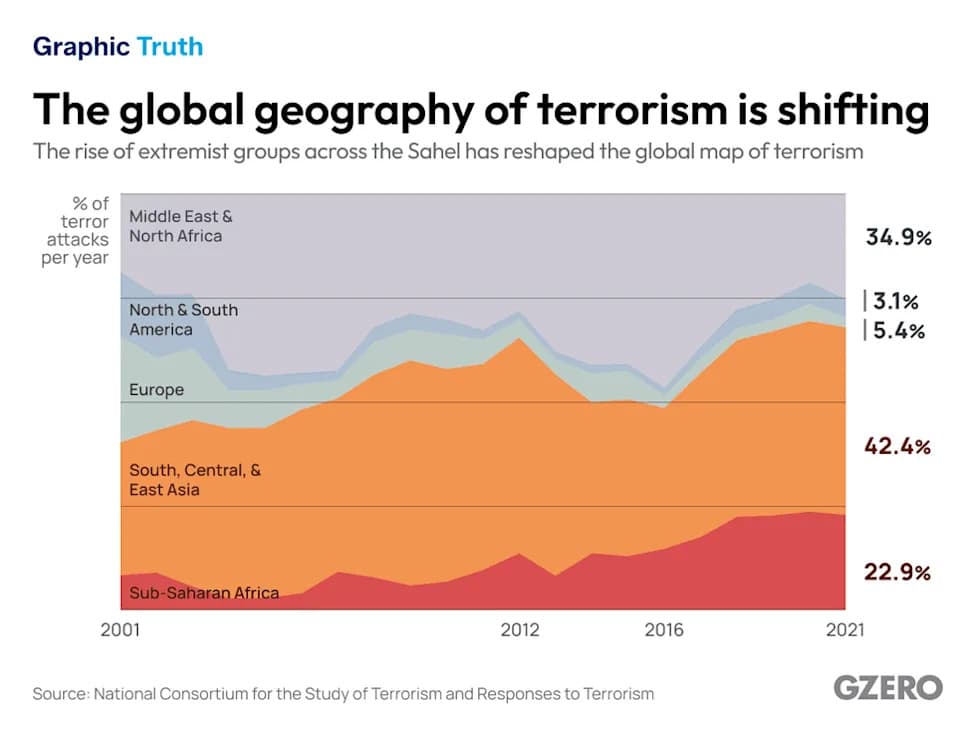
Nigeria’s insecurity cannot be solved by missile strikes alone. Multiple threats—from jihadist groups in the northeast to banditry in the northwest—exploit weak policing, poor intelligence and eroded trust in government. Sustainable stability requires rebuilding institutions, restoring the social contract and addressing underlying grievances rather than relying on short-term appeasement or military-only responses.
Missiles Won’t Fix Nigeria: How Weak Statehood Fuels Widespread Insecurity
On Christmas Day, a US destroyer launched cruise missiles at targets in northwest Nigeria reportedly linked to Islamic State affiliates. The strikes—framed by then-US President Donald Trump as an effort to halt insurgent attacks and punish the alleged persecution of Christians—have not stopped the country’s rising insecurity.
Cruise missiles are a blunt tool for a complex crisis. Experience from Afghanistan, Iraq and the Sahel shows that kinetic strikes rarely resolve the political, social and administrative failures that produce sustained violence. Many analysts also dispute the characterization of the violence as a "Christian genocide," arguing the dynamics are far more complex and diffuse.
Multiple Threats, One Structural Problem
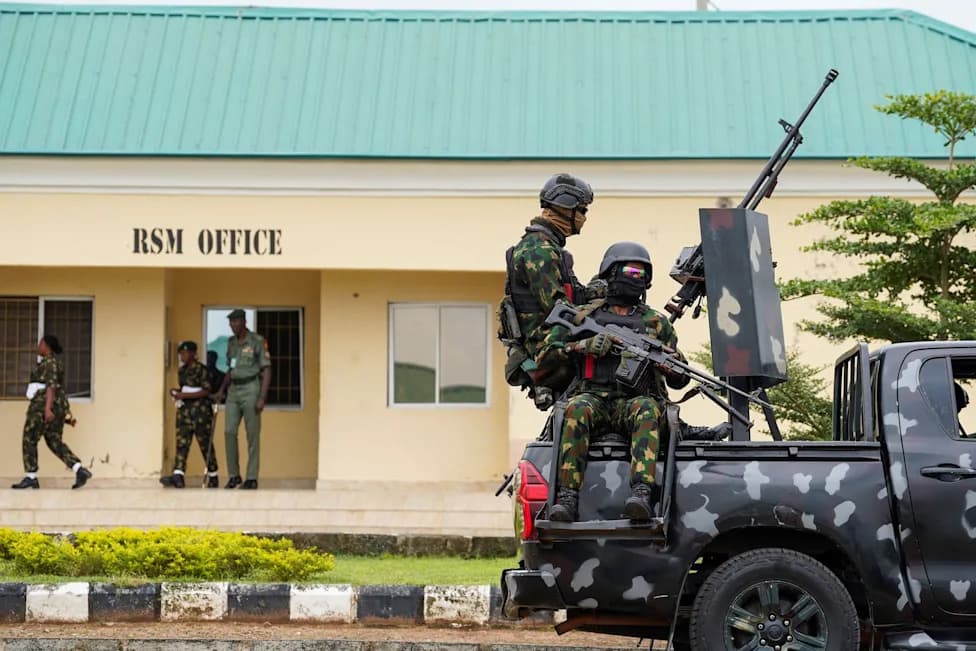
Nigeria faces overlapping security challenges: jihadist insurgencies expanding from the northeast, separatist tensions in the southeast, recurring herder–farmer clashes in the central belt, and rampant banditry across the northwest. What links these diverse threats is not a single ideology but the weakness of state institutions.
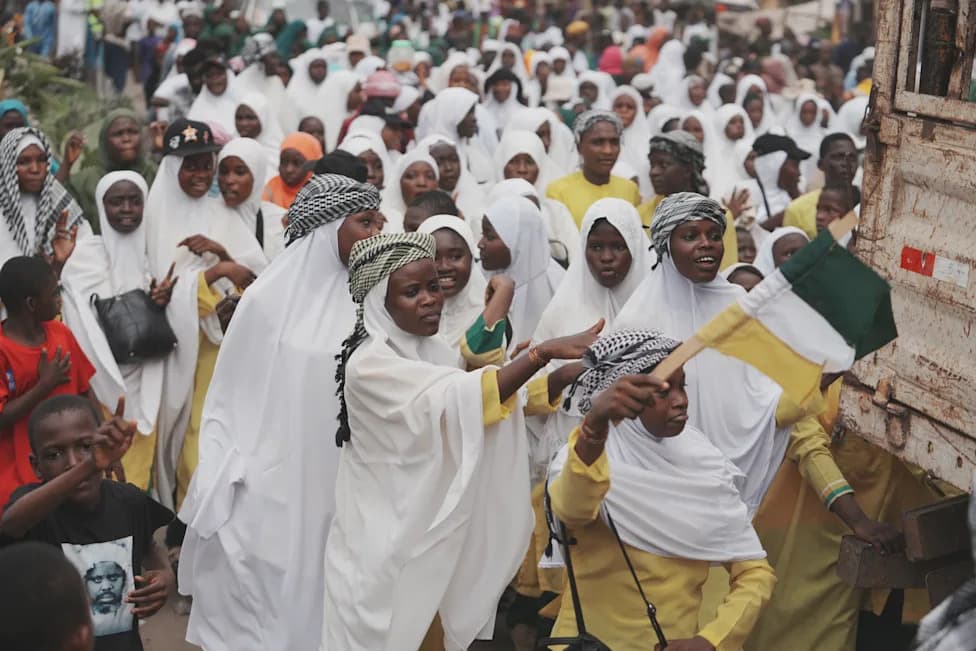
Early-warning systems are rudimentary, community liaison structures are fragile, and the police and courts are widely mistrusted. This impunity drives citizens to seek protection from informal actors—vigilante groups, local strongmen, and sometimes the criminals themselves—eroding the rule of law.
The Military and Intelligence Gap
The Nigerian armed forces include many capable and courageous personnel, yet persistent command failures have produced low morale and a tendency to react rather than adapt. Intelligence collection and analysis are notably poor: in some cases, security officers operating in the northeast lack fluency in the principal local languages, Hausa and Kanuri, undermining their effectiveness.
Hearts, Minds And Grievances
Some armed groups exploit these institutional gaps. The Islamic State West Africa Province (ISWAP), for example, has developed a "hearts-and-minds" strategy that emphasizes social justice and basic services, presenting itself as an alternative to a corrupt and extractive state. In contrast, many bandit networks in the northwest are driven by criminal motives, extorting protection payments and controlling whole districts—though underlying communal grievances over land and the unfair arbitration of disputes often feed their ranks.
Rather than addressing root causes, several state governments have adopted short-term appeasement measures—stipends, positions and amnesties for bandit leaders. These policies may create temporary calm but risk incentivizing further violence and marginalizing victims.
What Needs To Change
More effective security operations are necessary but not sufficient. The core challenge is rebuilding the social contract: restoring trust in policing and justice, strengthening local early-warning and community liaison mechanisms, improving military leadership and language-capable intelligence, and addressing economic and political grievances that drive recruitment to armed groups.
Long-term stability will require patient governance reforms and credible service delivery, not only military strikes.
President Trump’s public claims were discussed in a Q&A with Crisis Group analyst Nnamdi Obasi, underscoring the international attention Nigeria’s crisis attracts—but ultimately the solutions must be driven by Nigerian institutions that can re-earn popular allegiance.
Help us improve.