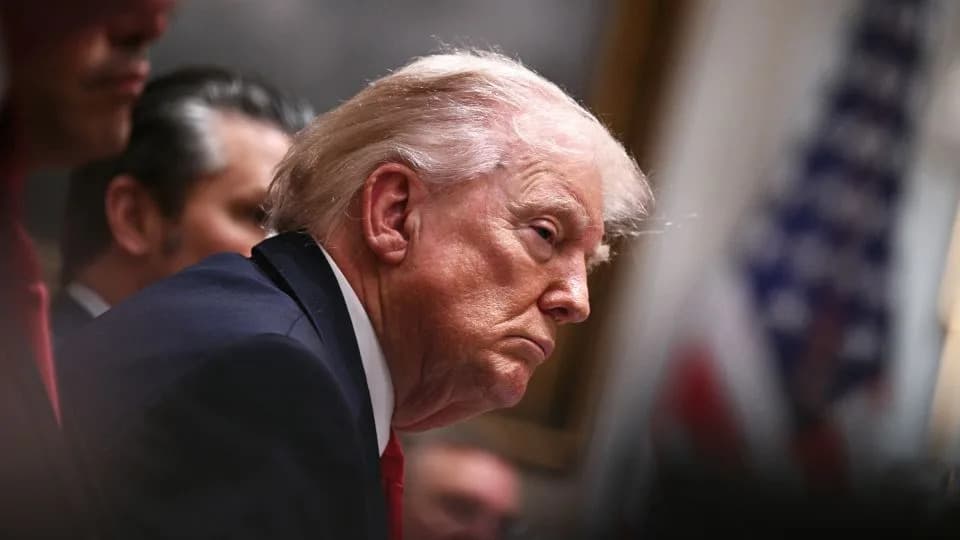
A sustained campaign by Christian activists and Republican lawmakers helped persuade President Donald Trump to act on violence in Nigeria, prompting U.S. cruise-missile strikes on Islamist targets in the country’s northwest on Christmas Day, The New York Times reported. Thousands die annually in Nigeria amid sectarian violence, kidnappings and land disputes, and advocacy that emphasized attacks on Christians was a factor in the U.S. response. The strikes — and parallel U.S. pressure on South Africa over alleged discrimination — have stirred debate about how domestic lobbying shapes foreign policy toward Africa.
How Christian Activists and GOP Lobbyists Pressured Trump to Order Strikes in Nigeria

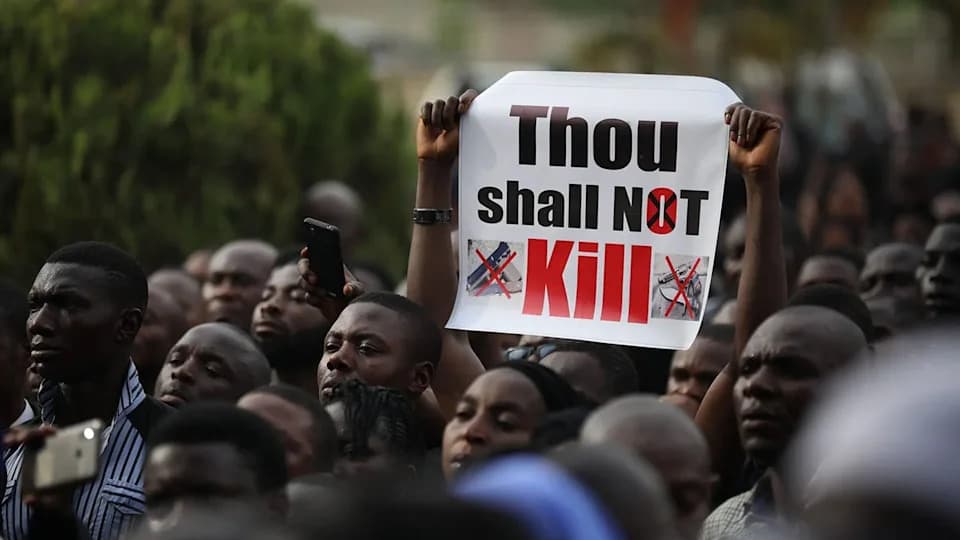
A sustained lobbying effort by Christian activists working alongside Republican lawmakers helped persuade U.S. President Donald Trump to take military action over violence in Nigeria, The New York Times reported. The campaign framed the attacks on some communities as a "Christian genocide," a characterization the White House cited in public statements.
Background and Context
Thousands of people die in Nigeria each year amid a complex mix of violence: sectarian clashes, kidnappings for ransom, communal battles over land and resources, and attacks by Islamist militant groups. While the causes are multifaceted, a Washington-based lobbying push that emphasized violence against Christian communities was one factor cited in the administration's decision-making.
“A yearslong campaign by Christian activists together with Republican lawmakers persuaded the president to act against what he called a ‘Christian genocide’ in Nigeria,” according to The New York Times.
The U.S. Response
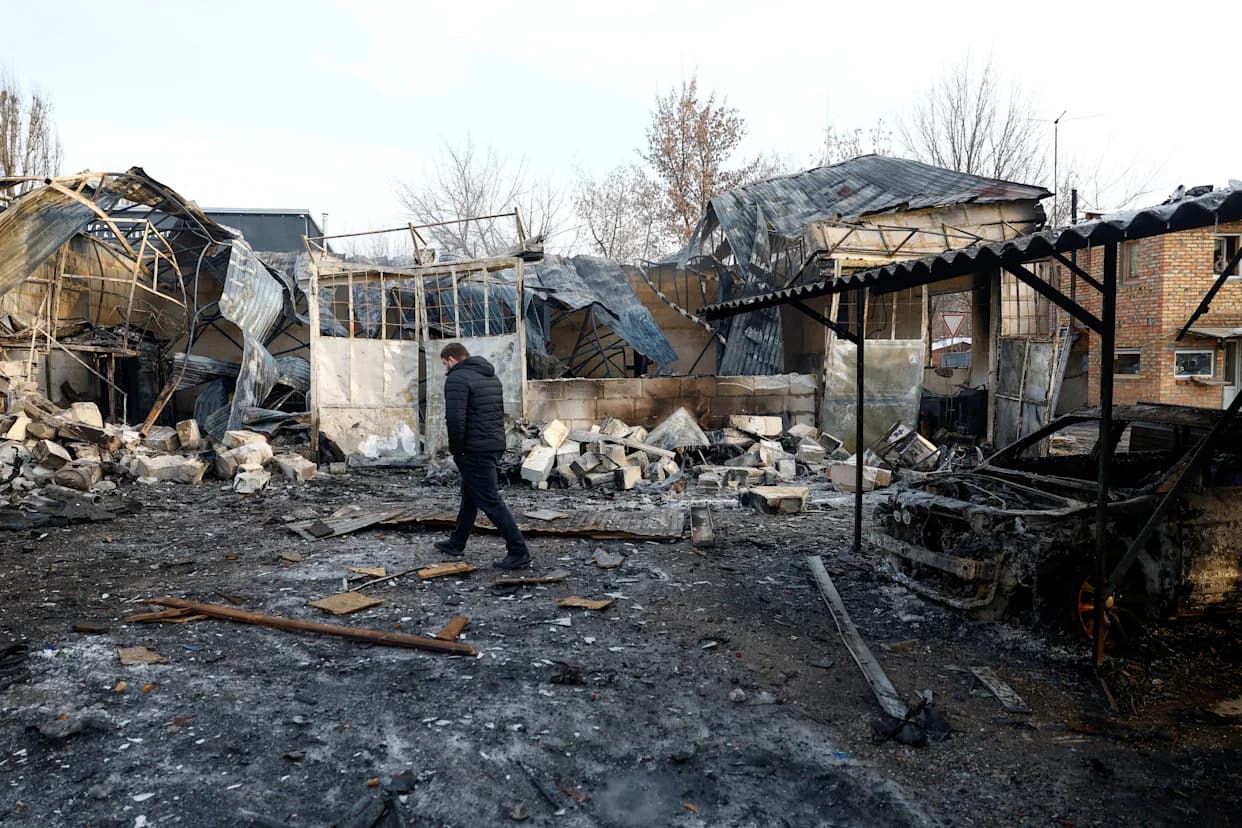
On Christmas Day, the U.S. carried out a series of cruise-missile strikes against targets identified as Islamist positions in northwest Nigeria. U.S. officials said the strikes were aimed at militants blamed for attacks in the region; critics and analysts have noted that domestic political pressure played a role in pushing the administration toward a more assertive posture.
Wider Implications
The moves — including contemporaneous U.S. pressure on South Africa over allegations of discrimination against white farmers — have complicated relations with two of Africa’s largest economies and provoked debate over the role of lobbying, religious advocacy and partisan influence in shaping U.S. foreign policy.
Observers say the episode highlights how domestic political narratives and targeted advocacy campaigns can influence international decisions, with potentially far-reaching consequences for regional stability and diplomatic ties.
Help us improve.