Nigeria's air force will lead follow-up strikes while using intelligence from ongoing U.S. reconnaissance flights after U.S. Christmas Day strikes in Sokoto State, a Nigerian official told AFP. The U.S. will primarily provide intelligence support, though Nigeria remains open to further strikes. Both governments said the operation targeted militants from Islamic State, the Lakurawa group and local "bandit" gangs, while civilian injuries were also reported.
Nigeria to Lead Follow-Up Strikes Using U.S. Reconnaissance After Christmas Attacks, Official Says
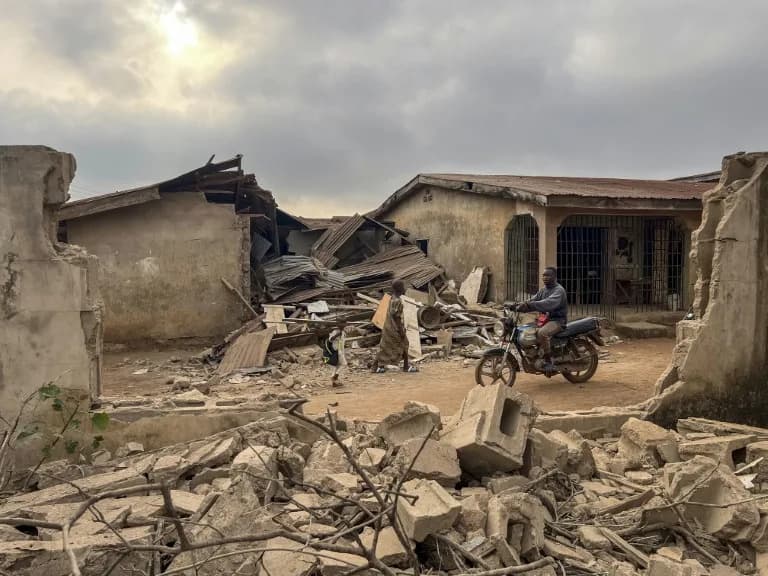
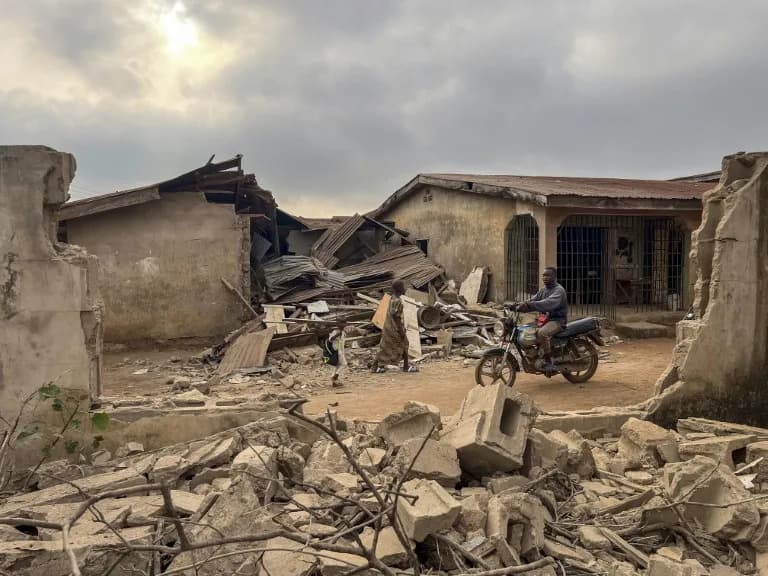
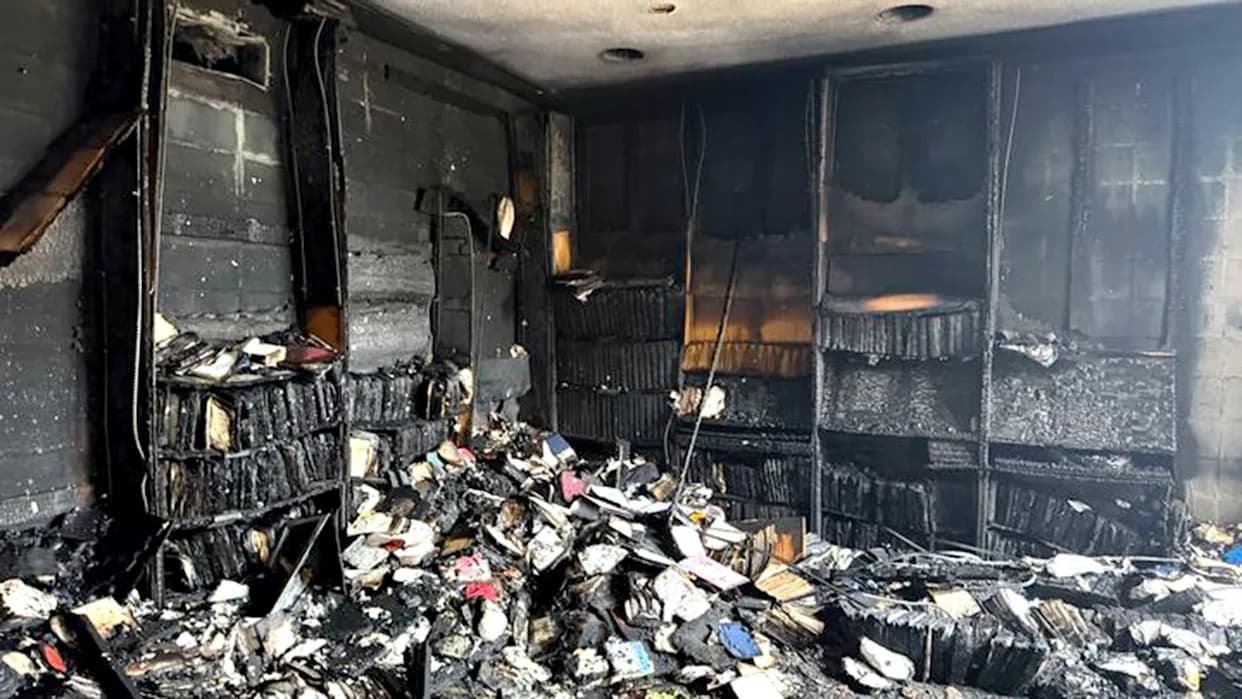
Destroyed structures in Offa on December 27, caused by debris from expended munitions that fell from US strikes (Abiodun Jamiu)(Abiodun Jamiu/AFP/AFP)
A Nigerian official told AFP that Nigeria's air force will take operational lead after the United States' Christmas Day strikes in Sokoto State and will rely on continued U.S. reconnaissance flights to plan and support its own follow-up strikes.
Scope of the December Strikes
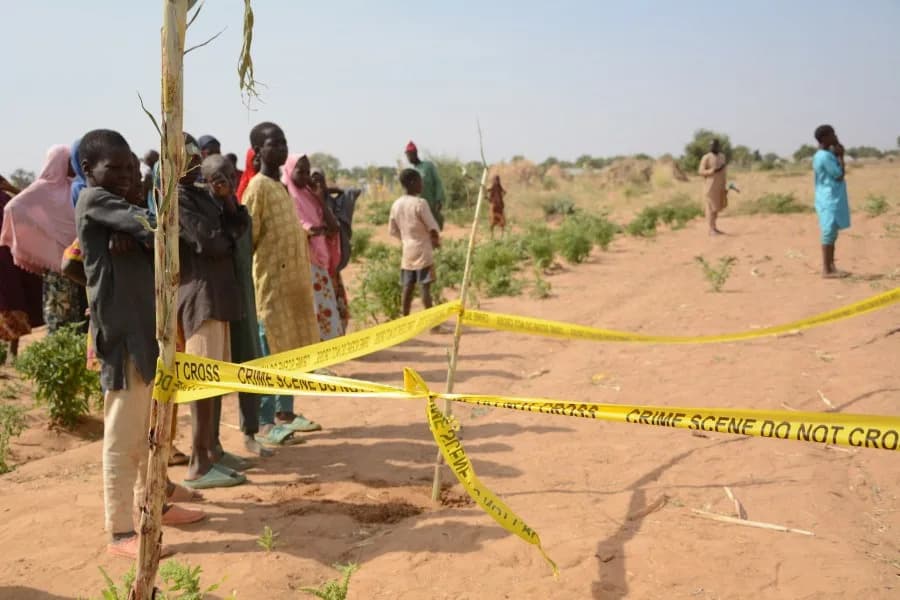
The strikes on the evening of Christmas Day targeted locations in Sokoto State that Washington said were linked to the Islamic State group. Abuja says the operation aimed at militants believed to be collaborating with the local Lakurawa jihadist group and armed "bandit" gangs that operate across the northwest and north-central regions.
New Security Arrangement With Washington
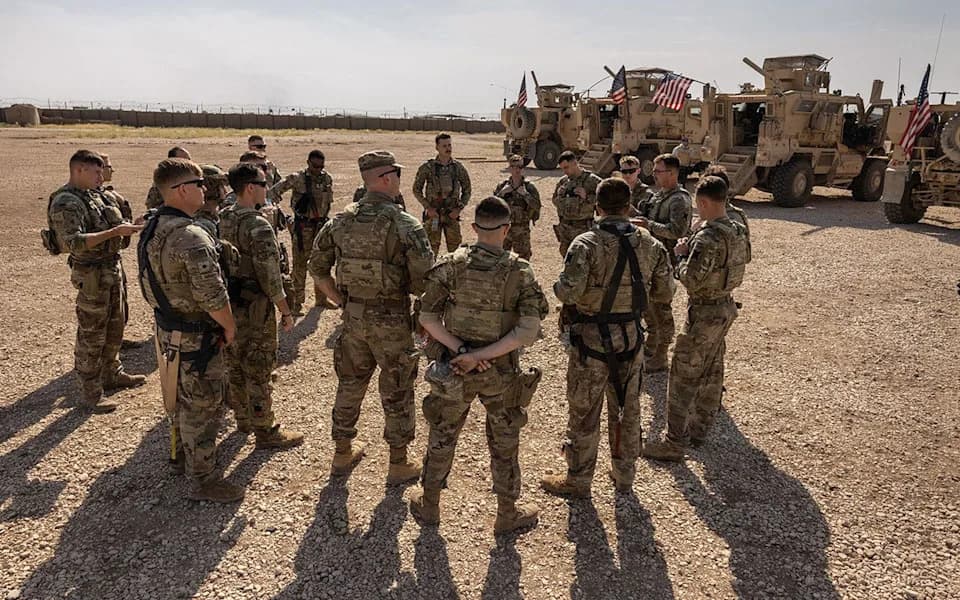
The source, speaking on condition of anonymity because of the sensitivity of the arrangement, said the United States will now primarily provide intelligence, notably from its reconnaissance flights, while Nigeria's air force will lead any subsequent kinetic operations. Nigeria remains open to further U.S. action, the official added.
Diplomatic Background
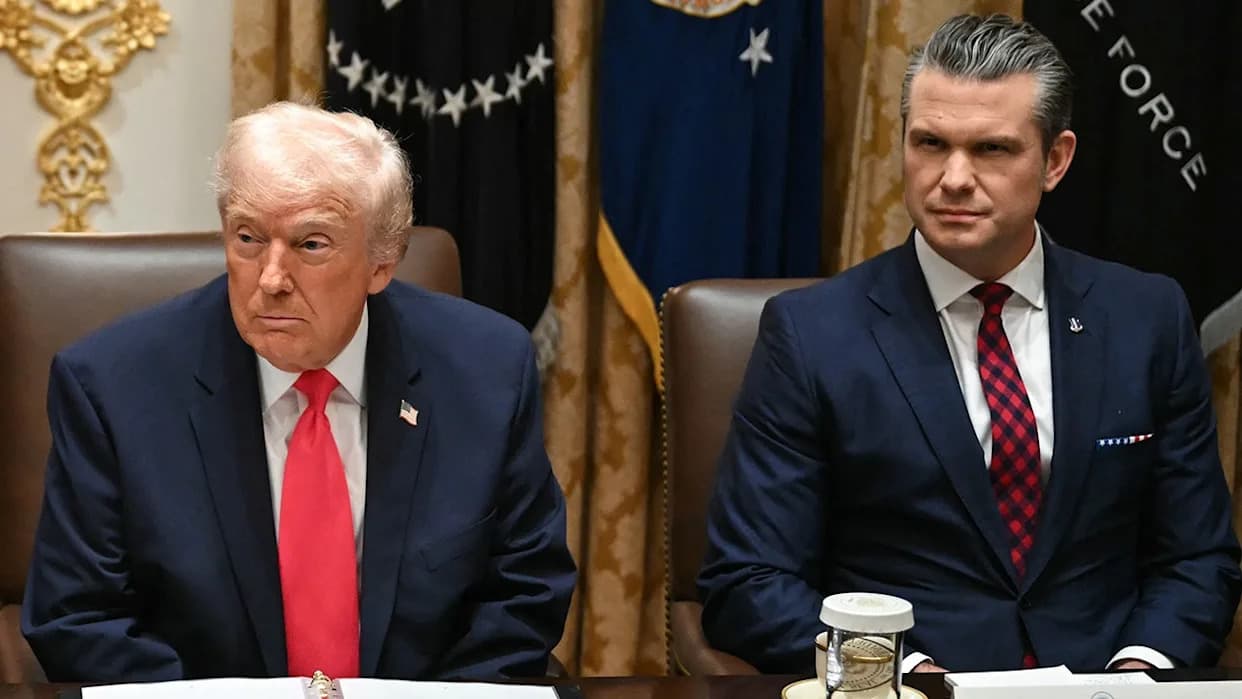
The strikes followed months of diplomatic friction that began in October, when U.S. President Donald Trump described violence in parts of Nigeria as "persecution" and "genocide" of Christians—claims rejected by Abuja and many independent analysts. Nigeria's information minister later said the dispute was resolved and that a "strengthened partnership" with the United States had been reached.
Coordination and Communications
According to the source, U.S. officials were largely unreachable until days before the operation, when they finally briefed their Nigerian counterparts. The episode caused tensions after President Trump publicly took unilateral credit for the strikes; Nigeria's foreign minister then launched a media push insisting the mission was a joint effort.
Casualties and Local Impact
Both governments reported an unspecified number of militants killed. Local reports said civilians were affected: in Offa, Kwara State, a hotel manager told AFP that three employees were hospitalized after munitions debris struck the building.
Links to Regional Groups
Some researchers have suggested connections between members of Lakurawa—the main jihadist group active in Sokoto—and Islamic State Sahel Province (ISSP) across the border in Niger; other analysts dispute those links. The New York Times, citing unnamed Pentagon officials, described the U.S. strikes as a "one-time event." U.S. reconnaissance flights over Nigeria had increased in the weeks before the operation and have continued since.
What Remains Unclear: Exact casualty figures, the precise nature of coordination between U.S. and Nigerian forces, and the extent of operational links between Lakurawa and ISSP remain unconfirmed publicly.
Help us improve.