Saudi state media has launched a sustained campaign accusing the UAE of backing secessionists and fomenting instability across the region, following clashes in Yemen. The public spat—seen as the most serious Gulf rift since the 2017 Qatar blockade—has exposed deep diplomatic tensions despite close economic ties. Abu Dhabi has largely remained cautious publicly, while analysts warn Riyadh could pursue painful economic or diplomatic measures even as both countries pursue new strategic partnerships.
Saudi Media Campaign Against UAE Deepens Gulf Rift, Risks Regional Fallout
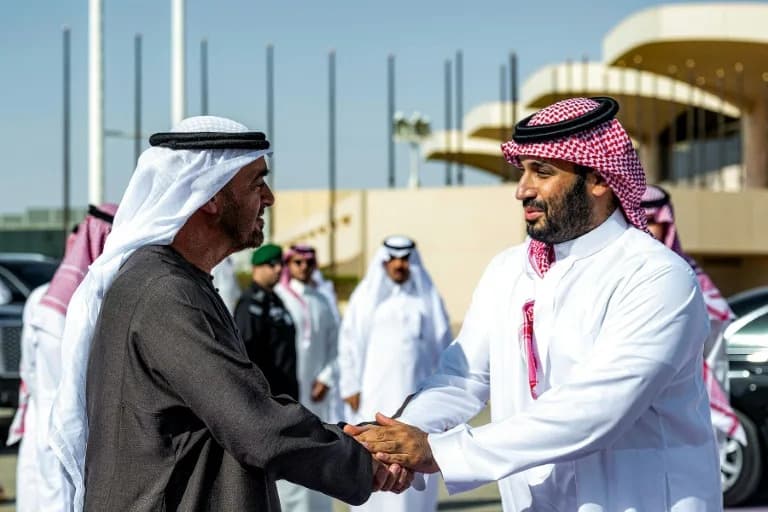
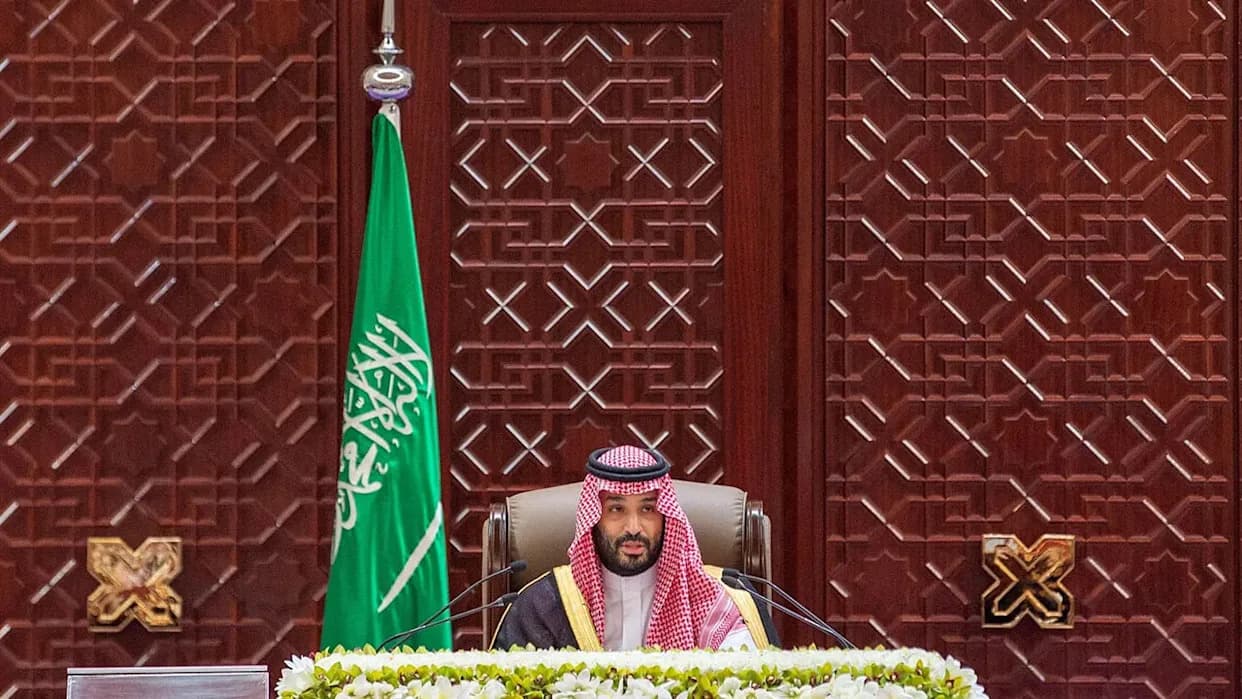
UAE President Sheikh Mohamed bin Zayed Al Nahyan (L) was considered a mentor to Saudi Crown Prince Mohammed bin Salman (R) (Abdulla AL-BEDWAWI)(Abdulla AL-BEDWAWI/UAE PRESIDENTIAL COURT/AFP)
A prolonged Saudi media campaign targeting the United Arab Emirates has intensified the Gulf's most serious dispute in years, raising concerns about economic and diplomatic fallout across the region.
Background
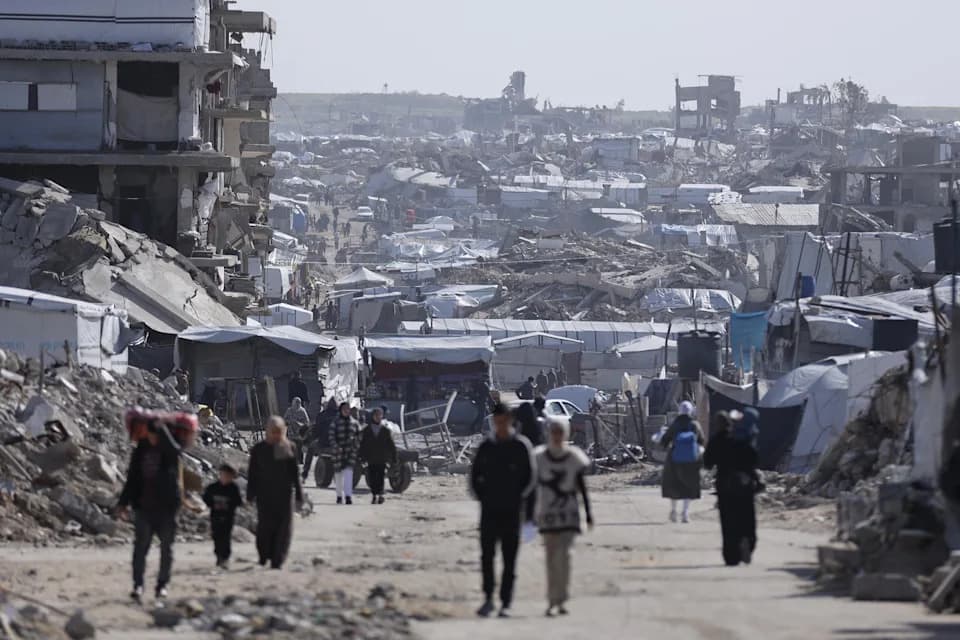
For weeks, state-run broadcasters and social media in Saudi Arabia have aired sharp allegations accusing the UAE of backing secessionist movements and "investing in chaos" across North Africa and the Middle East. The surge in rhetoric followed a brief conflict in Yemen, where Saudi air strikes halted an offensive by separatists whom Riyadh says were backed by Abu Dhabi.
What Was Said—and By Whom
Saudi state channel Al-Ekhbariya ran reports accusing the UAE of supporting secessionists from Libya to Yemen and the Horn of Africa. Commentators and analysts in Saudi media have described Abu Dhabi’s regional posture as increasingly confrontational and misaligned with Saudi strategic interests.
“The mudslinging on social media reminds many of us of the last Gulf rift... Now Riyadh is casting a very bright light on its problems with Abu Dhabi’s regional policies,” Gulf security analyst Anna Jacobs told AFP.
Abu Dhabi has mostly stayed muted in public. Emirati political scientist Abdulkhaleq Abdulla emphasized restraint, saying the UAE is "not in the habit of provoking our big brother," while defending Abu Dhabi’s expanding regional role.
Allegations And Denials
Saudi-backed Yemeni officials escorted international journalists to sites they described as "secret prisons" run by defeated UAE-backed separatists. The UAE denied the characterization, saying the facilities are military sites. These competing narratives have heightened distrust and drawn international scrutiny.
Regional Stakes And Diplomatic Moves
The rift comes despite historically close economic ties between the two states and previous personal rapport between leaders—Sheikh Mohamed bin Zayed of the UAE has been seen as a mentor to Saudi Crown Prince Mohammed bin Salman. Analysts warn Riyadh could impose "painful economic measures," though a total severing of ties appears unlikely for now.
Diplomatic manoeuvres continue: the UAE president met India’s prime minister to pursue a strategic defence partnership, while Riyadh has signed defence agreements with Pakistan and warmed ties with Qatar, including plans for a high-speed rail link. Somalia recently cancelled agreements with the UAE amid tensions over Abu Dhabi’s support for Somaliland, and Saudi Arabia has reportedly sought to deepen ties with Mogadishu.
Outlook
Experts, including Adam Baron of the New America think tank, describe the public attacks as "ferocious" but caution that the dispute signals both restraint and capacity for escalation. For now, the rhetoric has raised the risk of economic and diplomatic consequences in a region where stability is crucial to global energy and trade flows.
Reporting note: Many assertions in the dispute are contested by both sides; on-the-ground verification remains limited and international actors continue to monitor developments closely.
Help us improve.