
Saudi Arabia struck a UAE-bound shipment of combat vehicles at Mukalla port, escalating a rare public rift between Riyadh and Abu Dhabi in Yemen. The UAE announced a withdrawal while UAE-backed southern separatists (the STC) have pressed offensives that clashed with Saudi-aligned forces. Analysts warn the split strengthens the Iran-backed Houthis and risks a more volatile, fragmented Yemen with wider regional implications.
Saudi Arabia and the UAE Clash in Yemen: Shipment Strike Sparks Rare Rift and Raises Regional Stakes

A Yemeni man walks past buildings damaged or destroyed during the civil war, in Aden, Yemen, on October 26, 2024. - Amr Alfiky/Reuters
A decade after Riyadh and Abu Dhabi launched a joint campaign to curb Iran’s influence in Yemen, the two Gulf powers now face an unprecedented public confrontation inside the country. This week Saudi forces struck a UAE-bound shipment of combat vehicles at Mukalla port, a dramatic escalation that Riyadh said endangered its national security and that prompted Abu Dhabi to announce a withdrawal of its forces from Yemen.
Current Escalation
The strike and the rapid sequence of events that followed underline widening strategic differences between Saudi Arabia and the United Arab Emirates. UAE-backed southern separatists — organized under the Southern Transitional Council (STC) — have mounted offensives in recent weeks, seizing oil-producing provinces and clashing at times with forces aligned to Riyadh and the internationally recognized government. Saudi Arabia responded with naval deployments and airstrikes, and its proxy forces said they launched a ground operation described by their backers as "peaceful." The STC rejected that characterization and later announced plans for an independence referendum in two years.
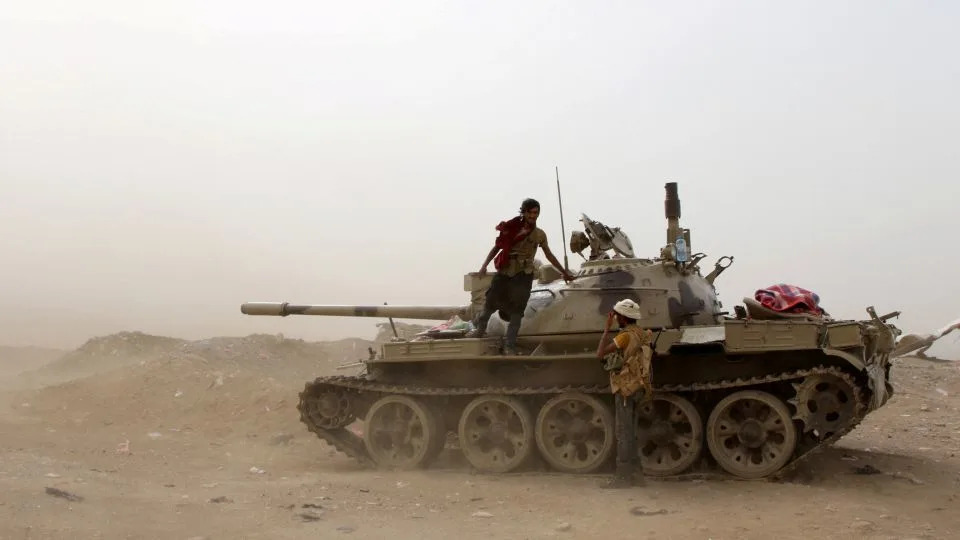
Members of UAE-backed southern Yemeni separatist forces stand by a tank during clashes with government forces in Aden, Yemen, on August 10, 2019. - Fawaz Salman/Reuters
Key Actors
The Houthis (Ansar Allah) are a Shiite movement that captured the capital Sana’a in 2014. Backed by Iranian arms and support, they control large parts of northern Yemen, border areas with Saudi Arabia and key Red Sea coastline. They have launched missiles and drones at Saudi territory and beyond.
The Presidential Leadership Council (PLC) was formed in 2022 with Saudi backing to unite anti-Houthi forces. It represents the internationally recognized government but presides over a fragmented coalition of military remnants, tribal fighters and Islamist groups.
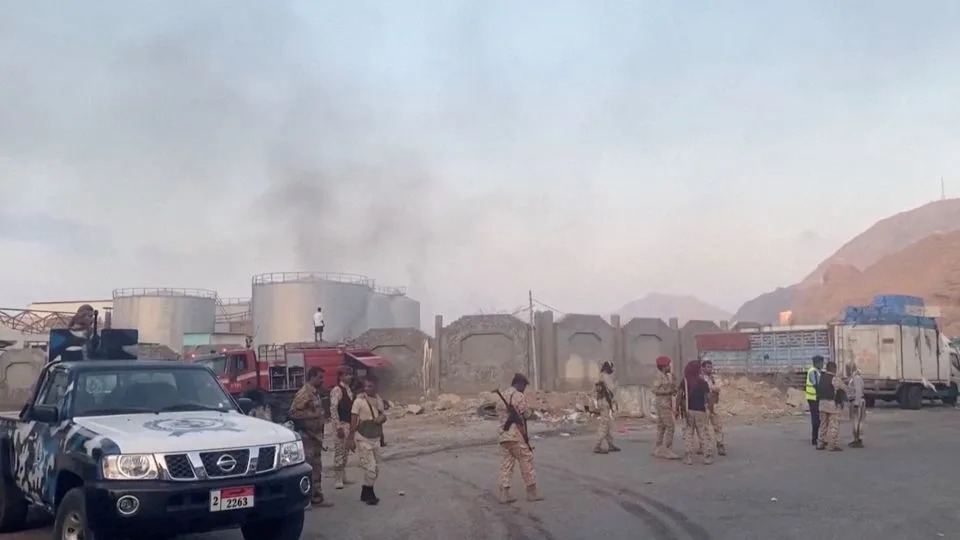
Smoke rises in the aftermath of a Saudi-led coalition airstrike, which targeted what it described as foreign military support to UAE-backed southern separatists, in Yemen's southern port of Mukalla, on December 30, 2025. - Sabaa TV/Reuters
The Southern Transitional Council (STC) is a UAE-backed separatist movement advocating restoration of an independent South Yemen. Formed in 2017, STC-aligned militias have been central to recent fighting and advances in oil-rich provinces.
Why This Matters
The split marks a turning point: two regional powers that once coordinated a coalition against the Houthis are increasingly at odds over Yemen’s political future. The divergence — Abu Dhabi’s support for a semi-autonomous or independent south versus Riyadh’s preference for a unified buffer state — risks deepening fragmentation, empowering the Houthis, and widening the conflict into a North-South confrontation with regional spillover.
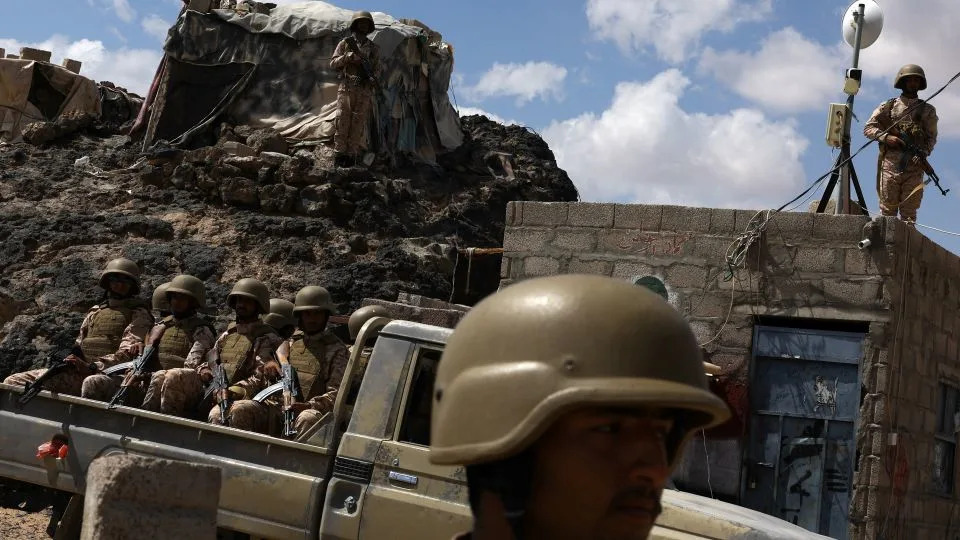
Yemeni soldiers stand guard at a military camp near the frontline with Houthis, in Marib, Yemen, on November 6, 2024. - Amr Alfiky/Reuters
“These actions mark a critical turning point, signaling a volatile and dangerous phase in Yemen’s fractured alliances,” said Farea Al-Muslimi, a research fellow at Chatham House.
Historical Context
Yemen’s divisions trace back decades: North Yemen emerged from Ottoman rule after World War I, the south left British rule in 1967, and the two states unified in 1990. A brief civil war in 1994 left southern grievances unresolved and has continued to shape separatist sentiment. Repeated interventions and proxy competition have left Yemen impoverished, politically unstable, and strategically contested along vital maritime routes.
Outlook
The immediate risk is further escalation between Saudi- and UAE-aligned forces and an expanded humanitarian toll. Strategically, analysts warn the rift could strengthen the Houthis’ position by dividing their opponents and complicating efforts for a negotiated settlement. How Western and regional partners respond will influence whether the crisis intensifies or de-escalates.
What To Watch Next: movements of Saudi naval assets, STC ground operations and any further UAE military or diplomatic responses, Houthi attacks on regional targets, and diplomatic engagement by external powers aimed at cooling tensions.
Help us improve.


