Gladys West, a mathematician whose satellite-data analysis and algorithms helped establish the foundations of modern GPS, died on Jan. 20 at age 95. Hired by the U.S. Navy in 1956 at the Naval Proving Ground in Dahlgren, Virginia, she was among the earliest African American employees there and led work on the Seasat ocean-sensing satellite. West published research throughout her career, retired in 1998 and was inducted into the U.S. Air Force Hall of Fame in 2018. She is often celebrated as one of history’s "hidden figures."
Gladys West, Mathematician Who Shaped Modern GPS, Dies at 95

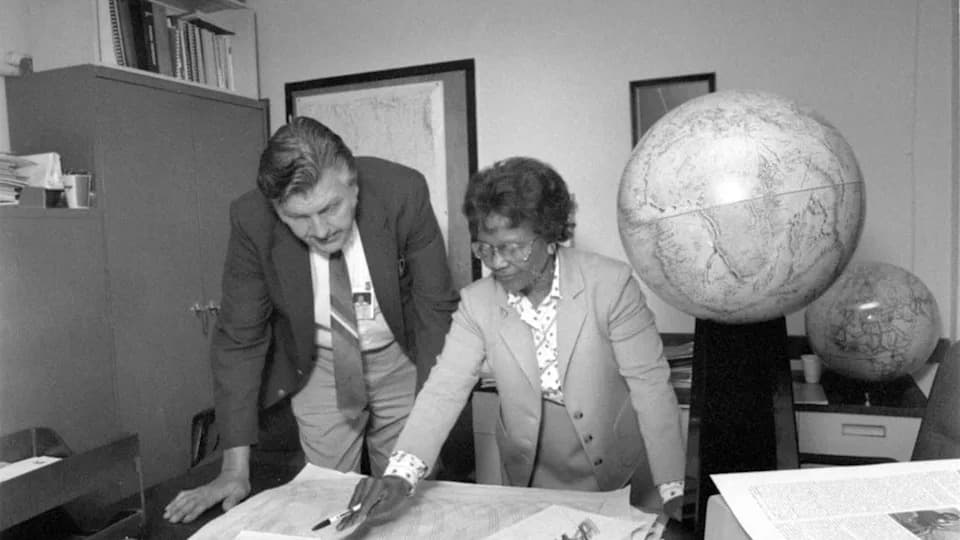
IanDagnall Computing / Alamy Stock PhotoGladys West.
Gladys West, the pioneering mathematician whose calculations and algorithms were essential to the development of the modern Global Positioning System (GPS), died on Jan. 20 at the age of 95. Dinwiddie County, Virginia — her birthplace and longtime home — announced her passing and paid tribute to her decades of service to mathematics, computing and satellite science.
"Dr. Gladys West’s life is a powerful reminder that talent, perseverance, and education can transcend circumstances and inspire generations," Dinwiddie County said in a statement.
Born Gladys Mae Brown in Dinwiddie County, West graduated at the top of her high school class and earned a bachelor's degree in mathematics before working as a public school teacher. She completed a master’s degree in 1955 and the following year joined the U.S. Navy workforce at the Naval Proving Ground in Dahlgren, Virginia, where she applied her mathematical expertise to early computer programming and data analysis.
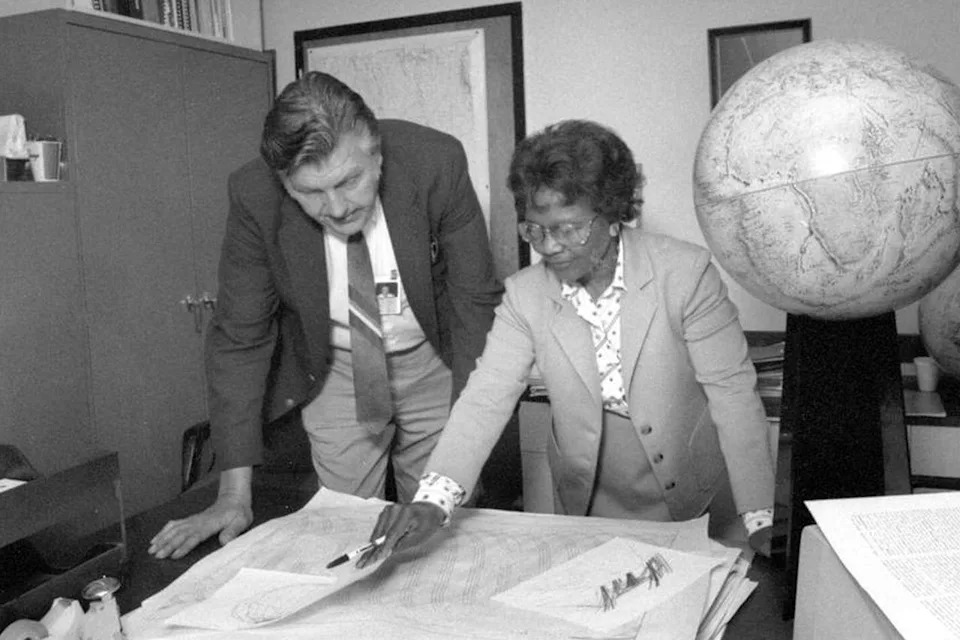
FM Archive / Alamy Stock PhotoFrom left: Sam Smith and Gladys West.
At Dahlgren, West was a trailblazer: she was among the first African American employees at the facility and only the second African American woman hired there. Her colleagues respected her wide-ranging technical skills and judgment, which led her to lead and contribute to several groundbreaking projects over a career that spanned decades.
Contributions to GPS and Satellite Science
West's most widely recognized work involved compiling satellite observations and developing algorithms to compute precise surface elevations while accounting for irregularities in the Earth's shape. Those calculations became foundational elements of the modern GPS, enabling far more accurate positioning and navigation.
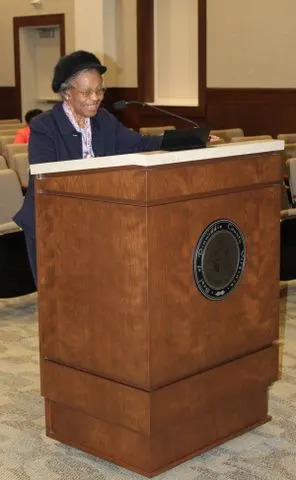
Dinwiddie County, VA/FacebookGladys West.
She also led work on the Seasat project — the first satellite designed to remotely sense Earth's oceans — and in the early 1960s contributed to a study that clarified Pluto's motion relative to Neptune. Throughout her career West published scientific papers and presented at major conferences.
Honors and Legacy
West retired in 1998. In recognition of her achievements, she was inducted into the United States Air Force Hall of Fame in 2018. Historians and reference sources often describe her as one of history's "hidden figures," a group of Black women whose scientific contributions were underappreciated in their time.
Author Marvin Jackson, who wrote the biography It Began With a Dream, praised West on LinkedIn as a humble scholar and close friend, urging readers to learn about her remarkable life and legacy.
Gladys West's work helped power technologies used by billions worldwide — from navigation and mapping to scientific remote sensing — securing her place as a key figure in 20th-century computational and space science.
Help us improve.