On Aug. 8, 1973, 17-year-old Elmer Henley fatally shot Dean Corll as Corll prepared to kill two youths, halting what investigators later identified as a decades-long killing spree. Henley later admitted he had lured many boys to Corll, participated in some tortures and helped dispose of victims’ bodies at multiple burial sites around Houston. Henley was convicted for six murders, served over 50 years, and at 69 is seeking parole after a recent denial.
At 17 He Stopped the 'Candy Man': How Elmer Henley Ended Dean Corll’s Killing Spree — Then Admitted His Role
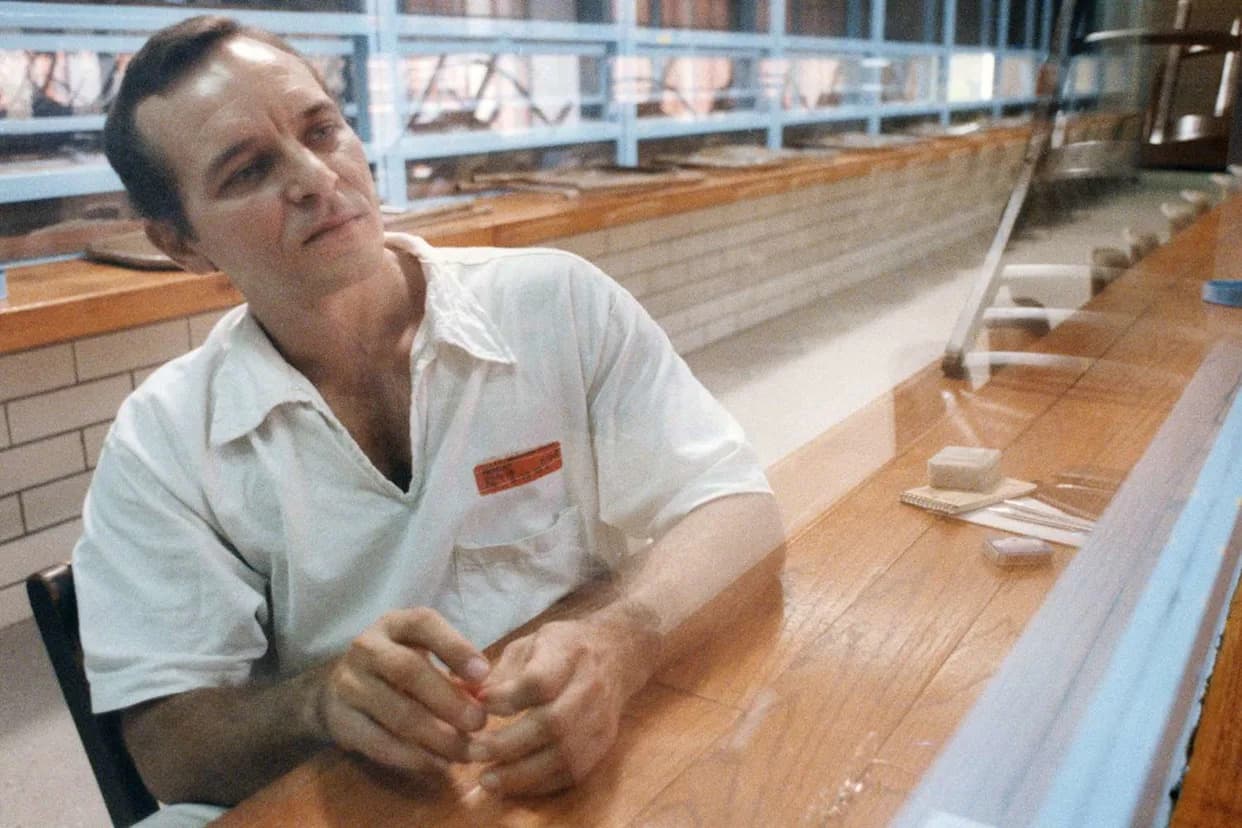
King Chou Wong/Houston Chronicle via GettyElmer Wayne Henley in 1993
On Aug. 8, 1973, 17-year-old Elmer Wayne Henley shot and killed 33-year-old Dean Corll in Corll’s Houston-area home. Corll — later nicknamed the “Candy Man” because his mother owned a candy store — was revealed to have sexually assaulted, tortured and murdered dozens of teenage boys in the area.
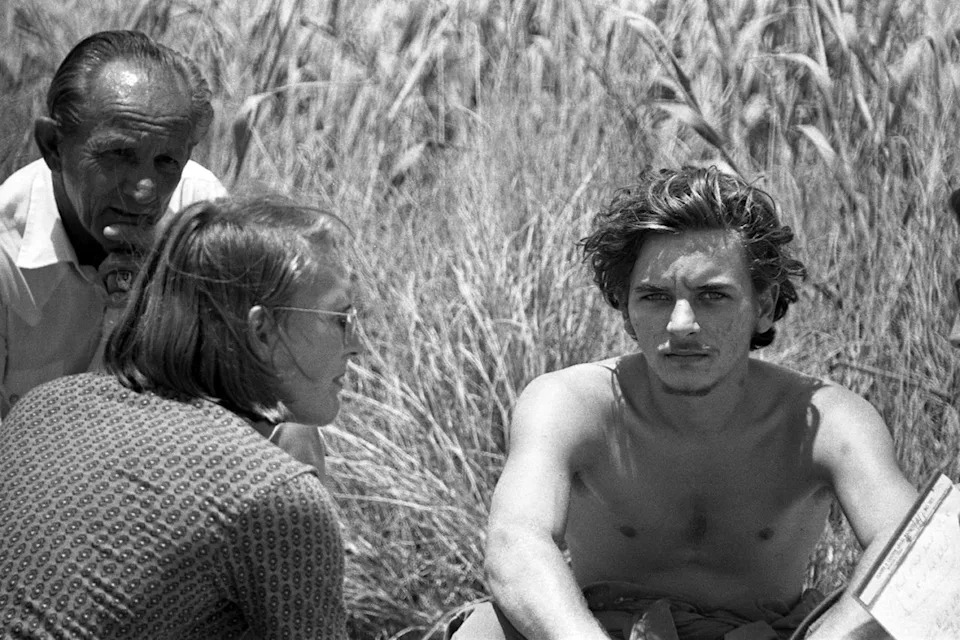
gettyElmer Wayne Henley (right) with David Brooks (right) on Aug. 10, 1973 helping police locate bodies
The Night the Killing Stopped
Henley intervened as Corll was preparing to kill two youths who had been brought to the house the night before. According to Henley’s pretrial testimony, 20-year-old Timothy Cordell Kerley and 15-year-old Rhonda Louise Williams arrived around 3 a.m., passed out, and later awoke bound and gagged. Corll tied them to a makeshift torture board and began assaulting Kerley while ordering Henley to remove Williams’ clothing. Henley says he grabbed Corll’s handgun and fired until the weapon was empty, stopping an imminent double murder.
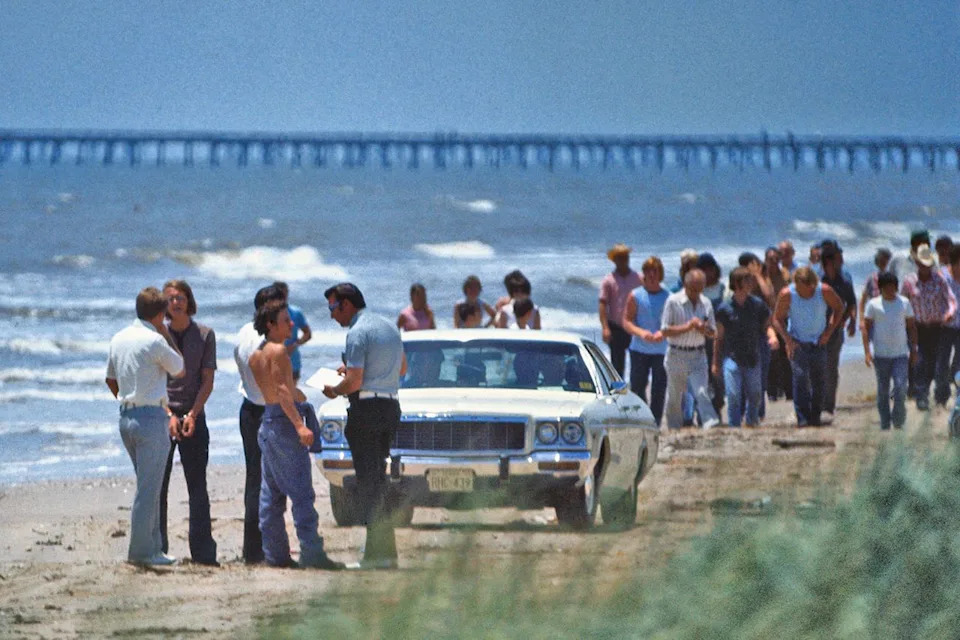
gettyHenley (shirtless) helped police find 25 of the vicitims' bodies
Confession and Investigation
Police arrived shortly after the shooting. Investigators initially considered releasing Henley on the grounds that he had acted in self-defense and had saved the two would-be victims. During questioning, however, Henley confessed that he had been an accomplice to Corll — admitting that he had lured boys to Corll’s house, taken part in some torture sessions and helped dispose of victims’ bodies.
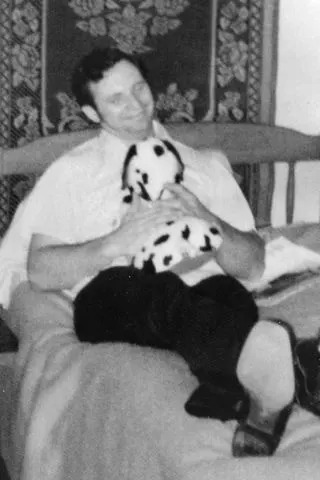
Houston Chronicle via GettyDean Corll, posthumously known as the "Candy Man," murdered at least 29 boys
Henley said he had been drawn into Corll’s circle by David Brooks, a youth who had known Corll since childhood. Henley initially burglarized houses for Corll and later said Corll offered him money — reportedly $200 per boy — to bring young men to the house.
Burials and Victim Count
Using information Henley provided, police located multiple burial sites. They discovered 17 bodies in a boat shed, two in a nearby lake and six on a beach — totaling 25 at that time — and additional remains were found around Houston in the following years. Investigators have attributed at least 29 victims to Corll, and some estimates put the total higher.
Trial, Sentence And Parole Efforts
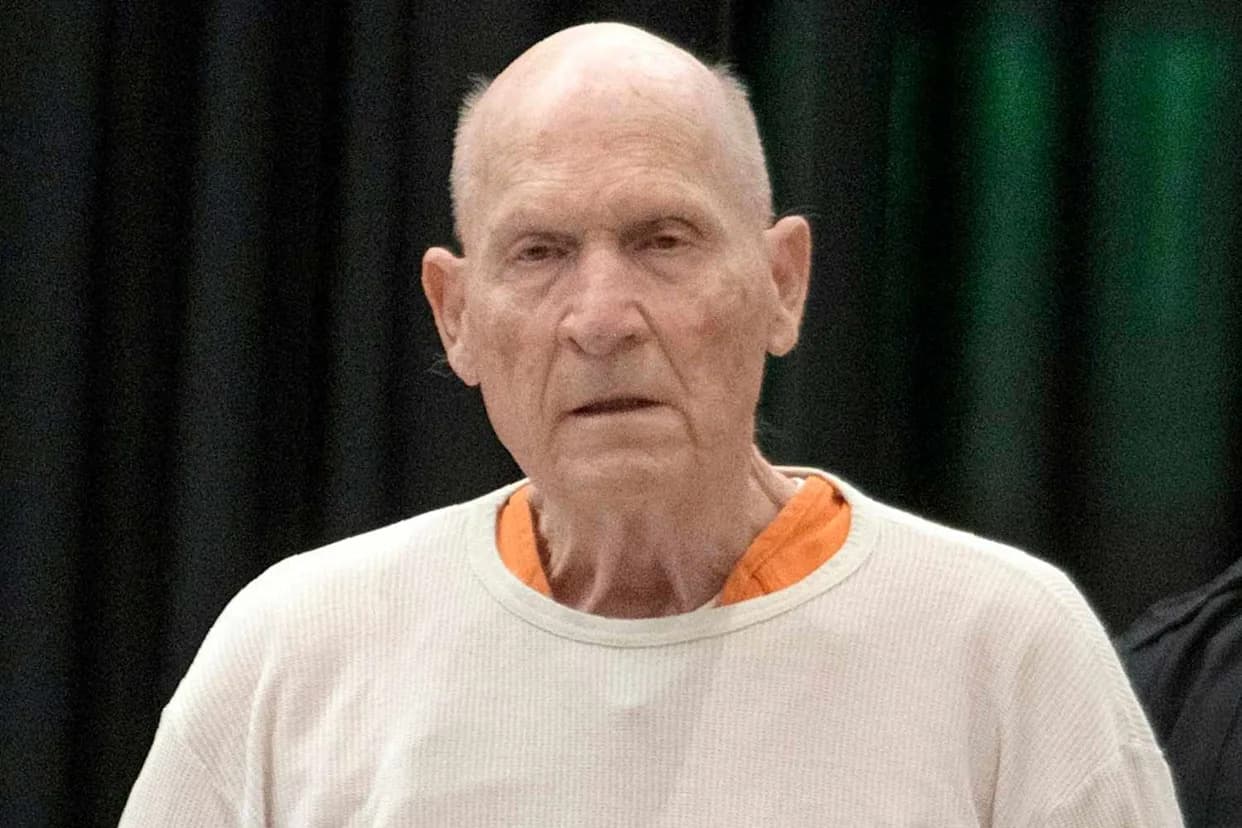
Henley was charged and convicted for the murders of six boys he had helped lure to Corll. After a successful appeal, he was retried, again found guilty and sentenced to life in prison. In interviews, Henley has at times professed limited remorse — a stance reflected in a widely quoted Texas Monthly interview in which he said, "I feel remorse because I'm supposed to... But as far as any emotion to it, there's no heartfelt emotion." He is now 69 and, after more than 50 years behind bars, has sought parole; his most recent bid was denied in November, and he has vowed to try again.
Legacy
Dean Corll’s crimes represented one of the most prolific serial-killer sprees in U.S. history at the time. The case has had lasting impact on victims’ families, investigators and the broader criminal-justice context; later killers, including John Wayne Gacy, cited Corll as an influence.
Note: This article preserves verified factual details about the crimes, trial outcomes and known burial sites. Dates, ages and reported numbers reflect public records and widely cited reporting.
Help us improve.