The University of Maryland has posted a one-credit spring 2026 seminar, "Decolonizing Medicine: Steps to Actionable Change," which says it will "critically engage with the concept of 'the White body' as the standard in medical training." The syllabus lists modules on colonial medicine, indigenous knowledge, structural violence and intersectionality and cites readings such as Medical Apartheid. Critics including Reagan Dugan and Dr. Kurt Miceli say the student-facilitated course risks injecting identity politics into medical training and undermining evidence-based instruction. The university was contacted for comment as the course fuels wider debates over DEI and curricular reform in higher education.
University Of Maryland's 'Decolonizing Medicine' Course Sparks Debate Over 'White Body' Framing
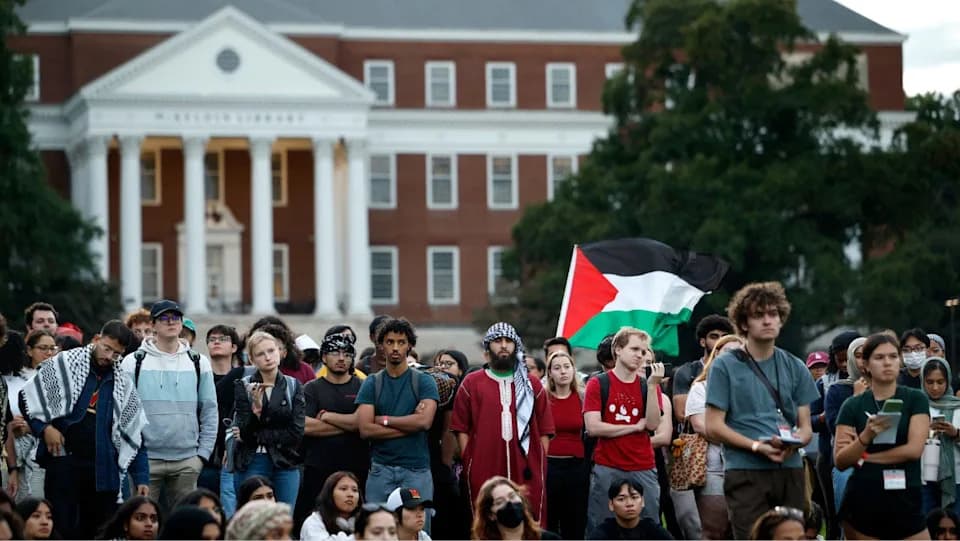
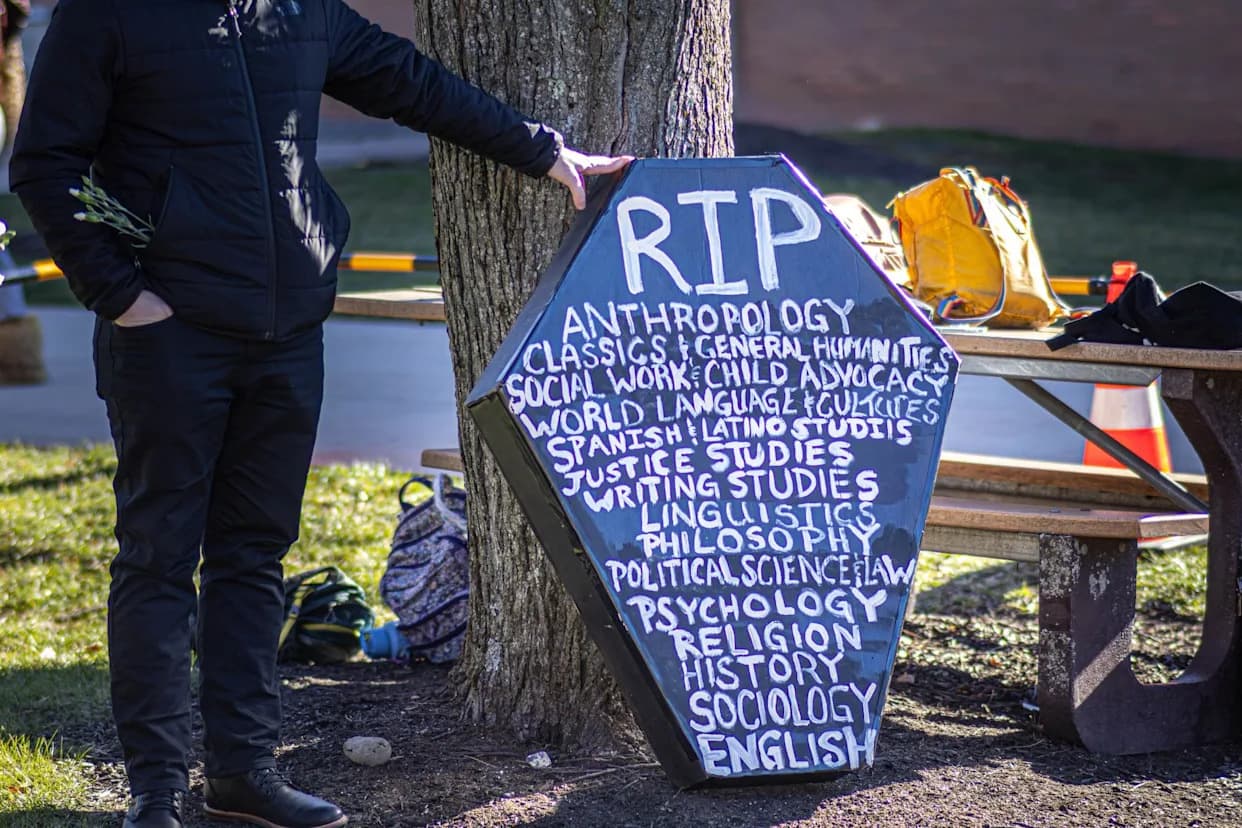
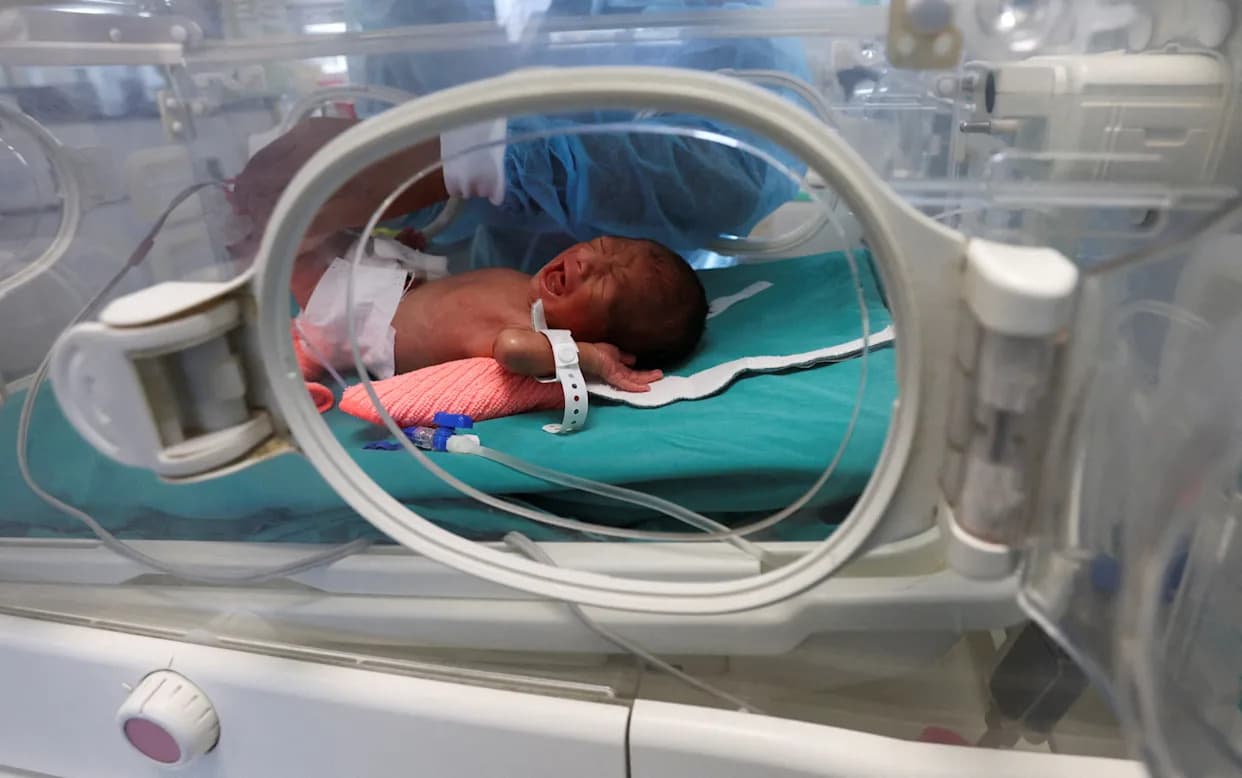
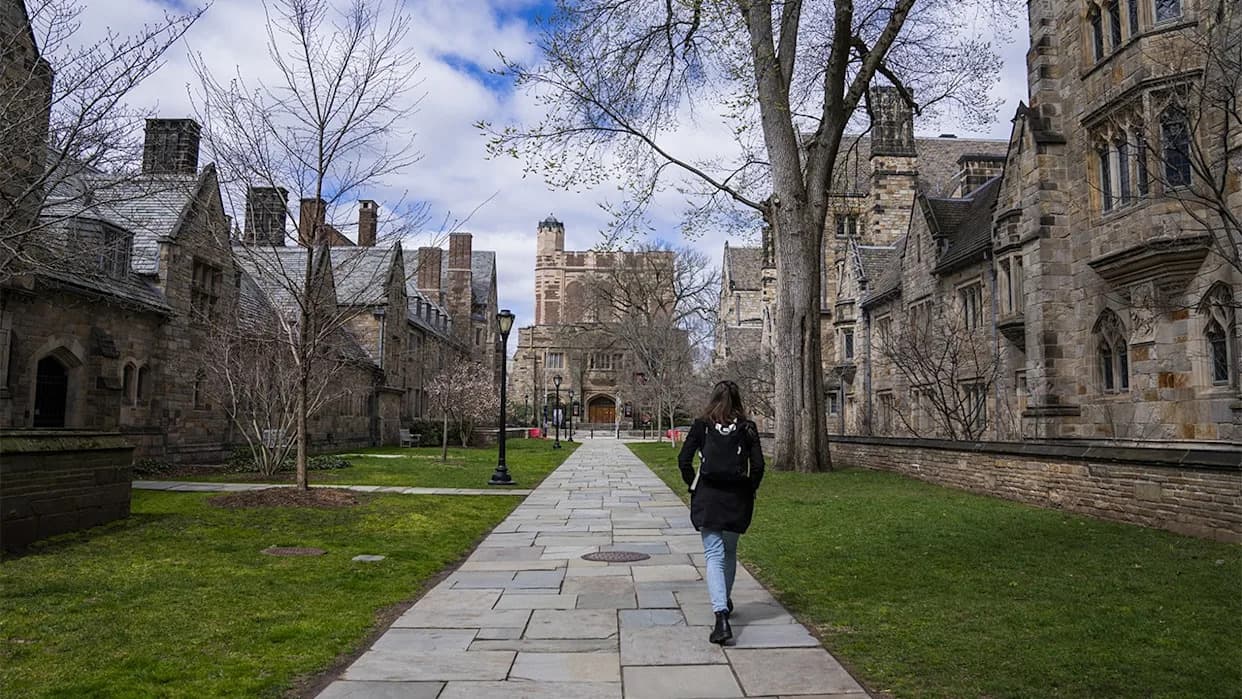
Attendees listen as the names of Palestinian infants killed in the war in Gaza are read aloud during a vigil organized by the Students for Justice in Palestine along McKeldin Mall in the heart of the University of Maryland campus.(Getty Images)
The University of Maryland has listed a spring 2026 seminar titled "Decolonizing Medicine: Steps to Actionable Change", prompting debate about the role of social justice frameworks in medical education. The one-credit course examines how colonial histories and power dynamics shape global health systems and medical practice, and it explicitly proposes to "critically engage with the concept of 'the White body' as the standard in medical training."
Course Details
According to the syllabus, weekly topics include Medicine as a Colonial Project, Indigenous Medicine and Knowledge Systems, Structural Violence in Public Health, and Intersectionality as a Decolonial Tool in Modern Medicine. Assigned readings listed in the syllabus include works such as Medical Apartheid and The Killing of the Black Body, along with scholarship from critical race theory and related fields. The seminar is described as geared toward students interested in careers in medicine, public health, or health policy.
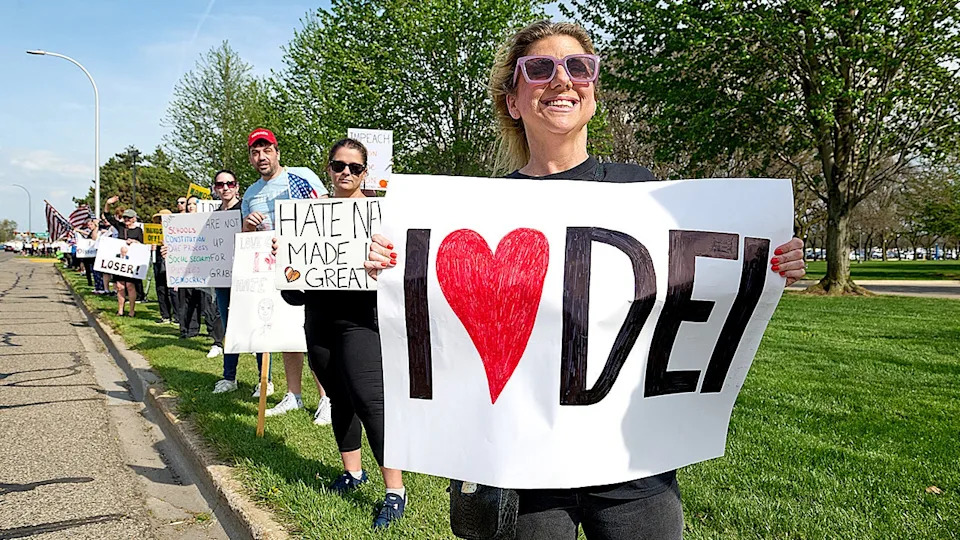
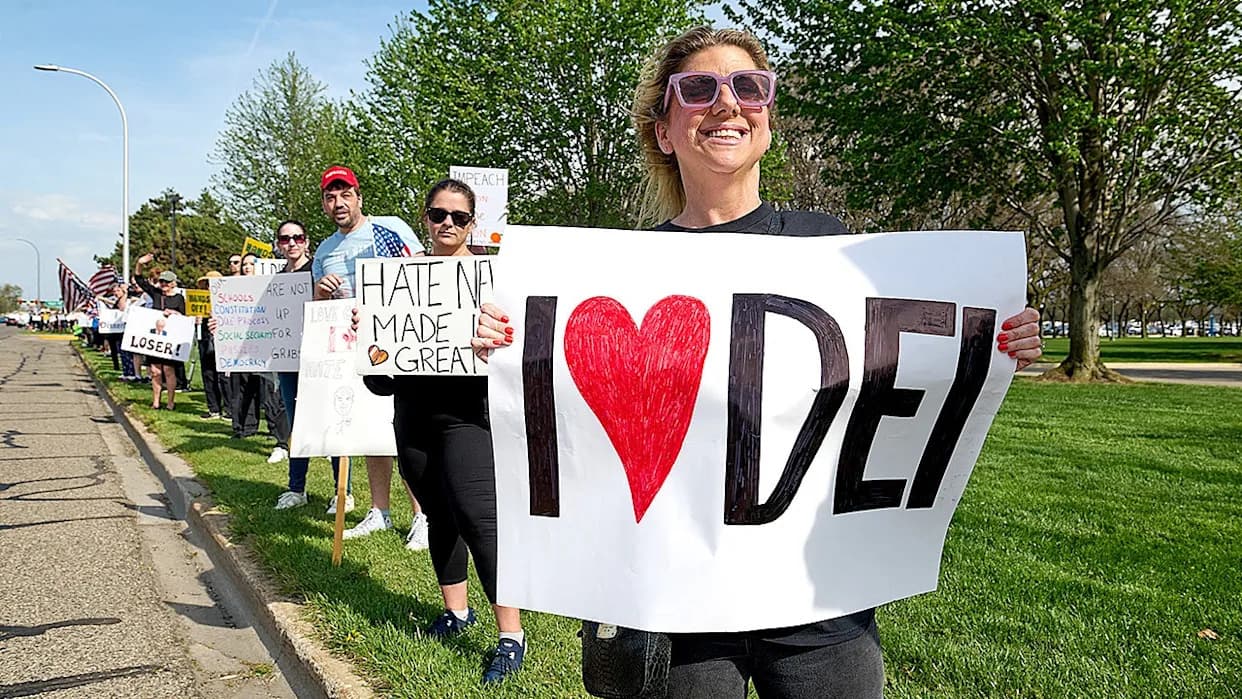
Hundreds protest outside a rally held by President Donald Trump at Macomb County Community College in Warren, Michigan, on April 29, 2025.
Format And Classroom Practices
The syllabus indicates the class will be student-facilitated rather than led by an identified faculty instructor. It also encourages participants to share preferred pronouns and self-identified aspects of identity during discussions, and frames the course as an opportunity to rethink ethical and epistemological foundations of modern healthcare.
Criticism And Responses
"Coursework that frames medicine as problematic because of its 'colonial legacy' is both historically and scientifically unfounded," said Reagan Dugan, director of higher education initiatives at Defending Education, to Fox News Digital. Dugan called the offering "predictable" but "troubling," arguing it risks inserting critical theory into clinical training.
Dr. Kurt Miceli, medical director at Do No Harm, warned such courses "shift attention from evidence-based reasoning to ideological framing," and suggested that if patients perceive care as filtered through a political lens, trust in the profession could be undermined.
Fox News Digital reported the syllabus and reached out to the University of Maryland for comment. The story is presented alongside broader coverage of debates over how universities incorporate diversity, equity, and inclusion (DEI) and critical race theory into curricula and accreditation processes.
Context
Supporters of decolonizing approaches argue they help future clinicians recognize historical inequities, improve cultural competence, and address persistent disparities in health outcomes. Critics counter that medical education should prioritize biomedical training and evidence-based practice, warning against approaches they see as politicizing clinical care. The Maryland seminar has become a focal point in that broader conversation.
Help us improve.