Chinese conservators have completed a four-year project to preserve and fully reconstruct the only known Tang Dynasty 'golden armour,' unearthed in fragments at a Xuewei tomb in Qinghai. The gilded bronze suit—first discovered in 2018—was fragile and incomplete, so teams combined layered physical conservation with 3D scanning, microscopy and VR/AR modeling. The project also restored a lacquered horse armour and a large bronze cauldron, and highlights digital methods' growing role in heritage preservation and museum interpretation.
Recreating History: Tang Dynasty 'Golden Armour' Rebuilt in Full After 1,200 Years
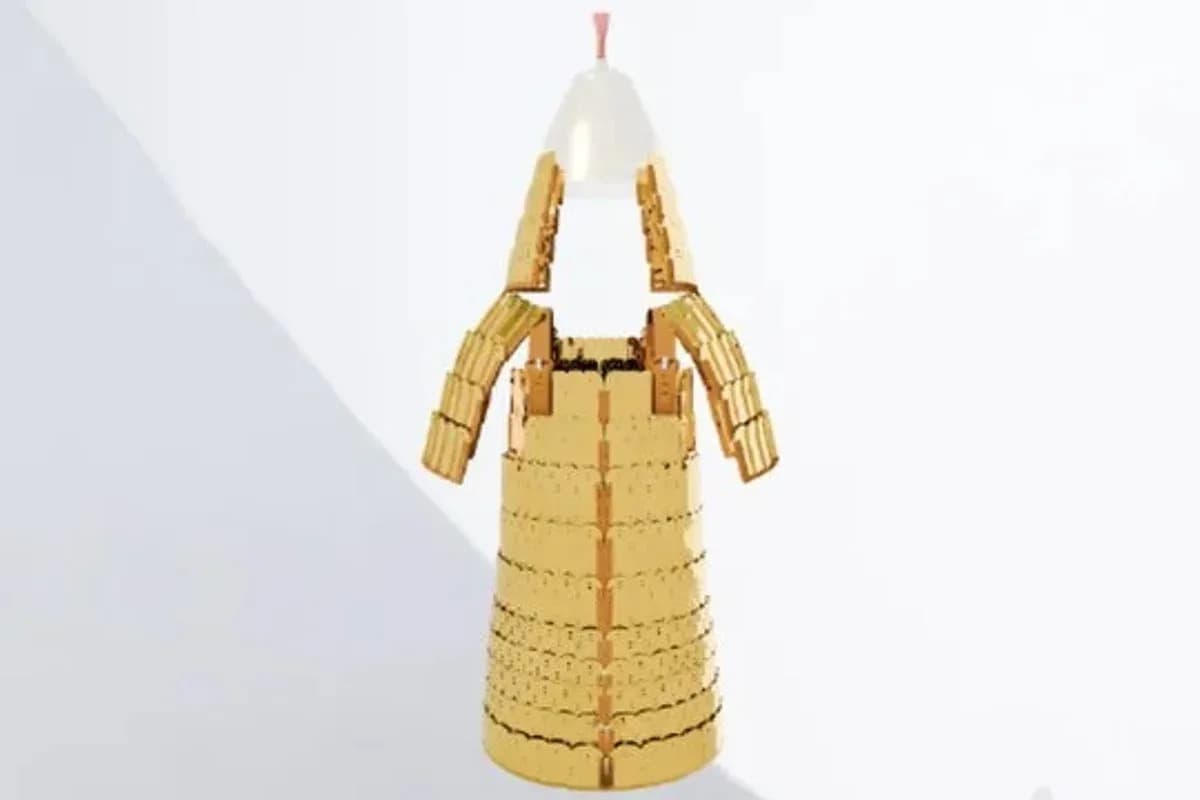
Legendary golden armour worn by Chinese soldiers 1,200 years ago reconstructed in full for first time
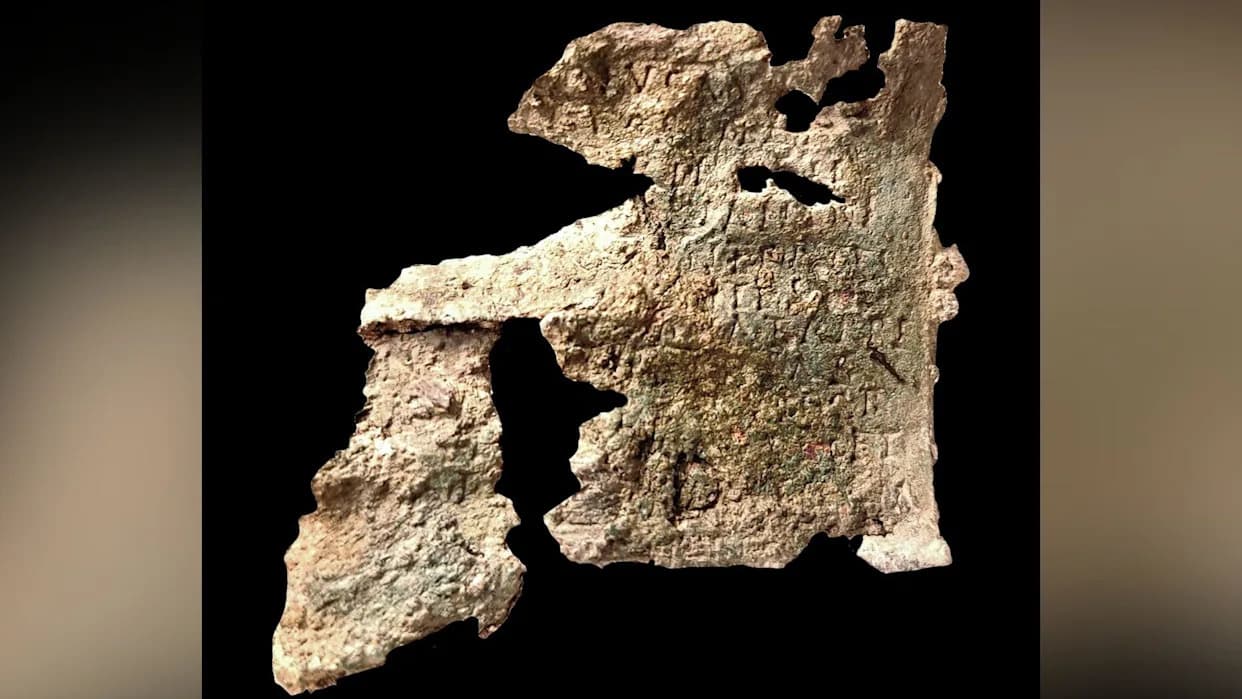
Chinese archaeologists have completed the preservation and the first full reconstruction of the only known 'golden armour' believed to have been worn by soldiers of the Tang Dynasty about 1,200 years ago, the Chinese Academy of Social Sciences reported. The gilded bronze suit was excavated in fragments from a Xuewei-site tomb in Qinghai province and required nearly four years of meticulous conservation work.
Discovery and Significance
The fragments, first uncovered in 2018, confirmed a long-held literary reference: the evocative 'golden armour' known previously only from Tang poetry. The Tang period (618–907 AD) is widely regarded as a high point in Chinese political, military and cultural achievement, making this reconstruction an important material link to that era.
Challenges and Methods
Many plates were corroded, incomplete or fragile, posing major technical and interpretive challenges. Conservators adopted a strategy of 'disassembling the whole into parts and reassembling the parts into a whole,' performing layered cleaning, careful extraction and protective treatments while cataloguing each plate to preserve context and provenance.
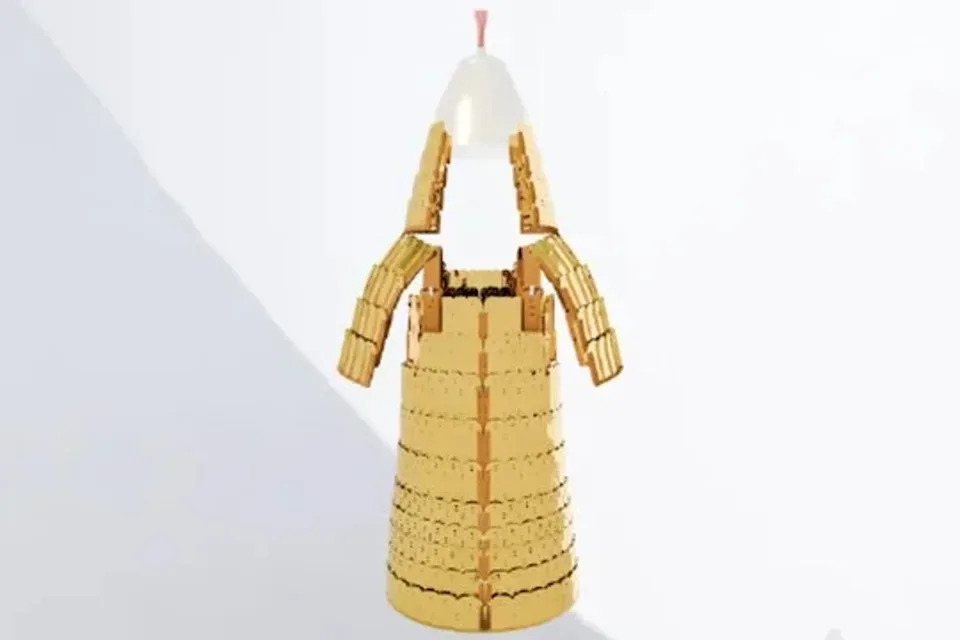
Tang Dynasty ‘gold armour’ (CASS)
Digital and Scientific Tools
Advanced 3D scanning and microscopy were used to map, document and digitally model each fragment. Virtual and augmented reality tools supported reconstruction by allowing researchers to test fits and visualize missing areas before physical assembly. These approaches reduced risk to the original fragments and improved accuracy in restoration.
'These technologies have provided solutions to the challenges of artefact degradation, allowing for more accurate restoration, interactive displays and global accessibility to cultural heritage,' the conservation study explained.
Other Restorations and Museum Potential
The project also restored a lacquered horse armour with gold-edged decoration and a large bronze cauldron recovered from the same tomb complex. Researchers emphasized that VR offers immersive, 360-degree experiences of Tang military contexts, while AR can enhance physical museum displays by overlaying historical data and visual reconstructions.
Outcome: The reconstruction represents both a technical conservation achievement and a richer, more tangible connection to Tang military material culture—now accessible for research, exhibition and public engagement.
Help us improve.