Bishop Rob Hirschfeld of the Episcopal Church in New Hampshire told clergy to finalize wills and prepare for what he described as a "new era of martyrdom" after Renee Good was shot and killed by an ICE officer on Jan. 7. The Trump administration says Good tried to ram an agent, but local officials and others cite video that they say contradicts that account. Religious leaders called for nonviolent resistance and protection for immigrants while critics condemned ICE tactics and demanded accountability. A federal judge has also placed limits on ICE activity amid ongoing Minneapolis-area protests.
Episcopal Bishop Urges Clergy To Put Affairs In Order, Warns Of A 'New Era Of Martyrdom' After ICE Shooting
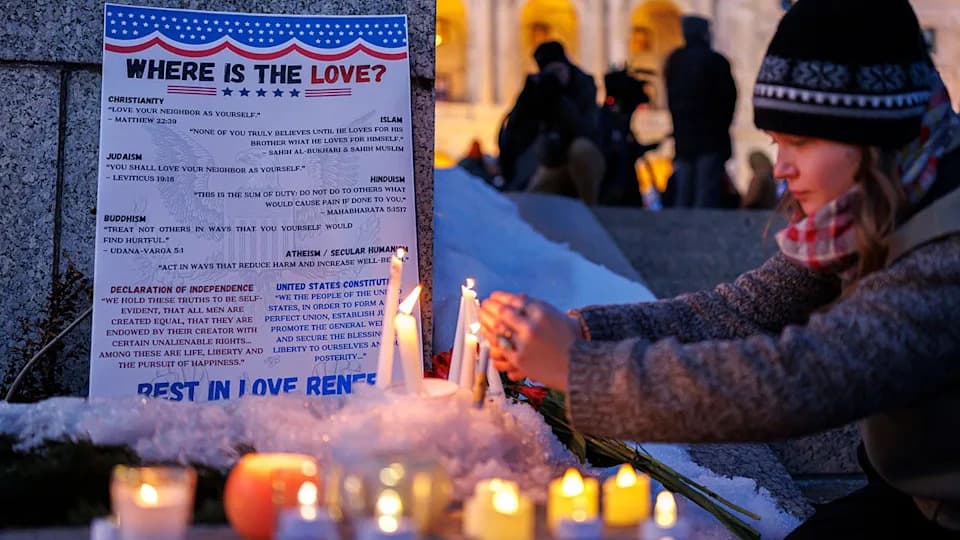
Candles burn around a poem written by Renee Good during a vigil honoring her on Friday, Jan. 9, 2026, in St. Paul, Minn., outside the Minnesota State Capitol.(AP Images)
Bishop Rob Hirschfeld of the Episcopal Church in New Hampshire has urged his clergy to finalize wills and settle their affairs as they prepare for what he described as a "new era of martyrdom" following the fatal shooting of Renee Good by a federal immigration officer.
Incident and Immediate Reactions
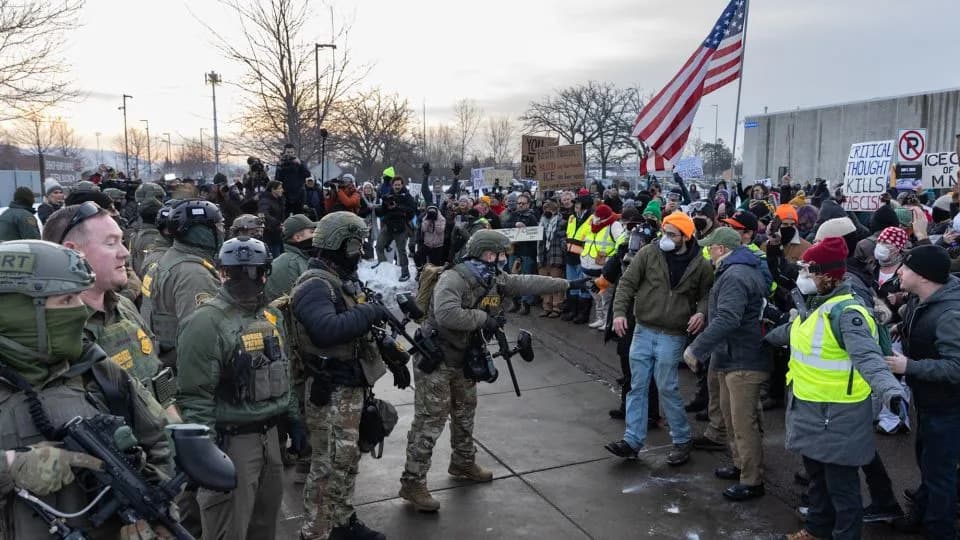
Good was shot and killed on Jan. 7 while seated in her vehicle by an officer from U.S. Immigration and Customs Enforcement (ICE) during protests and enforcement operations in the Minneapolis area. The Trump administration has said Good attempted to ram an ICE agent; local officials, many Democrats and eyewitnesses have questioned that account and pointed to video footage that they say raises doubts about the official narrative.
Clergy Response and Call to Action
Speaking at a vigil for Good earlier this month, Bishop Hirschfeld said clergy should be prepared to stand with the vulnerable, even if that requires putting their bodies on the line. He told diocesan clergy, "And I’ve asked them to get their affairs in order, to make sure they have their wills written, because it may be that now is no longer the time for statements, but for us with our bodies, to stand between the powers of this world and the most vulnerable."
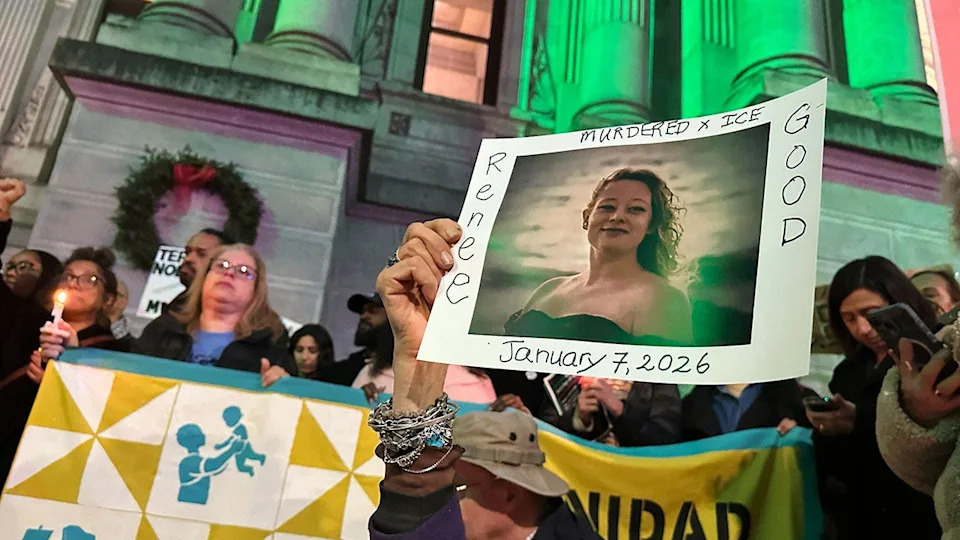
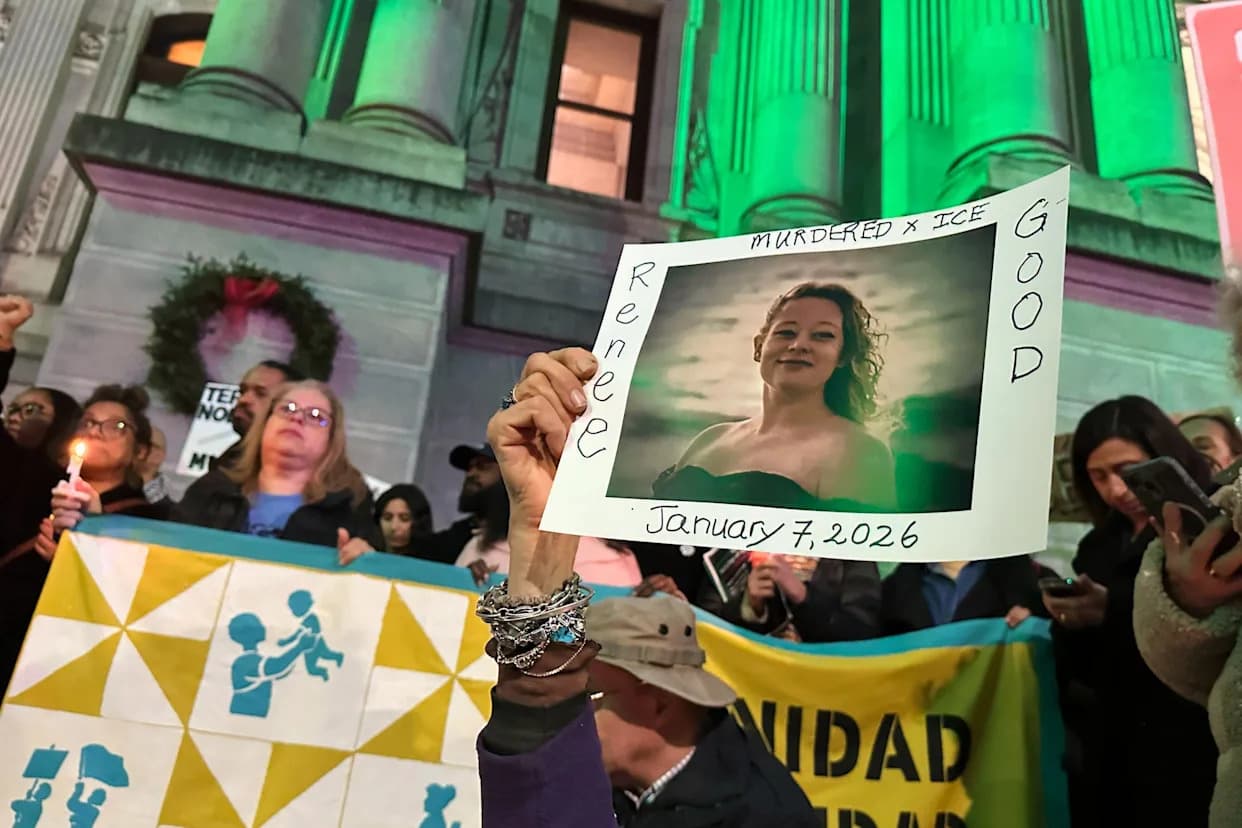
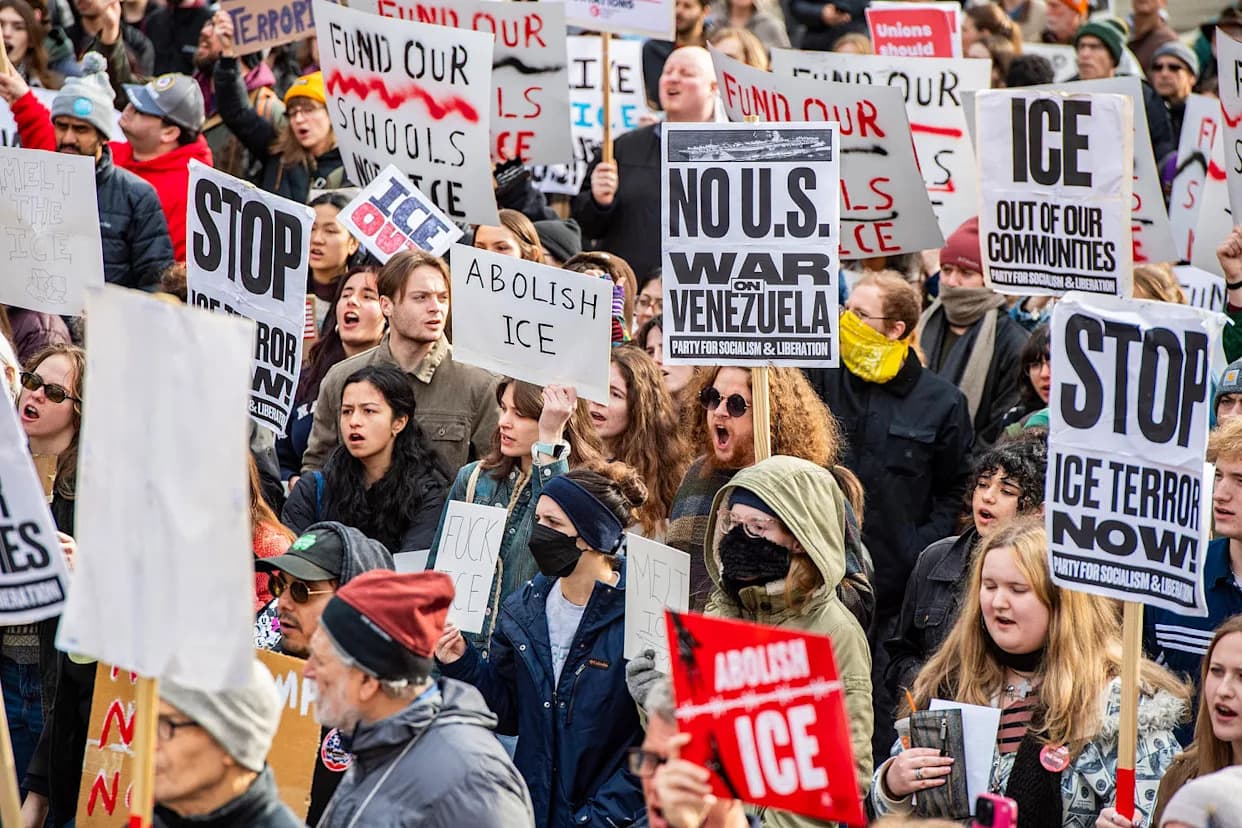
People gather at an anti-immigration enforcement rally and vigil for Renee Good, a Minneapolis woman who was shot and killed by an Immigration and Customs Enforcement officer in Minnesota, Thursday, Jan. 8, 2026, in Philadelphia.
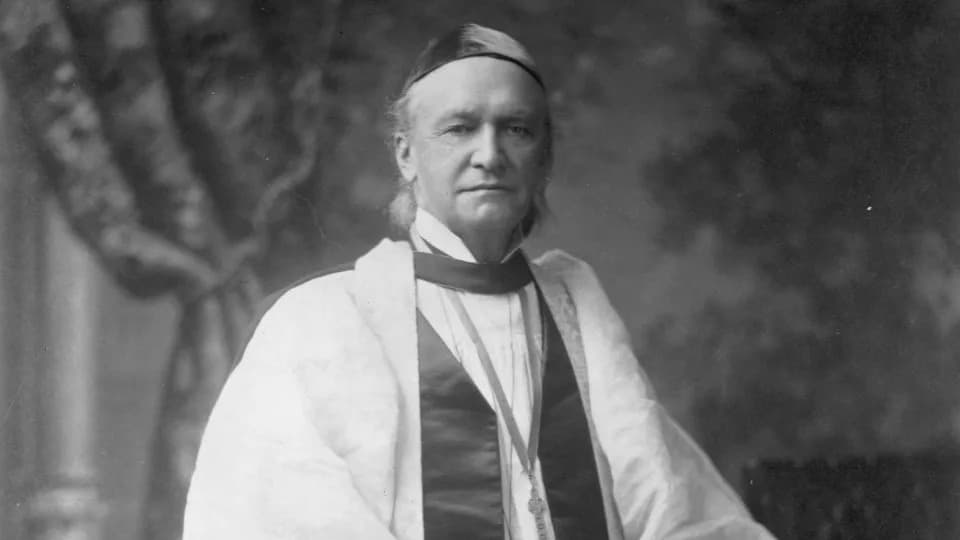
Hirschfeld invoked historical examples of religious witness, citing Jonathan Daniels, a New Hampshire seminary student who was killed in 1965 while shielding a young Black civil-rights activist.
Broader Religious And Political Reactions
Other church leaders echoed calls to protect immigrants and pursue nonviolent resistance. Presiding Bishop Sean W. Rowe said church communities must "keep resisting, advocating, bearing witness and repairing the breach," and continue sheltering and caring for immigrants and refugees. In Minnesota, the Rt. Rev. Craig Loya urged congregations not to "meet hatred with hatred," saying, "We are going to disrupt with Jesus’ hope. We are going to agitate with Jesus’ love."
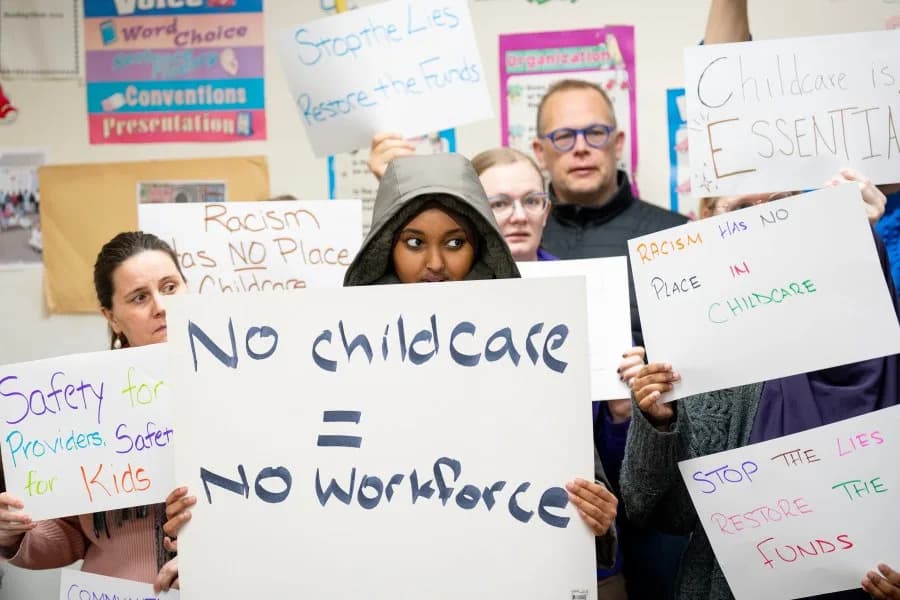
At a gathering outside the White House two days after the shooting, the Rev. Michael Neuroth of the United Church of Christ criticized ICE and the administration's policies, warning that labeling protesters as "terrorists" could open the door to more violence. United Methodist minister Rev. Dana Neuhauser, speaking at a memorial near the site of the shooting, said, "We're gathered because somebody was murdered by agents of the government," and described continued community efforts to support those affected by detentions and separations.
Legal And Community Context
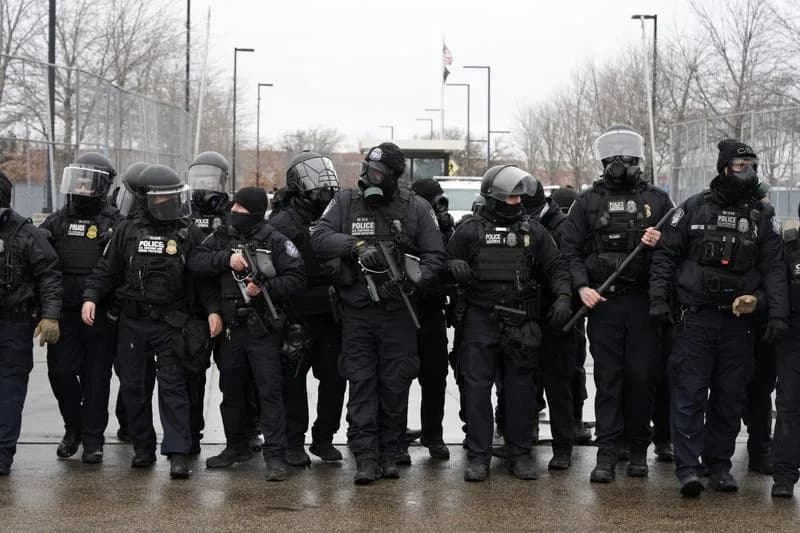
The shooting occurred amid wider protests in the Minneapolis area that prompted a federal judge to impose limits on how ICE agents operate there. Supporters of the ICE operations maintain that officers faced attempts to impede or endanger them; critics argue the use of lethal force was unjustified and demand independent investigations and accountability.
The incident has sharpened debates around immigration enforcement, public protest, and the role of religious communities in protecting vulnerable people. The Associated Press contributed to this report.
Help us improve.