The historic Beth Israel Congregation in Jackson, Mississippi, was heavily damaged in an alleged arson that coated the synagogue in soot and destroyed or damaged many sacred items. A 19-year-old suspect confessed and faces federal and state charges that could carry up to 60 years in prison. Congregational leaders salvaged Torah scrolls and moved them to a church; a master sofer will inspect them for kosher restoration. Other artifacts—including prayer books, a Tree of Life installation, a Moses sculpture and a missing shofar—suffered severe damage. Restoration may take a year, and nearby churches are providing temporary space while the community rebuilds.
Historic Jackson Synagogue Damaged in Suspected Arson; Torahs Saved, Artifacts Devastated
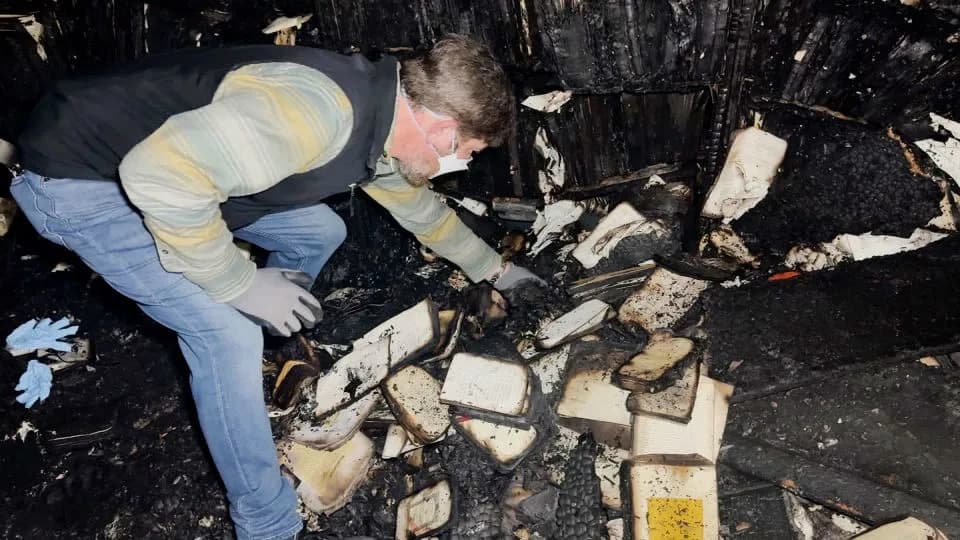
Beth Israel Congregation President Zach Shemper digs Tuesday through the charred remains of his synagogue in Jackson, Mississippi. - CNN
What had long been a consecrated place of worship in Jackson, Mississippi, now lies under thick layers of black soot and the acrid smell of smoke after an alleged arson attack at Beth Israel Congregation, the state’s largest and oldest synagogue.
Suspect, Charges And Historical Context
The FBI says a 19-year-old suspect confessed hours after last weekend’s blaze, telling investigators he targeted the building "because of the building’s Jewish ties." He faces federal and state charges that, if convicted, could carry up to 60 years in prison. Beth Israel, founded before the Civil War and previously bombed in 1967 amid the Civil Rights Movement, is closed indefinitely while restoration and recovery begin.
Damage, Artifacts And Religious Response
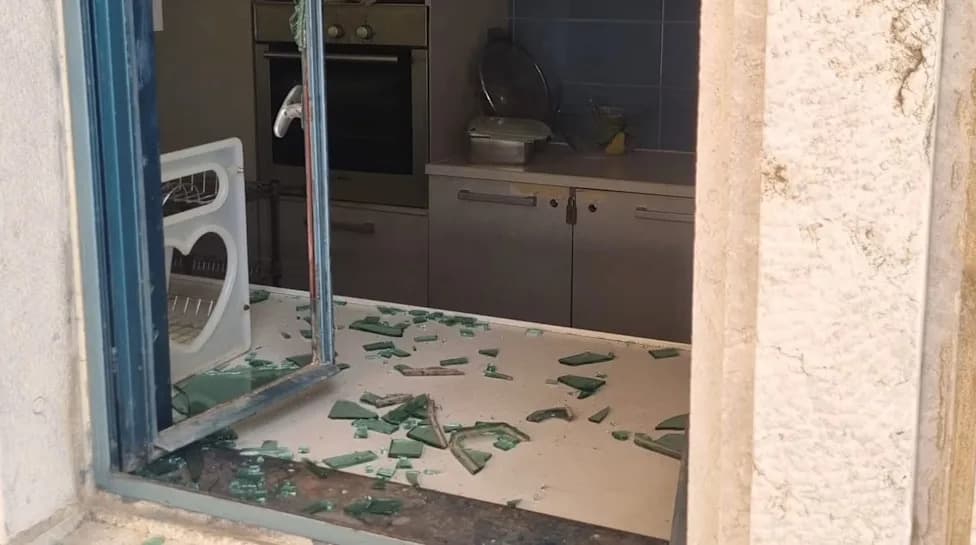
Fire and heavy smoke swept through the synagogue, leaving nearly every surface coated in residue. The blaze began in the library, where wooden built-in bookshelves and decades of religious texts were highly vulnerable to flames, according to Charles Felton, chief of investigations for the Jackson Fire Department’s arson division. The library was left unrecognizable: shelves stripped bare, charred prayer-book pages scattered across the soot-covered floor, and broken glass beneath a window the suspect allegedly smashed to gain entry.
The congregation’s president, Zach Shemper, went straight to the sanctuary after the fire to remove the Torah scrolls. "First thing I did when I got here after the fire was remove our Torahs and wrapped them up and put them in my truck for safekeeping," he said. The holy scrolls were moved to a local church to be unrolled and aired; they will remain in protected storage until a master sofer (a qualified scribe) can inspect them and determine whether they can be restored to kosher status. As Sheila Hailey, the congregation’s executive director, explained, a Torah must be undamaged, fully legible, written on parchment, stitched together and rolled on wooden spindles to be considered kosher.
Jewish custom requires that damaged holy books be buried reverently rather than discarded. After remediation of the building, Beth Israel plans to collect the ruined prayer books and remaining pages, hold a commemorative burial ceremony, and inter them respectfully.
Notable Losses And Community Impact
Along the library wall, an ornate cabinet known as the Ark once housed two Torahs that were nearly entirely incinerated. The sanctuary’s benches and a Tree of Life installation—whose hundreds of small brass plates represented congregational milestones—were heavily damaged; nearly all of those brass plates succumbed to the heat. A decades-old sculpture of Moses, which survived the 1967 bombing, emerged from the fire coated in ash and later suffered a broken head and chipping.
Among other losses, a shofar (a ram’s horn used during Rosh Hashanah and other holy days) could not be located after a search of the debris. "I don’t know how hot something has to get," Shemper said, "for a ram’s horn to burn."
Recovery And Next Steps
Restoration could take at least a year. In the meantime, several area churches have offered space for services and community activities while Beth Israel organizes recovery, repairs and rituals for damaged sacred items. Congregation leaders express determination to preserve Jewish life in Jackson and rebuild their historic home.
"I want to cry. I’m disgusted," Shemper said. "I’ve never had to deal with something like this. I’ve never even experienced the feelings that I’m feeling right now."
The FBI continues to investigate the alleged arson. The congregation is working with fire investigators, restoration specialists and religious authorities to inventory losses, salvage what they can and plan proper religious rites for ruined items.
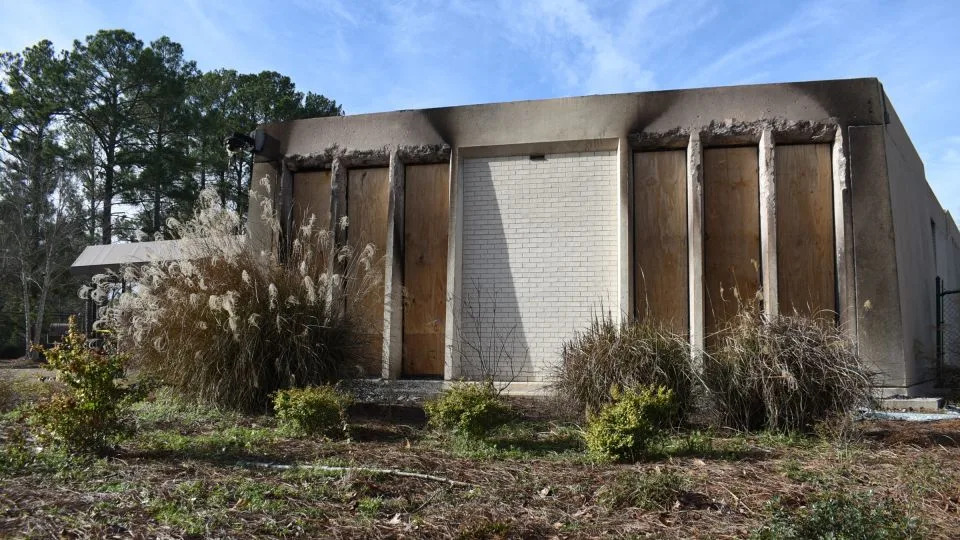
Boards cover the temple's tall windows days after the alleged arson. - Sophie Bates/AP
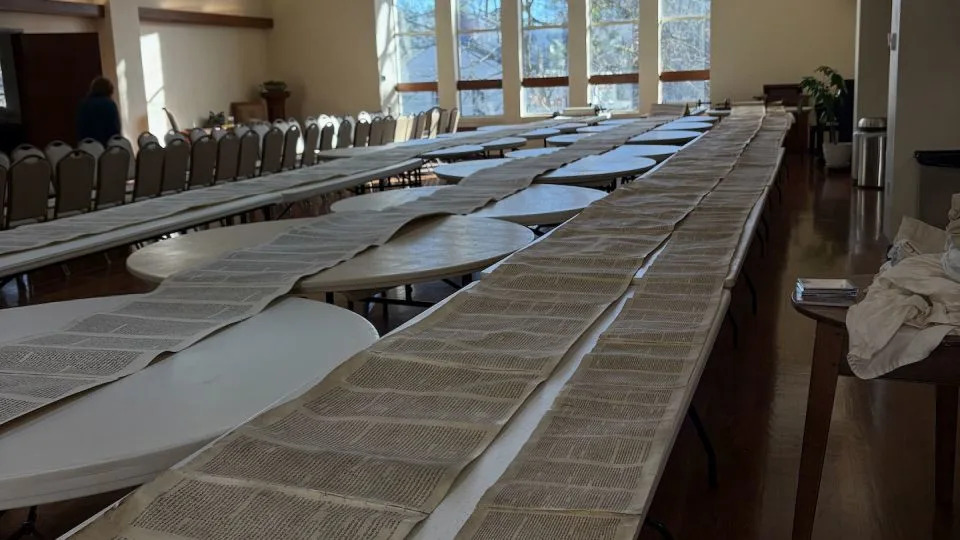
Torah scroll pages from Beth Israel Congregation dry out after the fire. - Courtesy Sheila Hailey
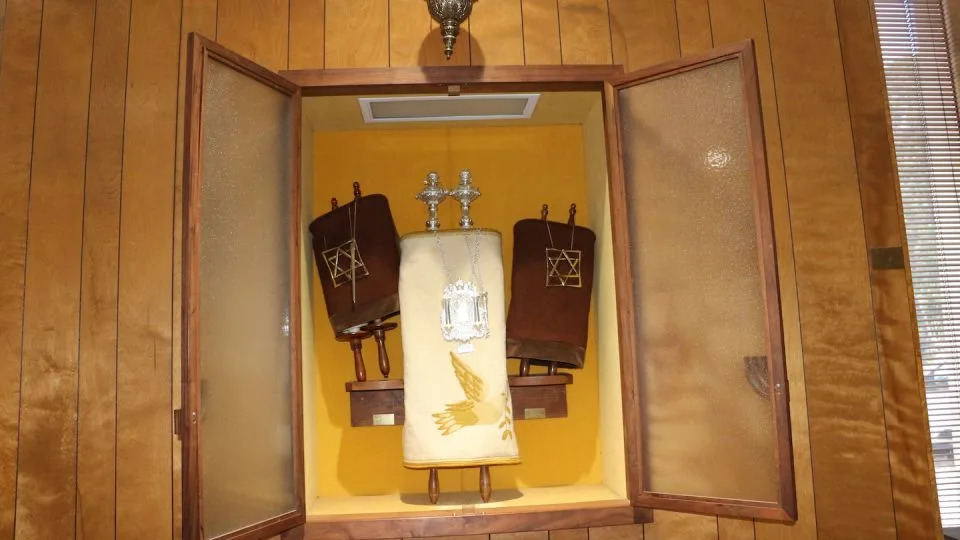
Beth Israel Congregation's ark is seen before the fire. - Courtesy Rebecca Pack Burr
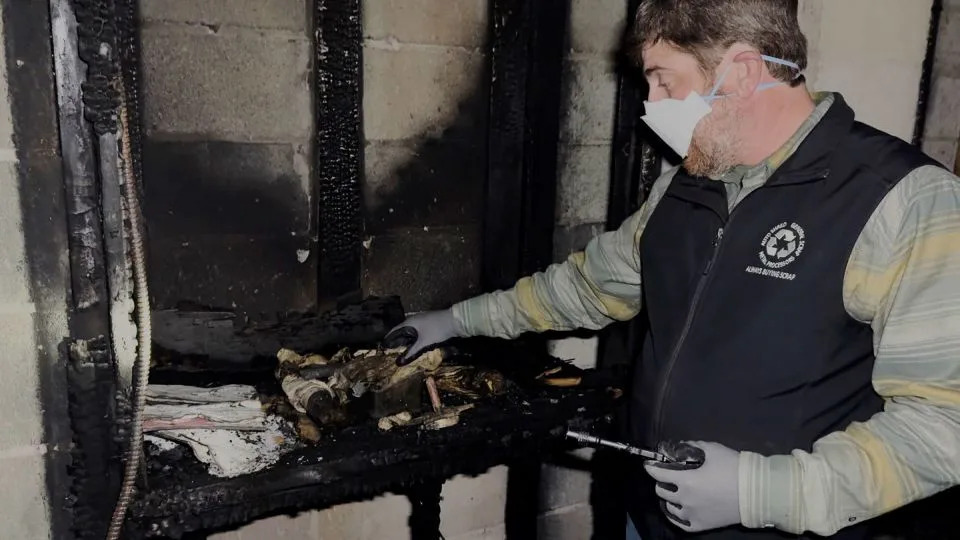
Shemper shows the shattered cabinet after the fire. - CNN
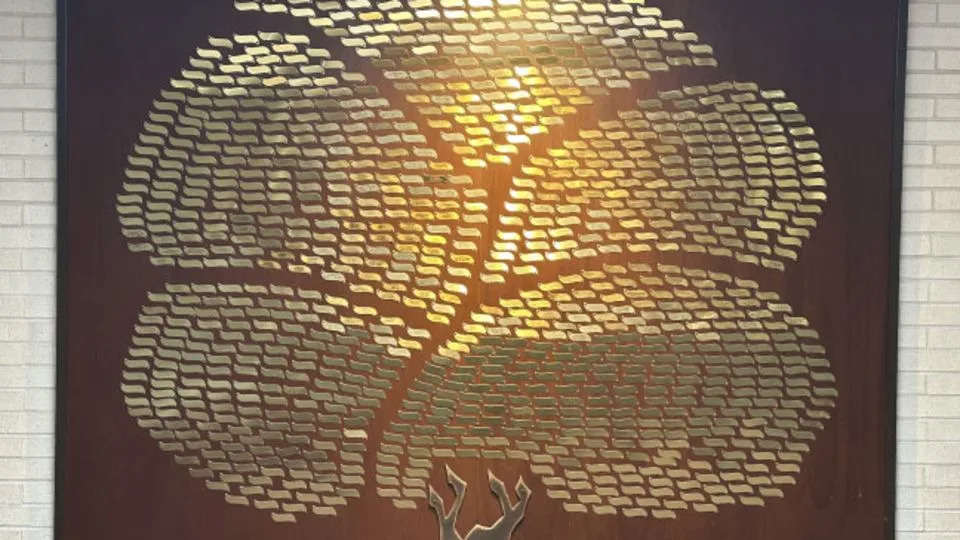
Beth Israel Congregation's Tree of Life art installation, honoring moments of celebration, is seen before the fire. - Courtesy Sheila Hailey
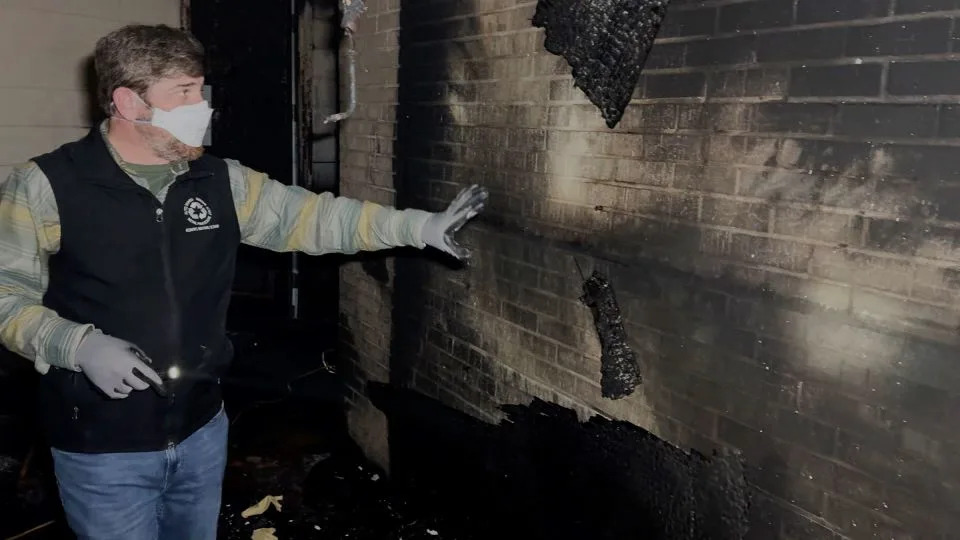
The Tree of Life art piece melted in the fire, Shemper says. - CNN
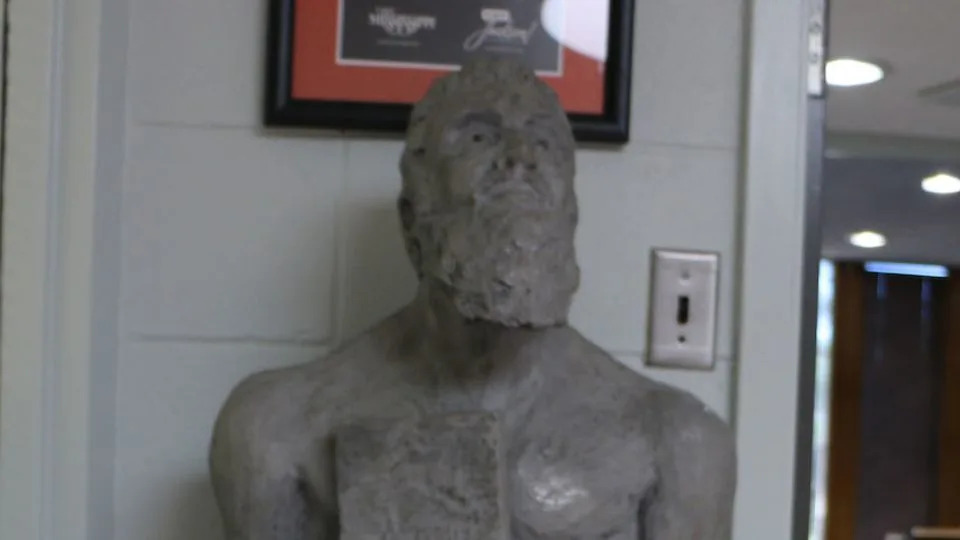
A statue of Moses is displayed at Beth Israel Congregation before the fire. - Courtesy Sheila Hailey
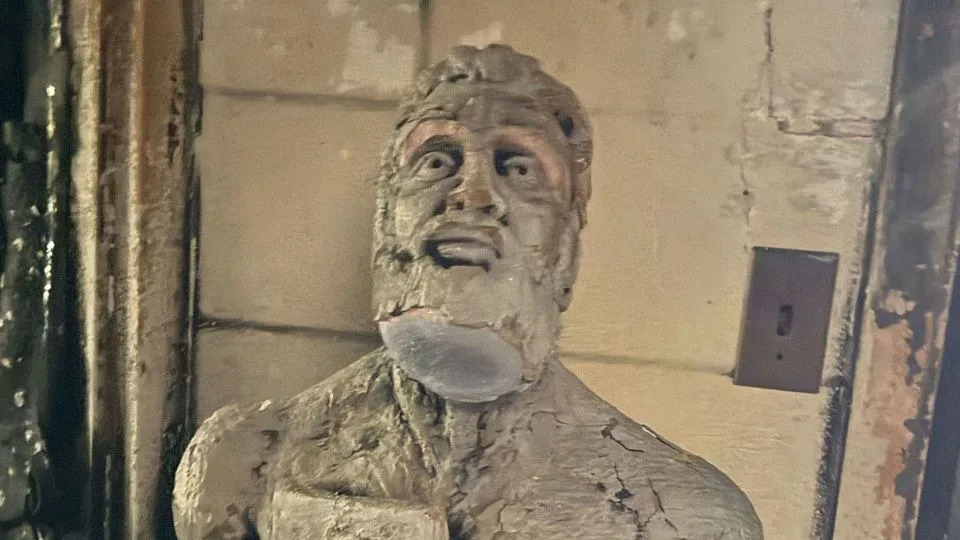
The Moses sculpture is seen, dirty but intact, right after the fire. - Courtesy Sheila Hailey
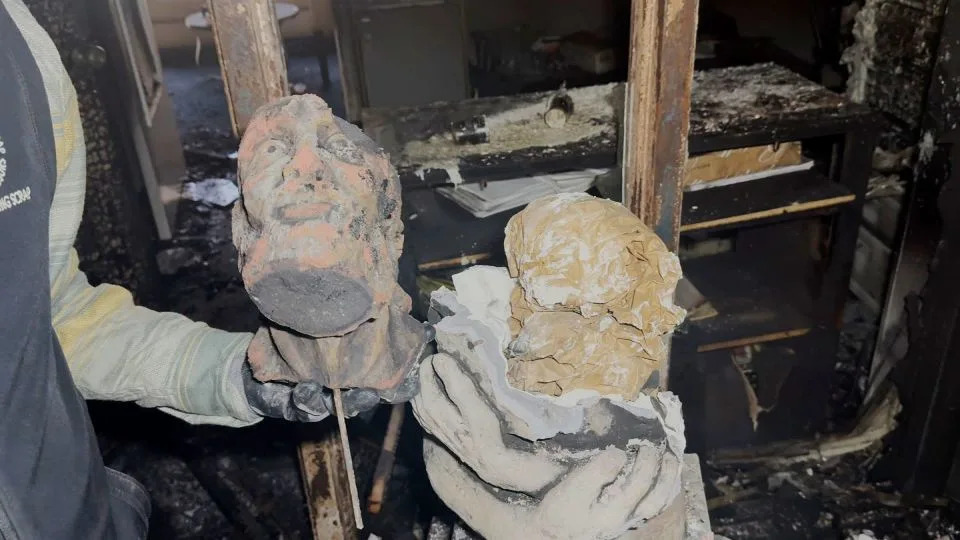
Shemper holds a piece of the Moses statue Tuesday after it broke following the alleged arson. - CNN
Help us improve.