The AP‑NORC poll (Jan. 8–11) finds 56% of U.S. adults say President Trump has gone too far using military force abroad, with majorities disapproving of his handling of Venezuela (57%) and his foreign policy overall (61%). Opinions break sharply along party lines: Democrats and independents are the main drivers of the view that Trump overreached, while most Republicans say his actions are about right. About half of Americans see the Venezuela operation as beneficial for stopping illegal drugs, but the public is divided on broader impacts for U.S. security and the economy.
Majority of Americans Say Trump Went Too Far With Military Interventions, AP‑NORC Poll Finds
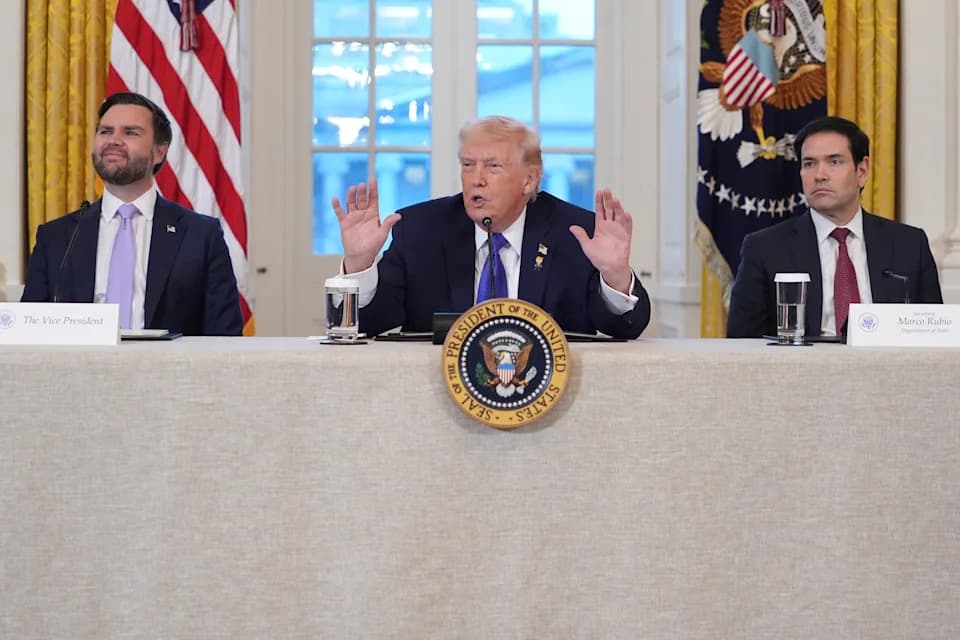
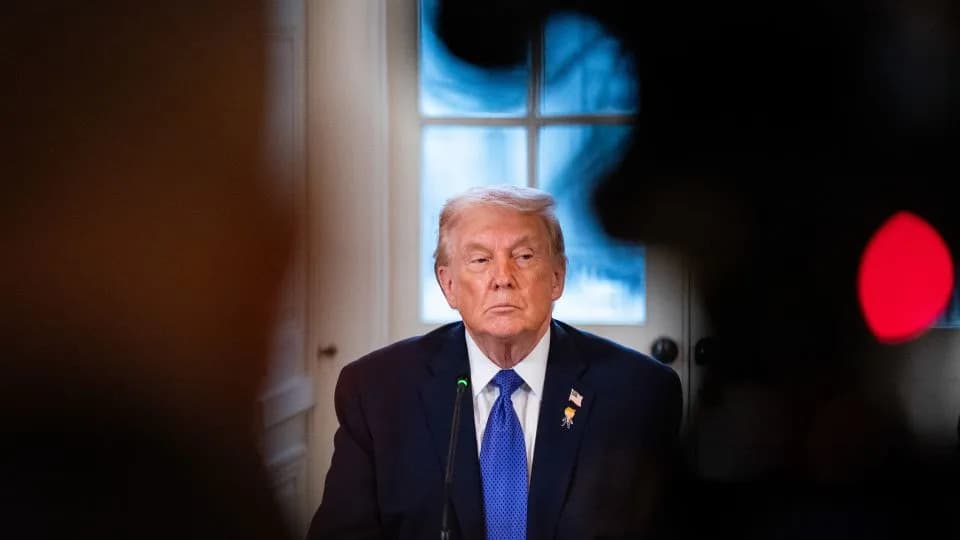
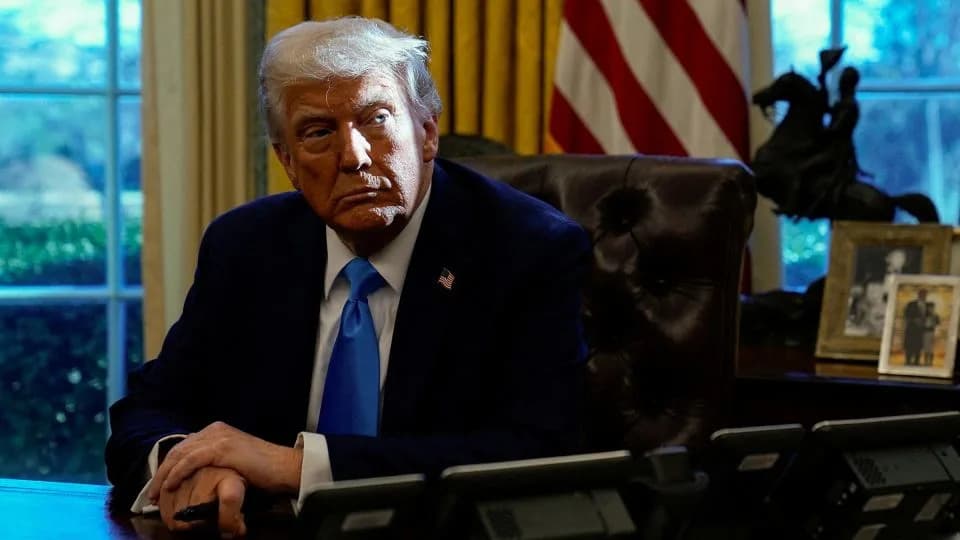
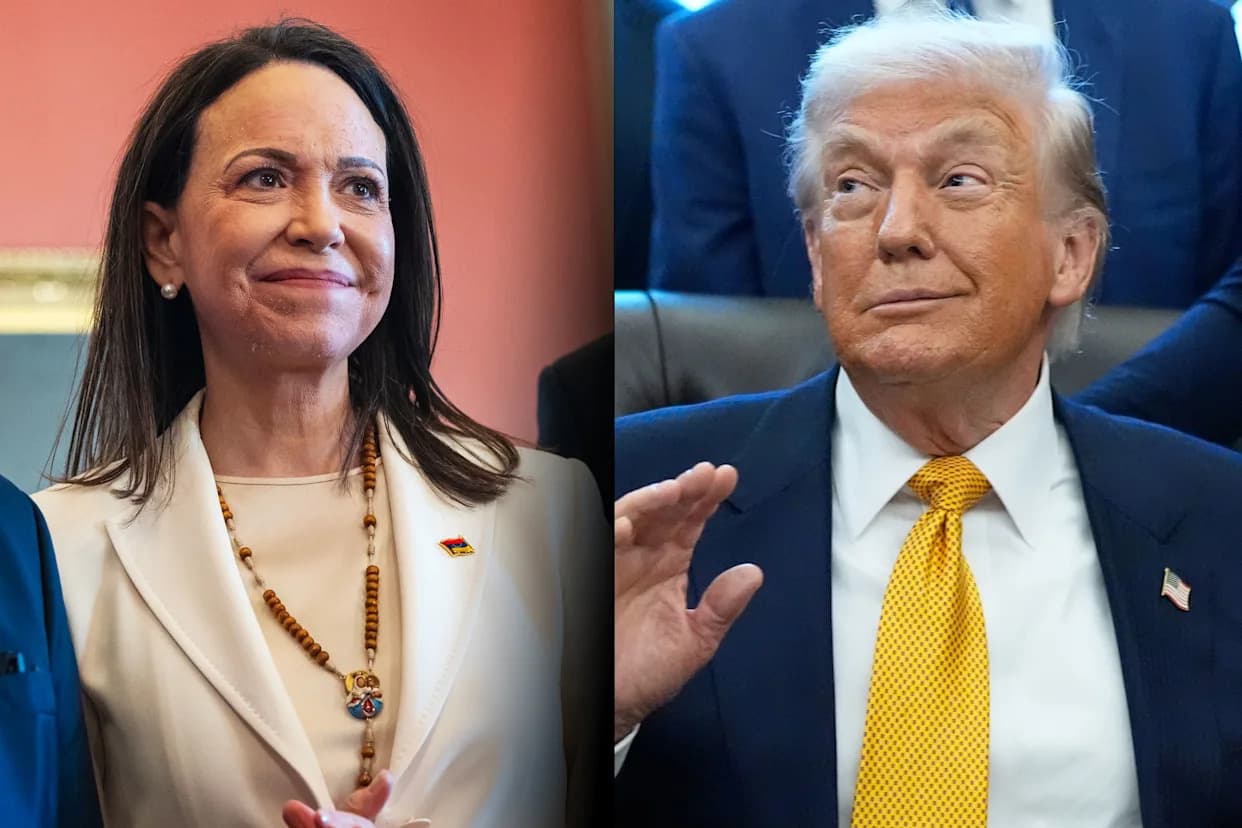
FILE - President Donald Trump speaks during a meeting with oil executives in the East Room of the White House, Jan. 9, 2026, in Washington, as Vice President JD Vance and Secretary of State Marco Rubio listen. (AP Photo/Evan Vucci, File)(ASSOCIATED PRESS)
A new AP‑NORC poll conducted Jan. 8–11, following the U.S. operation that captured Venezuelan President Nicolás Maduro, finds a majority of U.S. adults believe President Donald Trump has gone too far in using American military power abroad.
Poll Snapshot
The nationally representative survey of 1,203 adults from NORC’s AmeriSpeak Panel shows 56% of respondents say Trump has overstepped on military interventions. The poll also finds 57% disapprove of his handling of the situation in Venezuela and 61% disapprove of his overall foreign‑policy approach. The margin of sampling error is ±3.9 percentage points for adults overall.
Partisan Divide
Opinions split sharply by party. Roughly 9 in 10 Democrats and about 6 in 10 independents say Trump has “gone too far” on military intervention, while only about 2 in 10 Republicans agree. Most Republicans — 71% — say Trump’s actions have been “about right,” and only about 1 in 10 Republicans want him to escalate further.
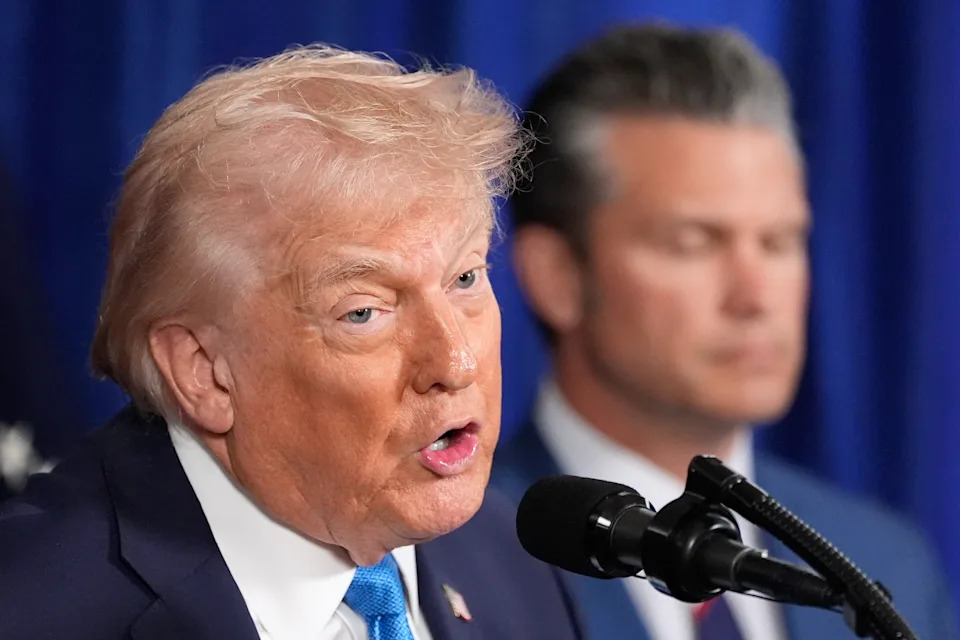
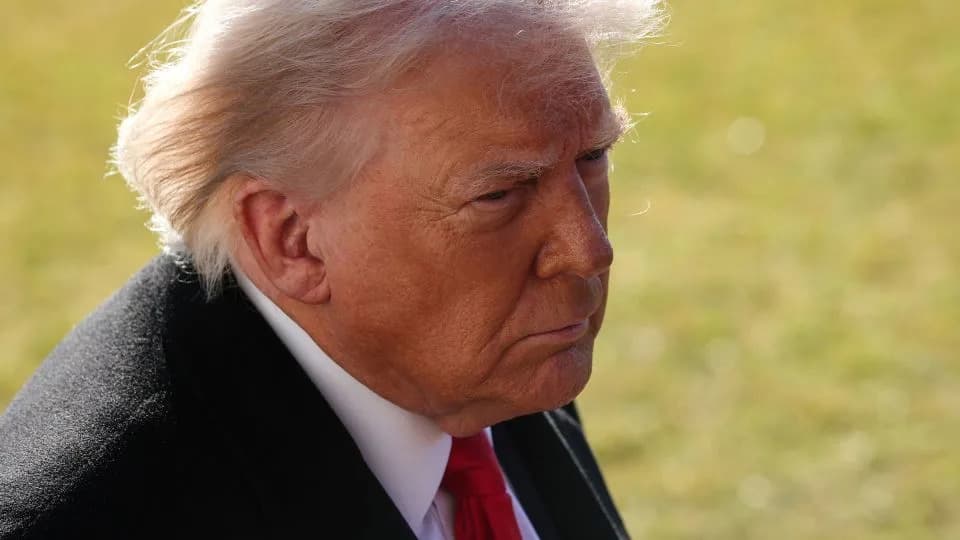
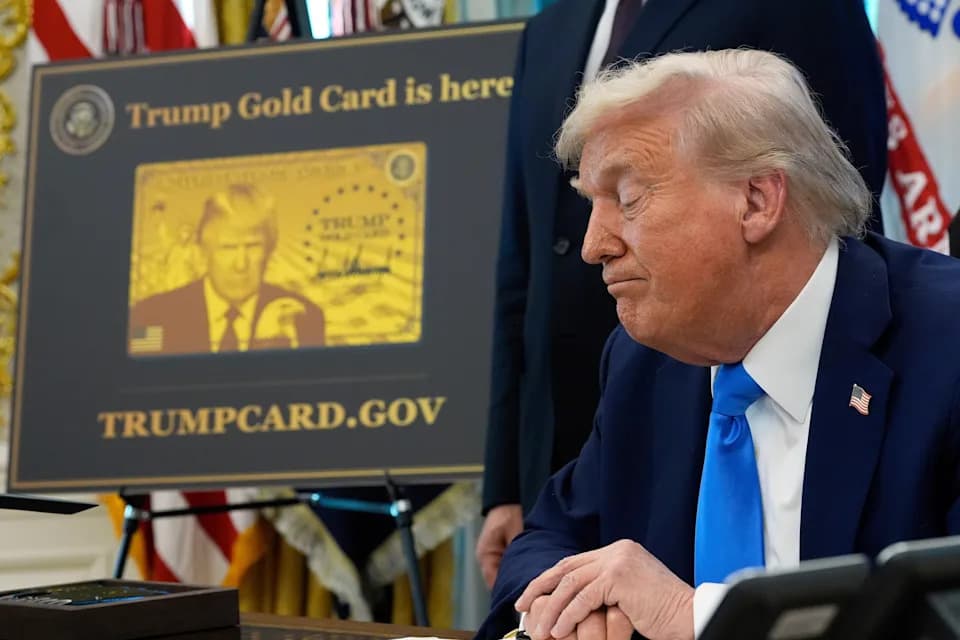
President Donald Trump speaks at his Mar-a-Lago club, Saturday, Jan. 3, 2026, in Palm Beach, Fla., as Defense Secretary Pete Hegseth listens. (AP Photo/Alex Brandon)(ASSOCIATED PRESS)
Perceived Benefits and Risks
Many Americans see some concrete benefits from the Venezuela operation, especially for curbing drug trafficking: about half say the intervention will be “mostly a good thing” for stopping the flow of illegal drugs into the United States. Some 44% say the action will do more to help than harm the Venezuelan people, who have lived under Nicolás Maduro’s rule for more than a decade. By contrast, the public is divided on whether the operation will improve U.S. national security or the U.S. economy.
Views On U.S. Global Role
There is growing reluctance to expand America’s international engagement. Nearly half of Americans now prefer a “less active” U.S. role in world affairs, about one‑third say the current role is “about right,” and only about 2 in 10 want the U.S. to be more involved globally. At least half of Democrats and independents favor stepping back, a marked shift from earlier months. Among Republicans, 64% say the current level of U.S. involvement is “about right,” up from 55% in September; the share of Republicans favoring a less active role has dipped to roughly one‑quarter from 34% a few months earlier.
Context
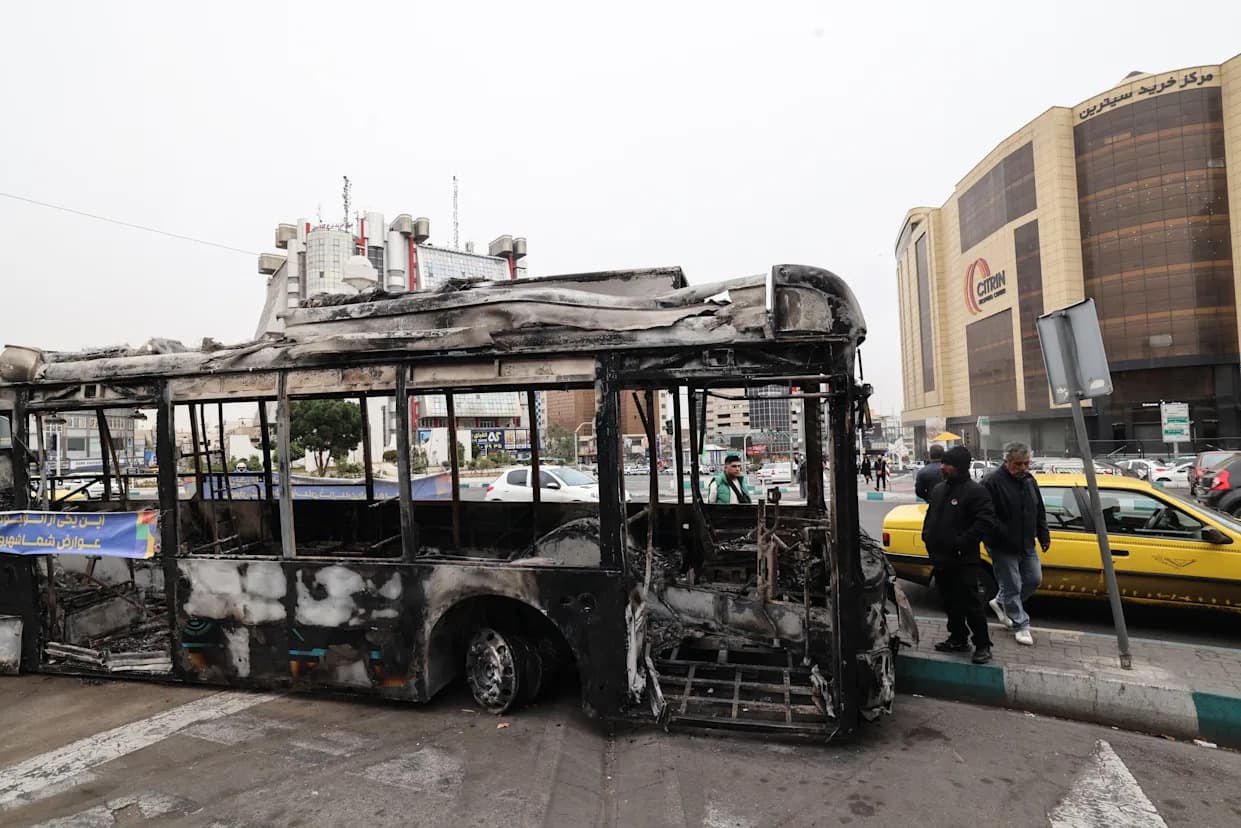
Respondents were asked against the backdrop of several recent Trump moves and statements: the Venezuela operation to capture Maduro, discussions about exerting U.S. influence over Venezuelan oil, public comments about possibly seizing Greenland if Denmark did not agree to a transfer, and warnings that the U.S. might intervene to aid peaceful protesters in Iran.
Methodology: The AP‑NORC poll surveyed 1,203 adults Jan. 8–11 using NORC’s probability‑based AmeriSpeak Panel, designed to represent the U.S. population. Margin of error ±3.9 percentage points for adults overall.
Help us improve.