
Dr. Hussam Abu Safia, 52, director of Kamal Adwan Hospital in Beit Lahiya, has been held by Israeli forces for a year without formal charges under the "unlawful combatant" designation. Family and lawyers say he has lost significant weight, suffers from cardiovascular problems and other injuries, and has been moved between detention facilities. Medical staff testify he refused a solo safe exit to stay with colleagues and describe beatings and humiliation during forced evacuation. The family is appealing to human rights groups for his immediate release and adequate medical care.
One Year Later: Gaza Hospital Director Dr. Hussam Abu Safia Still Detained Without Charge

Dr Walid al-Badi remained with Abu Safia in Kamal Adwan until they were forced to evacuate [Abdelhakim Abu Riash/ Al Jazeera]
Gaza City — Dr. Hussam Abu Safia, 52, the long-serving director of Kamal Adwan Hospital in Beit Lahiya, remains in Israeli custody a year after his arrest, his family and lawyers say. Detained without formal charges and held under the so-called "unlawful combatant" designation, Abu Safia’s relatives warn that his health has deteriorated sharply amid allegations of poor detention conditions and mistreatment.
Background
Abu Safia was widely known for remaining at Kamal Adwan during repeated strikes on northern Gaza and for leading medical teams while the hospital operated under siege. Family members say Israeli forces encircled the facility, ordered an evacuation and subsequently detained him. The hospital is reported to be out of service following the evacuation and damage sustained in the fighting.
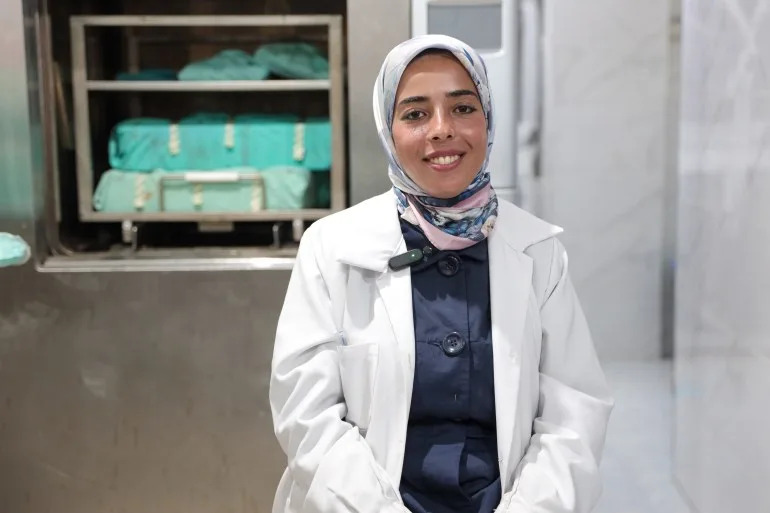
Dr Mai Barhouma, who oversaw the ICU at Kamal Adwan Hospital, insisted on staying with Dr Abu Safia until the moment the hospital was evacuated [Abdelhakim Abu Riash/ Al Jazeera]
Arrest, Transfers and Allegations of Mistreatment
According to lawyers and relatives, Abu Safia was moved between Israeli detention sites, including the Sde Teiman holding facility and Ofer Prison. No criminal charges have been publicly filed; Israeli authorities have used the "unlawful combatant" designation that lawyers say can permit detention without standard criminal proceedings and limit detainees' access to the evidence against them.
Relatives and medical staff allege that Abu Safia has been held in harsh conditions and has lost more than a third of his body weight. His family reports he suffers from cardiovascular issues (including an irregular heartbeat and high blood pressure), skin infections, shrapnel and fractures sustained before arrest, and an overall lack of specialist medical care.
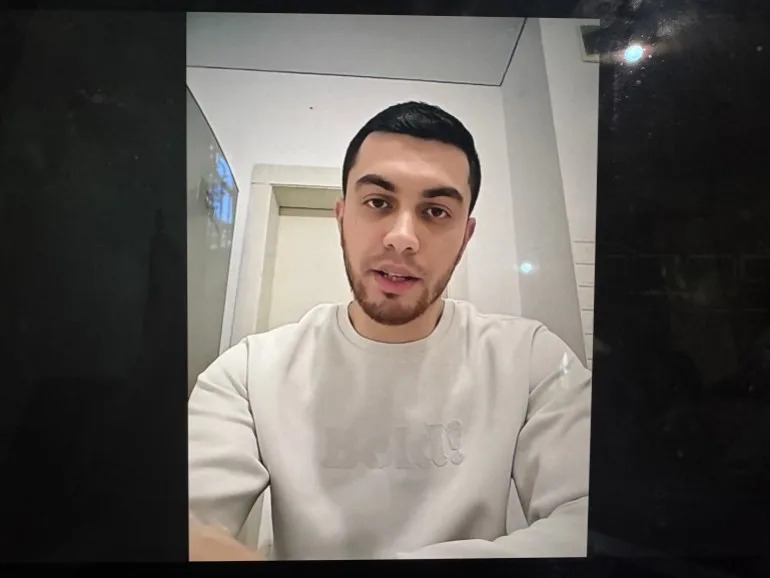
Ilyas Abu Safia, Abu Safiya’s eldest son, speaking to Al Jazeera via Zoom from Kazakhstan about the latest updates on his father’s case and detention conditions [Abdelhakim Abu Riash/ Al Jazeera]
Eyewitness Testimonies
Multiple medical staff who were with Abu Safia on December 27, 2024, gave consistent accounts of the evacuation and his arrest. They say he refused an offer of a safe exit for only himself and insisted on remaining with his team. Witnesses describe being forced out of the hospital, prolonged detention at al-Fakhoura school in Jabalia, and allegations that some staff were beaten and humiliated during interrogations.
“We were heartbroken as Dr. Abu Safia led us out,” recalled Dr. Walid al-Badi. “He was crying as he left the hospital he tried so hard to stay in.”
ICU head Dr. Mai Barhouma described remaining with a critically ill patient in an ambulance that was held for hours and said she had to use a manual resuscitator when oxygen ran out. Other medics recounted being stripped to underwear, tied and beaten, according to their testimonies to Al Jazeera and lawyers.

Dr Hussam Abu Safia [Courtesy Ilyas Abu Safia]
Family Appeals and Legal Efforts
Abu Safia’s family have appealed to human rights organizations and legal bodies for his immediate release and unhindered access to medical care. His son, Ilyas, who fled with the family to Kazakhstan, said lawyers have visited about seven times over the past year and that his father’s condition worsened with each visit. The family stresses that Abu Safia’s work was to provide care in a declared "red zone" and says they fear his continued detention reflects an attempt to criminalize medical work.
The allegations in this article are based on statements from Abu Safia’s family, lawyers and medical staff. Israeli authorities have not publicly filed charges; their official response to the specific allegations summarized here was not available at the time of publication.


