Focus-group research of 2024 Trump and third-party voters who flipped to Democrats in New Jersey and Virginia found cost-of-living concerns were the decisive factor. Candidates Mikie Sherrill and Abigail Spanberger centered affordability in their campaigns and won by double digits. The study, by Impact Research for the Center Aisle Coalition, aligns with polls showing nearly half of Americans struggle with routine expenses and notes a November unemployment uptick to 4.6%.
Cost-Of-Living Shifted Ex-Trump Voters To Democrats In New Jersey And Virginia, Focus Groups Find

Post-election focus groups conducted for Democratic organizations and obtained by POLITICO indicate that many 2024 Trump or third-party voters in New Jersey and Virginia switched to Democratic candidates primarily because of concerns about the rising cost of living.
What The Research Found
The study, carried out by Impact Research for the centrist Center Aisle Coalition (founded by former Rep. Stephanie Murphy, D-Fla.), examined voters who backed Trump or third-party candidates in 2024 but voted Democratic in the recent gubernatorial contests. Researchers concluded that affordability — everyday expenses such as groceries, utilities and housing costs — was the dominant issue driving these voters' decisions. Candidates who made cost-of-living a central message, notably Rep. Mikie Sherrill (D-N.J.) and former Rep. Abigail Spanberger (D-Va.), won by double-digit margins, and the focus groups credited their emphasis on economic issues for that success.
Messaging That Resonated
Participants said they responded to campaigns that stayed "laser-focused" on practical economic solutions while avoiding overt partisan attacks. The report said swing voters felt "disillusioned by Republican leadership on costs," and that Sherrill and Spanberger effectively cast their opponents as aligned with Trump without allowing themselves to be labeled as part of a polarized "Resistance." The memo singled out Republican nominees Jack Ciattarelli and Winsome Earle-Sears as the opponents these Democrats distanced themselves from.
Context And Broader Trends
The focus-group findings mirror broader public polling. A POLITICO poll last month found nearly half of Americans say routine expenses like groceries and utility bills are difficult to afford. The Labor Department reported the unemployment rate rose to 4.6% in November, the highest level in more than four years, adding to voters' economic worries.
“These voters have deep concerns about Democrats broadly,” the memo noted, pointing to ongoing voter unease over issues such as transgender youth policies, perceived excessive government spending, border and crime policies, and whether Democrats prioritize the concerns of most Americans.
Implications For 2024 Campaigns
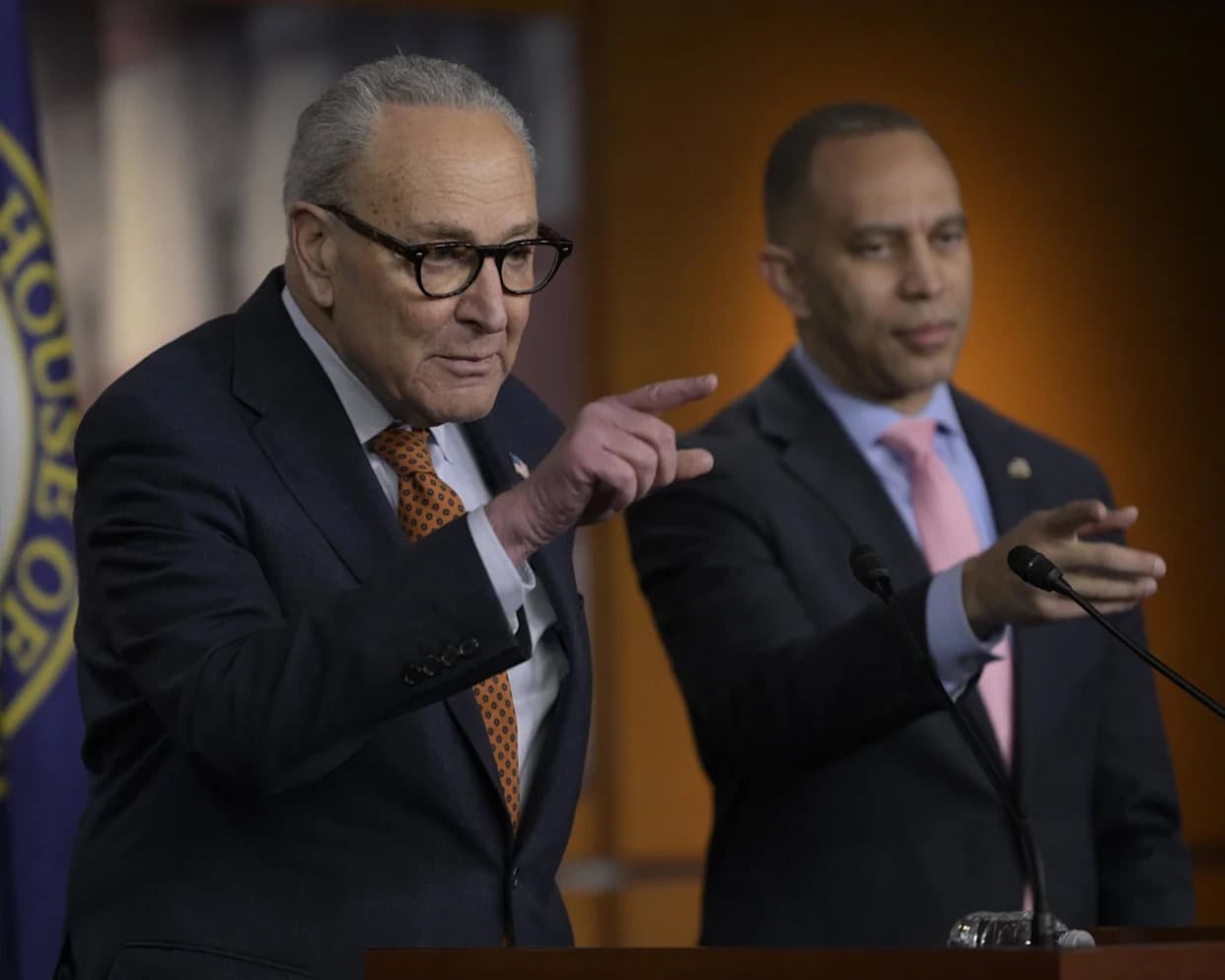
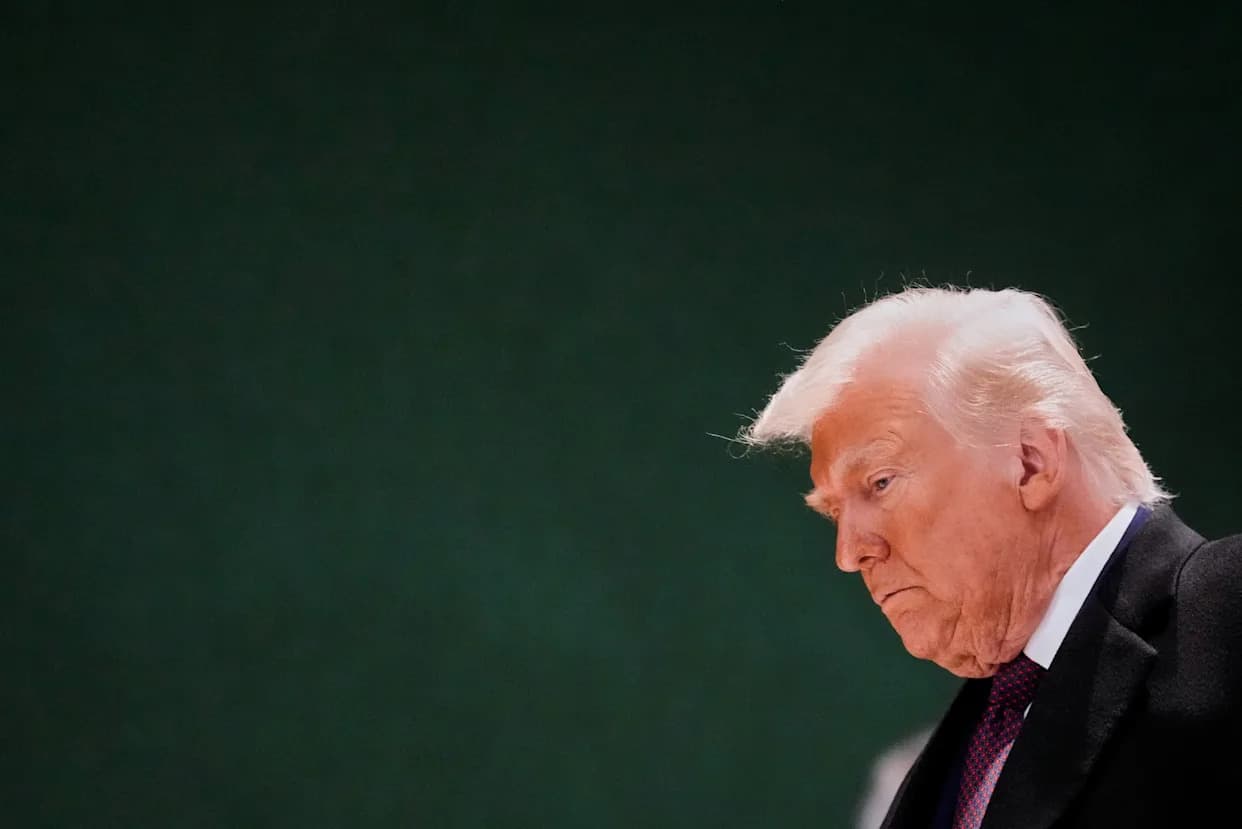
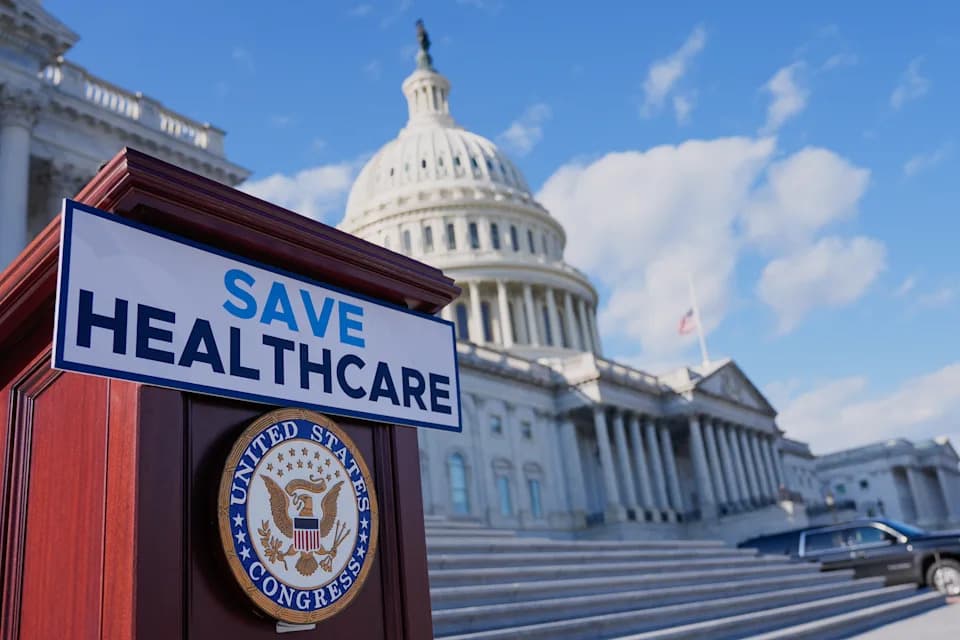
Democrats argue that economic messaging — combined with issues like healthcare — gives them an opening with some former Trump supporters, provided candidates avoid polarizing rhetoric and focus on concrete affordability proposals. The research also underscored Republican unease about economic messaging after a recent Trump appearance in Pennsylvania, where critics said he strayed from an affordability-focused script.
Methodology: The findings are based on four focus groups commissioned by the Center Aisle Coalition and conducted by Impact Research. Democratic pollster Molly Murphy led the sessions and briefed some House Democratic members on the results.
Help us improve.