The Zwolle court annulled a marriage after finding that vows drafted with ChatGPT did not include the explicit legal commitments required under Dutch law. The April 19, 2025 ceremony used AI-generated wording that the court said failed to satisfy Article 1:67(1) of the Dutch Civil Code. The couple’s request to preserve the original wedding date was denied, and the marriage will be removed from the city registry. The case underscores legal pitfalls of relying on generative AI for formal declarations.
Dutch Court Voids Marriage After ChatGPT-Generated Vows Omit Required Legal Wording
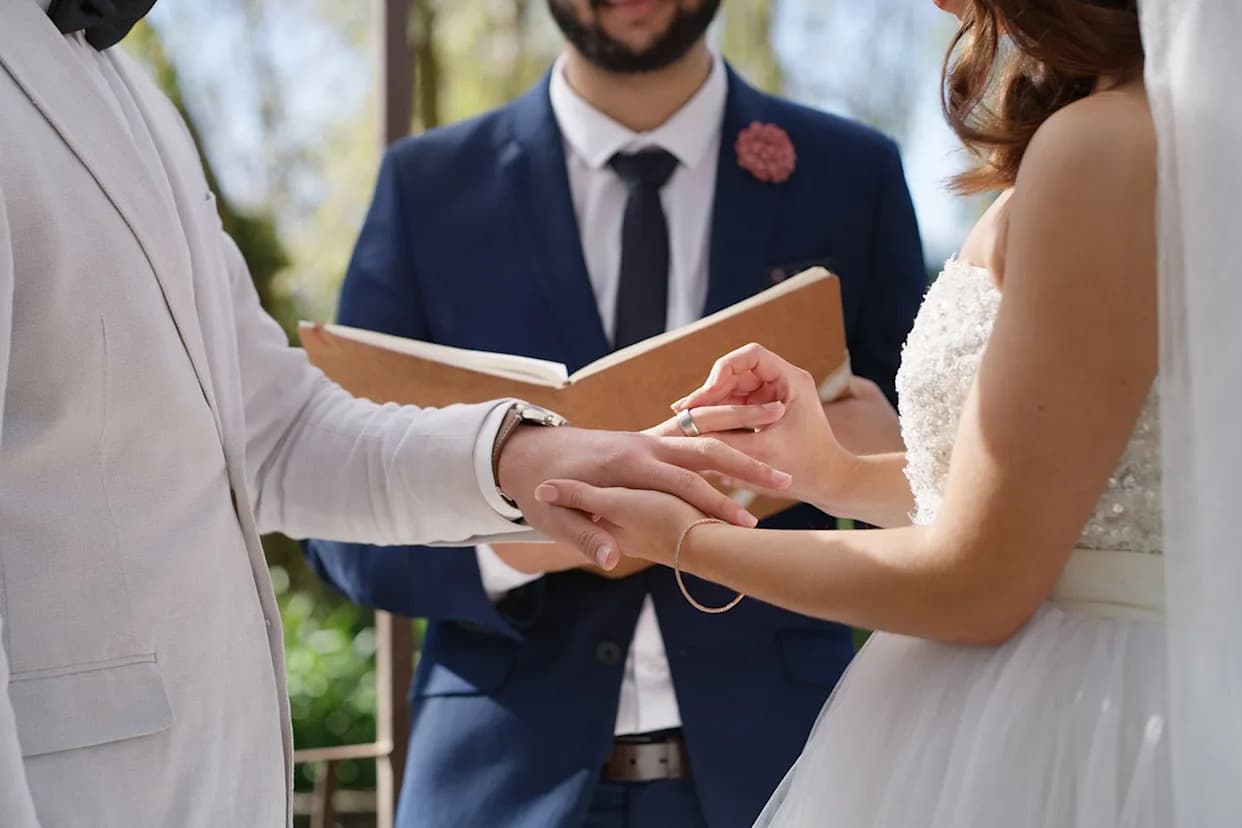
Getty ImagesGroom and bride exchanging rings during wedding ceremony in front of their officiant (stock photo)
A court in Zwolle, the Netherlands, has ordered that a couple’s marriage be removed from the city’s civil registry after finding that vows written with the help of ChatGPT did not meet the statutory wording required to form a valid marriage.
The civil ceremony took place on April 19, 2025. In a decision dated Jan. 5 (with the spouses’ names redacted under Dutch privacy rules), the court concluded that the wording used during the ceremony did not satisfy the legal declaration that prospective spouses must make in front of the registrar and witnesses, and therefore the marriage certificate had been recorded in error, according to reporting by Reuters and Gulf News.
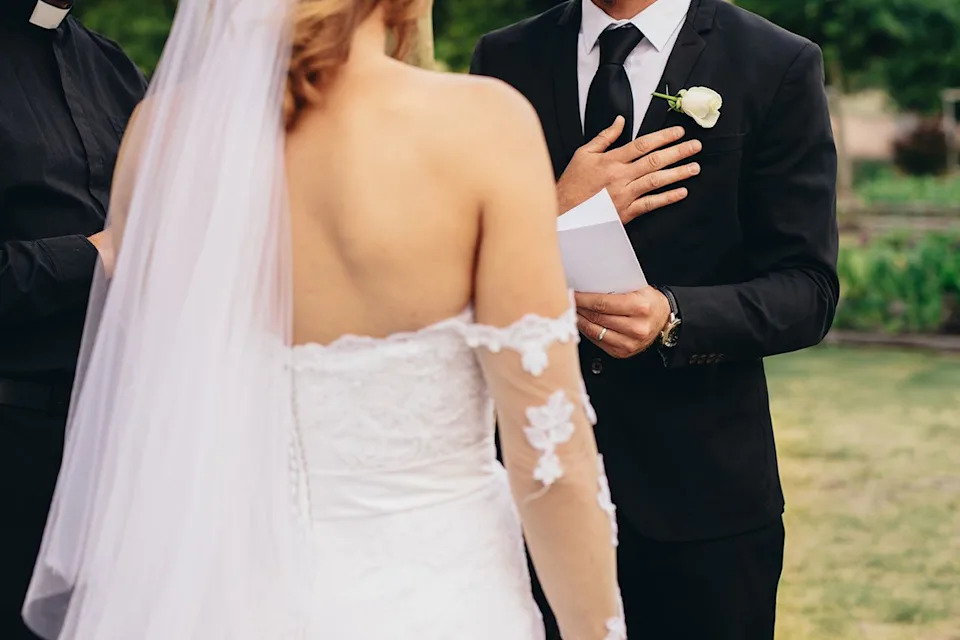
jacoblund/GettyGroom reading his wedding vows (stock photo)
Why the Vows Fell Short
The officiant, a friend asked to run a more informal ceremony, used a ChatGPT-generated speech intended to produce personal vows. The text cited by the court included informal phrasing — for example asking whether the pair would keep "supporting each other, teasing each other and embracing each other, even when life gets difficult" and referring to them as "a crazy couple."
Article 1:67(1) of the Dutch Civil Code requires that "the prospective spouses must explicitly give their consent to the marriage" by declaring, in front of the civil registrar and the witnesses, "that they accept each other as husband and wife and that they will faithfully fulfill all duties which the law connects to their marital status."
The court found the ChatGPT-drafted wording did not contain the explicit statutory promise to fulfill the legal duties of marriage. Although the couple argued they had intended to marry and that the recorded date was important to them personally, the court said it could not overlook the statutory requirements and denied the request to retain the original marriage date.
Thomas Fuller/SOPA Images/LightRocket via GettyChatGPT logo displayed on a smartphone screen
Court Ruling And Broader Implications
The ruling states that the vows "did not satisfy the statutory requirements for a valid marriage declaration" and concluded that the certificate was "erroneously recorded in the civil registry." As a result, the marriage will be removed from Zwolle’s registry.
Legal commentators and officials have noted that the case highlights a practical risk: generative AI can produce fluent, appealing language but may omit specific, legally required formulations. When formal declarations or legally significant statements are involved, those relying on AI-generated drafts should confirm required wording with the relevant authority or legal counsel before using them in official ceremonies.
Sources: Reuters, Gulf News and reporting republished by People.
Help us improve.