The New York Times' 13-page opinion package — grounded in a leaked 2021 Office of Net Assessment review — argues that U.S. defense procurement and industrial consolidation have left the military ill suited to the demands of a long, high‑intensity conflict. High-profile failures include a canceled small-ship program after $3.5 billion and zero ships, and a service pistol program stretching from 2011 to at least 2027. The report warns that entrenched contractors, procurement rules and political incentives risk wasting funds on legacy systems while leaving the U.S. vulnerable to new threats.
NYT's 'Overmatched' Warning: How Pentagon Spending Patterns Could Leave the U.S. Vulnerable

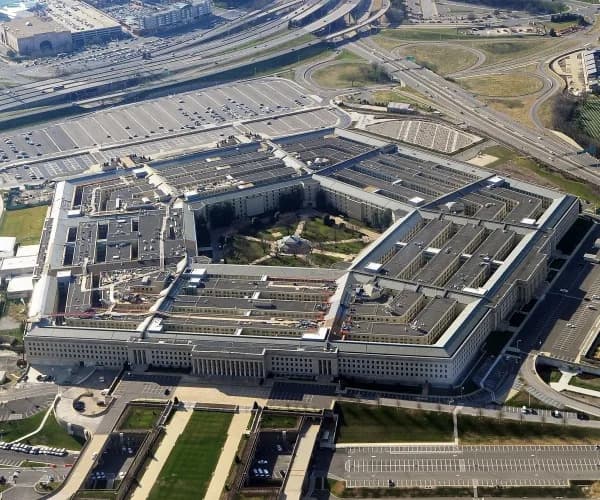
A striking alignment of events this week should have alarmed Pentagon overseers. The Senate approved a roughly $900 billion defense bill by a 77–20 margin, even as The New York Times devoted a rare 13-page Sunday Opinion package to a single argument: much of U.S. defense spending is misallocated and the military may be "overmatched" against tomorrow's threats.
The Times' package draws heavily on a leaked 2021 review prepared by the Pentagon's Office of Net Assessment, a small analytic office whose work has long prompted debate inside and outside the Department of Defense. The review and related war-game simulations warn of a decades-long erosion in the U.S. ability to sustain a long conflict with a near-peer competitor — particularly China — and that existing procurement and industrial patterns leave the United States poorly prepared to adapt.
What the Review and the NYT Found
The analysis points to several structural causes: post–Cold War consolidation shrank more than 50 weapons makers into a handful of large contractors; the Pentagon bureaucracy has grown slow and risk-averse; and members of Congress often protect local defense jobs and contracts. Together these forces favor large, legacy platforms and complicated acquisition rules over fast, scalable production and innovation.
Two Illustrative Failures
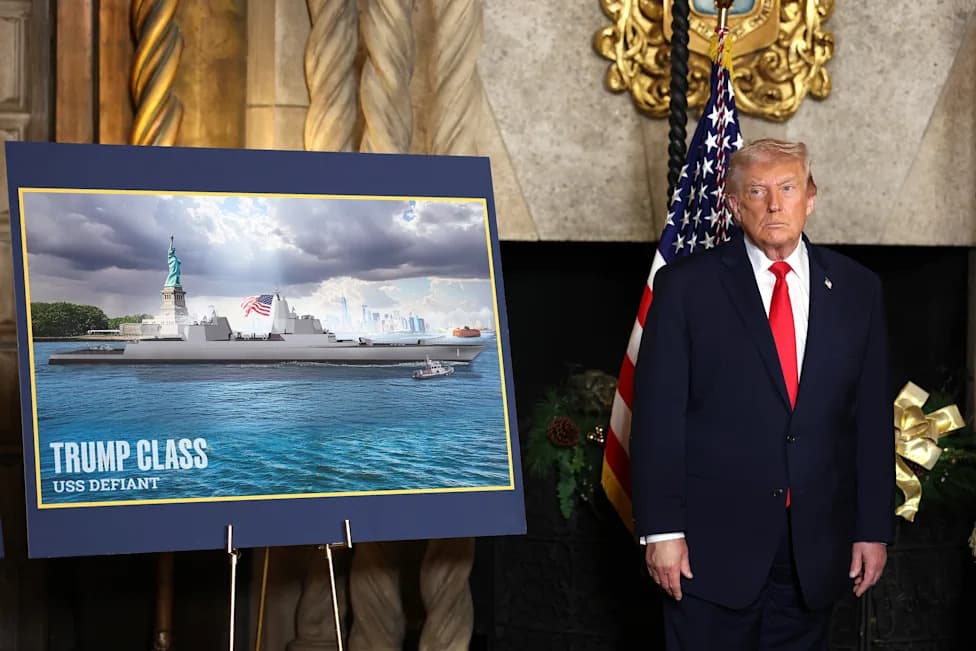
Small-ship program: In 2020 Navy leaders proposed buying a fleet of smaller, off-the-shelf European-style warships. But the project was captured by established contractors and procurement habits. After five years and about $3.5 billion, no ships were built and the initiative was canceled.
Service pistol procurement: What should have been a straightforward replacement program launched in 2011 turned into a 350-page specification odyssey, years of testing and a protracted industry fight on Capitol Hill. The Pentagon now projects field delivery no earlier than 2027 — a roughly 16-year cycle to buy and deploy a handgun.
Industrial Shortages and Strategic Risk
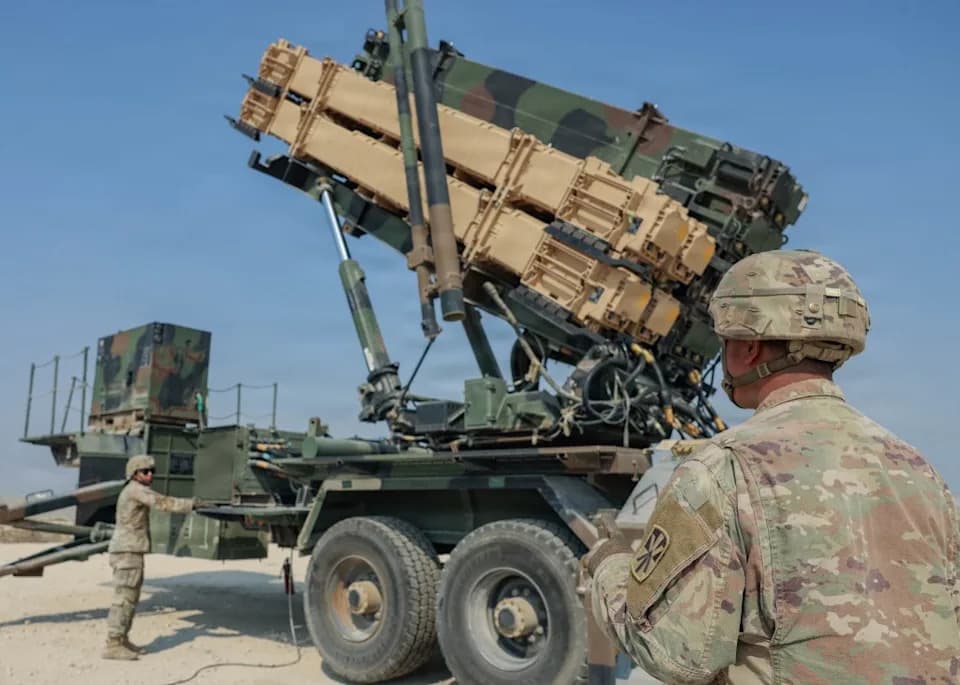
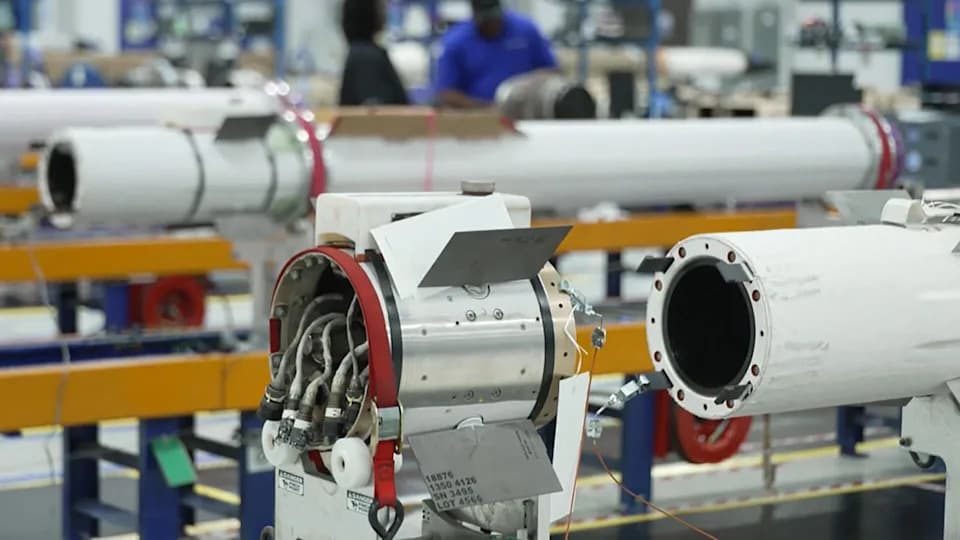
Beyond individual programs, the article flags a broader problem: the defense industrial base cannot reliably produce the types and quantities of munitions and platforms a long, high-intensity conflict would require. In a June strike on Iran's nuclear facilities, the U.S. launched 30 Tomahawk cruise missiles; at roughly $2 million apiece, replenishing such inventories rapidly would be difficult because a single prime contractor is the primary producer.
The Times reports that efforts to expand production through allied co‑production sometimes stalled amid political and industrial resistance. Similar friction blocks more open shipbuilding partnerships (despite South Korea's larger commercial yards) and long-term planning to mass-produce artillery rounds — a shortfall starkly exposed by the war in Ukraine.
Games, Vulnerabilities, and Reform Efforts
War games, including those summarized in the Net Assessment, are designed to expose vulnerabilities rather than to predict precise outcomes. Even so, they have highlighted worrying shortfalls: limited hull numbers to sustain global missions, vulnerabilities of high-value platforms like aircraft carriers to missile swarms, drones and cyberattacks, and an overall mismatch between procurement priorities and likely wartime demands.
Some parts of the Defense Department — notably the Defense Innovation Unit — have found ways to bypass bureaucratic friction, accelerating supply-chain fixes and autonomous systems. But translating those pilot successes into large-scale procurement requires sustained leadership, personnel, and political support that the Pentagon has not consistently mustered.
The Times warns: "Despite ample warnings, military and political leaders trained in one set of assumptions, tactics and weapons fail to adapt to change... Much of that money will be squandered on capabilities that do more to magnify our weaknesses than to sharpen our strengths."
The editorial package is not merely a budget quarrel. It raises a fundamental question about whether the political-economic system that once generated U.S. military advantage is now constraining it at a moment of rapid technological change and intensifying great-power competition.
Help us improve.