
The Monroe Doctrine, declared in 1823, warned European powers against further intervention in the Western Hemisphere and has since been invoked to justify U.S. actions in Latin America. President Trump cited the doctrine when explaining the U.S. operation that captured Nicolás Maduro and has promoted a so-called "Trump Corollary" in the administration’s national security strategy. Historians say Monroe’s legacy has frequently been used to advance U.S. strategic and commercial interests, and analysts warn prolonged U.S. involvement in Venezuela could produce significant political and diplomatic costs.
Monroe Doctrine Revisited: How Trump Cited It To Justify Maduro’s Arrest

President Donald Trump points to a reporter to ask a question during a news conference at Mar-a-Lago, Saturday, Jan. 3, 2026, in Palm Beach, Fla. (AP Photo/Alex Brandon)(ASSOCIATED PRESS)
President Donald Trump invoked the Monroe Doctrine while explaining the U.S. military operation that led to the arrest of Venezuelan leader Nicolás Maduro, citing the two-century-old principle as part of the rationale for bringing a foreign head of state to face criminal charges in the United States. Trump even joked that some now call it the “Don-roe Doctrine.”
What Is the Monroe Doctrine?
Articulated in President James Monroe’s 1823 address to Congress, the Monroe Doctrine warned European powers against further colonization or interference in the nations of the Western Hemisphere. In turn, the United States pledged to avoid entanglement in European wars and internal disputes. At the time, many newly independent Latin American states had just broken free from European empires; Monroe aimed both to prevent European recolonization and to assert U.S. influence across the hemisphere.
Historical Uses And Extensions
Although European powers initially paid little attention, U.S. leaders later used the Monroe Doctrine to justify a range of political and military actions in Latin America. An early test occurred in the 1860s when French forces installed Emperor Maximilian in Mexico; after the U.S. Civil War, U.S. pressure contributed to the French withdrawal.
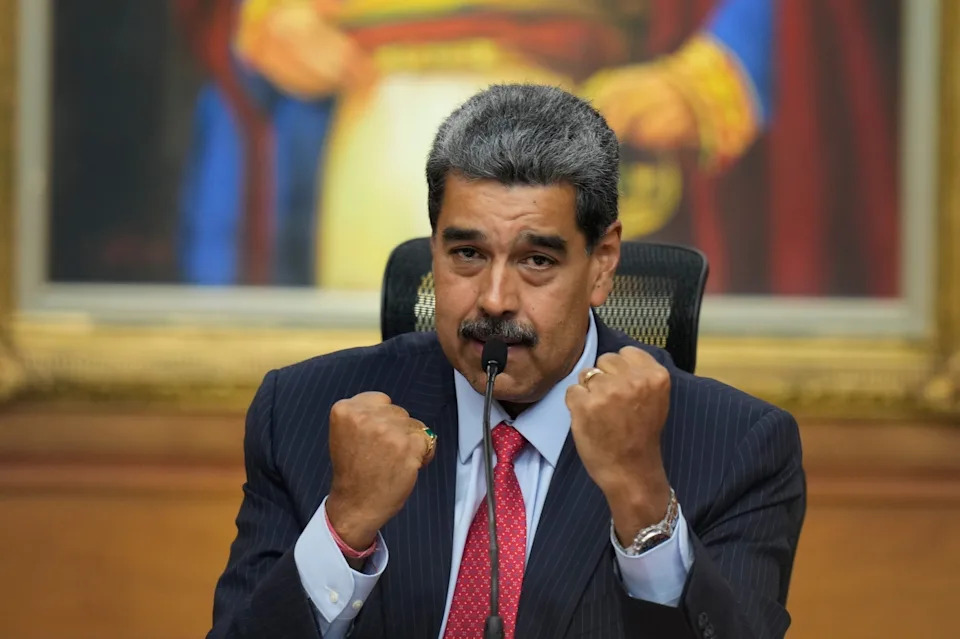
FILE - Venezuelan President Nicolas Maduro raises up his closed fists during a news conference at Miraflores presidential palace in Caracas, Venezuela, July 31, 2024, three days after his disputed reelection. (AP Photo/Matias Delacroix, File)(ASSOCIATED PRESS)
In 1904, President Theodore Roosevelt articulated what became known as the Roosevelt Corollary, arguing that the United States could intervene in unstable Latin American countries to preserve order and protect U.S. interests. That rationale helped justify U.S. support for Panama’s separation from Colombia and secure American control over the Panama Canal Zone.
During the Cold War the doctrine was often repurposed to counter perceived communist expansion—from the 1962 Cuban missile crisis to opposition to Nicaragua’s Sandinista government during the Reagan administration.
How Contemporary Officials Framed It
Scholars such as Jay Sexton (University of Missouri) and Gretchen Murphy (University of Texas) argue that presidents have historically appended corollaries or otherwise invoked Monroe to legitimize interventions that served U.S. strategic or commercial objectives. Sexton notes Venezuela has frequently been cited as a pretext for doctrinal extensions, while Murphy warns such invocations can be used to justify actions that undermine democratic processes in the region.
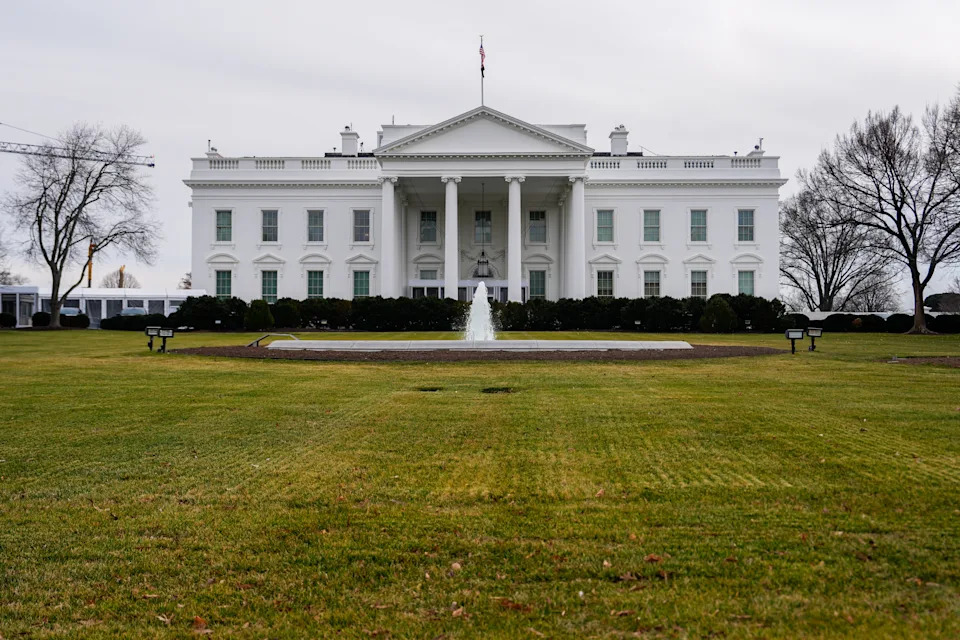
The White House is seen Saturday, Jan. 3, 2026, in Washington, after the U.S. captured Venezuelan President Nicolás Maduro and his wife in a military operation. (AP Photo/Julia Demaree Nikhinson)(ASSOCIATED PRESS)
The "Trump Corollary" And National Security Strategy
The Trump administration’s December national security strategy described a need to reassert U.S. preeminence in the Western Hemisphere and framed a set of measures — including strikes on alleged drug-trafficking vessels — as part of what officials called a potential "Trump Corollary" to the Monroe Doctrine. Trump argued Venezuela was "hosting foreign adversaries" and acquiring weapons that threatened U.S. interests, and he said the United States must ensure regional stability and protect energy resources.
Political And Strategic Implications
Analysts warn that a prolonged U.S. role in Venezuela following Maduro’s arrest could produce domestic and international fallout. Domestically, it may split Trump’s political coalition, especially isolationist factions opposed to extended foreign interventions. Internationally, aggressive use of Monroe-based rhetoric risks increasing tensions with other powers and could reshape U.S. military and diplomatic posture across the hemisphere.
Conclusion
The Monroe Doctrine, born in 1823 to deter European interference, has evolved into a flexible rhetorical and policy tool. From the Roosevelt Corollary to Cold War-era applications and the contemporary "Trump Corollary" framing, successive administrations have adapted Monroe-era language to justify varied interventions in Latin America. Whether framed as defense of hemispheric security or as pursuit of strategic and economic interests, the doctrine’s legacy continues to influence U.S. policy toward the region.
Reporter's note: Meg Kinnard can be reached at http://x.com/MegKinnardAP
Help us improve.


