The White House has accused South African authorities of harassing and doxxing US staff involved in Afrikaner relocation work after Pretoria expelled seven Kenyan nationals. US officials, including Senator Marco Rubio, said some US personnel were briefly detained and that passport data was leaked, warning of "severe consequences" if those responsible are not held accountable. South Africa denies arrests, argues the operation was not at a diplomatic site and says the individuals entered on tourist visas. The dispute follows months of US pressure over alleged persecution of Afrikaner farmers and coincides with a sharp cut in US refugee admissions to 7,500 for 2026.
White House Accuses South Africa Of Harassing US Staff, Warns Of "Severe Consequences"

Deputy Secretary of State Christopher Landau greets Afrikaner refugees from South Africa at Dulles International Airport in Dulles, Virginia. [Julia Demaree Nikhinson/The Associated Press]
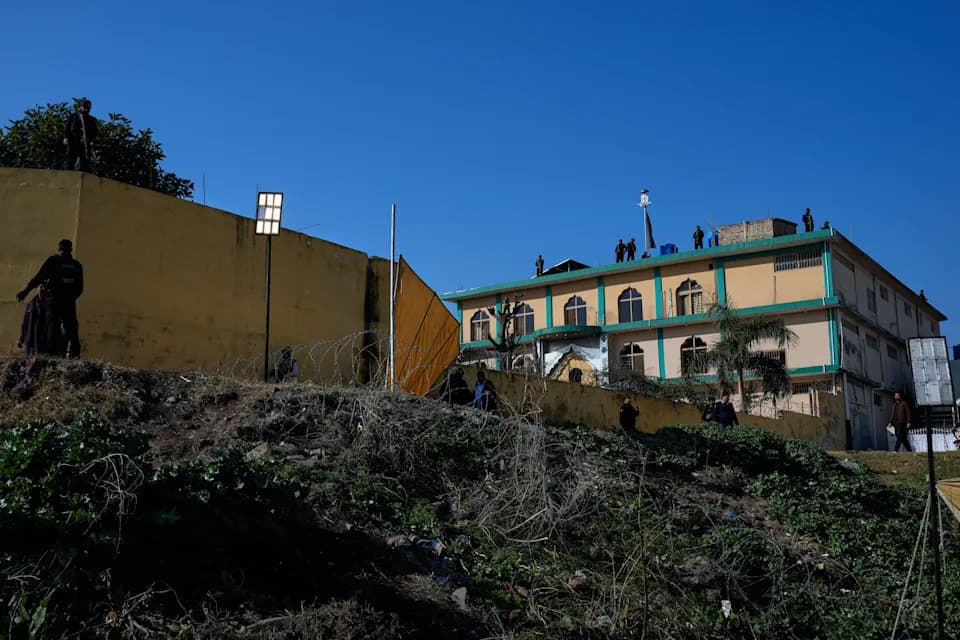
The White House has accused South African authorities of harassing and doxxing US government staff involved in relocation efforts for Afrikaner communities, escalating a months-long diplomatic dispute between Washington and Pretoria.
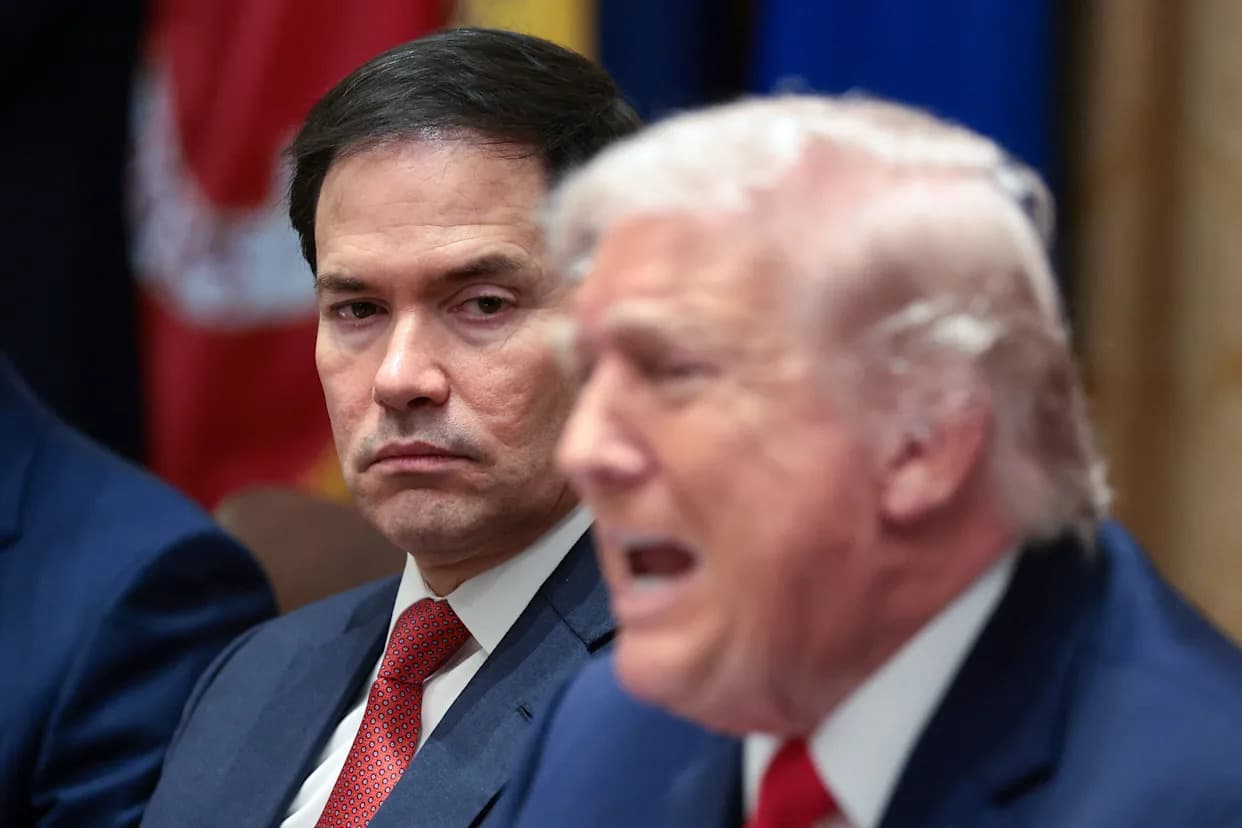
US officials, including Senator Marco Rubio, publicly condemned the incident on Thursday after South African authorities expelled seven Kenyan nationals who had been brought into the country with US assistance to process relocation paperwork. South Africa says those individuals entered on tourist visas and were therefore not authorized to work.
In a written statement, Senator Rubio said some US nationals were briefly detained and alleged that passport information for US personnel had been leaked. He described the disclosure as "an unacceptable form of harassment" that could place those affected "in harm's way" and warned that "failure by the South African Government to hold those responsible accountable will result in severe consequences."
"We condemn any harassment or unlawful detention of US personnel and take threats to their safety seriously," the statement said.
Pretoria has disputed the account that US officials were arrested and said the operation was not conducted at a diplomatic site. South Africa’s Department of International Relations and Cooperation noted that using personnel without proper diplomatic status "raises serious questions about intent and diplomatic protocol."
Broader Context
The clash is the latest chapter in sustained pressure from the Trump administration on President Cyril Ramaphosa’s government over claims—rejected by Ramaphosa—that it tacitly supports persecution of white Afrikaner farmers. Those allegations have circulated widely in some far-right circles, but South African leaders and Afrikaner representatives have denounced them as misinformation.
Despite the disagreement, the US has continued relocating some members of the Afrikaner community to the United States through its refugee programme. At the same time, the administration has sharply reduced overall refugee admissions to a historic low of 7,500 for 2026—a policy change that rights groups have criticized as discriminatory.
Diplomatic tensions have already produced concrete actions: the US previously expelled South Africa’s ambassador to Washington, boycotted the G20 summit in Johannesburg and has signaled that South Africa will not be included at a related G20 event in Miami next year.
Help us improve.