Senate Budget Chairman Lindsey Graham plans to begin a party-line reconciliation push with a budget resolution early next year. The proposed package would pair military funding, health-care measures and grants for states that assist ICE. While Trump and other GOP leaders have not formally signed on, some Republicans view reconciliation as the fallback option if bipartisan health-care talks collapse and the filibuster remains in place.
Graham Plans GOP Reconciliation Push — Budget Resolution To Kick Off New Party-Line Bill

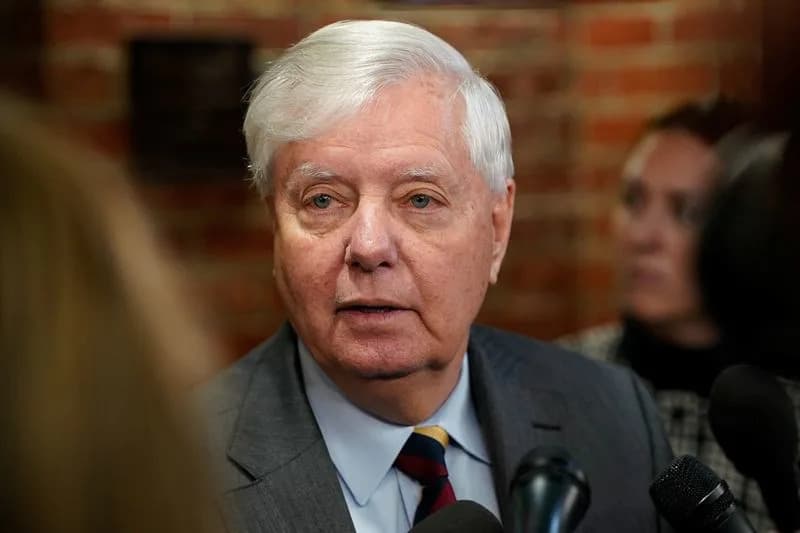
Senate Budget Chairman Lindsey Graham (R-S.C.) said he will launch a new party-line reconciliation effort early next year, beginning the process with a budget resolution that could clear the path for a package of military, health-care and immigration measures.
“It would be political malpractice not to do another reconciliation,” Graham told Semafor.
Graham told reporters he envisions a final legislative product that combines increased military funding, targeted health-care provisions and a grant program for states that assist U.S. Immigration and Customs Enforcement (ICE) with enforcement. He plans to introduce a budget resolution early in the next congressional session to set reconciliation instructions for committees to draft the bill.
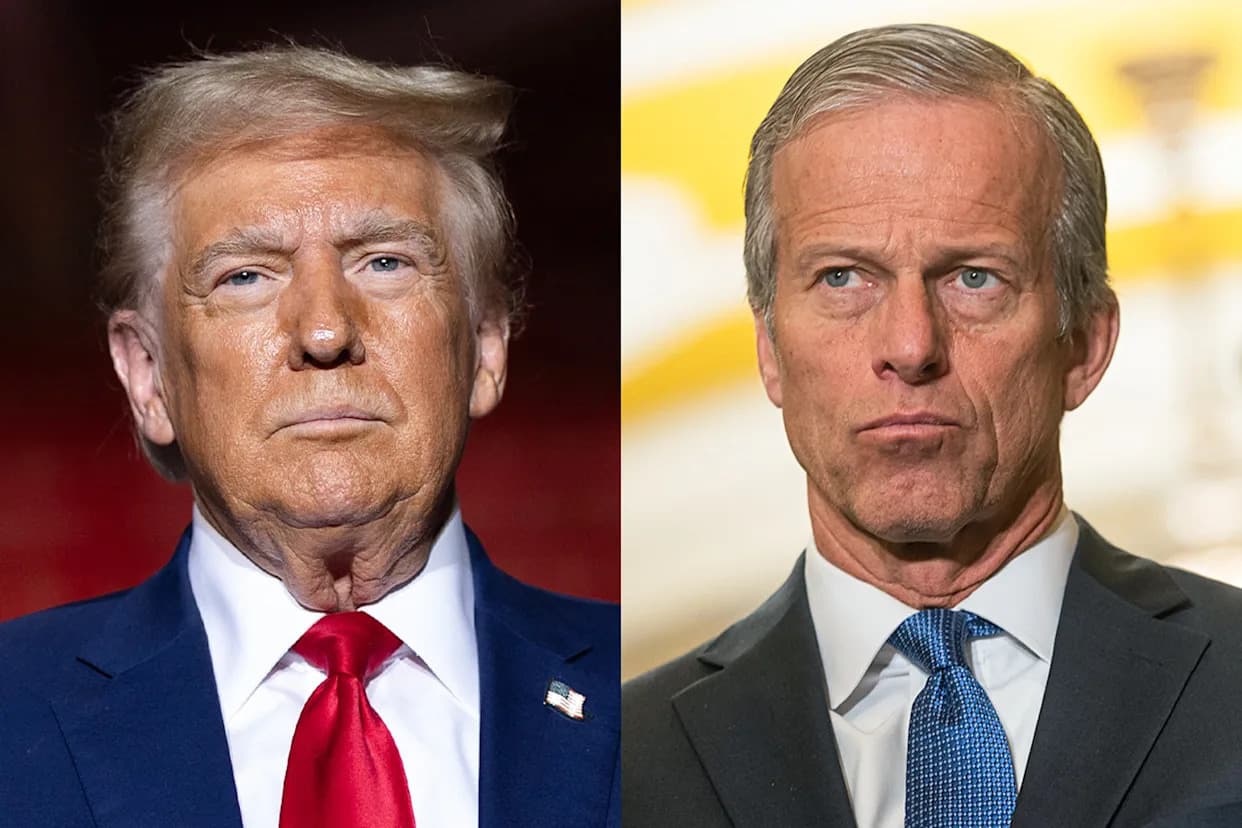
President Donald Trump and other top Republican leaders have not formally committed to the plan. Several Senate Republicans — including Majority Leader John Thune — say reconciliation is a possible route if bipartisan negotiations on health care fail. Trump has expressed a preference for eliminating the legislative filibuster, but with that option off the table, reconciliation may become the GOP’s most viable path to pass major legislation this Congress.
What To Expect
Timeline: The budget resolution would be the procedural first step, instructing committees to prepare reconciliation items that can later be combined into one package.
Policy Elements: Military funding increases, health-care changes (details to be determined by authorizing committees), and state grants tied to cooperation with ICE enforcement.
Political Dynamics: Success would require strict party-line coordination in the Senate, since reconciliation bills pass with a simple majority and are not subject to the filibuster.
Help us improve.